Key Takeaways
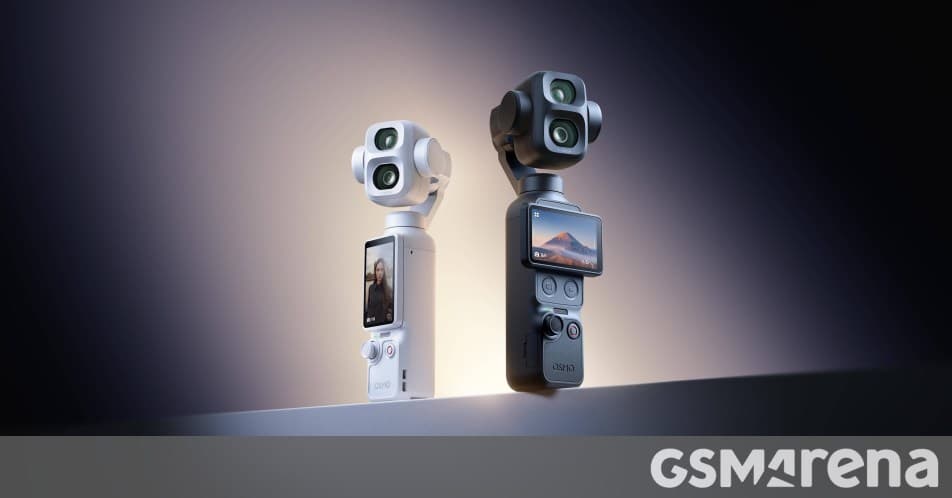
- The Osmo Pocket 4P pairs a 1-inch main sensor with a dedicated 60mm telephoto lens, a first for pocket gimbals
- LOFIC sensor technology delivers 17 stops of dynamic range for professional-grade video
- China-only launch at CNY 3,799 ($560), with global availability uncertain due to trade tensions
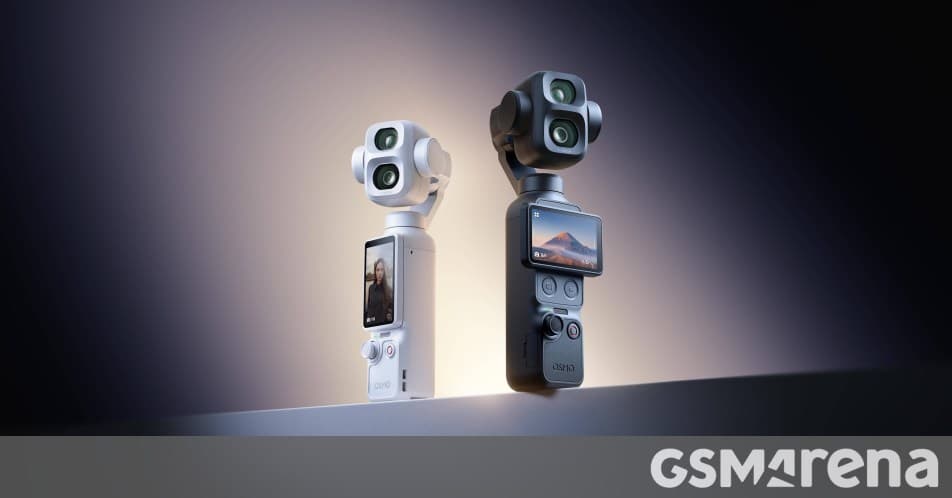
DJI has launched the Osmo Pocket 4P in China, bringing a dual-camera system to its pocket gimbal lineup for the first time. The device pairs a 1-inch main sensor with a 60mm telephoto lens, targeting creators who need both wide and tight framing without swapping gear. Pricing starts at CNY 3,799 ($560) for the standard kit.
The launch comes exactly one month after DJI previewed the camera at Cannes Film Festival. It also arrives as DJI and rival Insta360 are locked in patent litigation over gimbal technologies, each company suing the other in multiple jurisdictions.
What makes the dual-camera system different?
Pocket gimbals have traditionally relied on a single wide-angle lens, forcing users to crop digitally for tighter shots. The Osmo Pocket 4P solves this with two dedicated sensors.
The main camera uses a 1-inch sensor with LOFIC (Lateral Overflow Integration Capacitor) technology. This design captures highlight and shadow data simultaneously, delivering 17 stops of dynamic range, according to DJI. The lens has an f/2.0 aperture and a 20mm equivalent focal length.
The telephoto camera sits on a 1/1.28-inch sensor with a faster f/1.8 aperture. Its 60mm equivalent focal length provides 3x optical zoom, extending to 12x with digital zoom. For portrait-style shots and subject isolation, this second lens removes the need to physically move closer.
Video and photo specifications
The Osmo Pocket 4P records 10-bit video with D-Log2 color science. Maximum resolution is 4K at 60fps for standard footage, while slow-motion capture reaches 4K at 240fps. Still photography tops out at 37 megapixels, with panorama stitching available.
A 3-axis mechanical gimbal handles stabilization, paired with intelligent subject tracking. DJI says the system can lock onto faces, bodies, or objects and follow them through the frame.
Battery, storage, and connectivity
The 1,545mAh battery provides up to 210 minutes of recording at 1080p/24fps. Fast charging reaches 80% in 18 minutes, with a full charge taking 32 minutes. That's aggressive for a device this compact.
Internal storage is 103GB, expandable to 1TB via microSD. The device includes three built-in microphones, a 2-inch rotating touchscreen with 1,000 nits peak brightness, dual-band Wi-Fi 6, and Bluetooth LE 5.4. Weight is 230 grams.
Pricing and the Insta360 rivalry
Two kits are available for pre-order in China. The standard kit costs CNY 3,799 ($560). The Vlog kit, which adds accessories, runs CNY 4,299 ($635). Color options are Classic Black and Pearl White.
The timing puts the Osmo Pocket 4P in direct competition with the Insta360 Luna Ultra, another dual-camera pocket gimbal announced recently. The two companies are now fighting on multiple fronts: hardware releases and courtrooms. DJI has sued Insta360 for patent infringement, and Insta360 countersued with its own gimbal and 360-degree camera patents.
The legal battle adds uncertainty for buyers. Patent disputes can result in import bans or forced design changes. Both companies are iterating hardware at a rapid pace, likely to establish market position before any rulings land.
Will the Osmo Pocket 4P launch outside China?
DJI has not announced global availability. Trade regulations complicate Western launches for Chinese drone and camera manufacturers. Reddit users on r/djigimbal praised the 60mm lens addition but expressed frustration over the lack of a release timeline for other markets.
Technical discussions on HackerNews focused on LOFIC technology. The sensor architecture originated in Sony's professional imaging division and has appeared in a handful of high-end cinema cameras. Its inclusion in a pocket device signals where mobile imaging is headed.
Frequently Asked Questions
What is LOFIC technology in the DJI Osmo Pocket 4P?
LOFIC stands for Lateral Overflow Integration Capacitor. It allows the sensor to capture highlight and shadow information simultaneously, resulting in 17 stops of dynamic range without HDR stacking.
How much does the DJI Osmo Pocket 4P cost?
The standard kit starts at CNY 3,799 (approximately $560). The Vlog kit with additional accessories costs CNY 4,299 ($635). Pricing is for the Chinese market.
Can the Osmo Pocket 4P shoot slow motion?
Yes. It captures slow-motion footage at up to 4K resolution at 240 frames per second.
Is the DJI Osmo Pocket 4P available in the US?
Not yet. DJI has only opened pre-orders in China. Global availability has not been announced, and trade regulations may affect Western launches.
How does the Osmo Pocket 4P compare to the Insta360 Luna Ultra?
Both are dual-camera pocket gimbals. The Osmo Pocket 4P uses a 1-inch main sensor with LOFIC for higher dynamic range. The companies are currently suing each other over patents, so direct feature comparisons are part of a larger competitive battle.
Logicity's Take
The 60mm telephoto is the real story here. Pocket gimbals have been stuck at wide-angle focal lengths, forcing creators to crop or carry a second camera for interviews and B-roll. DJI is betting that dual cameras will become table stakes for this category. The LOFIC sensor raises the bar on dynamic range, but the restricted China launch limits immediate impact. If global availability drags past Q3, Insta360 has runway to respond.
Another Chinese tech giant making hardware-specific bets
Need Help Implementing This?
If your production team is evaluating pocket gimbals for content workflows, Logicity can connect you with specialists in camera tech and video production infrastructure. Reach out via our contact page.
Source: GSMArena.com / Siddharth
Manaal Khan
Tech & Innovation Writer
Produced with AI assistance and reviewed by the Logicity editorial team. Learn more in our Editorial Policy.