Key Takeaways
- Both Lito drones weigh under 249g, avoiding registration requirements in many countries
- The Lito X1 adds forward-facing LIDAR for obstacle avoidance in low light
- Neither drone is currently available in the US market
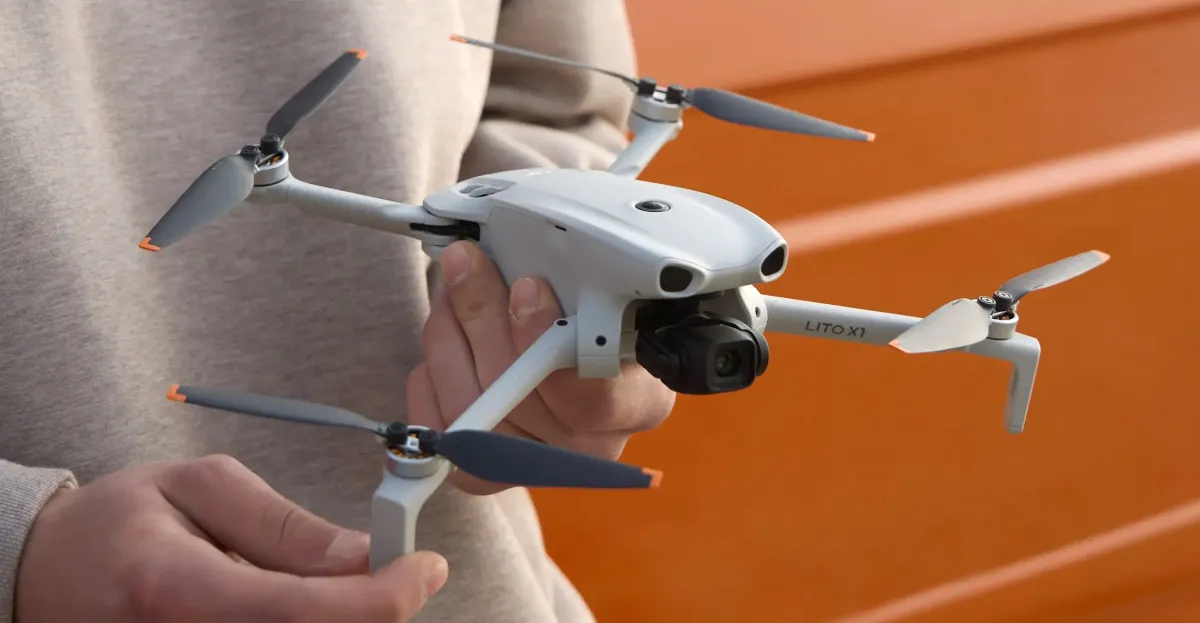
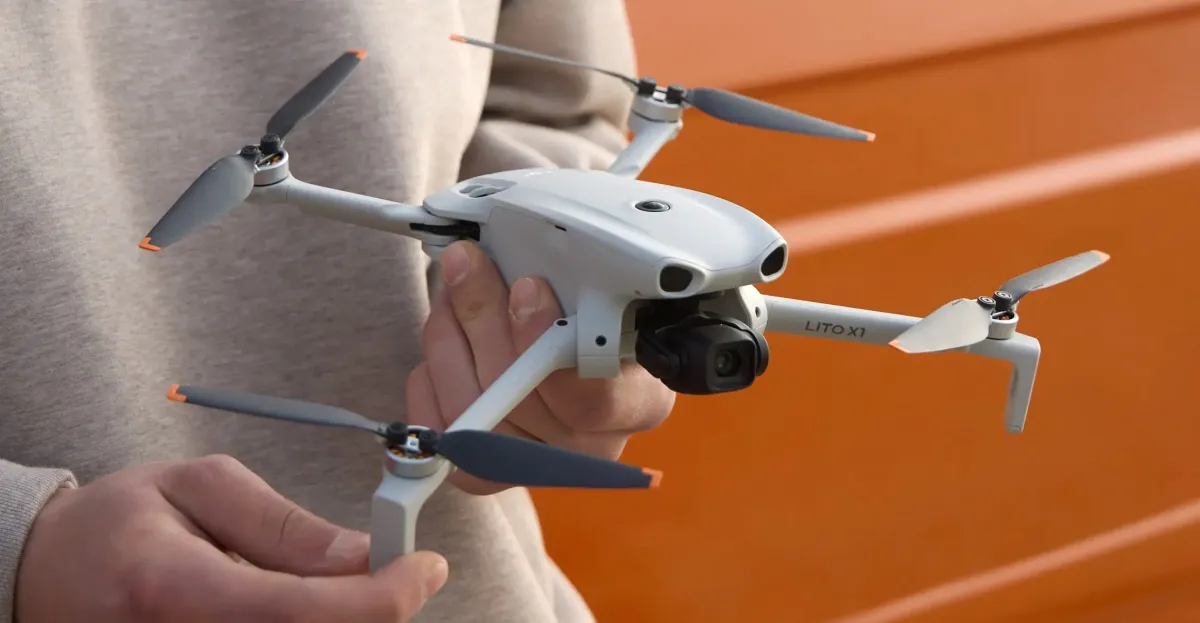
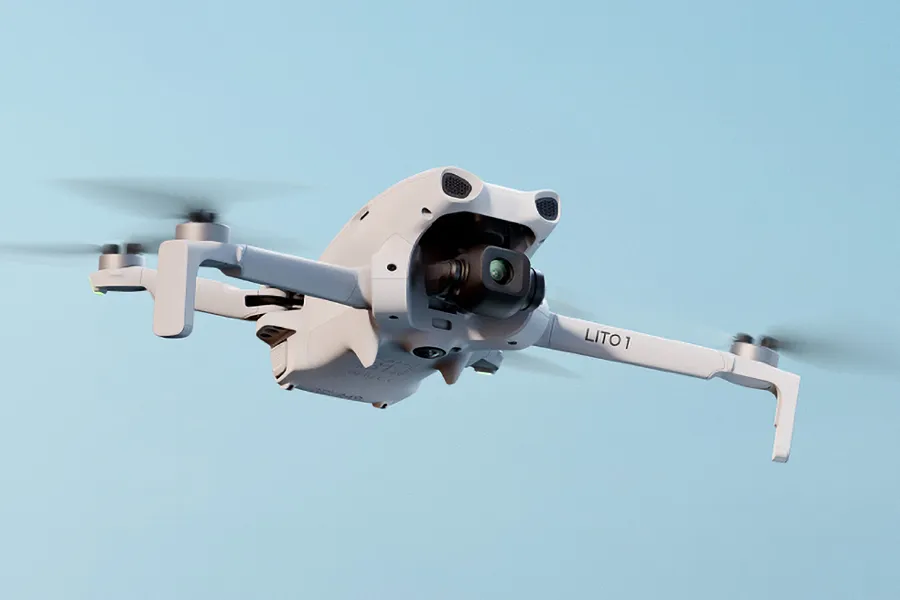
DJI has officially announced its new Lito Series drones after weeks of teasers and leaks. The entry-level Lito 1 and the upgraded Lito X1 both weigh less than 249 grams. That weight threshold matters because it exempts the drones from registration requirements in many countries, making them attractive for first-time pilots.
European pricing starts at €339 (roughly $397) for the Lito 1 and €419 (around $490) for the Lito X1. Neither drone is currently available in the US. DJI hasn't announced when or if American buyers will get access.
What Sets the X1 Apart
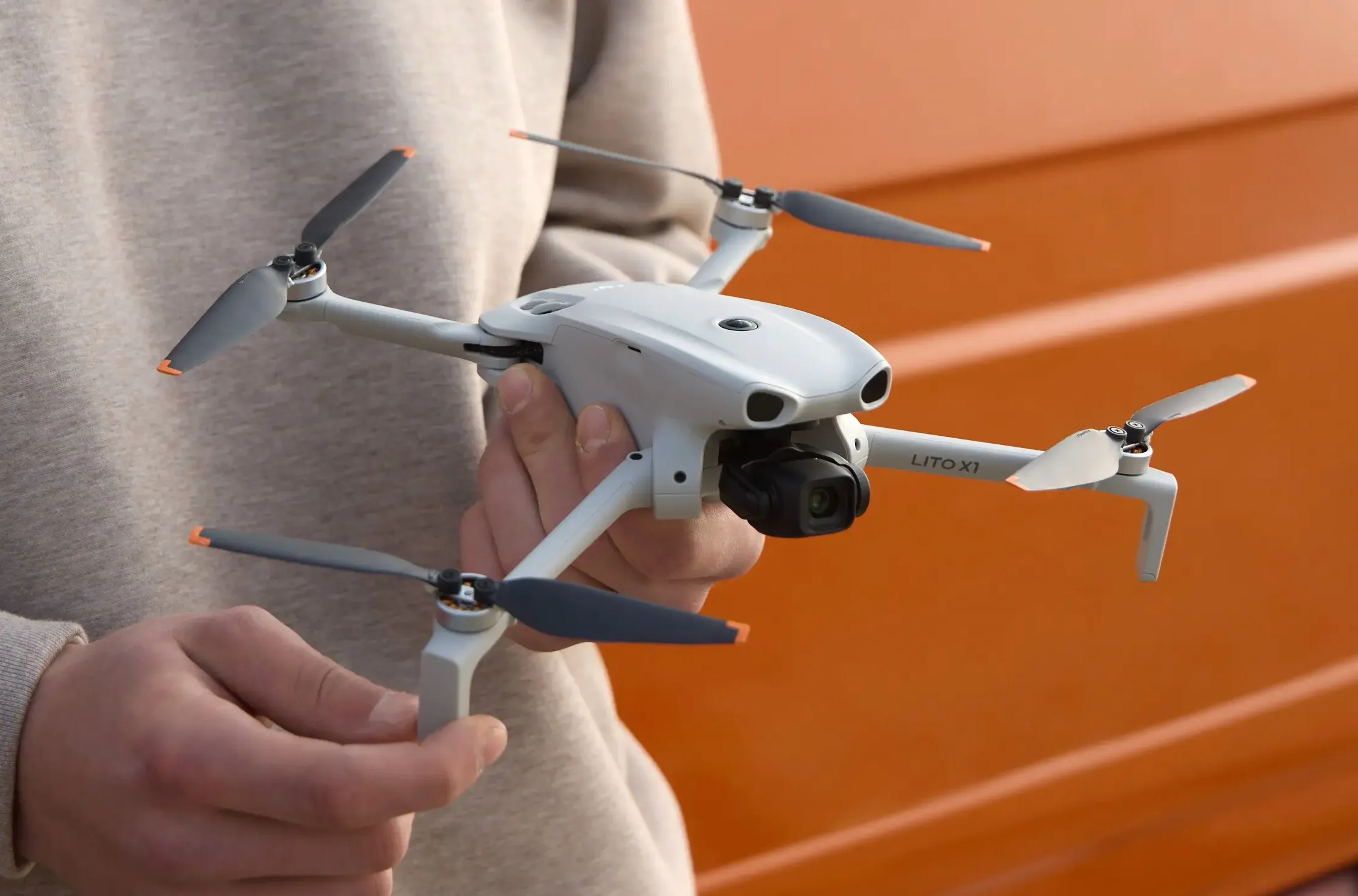
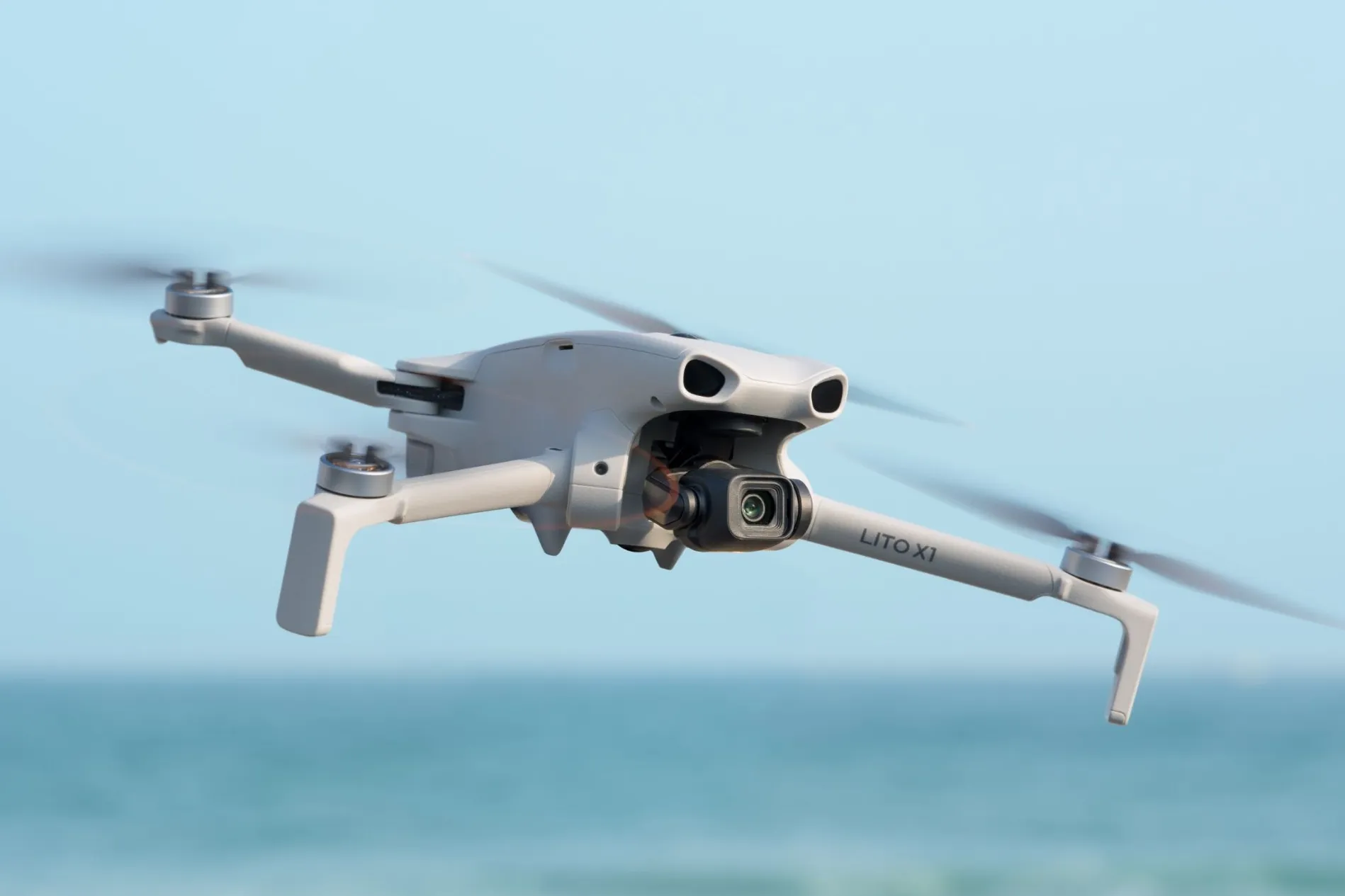
The key difference between the two models is obstacle avoidance. Both drones have sensors on the top and bottom to detect obstacles during flight. The X1 adds a forward-facing LIDAR sensor that DJI says provides more precision, especially when flying in low light conditions.

The camera specs also favor the X1. It carries a 48-megapixel sensor on a 1/2-inch chip, compared to the Lito 1's 40-megapixel 1/1.3-inch sensor. Both can shoot 4K video at up to 100fps in slow-motion mode, but the X1 adds 10-bit D-LogM capture. That color profile gives video editors more flexibility when color grading footage.
Storage is another differentiator. The Lito X1 comes with 42GB of built-in storage. The Lito 1 relies entirely on microSD cards.
| Feature | Lito 1 | Lito X1 |
|---|---|---|
| Price (EU) | €339 | €419 |
| Weight | Under 249g | Under 249g |
| Camera | 40MP, 1/1.3-inch | 48MP, 1/2-inch |
| 10-bit D-LogM | No | Yes |
| LIDAR Obstacle Avoidance | No | Yes |
| Built-in Storage | None | 42GB |
| Max Flight Time | 36 minutes | 36 minutes |
| Top Speed | 40mph (boosted) | 40mph (boosted) |
Shared Specs and Controller Options
Both Lito models share several core specifications. They have a top speed of about 27mph in normal mode, which can be boosted to 40mph. The standard battery provides up to 36 minutes of flight time, though DJI notes this varies with conditions and flying style.
Both drones ship with DJI's RC-N3 controller. It's a screenless design that uses your smartphone as the display. Unlike the DJI Neo, you can't pilot these drones using just your phone. They require the physical controller.
DJI offers alternative controllers for both models, including the RC 2. That controller comes bundled with the X1's €579 Fly More package, which also includes extra batteries.
Outdoor Focus, No Prop Guards
Neither Lito drone has permanent prop guards. DJI made this trade-off for portability. Without fixed guards, the drones fold into a more compact shape. The downside is that both models are designed primarily for outdoor use. Indoor flying with exposed propellers is risky for furniture, pets, and the drone itself.
Logicity's Take
US Availability Unknown
The biggest question mark is timing for US buyers. DJI has only announced European availability and pricing. Given recent regulatory scrutiny of DJI products in the US, the company may be taking a cautious approach to the American market.
Frequently Asked Questions
Do the DJI Lito drones require registration?
In many countries, no. Both models weigh under 249 grams, which is below the registration threshold in the EU and several other regions. US rules vary by state and use case.
What's the difference between Lito 1 and Lito X1?
The X1 adds forward-facing LIDAR for obstacle avoidance, a larger 48MP camera sensor, 10-bit D-LogM video capture, and 42GB of built-in storage. The Lito 1 has a 40MP sensor and relies on microSD cards.
Can you fly DJI Lito drones with just a phone?
No. Unlike the DJI Neo, both Lito models require a physical controller. The included RC-N3 uses your phone as a display, but you still need the controller to pilot.
When will DJI Lito be available in the US?
DJI hasn't announced US availability or pricing. Only European launch details have been released so far.
How long can DJI Lito drones fly on one charge?
DJI claims up to 36 minutes of flight time with the standard battery. Actual duration depends on conditions and flying style.
Need Help Implementing This?
Huma Shazia
Senior AI & Tech Writer
Produced with AI assistance and reviewed by the Logicity editorial team. Learn more in our Editorial Policy.




