Key Takeaways
- Deezer's AI Music Detector is free and works with playlists from 20 streaming platforms including Spotify and Apple Music
- The company receives 75,000 AI-generated tracks daily, representing 44% of all uploads
- 97% of listeners in a Deezer/Ipsos survey couldn't distinguish AI music from human-made tracks
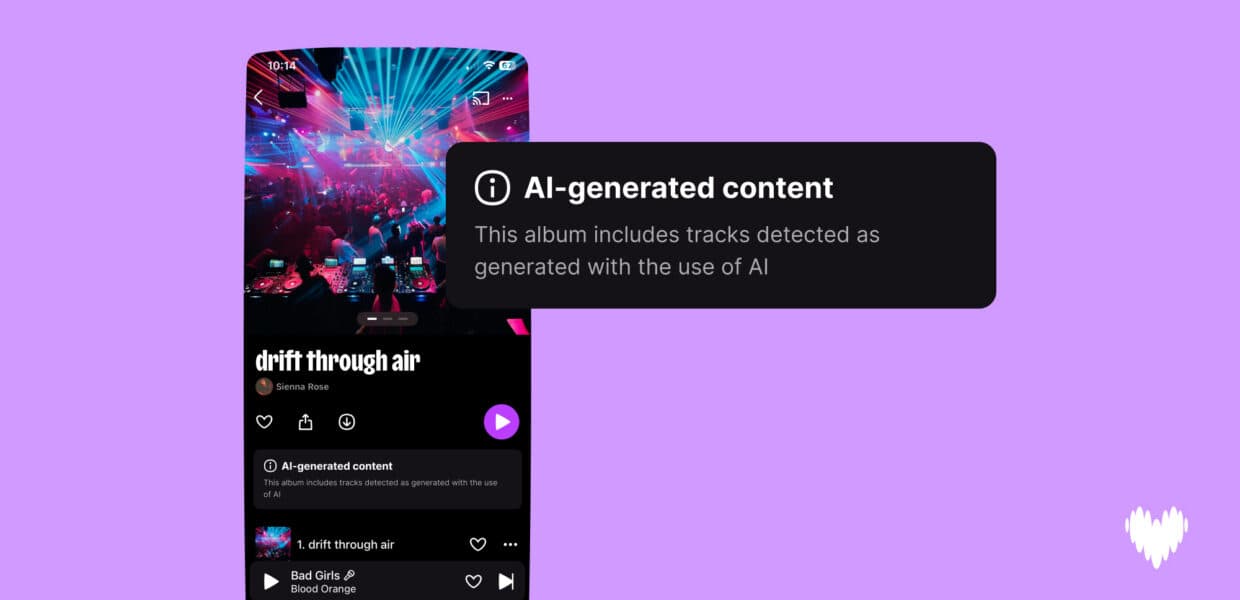
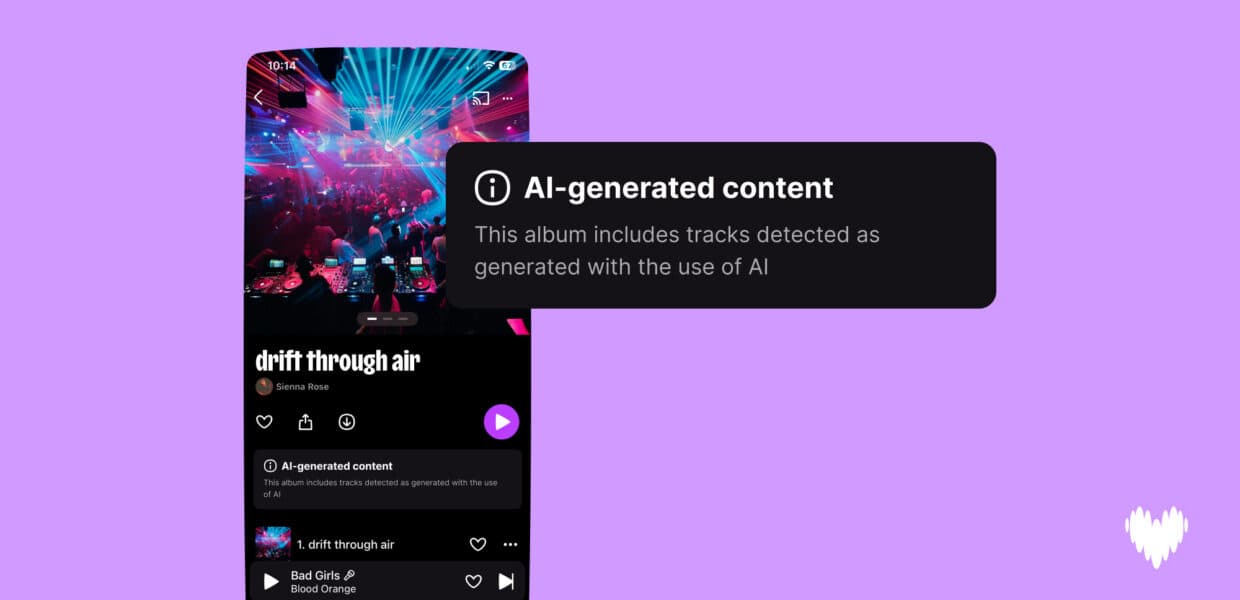
Deezer has launched a free AI music detection tool that works across all major streaming platforms. Users can scan their Spotify, Apple Music, or YouTube Music playlists to identify AI-generated tracks hiding in their libraries.
The tool supports 20 streaming services and is available in 27 languages. It's specifically tuned to detect music from popular generative models like Suno and Udio, according to Deezer's official release.
The Scale of AI Music Flooding Streaming Services
Deezer's numbers paint a stark picture. The company receives about 75,000 AI-generated tracks every day. That's over 44% of all daily uploads to the platform.
“Forty-three percent of users who switch from other platforms to Deezer already have AI tracks in their playlists.”
— Alexis Lanternier, CEO of Deezer
The problem isn't just volume. An estimated 85% of streams on AI-generated tracks are considered fraudulent, driven by bots rather than real listeners. This bot-driven streaming is part of what the industry calls "AI slop," low-quality synthetic tracks uploaded by bot farms to claim royalties.
Deezer already removes AI songs from its recommendations and editorial playlists. The new detector tool lets users audit their own libraries regardless of which service they use.
Most Listeners Can't Spot AI Music
A survey conducted by Deezer and Ipsos across eight countries found that 97% of respondents couldn't tell AI music apart from human-made tracks. Despite this, 80% of those surveyed wanted clear labeling on AI-generated content.
This gap between detection ability and desire for transparency is exactly what Deezer's tool addresses. Users may not be able to identify AI tracks by ear, but the detector gives them a way to find out what's in their playlists.
Technical Approach and Limitations
The tool is "specifically fine-tuned to detect music from popular generative models like Suno and Udio," according to Deezer's newsroom release. This targeted approach makes sense given that Suno and Udio are the dominant consumer AI music generators.
Community reactions on HackerNews and Reddit have focused on an obvious question: how well will this work against future, more sophisticated AI models? Detection tools trained on today's generators may struggle with tomorrow's output.
Some commenters view the tool as partly a marketing play to attract users from Spotify and Apple Music. If your competitor's service is riddled with AI slop and yours isn't, that's a selling point.
Why This Matters for the Music Industry
Streaming royalties are paid per stream. When bots stream AI tracks at scale, money that should go to human artists goes to bot farm operators instead. The 85% fraud rate on AI track streams suggests this is already a significant drain on the royalty pool.
Deezer's approach, removing AI tracks from recommendations and giving users detection tools, is one model for how platforms might respond. Whether Spotify, Apple Music, and others follow remains to be seen.
Logicity's Take
Frequently Asked Questions
Does Deezer's AI music detector work with Spotify playlists?
Yes. The tool supports 20 streaming platforms including Spotify, Apple Music, and YouTube Music. Users can scan playlists from any supported service.
Is the Deezer AI music detector free?
Yes. The tool is free to use and doesn't require a Deezer subscription. It's available in 27 languages.
What AI music generators can the tool detect?
Deezer says the tool is specifically fine-tuned to detect music from Suno and Udio, the two most popular consumer AI music generators.
How much AI music is being uploaded to streaming services?
Deezer receives about 75,000 AI-generated tracks daily, representing 44% of all uploads to the platform.
Can humans tell the difference between AI and human-made music?
Not reliably. A Deezer/Ipsos survey found that 97% of respondents couldn't distinguish AI music from human-made tracks.
Our initial coverage of Deezer's AI detection announcement
Need Help Implementing This?
Source: The Decoder / Maximilian Schreiner
Huma Shazia
Senior AI & Tech Writer
Produced with AI assistance and reviewed by the Logicity editorial team. Learn more in our Editorial Policy.