Key Takeaways
- Deezer's free tool scans playlists across 20 streaming platforms for AI-generated tracks
- 44% of new music delivered to Deezer daily is now AI-generated, up from earlier 2025 figures
- A 2024 Cisac study estimates AI music could siphon €4 billion ($4.6 billion) from artists by 2028
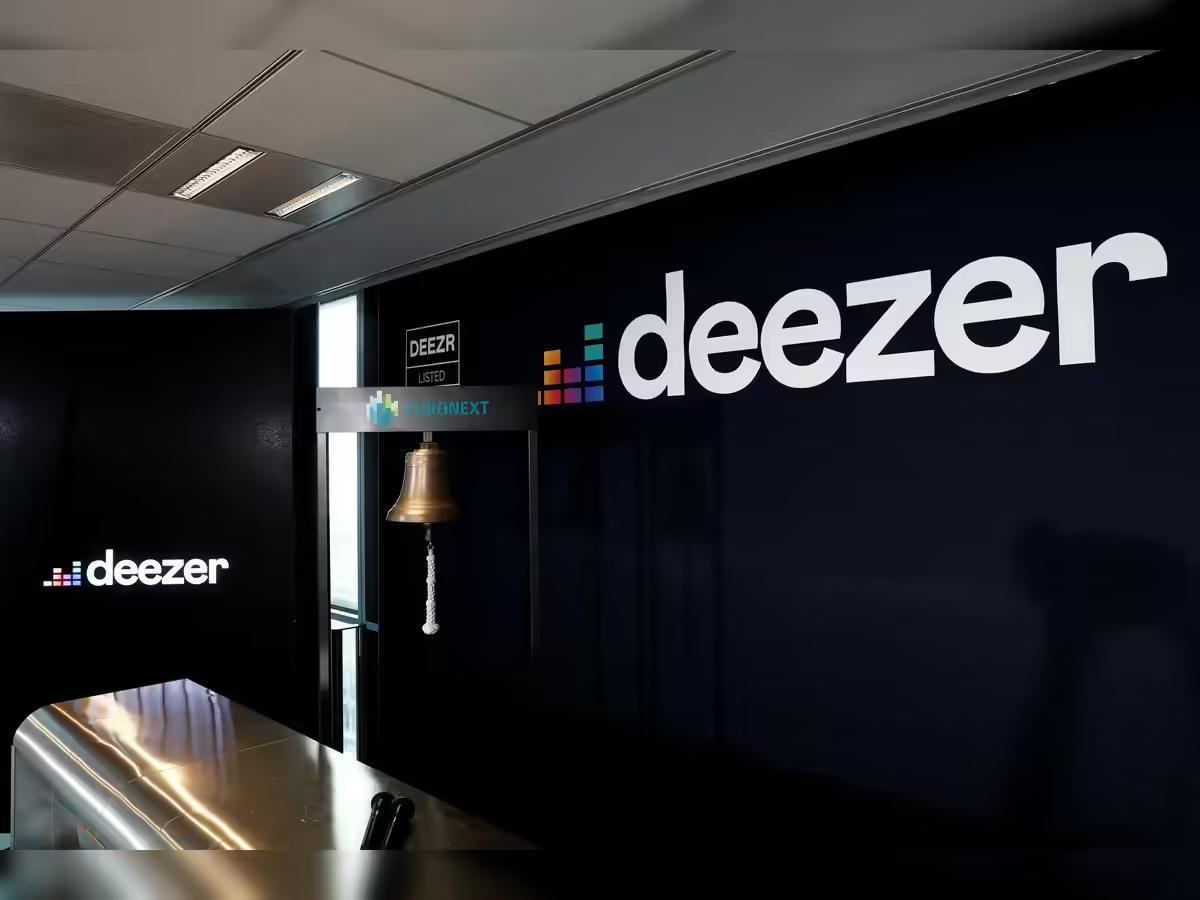
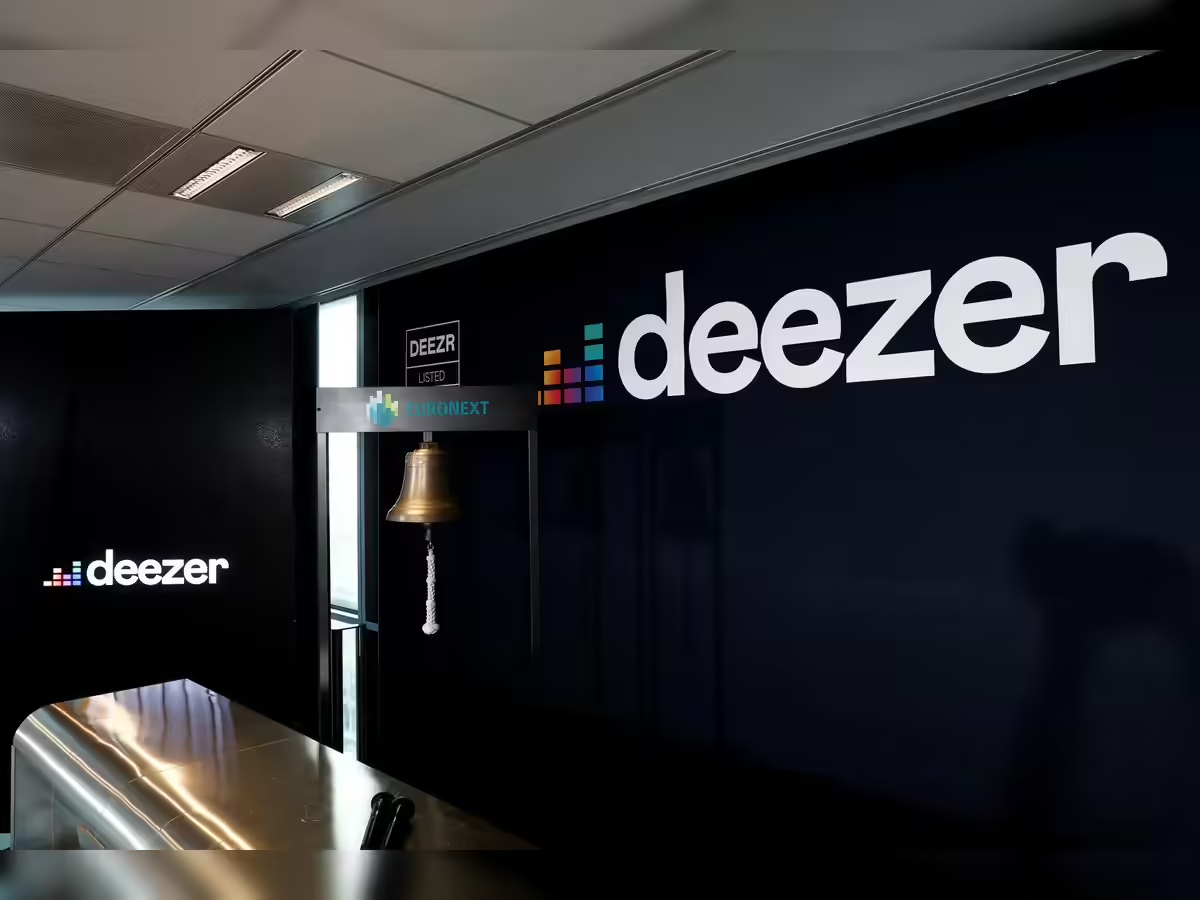
Deezer has launched a free online tool that lets users of any major streaming service scan their playlists for AI-generated music. The French streaming company announced Thursday that the detector works across roughly 20 platforms, not just Deezer's own service.
The move comes as AI-generated tracks flood streaming services at unprecedented rates. Deezer now receives nearly 75,000 synthetic tracks daily. That's up from 60,000 reported in early 2025. These AI tracks now make up more than 44% of all new music delivered to the platform.
How the Detector Works
Users can connect their playlists from competing services like Spotify, Apple Music, and others. The tool then scans for synthetic content and flags AI-generated tracks. Deezer claims a 99.8% accuracy rate for its detection technology.
On its own platform, Deezer already tags AI-generated songs and automatically removes them from algorithmic recommendations and editorial playlists. The company wants the broader industry to adopt similar practices.
“This tool is not about censorship, but transparency. We want to ensure that listeners know what they are hearing, and that human artists are protected from fraudulent streams.”
— Jeronimo Folgueira, CEO of Deezer
The Royalty Pool Problem
Streaming services pay artists from a shared royalty pool. Every stream of AI music dilutes payments to human artists. Deezer framed the detector as "a first step in making sure that these tracks don't dilute the royalty pool in any significant way."
The financial stakes are substantial. A 2024 study from Cisac, the international creators' rights organization, found that 25% of artists' revenue could be at risk from AI-generated music by 2028. That's roughly €4 billion ($4.6 billion) per year.
Deezer's internal data highlights how widespread the problem already is: 43% of users who switch to Deezer from competing services already have AI-generated tracks in their playlists. Many don't know it.
Licensing the Technology
Beyond the free consumer tool, Deezer is licensing its AI-detection technology to the wider music industry. The company signed a deal with France's royalty agency Sacem in January. More licensing agreements are expected.
A recent Deezer and Ipsos survey found that 80% of respondents wanted AI-generated music clearly labeled on streaming platforms. The detector addresses that demand by giving users visibility into what they're actually listening to.
Industry Skepticism
Music industry forums and tech communities have responded with mixed reactions. Many appreciate the transparency Deezer provides. Others question whether detection tools can keep pace as AI generation models improve.
The concern is straightforward: today's detectors spot patterns in today's AI music. As generative models get better at mimicking human performance and recording artifacts, detection becomes harder. Deezer's 99.8% accuracy claim applies to current AI output. That number may not hold against next-generation tools.
Logicity's Take
What This Means for Streaming
The 75,000 daily AI tracks flooding Deezer represent a structural shift in how music reaches streaming platforms. Cheap, fast, infinite content generation threatens to overwhelm human-created music through sheer volume.
Deezer's approach is one possible response: detect, label, and downrank. Other platforms may follow, or they may decide the flood is impossible to stop. For now, users on any major service can at least find out what's in their playlists.
Frequently Asked Questions
Does Deezer's AI music detector work with Spotify and Apple Music?
Yes. The free tool works across roughly 20 major streaming platforms, letting users scan playlists from competing services.
How accurate is Deezer's AI detection technology?
Deezer claims 99.8% accuracy for its detection tool. However, this applies to current AI-generated music, and accuracy may change as generation technology improves.
Why does AI-generated music hurt artist royalties?
Streaming platforms pay artists from a shared royalty pool based on total streams. AI tracks competing for streams dilute payments to human artists without adding human creative work.
How much AI-generated music is on streaming platforms?
Deezer reports that 44% of all new music it receives daily is AI-generated, totaling about 75,000 tracks per day. Additionally, 43% of users joining Deezer from other platforms already have AI music in their playlists.
Need Help Implementing This?
Source: Tech-Economic Times / ET
Huma Shazia
Senior AI & Tech Writer
Produced with AI assistance and reviewed by the Logicity editorial team. Learn more in our Editorial Policy.