Key Takeaways
- CopilotKit raised $27 million in Series A funding led by Glilot Capital, NFX, and SignalFire
- The company's AG-UI protocol standardizes how AI agents connect to and communicate with user interfaces
- Developers can define UI components that agents use to respond with interactive visuals instead of text blocks
Most companies bolt AI onto their apps as a chatbot. You type a question, the bot spits out paragraphs, and you scroll through walls of text hoping to find what you need. CopilotKit thinks that approach wastes what AI agents can actually do.
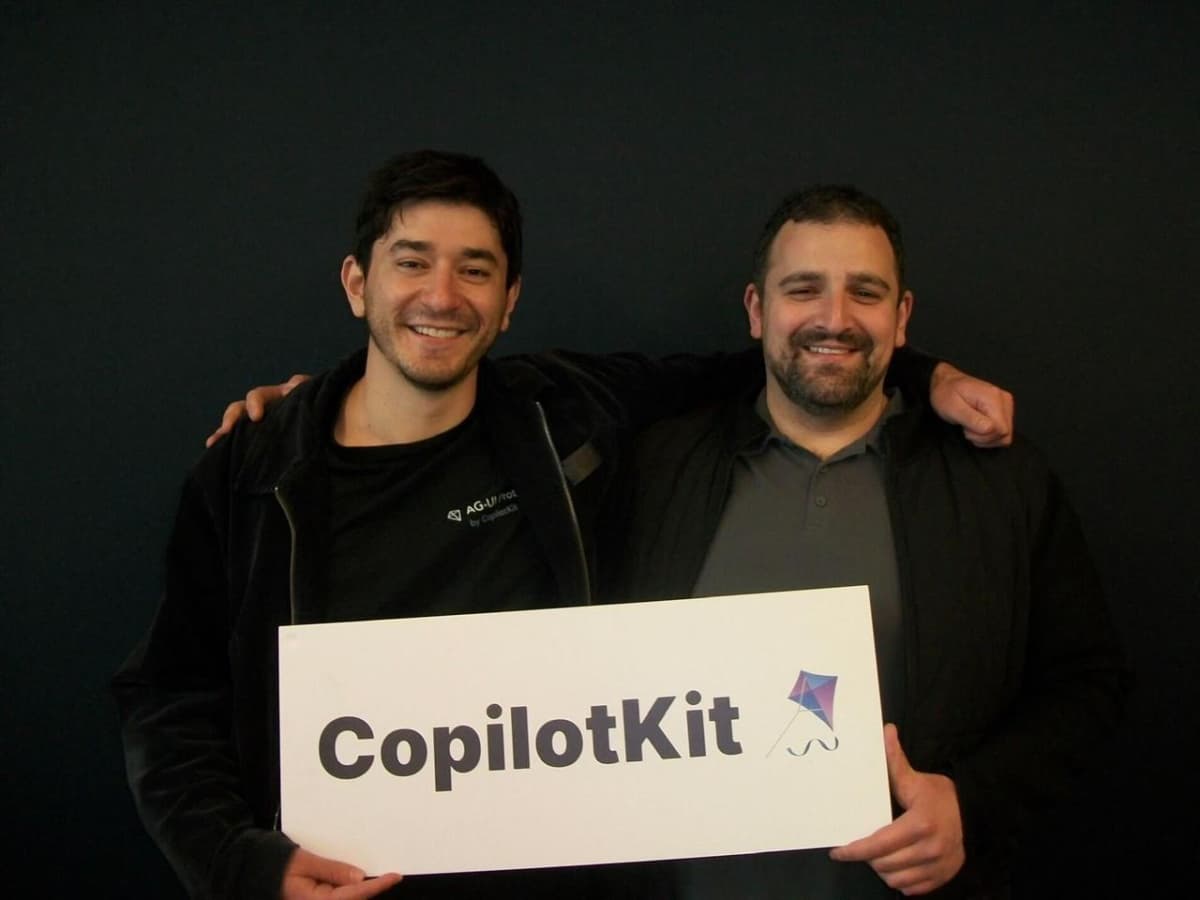
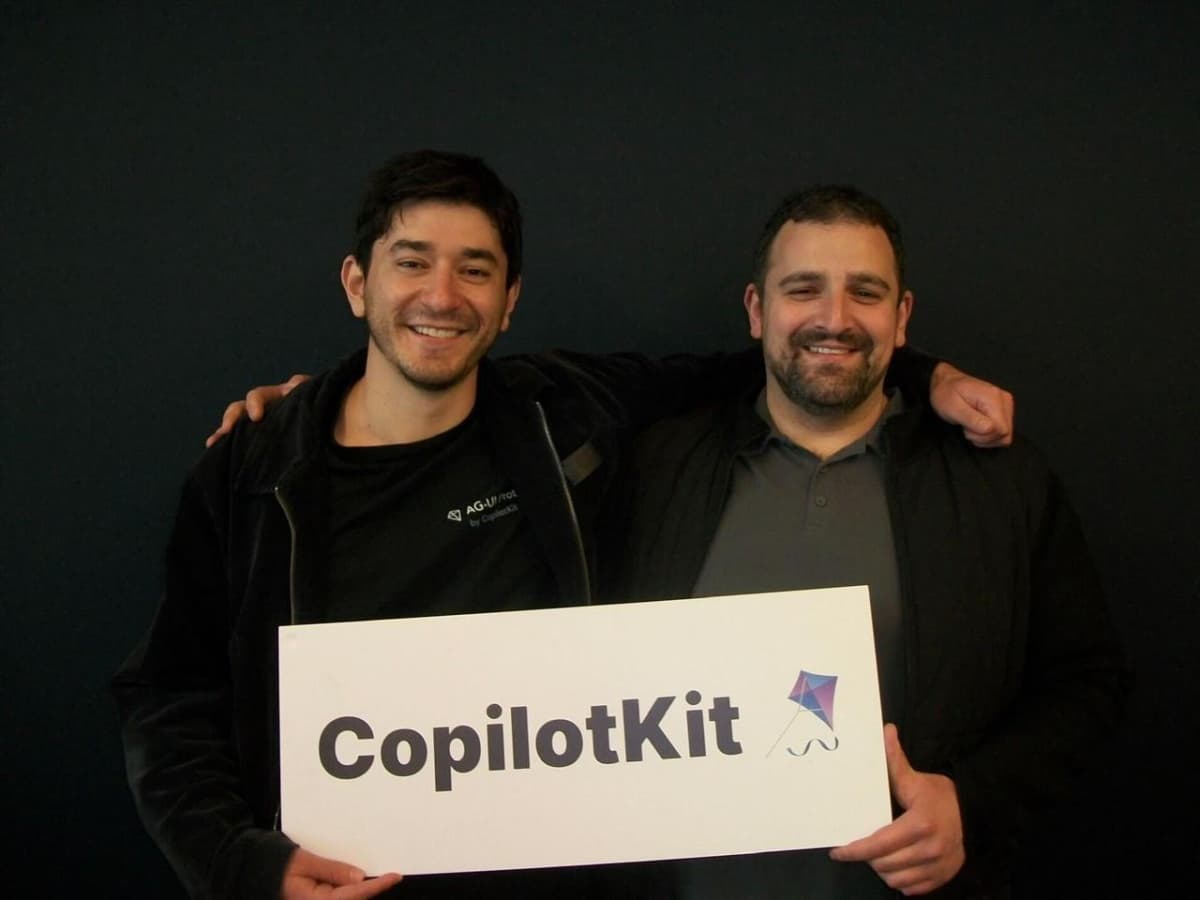
The Seattle startup has raised $27 million in a Series A round led by Glilot Capital, NFX, and SignalFire. The money will fund an enterprise toolkit that lets developers embed AI agents directly into their applications, where agents can see what users are doing, take actions, and respond with interactive interfaces instead of text.
The Problem With Chatbot AI
Co-founders Atai Barkai and Uli Barkai saw the same pattern across industries. Companies rush to add AI, so they drop a chatbot into their app. But a text interface creates friction. Try using a travel app to book a full itinerary through a chatbot. You end up scanning through long responses, copying details, and manually clicking through the actual booking flow.
The Barkais argue that AI agents should live inside applications, not beside them. An agent embedded in a travel app could understand you're browsing flights to Tokyo, pull up a visual calendar of options, and let you tap to book. No paragraph required.
What AG-UI Does
CopilotKit's AG-UI protocol is the foundation. The open-source standard defines how AI agents connect to user interfaces like web browsers or mobile apps. It handles streaming chat, front-end tool calls, and state sharing so humans can stay in the loop as agents work.
Think of AG-UI as plumbing. Without a standard protocol, every developer would need to build custom integration code between their AI and their UI. AG-UI provides the framework so developers can focus on what their agent should do, not how to wire it up.
Dynamic UI Generation
The real selling point is what sits on top of AG-UI. CopilotKit's toolkit lets developers define UI components. Their AI agent can then pick the right component for the context and render it for users.
“The agent can reply to you, not just with blocks of text, but with interactive UIs that are defined by your own company. If, for example, a user asks for breakdown of revenue by category, instead of getting this kind of big, impenetrable paragraph, you get a pie chart, and it's your own design of the pie chart that the user can interact with.”
— Atai Barkai, CEO of CopilotKit
Developers control how much freedom the AI has. They can require pixel-perfect adherence to their design system or provide loose building blocks the agent assembles on the fly. Either way, the interface matches the company's brand, not a generic chatbot window.
Enterprise Features
The Series A funds an enterprise toolkit built on AG-UI. CopilotKit is adding self-hosted deployment options, enterprise support, and the features large companies require before putting AI agents into production products.
Self-hosting matters for companies with strict data policies. Many enterprises won't send customer data to third-party AI services. Running agents on their own infrastructure keeps data in-house.
The Bigger Shift
CopilotKit is betting that the chatbot era of AI will look primitive in hindsight. Just as mobile apps replaced mobile websites, embedded AI agents will replace sidebar chatbots. The interface disappears into the product.
For developers, this changes how they think about AI integration. Instead of asking "where should I put the chatbot?", they ask "what should the agent be able to do?" The UI follows from the capability, not the other way around.
Logicity's Take
Frequently Asked Questions
What is CopilotKit?
CopilotKit is a Seattle startup that provides tools for developers to embed AI agents directly into their applications. Their open-source AG-UI protocol standardizes how agents connect to user interfaces.
What is the AG-UI protocol?
AG-UI is an open-source protocol that defines how AI agents communicate with user interfaces. It handles streaming chat, front-end tool calls, and state sharing to enable human-in-the-loop AI functionality.
How much funding has CopilotKit raised?
CopilotKit raised $27 million in a Series A round led by Glilot Capital, NFX, and SignalFire.
How is CopilotKit different from chatbot AI?
Instead of responding with text blocks, AI agents built with CopilotKit can generate interactive UI components defined by the developer. Users see charts, forms, and visual interfaces instead of paragraphs.
More on AI agent behavior and safety
Need Help Implementing This?
Source: TechCrunch / Ram Iyer
Huma Shazia
Senior AI & Tech Writer
Produced with AI assistance and reviewed by the Logicity editorial team. Learn more in our Editorial Policy.




