Key Takeaways

- Nvidia's RTX Spark Superchip brings 1 petaflop of AI compute to laptops with 128GB unified memory
- Intel's Crescent Island AI GPU uses LPDDR5X instead of HBM, supporting up to 480GB of memory
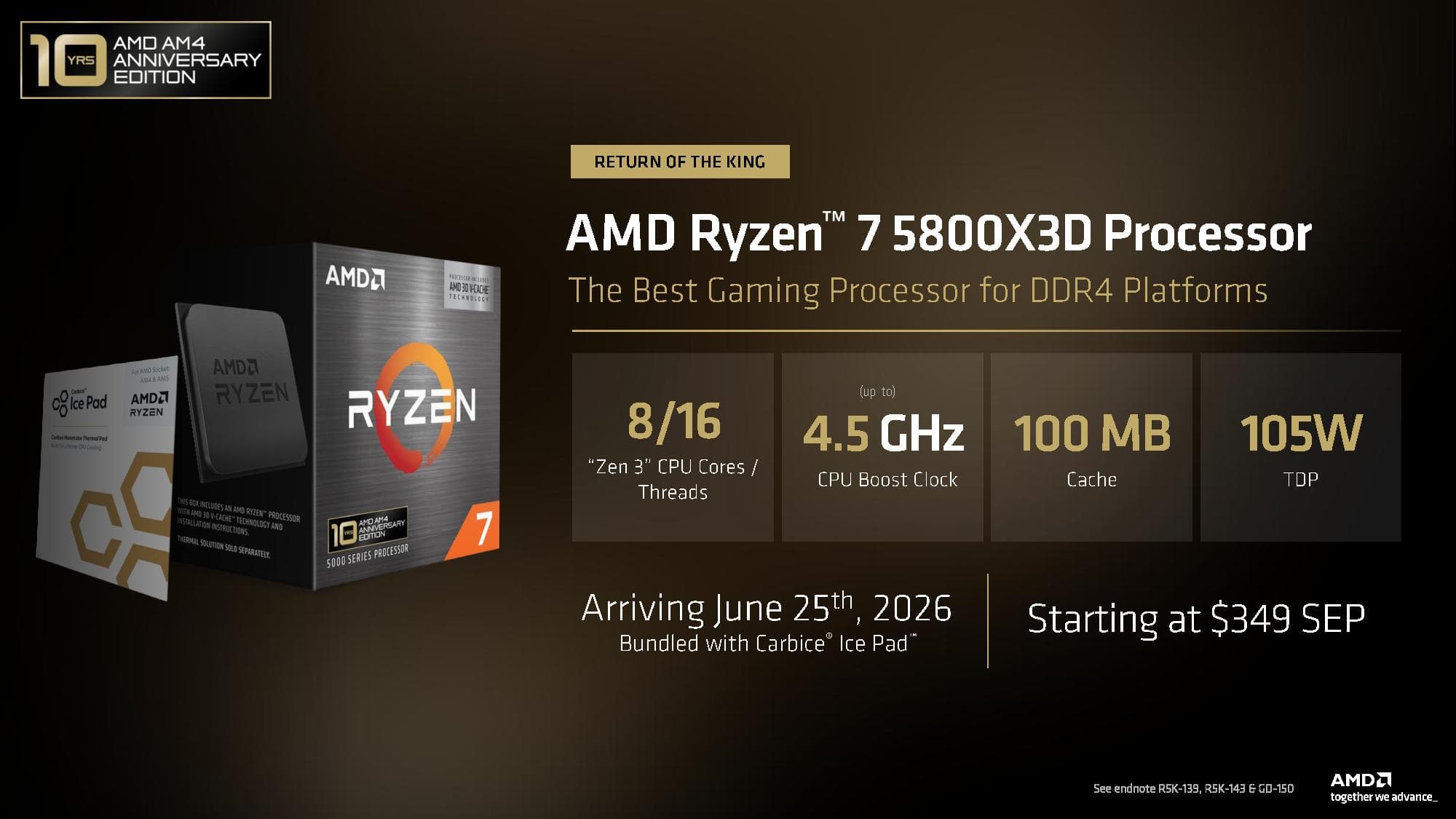
- AMD confirmed AM5 socket support through 2029 and revived the popular Ryzen 7 5800X3D
Computex 2026 opened in Taipei with a flurry of announcements that signal where PC hardware is heading. The theme? Local AI processing. Nvidia, Intel, and AMD each presented new silicon designed to run AI workloads without relying on cloud servers.
The shift toward what the industry calls "agentic AI" drove much of day one's news. These are systems capable of autonomous task execution, not just chatbot responses. Running them locally demands massive memory bandwidth and efficient architectures. All three chipmakers showed their hands.
Nvidia Enters the Laptop Market with RTX Spark
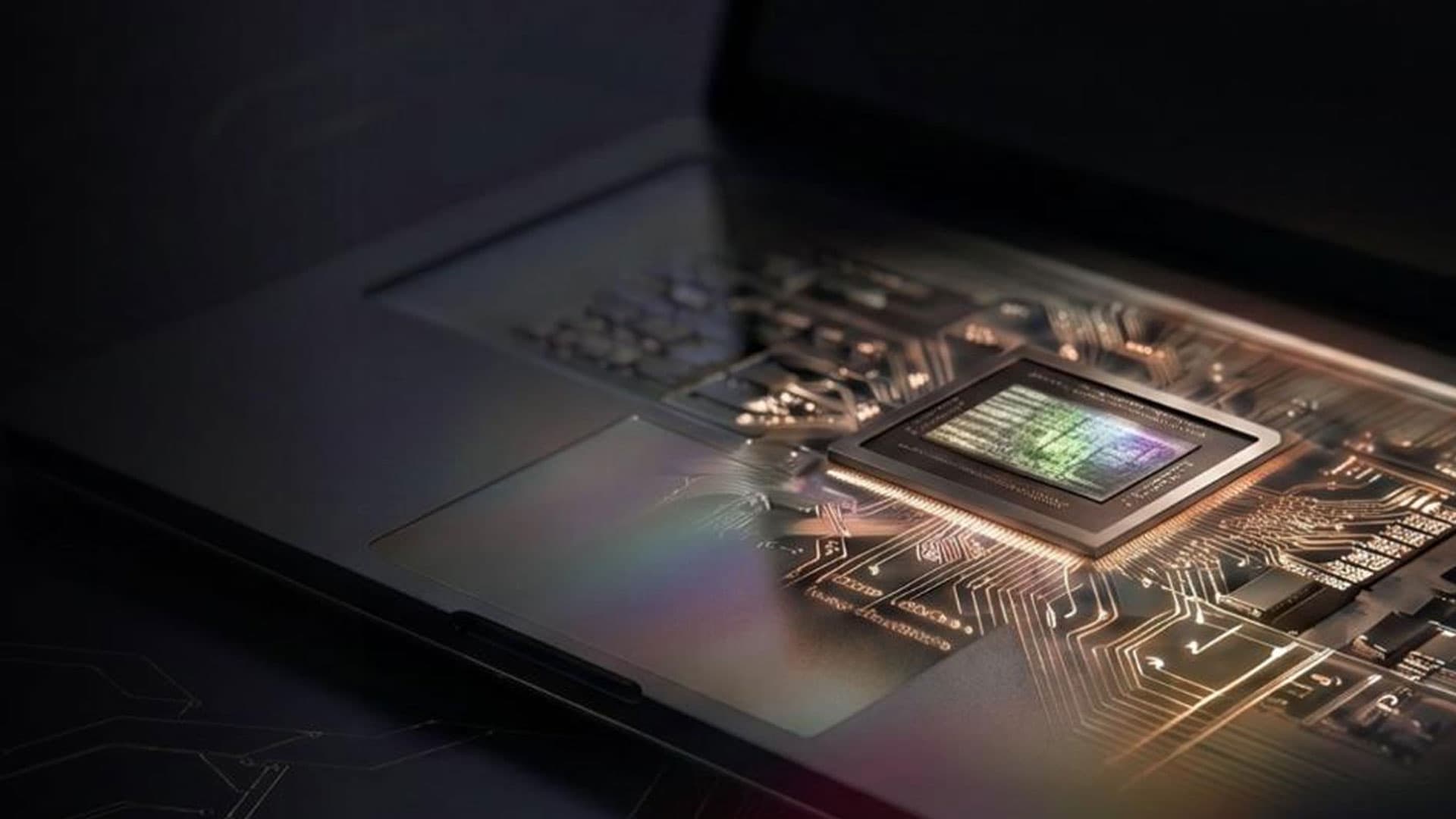
Nvidia's biggest announcement was the RTX Spark Superchip, a Windows on Arm platform that combines Arm CPU cores with Blackwell GPU architecture. The top configuration packs 20 Arm CPU cores, 6144 CUDA cores, 128GB of LPDDR5X RAM, and up to 300 GB/s of memory bandwidth.
Nvidia claims it's the most efficient laptop platform ever built. The company also laid out a roadmap showing RTX Spark variants for both laptops and desktop PCs.
“The era of the local AI agent is here. With the RTX Spark, we are putting data-center-level intelligence directly into the hands of users, without the latency of the cloud.”
— Jensen Huang, CEO of Nvidia
Microsoft showed the first implementation: the Surface Laptop Ultra, which pairs the RTX Spark with 128GB of RAM. It's a direct shot at Apple's MacBook lineup.

Deep dive into the technical architecture of Nvidia's new laptop chip
Intel Bets on LPDDR5X for AI with Crescent Island
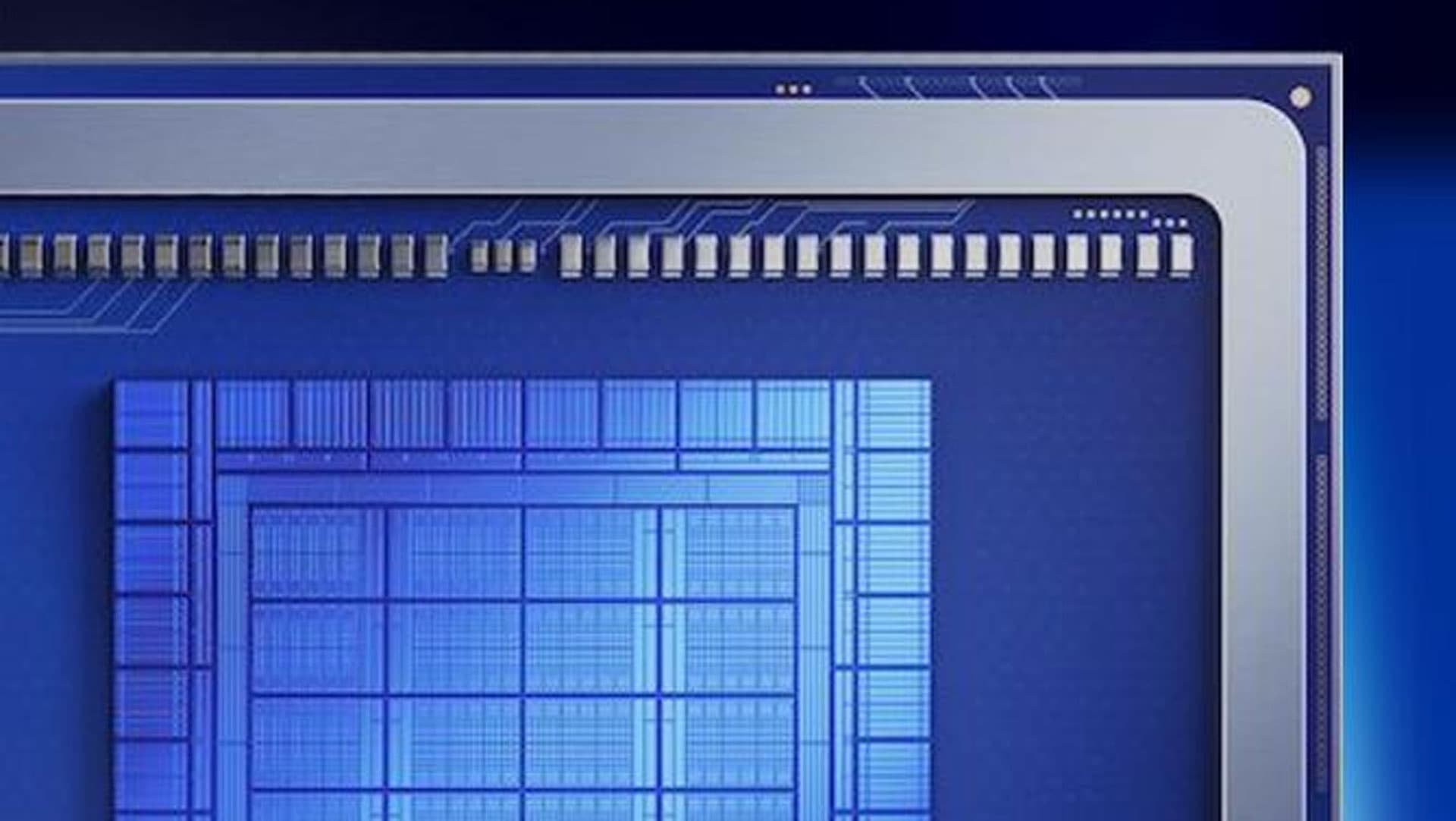
Intel used Computex to detail Crescent Island, its long-awaited AI GPU. The headline number: up to 480GB of LPDDR5X memory on partner boards. That's a departure from the HBM (high-bandwidth memory) that competitors use.
“Crescent Island isn't just a GPU; it's a recalibration of how we handle massive AI inference workloads by rethinking the memory hierarchy.”
— Pat Gelsinger, CEO of Intel
The LPDDR5X choice is controversial. Traditional HBM offers higher bandwidth but costs more and faces supply constraints. Intel is betting that LPDDR5X's lower cost and better availability will win over enterprise buyers running inference workloads, where raw bandwidth matters less than capacity.
Discussion on r/hardware and Hacker News has been skeptical. Some praise the potential cost benefits. Others question whether LPDDR5X can truly match HBM performance in high-demand enterprise environments.
Intel's Data Center Roadmap
Intel also announced two Xeon processor lines. The Xeon 6+ "Clearwater Forest" chips pack up to 288 Efficient-cores and use Intel's 18A process node. They're designed for dense data center deployments.
The Xeon 7 "Diamond Rapids" CPUs will launch in 2027 on Intel 18A-P. These target high-performance enterprise workloads and represent Intel's next-generation data center platform.
AMD Confirms Long-Term AM5 Support, Revives 5800X3D
AMD made two announcements that will please enthusiasts. First, the company confirmed AM5 socket support through 2029. Anyone who invested in a new motherboard gets at least four more years of CPU upgrades.
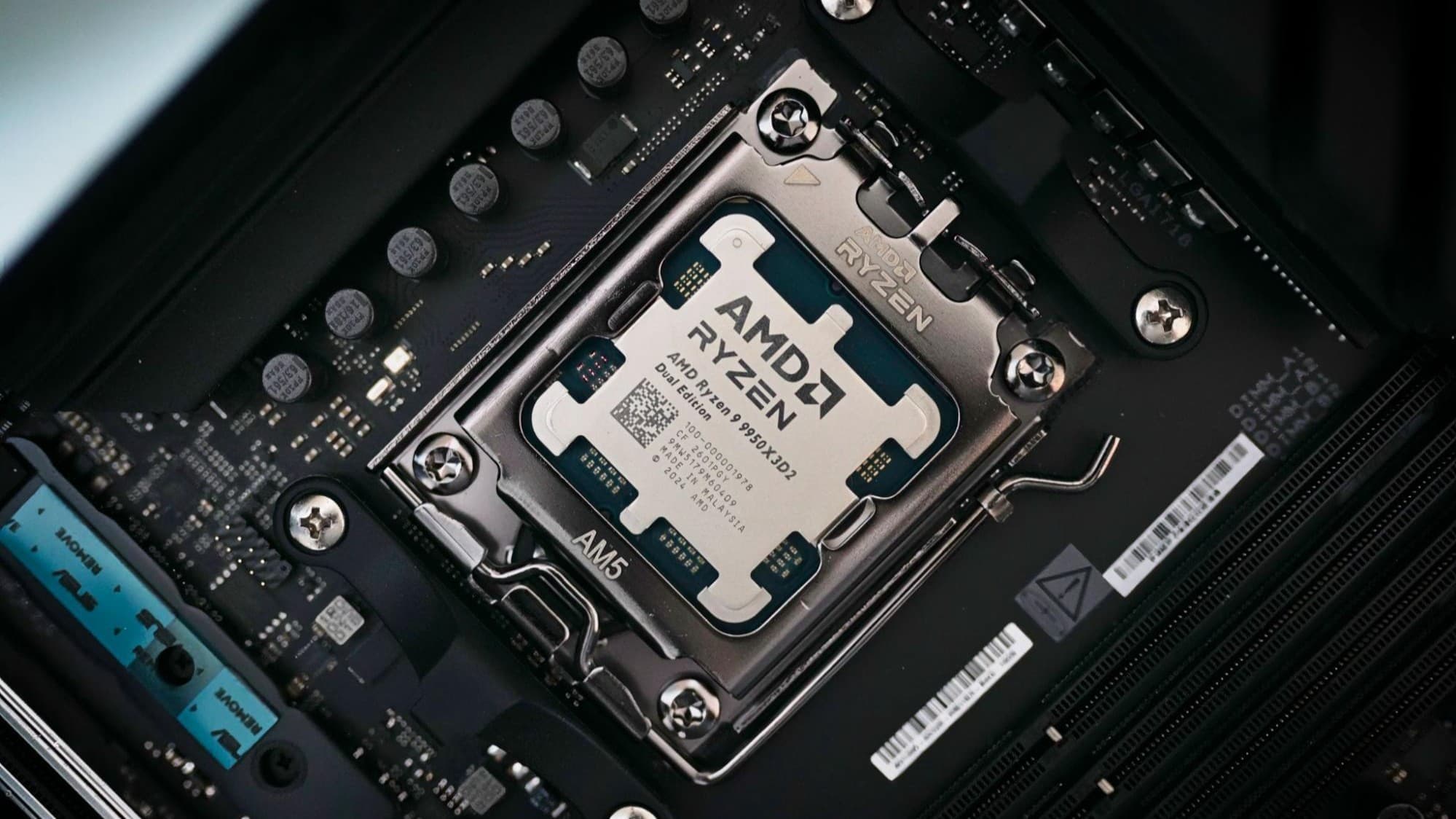
Second, AMD brought back the Ryzen 7 5800X3D. The chip was discontinued last year but proved so popular that AMD revived production. Alongside it, the company launched the Ryzen 7 7700X3D.
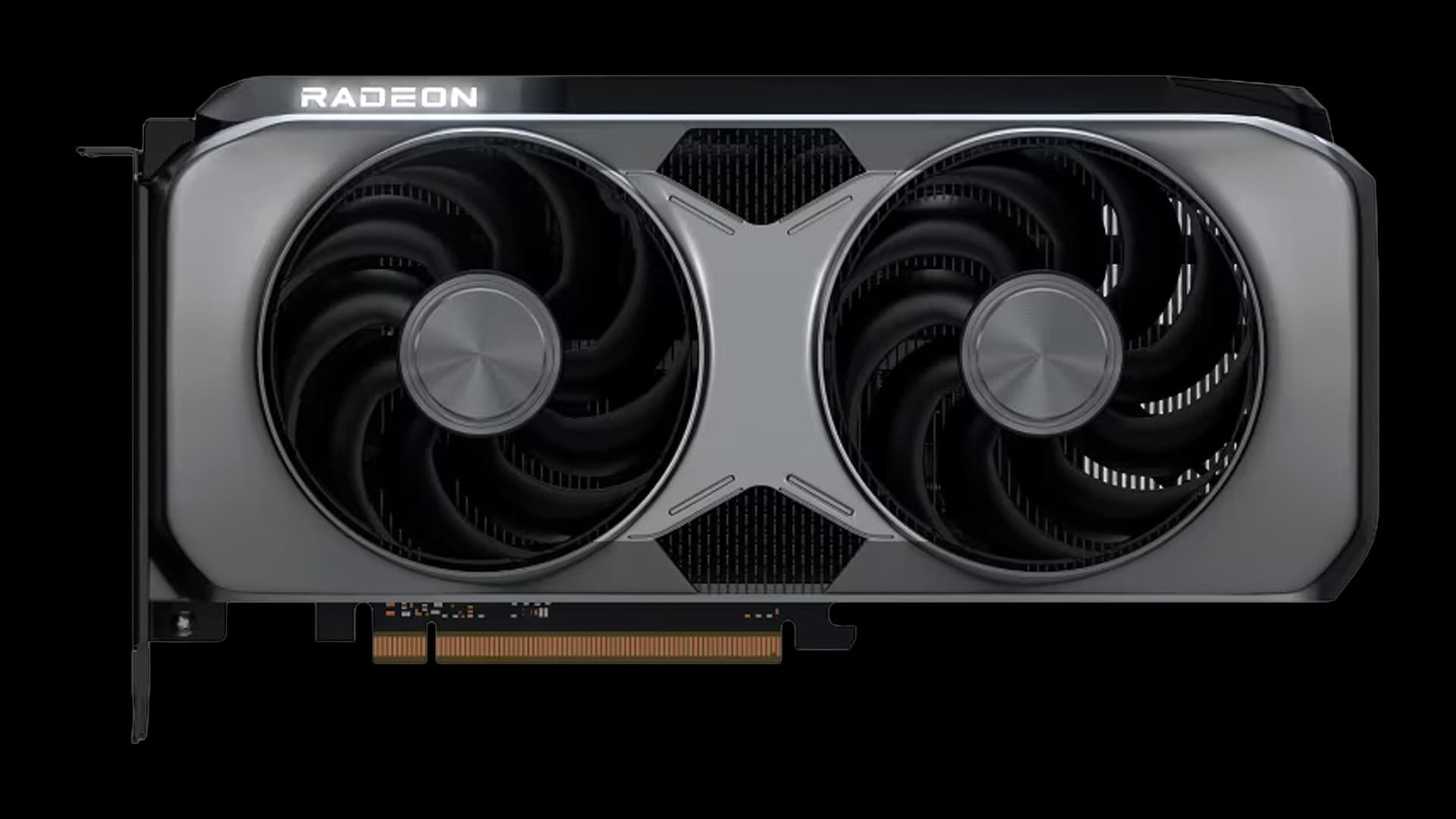
AMD also announced that the Radeon RX 9070 GRE, previously a China-exclusive card, will go global on June 2 for $549. It fills a gap in AMD's GPU lineup between the standard 9070 and older models.
Full details on AMD's revived and new X3D processors
Other Notable Announcements
- Dell XPS 13 targets MacBook Neo with Intel's Wildcat Lake processor
- Alienware debuted 39-inch and 34-inch OLED gaming monitors
- Microsoft Surface Laptop Ultra pairs RTX Spark with 128GB RAM
What It All Means
Computex 2026's first day made one thing clear: the industry is preparing for AI that runs locally. Nvidia's 1 petaflop laptop chip, Intel's 480GB AI GPU, and AMD's long-term platform commitments all point toward a future where your device handles complex AI tasks without sending data to distant servers.
The trade show continues through the week. More announcements are expected from motherboard makers, peripheral companies, and storage vendors.

Logicity's Take
Day one of Computex showed that Nvidia, Intel, and AMD are all-in on local AI processing. The real competition isn't just performance specs. It's about who can deliver the right balance of memory capacity, power efficiency, and price. Enterprises evaluating their next hardware refresh should watch how Intel's LPDDR5X bet plays out against Nvidia's more traditional approach.
Frequently Asked Questions
What is the Nvidia RTX Spark Superchip?
The RTX Spark is Nvidia's new Windows on Arm platform for laptops and desktops. It combines 20 Arm CPU cores with a Blackwell GPU featuring 6144 CUDA cores, up to 128GB of LPDDR5X RAM, and 1 petaflop of AI computing power.
Why is Intel using LPDDR5X instead of HBM for Crescent Island?
Intel is betting that LPDDR5X's lower cost and better availability will appeal to enterprises running AI inference workloads. While HBM offers higher bandwidth, LPDDR5X allows for up to 480GB of memory capacity at a lower price point.
How long will AMD support the AM5 socket?
AMD confirmed at Computex 2026 that AM5 will be supported through 2029. This gives users at least four more years of CPU upgrade options on their current motherboards.
When does Computex 2026 take place?
Computex 2026 began on June 1, 2026 in Taipei, Taiwan. The trade show runs for several days with announcements from major hardware manufacturers.
Need Help Implementing This?
Planning your organization's AI hardware strategy or evaluating new chip architectures for your data center? Logicity's team can help you navigate these announcements and their implications for your infrastructure. Reach out to discuss your specific requirements.
Source: Latest from Tom's Hardware
Huma Shazia
Senior AI & Tech Writer
Produced with AI assistance and reviewed by the Logicity editorial team. Learn more in our Editorial Policy.