Key Takeaways
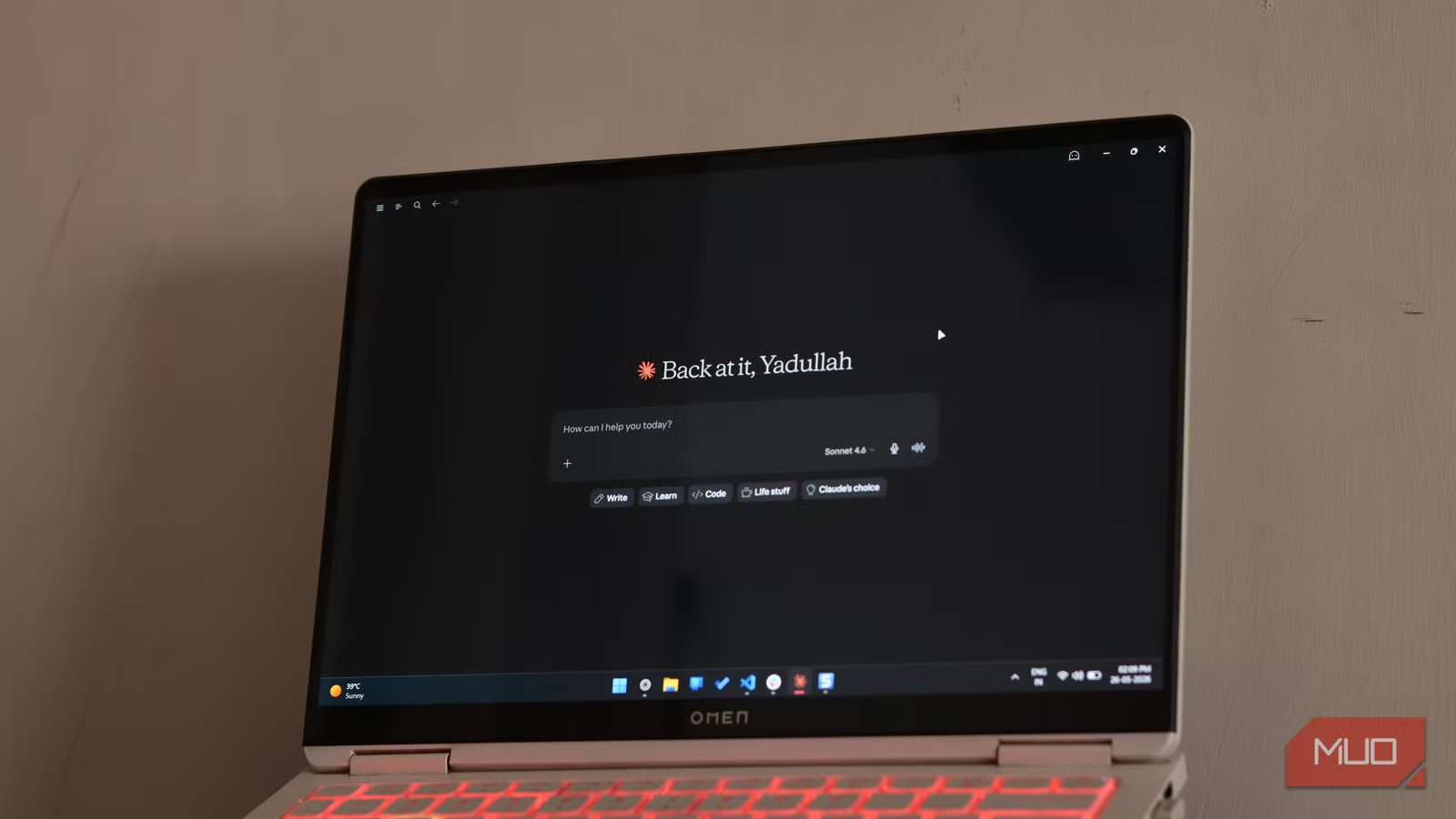
- Claude Artifacts render live HTML, React components, and SVGs directly in the chat interface
- Users report 40% reduction in context-switching time between apps
- Artifacts now support 20MB persistent storage, enabling stateful mini-applications
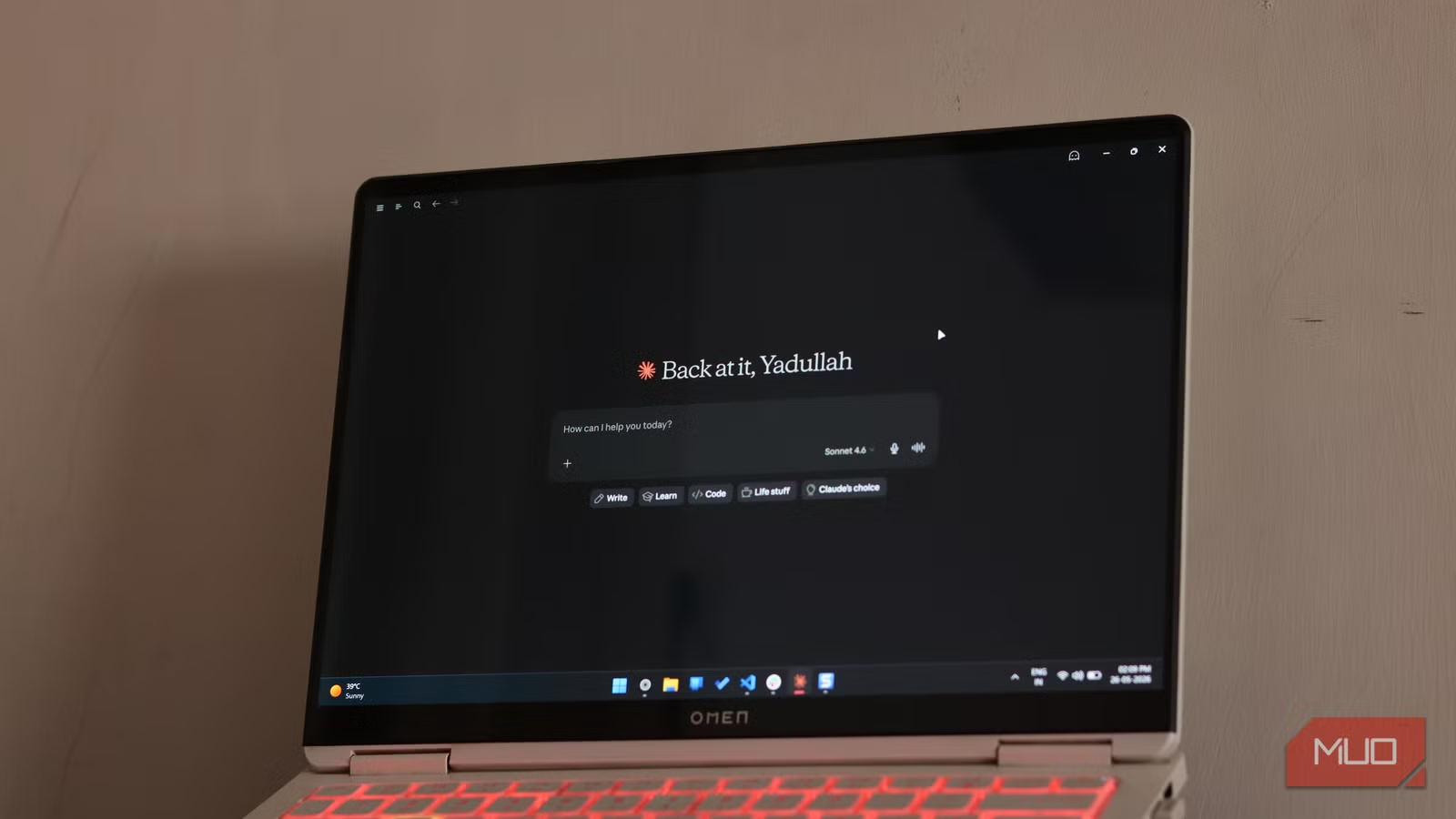
If your workflow looks like a cluttered desk with a text editor, browser, terminal, and IDE all fighting for screen space, you're not alone. Every app switch costs time. More importantly, it costs momentum. Yadullah Abidi, a staff writer at MakeUseOf and full-stack developer, recently documented how Claude's artifact system collapsed his fragmented toolchain into a single interface.
What Claude Artifacts actually do
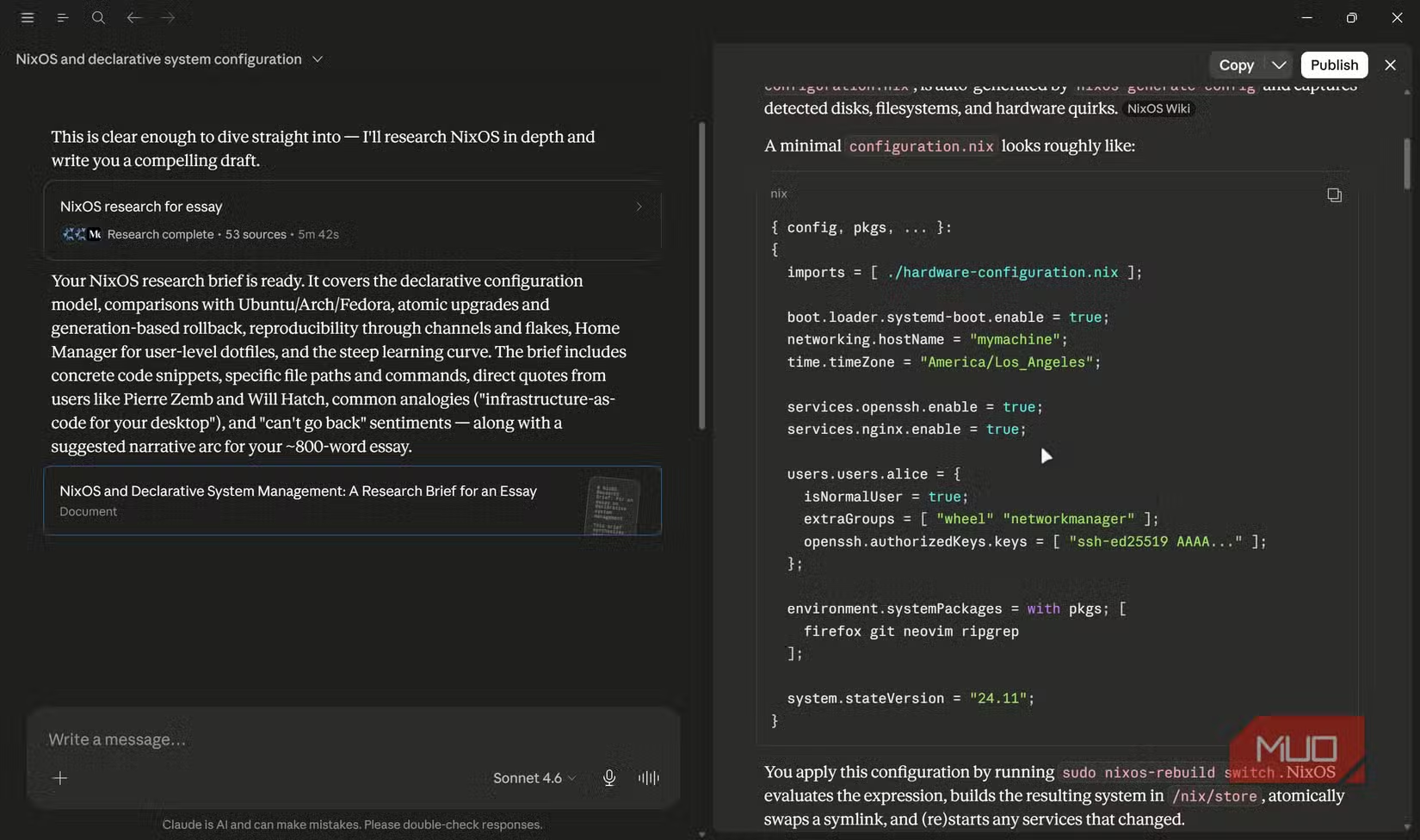
Claude artifacts are self-contained outputs that render inside the conversation window. Instead of copying code, pasting it into a local file, and running it somewhere else, you get a live preview. An HTML page. A React component. A functional SVG. All inside the chat.
This sounds minor until you've tried iterating on a UI component. The traditional loop goes: ask AI for code, copy it, paste into your editor, run a local server, check the result, switch back to the chat, request changes, repeat. Artifacts cut that to: ask, see the result, request changes.

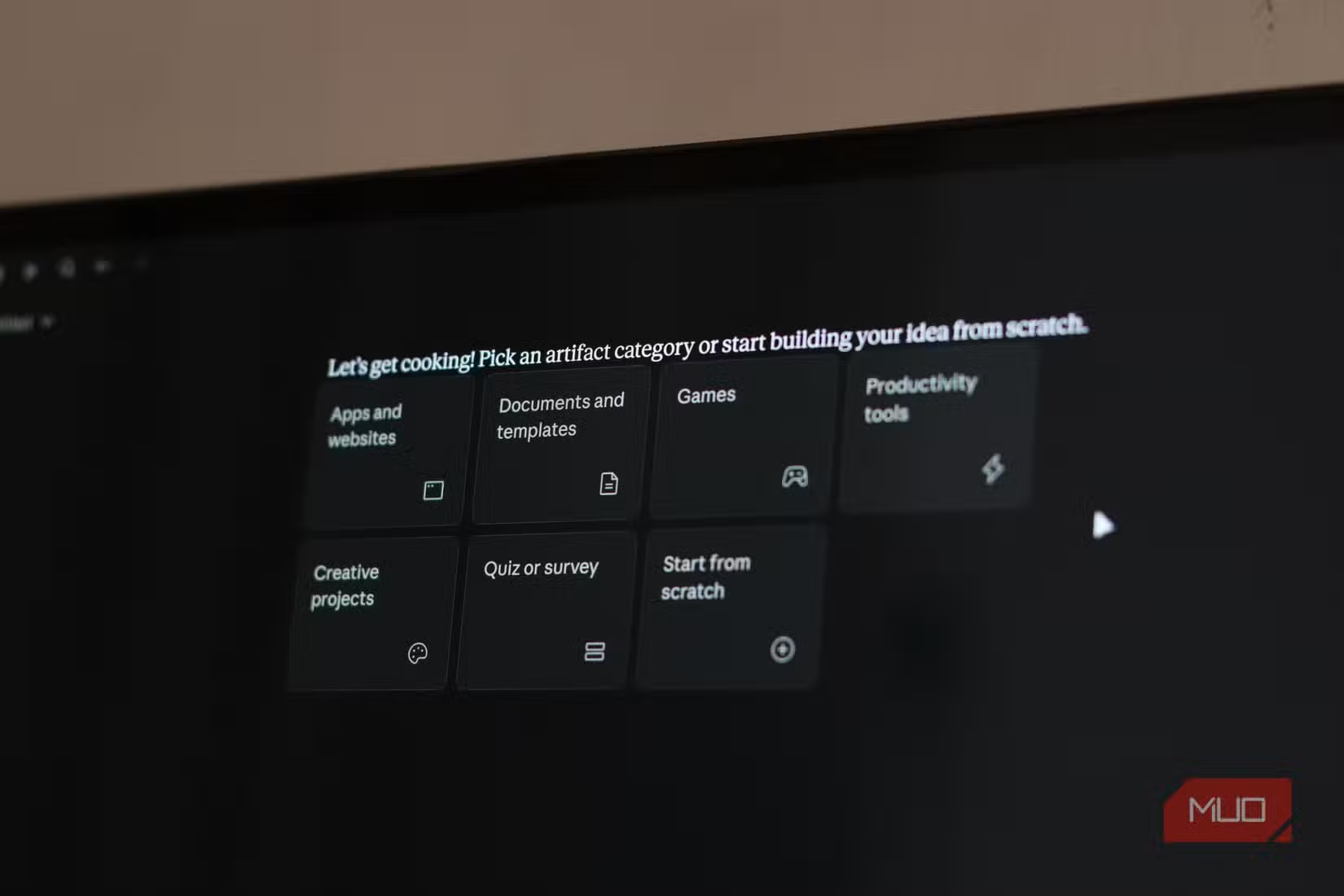
Claude offers categories when creating a new artifact: apps and websites, games, documents and templates, productivity tools, creative projects, or a blank slate. Pick one, answer a few follow-up questions, and the system generates an interactive output you can refine in real time.
From preview window to workspace
Artifacts started as a sandbox for viewing code snippets. They've grown into something closer to an operating environment. By integrating the Model Context Protocol (MCP) and adding persistent storage, artifacts now function as live dashboards and mini-applications.
That 20MB cap might seem modest, but it's enough to build a personal CRM, an invoice tracker, or a project dashboard. The storage persists between sessions, so your artifact doesn't reset every time you open Claude.
“We aren't just building chat interfaces anymore; we are building operating systems for the individual knowledge worker.”
— Dario Amodei, CEO at Anthropic
Elena Rossi, a principal product designer, put it more bluntly: "Artifacts have moved from a 'nice to have' preview window to becoming the central workspace where my entire business logic resides."
The numbers on context-switching
Usage data shows a 40% reduction in time spent switching between SaaS apps for users who moved their workflows to MCP-linked artifacts. Anthropic also reports a 3x increase in daily active "power users" who treat artifacts as their primary interface for managing project data.
These aren't developers tinkering on weekends. They're people using Claude as their main work surface. The artifact isn't a demo they discard. It's the tool they ship.
What developers are building
HackerNews discussions have shifted from skepticism about "transient AI output" to active engineering. Developers share templates for CRMs, automated invoice processing, and personal health trackers. Reddit threads compare the shift to early personal computing, noting that spinning up a custom tool in seconds without deployment infrastructure changes what's possible for solo founders.
For readers evaluating design tools alongside AI-assisted workflows
The appeal is obvious: no servers to provision, no deployment pipeline to maintain, no separate database to configure. You describe what you want, Claude builds it, and you use it. If something breaks, you fix it in conversation.
Limitations worth knowing
Artifacts aren't a replacement for production infrastructure. They're sandboxed to the Claude interface. You can't deploy an artifact to your own domain or connect it to external databases without MCP integrations. Complex applications still need traditional development.
The 20MB storage limit also constrains what's feasible. A lightweight CRM works. A media library doesn't. And while artifacts persist, they're tied to your Claude account. There's no export-to-standalone-app button.
For readers following how AI is reshaping personal computing interfaces
Who benefits most
Solo developers and small teams get the clearest advantage. If you're building internal tools, prototyping features, or automating personal workflows, artifacts eliminate the friction of traditional development. You can test ideas in minutes instead of hours.
Larger organizations might use artifacts for rapid prototyping before handing off to engineering. A product manager could mock up a working dashboard in conversation, get stakeholder feedback, then pass the artifact to developers as a functional spec.
Logicity's Take
Frequently Asked Questions
What are Claude Artifacts?
Self-contained outputs like HTML pages, React components, and documents that render directly inside Claude's chat window, allowing users to interact with and iterate on them without switching apps.
Do Claude Artifacts save between sessions?
Yes. Artifacts now support up to 20MB of persistent storage per artifact, so your data and configurations remain intact when you return.
Can I deploy a Claude Artifact to my own website?
Not directly. Artifacts are sandboxed within Claude's interface. You can copy the generated code for external deployment, but there's no one-click export to a custom domain.
What's the Model Context Protocol (MCP)?
MCP is Anthropic's system for connecting Claude to external data sources and applications, enabling artifacts to pull in live data and interact with other services.
Need Help Implementing This?
Source: MakeUseOf
Manaal Khan
Tech & Innovation Writer
Produced with AI assistance and reviewed by the Logicity editorial team. Learn more in our Editorial Policy.