Key Takeaways
- Image generation costs drop to $0.006 per image at low quality, making AI-generated visuals viable for high-volume marketing
- Reasoning mode enables 8 consistent images from one prompt, potentially replacing multi-hour photoshoot workflows
- API pricing makes enterprise integration feasible at scale without unpredictable cost spikes
According to [The Decoder](https://the-decoder.com/openais-chatgpt-images-2-0-thinks-before-it-generates-adding-reasoning-and-web-search-to-image-creation/), OpenAI's ChatGPT Images 2.0 represents a fundamental shift in graphic generation by adding reasoning and web search capabilities to the image creation process. The model can now generate up to eight consistent images from a single prompt while handling text—especially non-Latin scripts—significantly better than previous versions.
For business leaders, the headline isn't the technology. It's the economics. At $0.006 per image, you're looking at a 95%+ cost reduction compared to stock photography subscriptions and a complete restructuring of how marketing teams produce visual content. But the real question isn't whether AI can make pictures. It's whether your organization is ready to absorb the operational changes that come with it.
How Much Does ChatGPT Images 2.0 Cost for Enterprise Use?
Let's cut to the numbers your CFO will ask about. OpenAI's pricing structure is token-based through the API, which translates to predictable per-image costs that scale linearly with usage. Unlike subscription models where you pay regardless of consumption, this is pure pay-as-you-go.
| Quality Level | 1024x1024 | 1024x1536 | Typical Use Case |
|---|---|---|---|
| Low | $0.006 | $0.005 | Social media posts, internal comms |
| Medium | $0.053 | $0.041 | Blog headers, presentations |
| High | $0.211 | $0.165 | Print materials, hero images |
Here's what makes this interesting for budget planning: larger resolutions actually cost less per image. A 1024x1536 image at high quality runs $0.165 compared to $0.211 for 1024x1024. That's counterintuitive, but it means you can optimize spending by batching similar-resolution requests.
Compare this to your current creative costs. A single custom graphic from a freelance designer runs $50-200. A stock photo subscription costs $200-500/month for limited downloads. If your marketing team produces 100 images monthly, you're looking at AI costs of $0.60 to $21 depending on quality—versus potentially thousands in traditional workflows.
What Is Reasoning Mode and Why Should CEOs Care?
The technical breakthrough here is that ChatGPT Images 2.0 "thinks" before it generates. The model spends variable time reasoning through your prompt, can search the web for reference information, and then produces output. This isn't just faster image creation—it's smarter image creation.
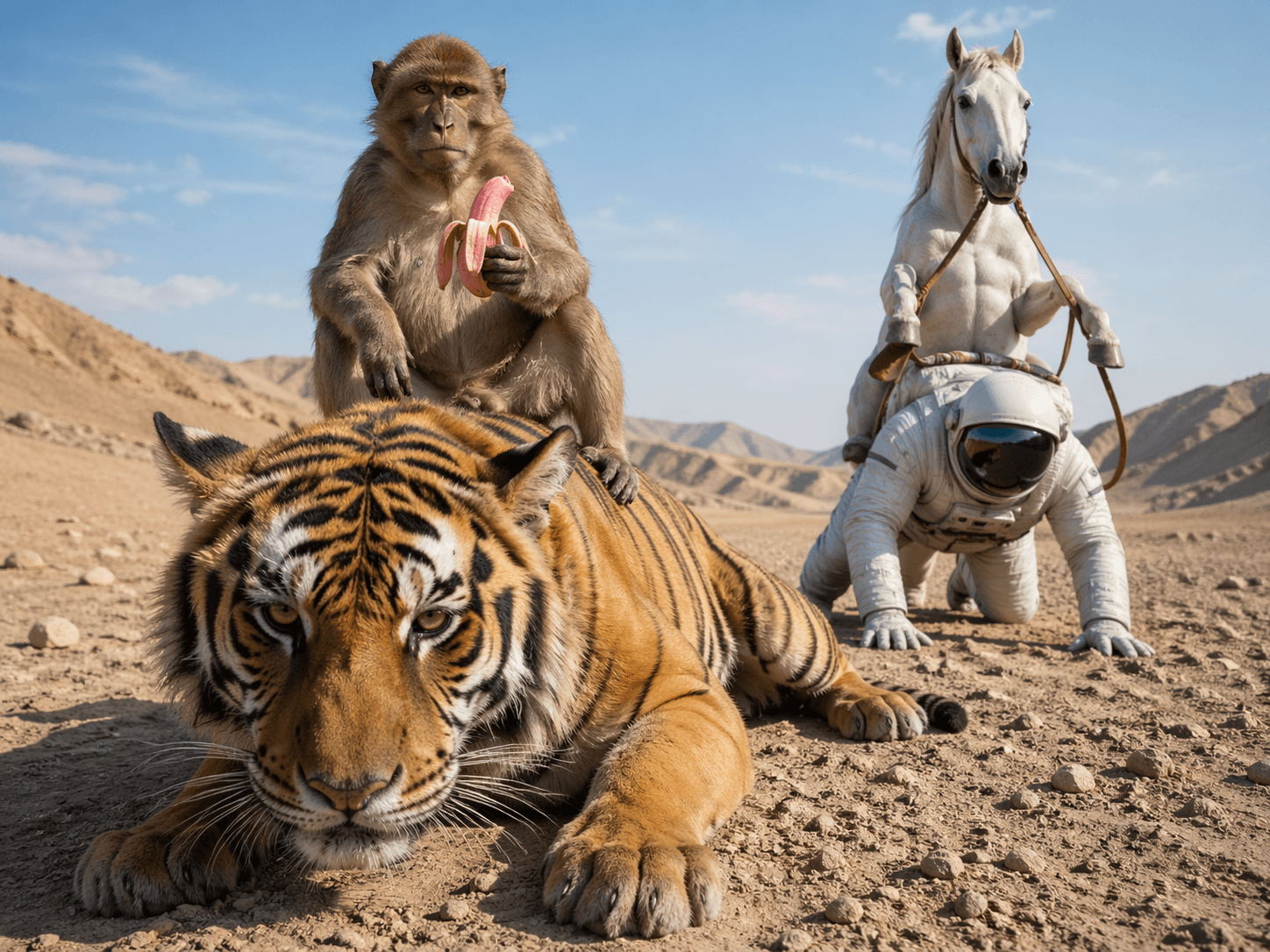
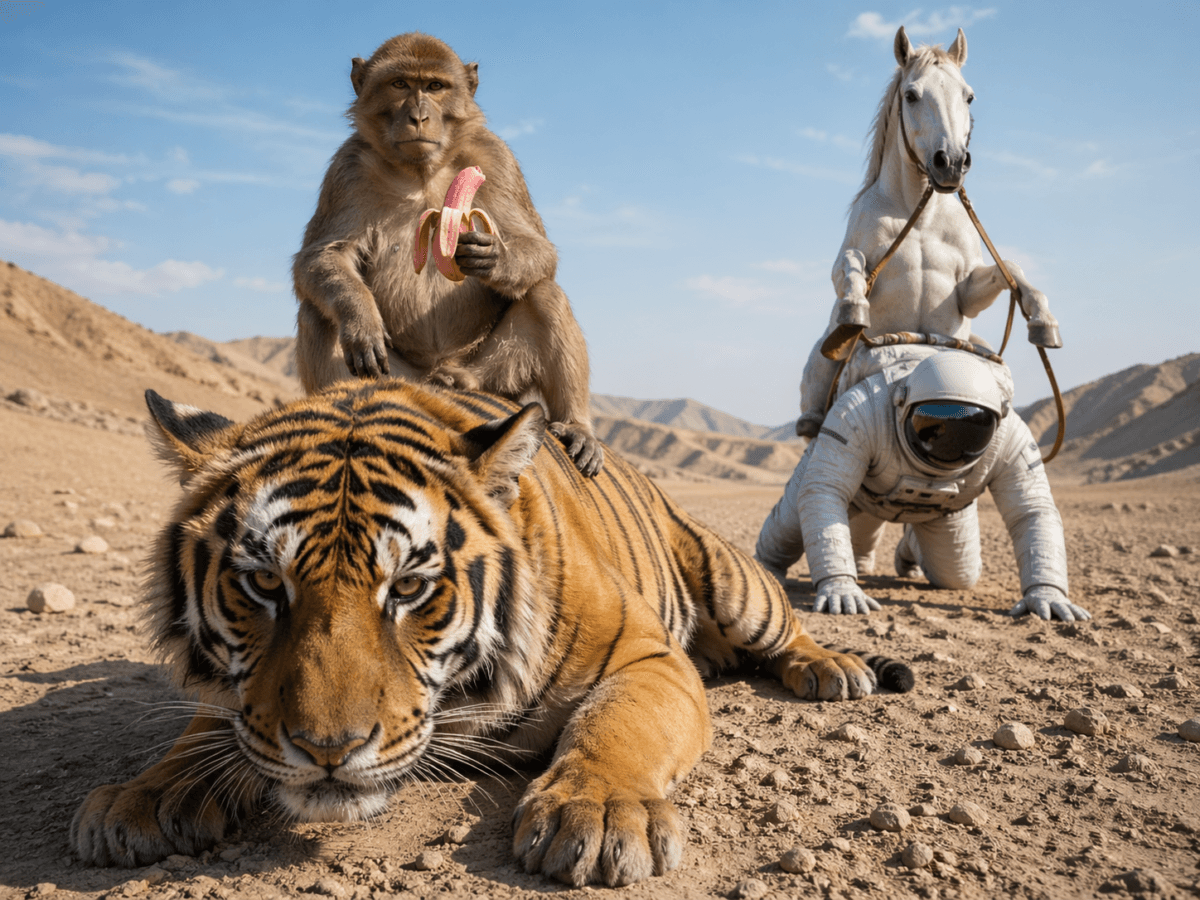
For business applications, reasoning mode solves the biggest complaint about AI-generated images: inconsistency. Previous tools required extensive prompt engineering and multiple regenerations to get usable results. With reasoning enabled, the model can generate up to eight images from a single prompt while maintaining consistent characters, objects, and styles across all outputs.
Executive Summary: Reasoning Mode
Think of it as the difference between asking an intern to "make some social graphics" versus briefing a senior designer who asks clarifying questions and delivers a coherent campaign. The AI now does the clarifying internally before producing output.
The catch: extended thinking is only available to ChatGPT Plus, Pro, and Business users. If you're evaluating this for enterprise deployment, factor in subscription costs alongside per-image API pricing. The $200/month Pro tier might pay for itself in reduced iteration cycles.
ChatGPT Images 2.0 vs Previous AI Image Tools: What Changed?
If you've written off AI image generation after disappointing experiments with DALL-E or Midjourney, the improvements here are substantial enough to warrant re-evaluation. OpenAI specifically targeted the pain points that made previous tools impractical for business use.
- Text rendering: Previous models mangled text, making them useless for anything with copy. ChatGPT Images 2.0 handles small text, iconography, and non-Latin scripts reliably.
- UI elements: Creating mockups, app screenshots, or interface designs is now viable. Dense compositions with multiple elements render correctly.
- Consistency: Batch generation maintains style, character appearance, and brand elements across multiple images—critical for campaign work.
- Aspect ratios: Support ranges from 3:1 (banners) to 1:3 (mobile), with 2K resolution available through the API.
The model also shares core technology with Google's Nano Banana Pro, suggesting this "reasoning before generation" approach represents the new standard for enterprise-grade AI image tools. If you're building AI capabilities into your product roadmap, this architecture is worth understanding.
Real Business Use Cases: Where Does This Actually Add Value?
OpenAI's examples include manga generation and room design plans, which are nice demos but probably don't reflect your quarterly priorities. Here's where business leaders are finding practical ROI:

- Social media content at scale: E-commerce brands producing 50+ product-adjacent lifestyle images weekly without photographer costs.
- Presentation graphics: Consultants and sales teams generating custom visuals for client decks in minutes rather than days.
- A/B testing creative: Marketing teams producing 10 ad variations for the same campaign, testing at negligible incremental cost.
- Internal communications: HR and training departments creating custom illustrations for policy documents and onboarding materials.
- Rapid prototyping: Product teams visualizing concepts before investing in design resources.
The common thread: high-volume, moderate-quality image needs where speed and cost matter more than perfection. If you're producing hero images for a national campaign, you probably still want human designers. If you're producing 200 social posts monthly, the math changes dramatically.
Similar cost-disruption dynamics in creative industries
API Integration: What CTOs Need to Know
For technical leaders evaluating integration, the model is available via API under the name gpt-image-2. OpenAI's token-based pricing means you can build cost controls directly into your application logic—set per-user limits, quality tiers based on use case, or automatic fallback to lower quality when budgets run tight.
The pricing breakdown: $8 per million image input tokens, $30 per million image output tokens, with text tokens at $5 (input) and $10 (output) per million. Cached inputs cost less, so repeated similar requests become progressively cheaper—useful for template-based generation.
One technical detail worth noting: ChatGPT Images 2.0 can search the web during reasoning. This means outputs can incorporate current visual references, logos, or styles without manual prompt engineering. It also means you need clear policies on brand accuracy and fact-checking AI-generated content that claims to represent real things.
The Hidden Costs: What Doesn't Show Up in Pricing Tables
Before your marketing director starts planning headcount reductions, consider what AI image generation doesn't replace:

✅ Pros
- • Eliminates per-image variable costs for high-volume needs
- • Reduces turnaround from days to minutes
- • Removes scheduling dependencies on creative resources
- • Enables experimentation without budget constraints
❌ Cons
- • Quality review still requires human judgment
- • Brand consistency needs active management
- • Legal review for likeness and IP issues remains necessary
- • Training and prompt optimization has learning curve
- • Integration and workflow changes require change management
The organizations seeing best results aren't replacing designers—they're repositioning them. Junior designers move from production to quality control and prompt engineering. Senior designers focus on brand strategy and complex creative that AI can't handle. The total creative capacity increases while the team composition shifts.
Relevant considerations for AI-generated content in business contexts
Implementation Timeline: How Long Before You See ROI?
Based on early enterprise deployments, expect a 60-90 day timeline to meaningful ROI:
The biggest variable is organizational readiness. Teams comfortable with AI tools adopt faster. Teams with rigid creative approval processes need more change management. Budget the human time accordingly.
Frequently Asked Questions
Frequently Asked Questions
Is ChatGPT Images 2.0 worth the investment for small businesses?
At $0.006 per image, the direct costs are negligible for any business producing more than a handful of images monthly. The real investment is time spent learning prompt engineering and integrating AI into existing workflows. For teams producing 50+ images monthly, expect positive ROI within 60 days.
Can ChatGPT Images 2.0 replace our graphic design team?
Not entirely. AI excels at high-volume, template-adjacent work: social posts, presentation graphics, internal communications. Complex creative, brand strategy, and quality control still require human expertise. Most organizations report team restructuring rather than reduction—shifting designers from production to oversight and strategy.
What's the difference between ChatGPT Images 2.0 and Midjourney for business use?
ChatGPT Images 2.0 offers better text rendering, consistent multi-image generation, and API access for integration. Midjourney excels at artistic quality for hero images. For volume production with brand consistency needs, ChatGPT's reasoning mode and API pricing typically win. For one-off creative excellence, Midjourney remains competitive.
Are there legal risks with AI-generated images in marketing?
Yes. Key concerns include unintentional likeness to real people, trademark issues if web search pulls branded references, and evolving copyright questions around AI training data. Establish review processes before scaling, and consult legal counsel on your specific use cases.
How does reasoning mode affect generation speed?
Reasoning adds variable processing time—anywhere from seconds to a minute depending on prompt complexity. For batch operations via API, this is usually acceptable. For real-time user-facing applications, factor latency into UX design. The quality improvement typically justifies the wait.
Logicity's Take
We've been integrating AI image generation into client workflows for over a year now, and ChatGPT Images 2.0 addresses the specific pain points that made previous tools impractical for production use. The text rendering improvements alone remove a major blocker for marketing teams. From our experience building AI-powered applications with Claude and OpenAI APIs, the token-based pricing model is the right approach for enterprise adoption. It allows us to build cost controls directly into application logic, which CFOs love. We've seen clients go from skeptical pilots to full production rollouts once they can predict and cap spending. The reasoning mode is particularly interesting from an integration standpoint. Being able to generate consistent image sets from single prompts means fewer API calls and simpler orchestration code. For Indian businesses looking at this technology, the web search capability during generation is worth careful evaluation—it's powerful for accuracy but introduces unpredictability that needs governance. Our honest assessment: this is ready for high-volume, moderate-stakes use cases. Social content, internal communications, rapid prototyping. For brand-critical hero creative, we still recommend human designers with AI assistance rather than full automation.
Need Help Implementing This?
Logicity helps businesses integrate AI tools into existing workflows without disrupting operations. From API integration and prompt engineering to change management and ROI measurement, we've guided organizations through AI adoption that actually delivers results. Contact us to discuss your specific use case.
Source: The Decoder / Matthias Bastian
Expanded Language Support, Aspect Ratios, and Updated Knowledge Base
The new article highlights support for non-English text generation (specifically Chinese and Hindi) and expanded customization options for aspect ratios ranging from 3:1 to 1:3. Additionally, it specifies a knowledge cutoff date of December 2025 and notes the model's availability for Codex users.
Manaal Khan
Tech & Innovation Writer
Produced with AI assistance and reviewed by the Logicity editorial team. Learn more in our Editorial Policy.