Key Takeaways
- Duolingo now offers job-ready B2 language proficiency for free across 9 languages
- Companies could save $200-500 per employee annually on language training subscriptions
- Research shows second language skills can boost employability by up to 50%
According to [TechCrunch](https://techcrunch.com/2026/04/22/duolingo-is-now-giving-free-users-access-to-advanced-learning-content-that-was-previously-reserved-for-paid-subs/), Duolingo has opened its advanced B2-level language learning content to free users across nine languages, positioning itself as the only app offering job-ready language proficiency at no cost.
If you're running L&D budgets or making decisions about global workforce development, this announcement deserves your attention. Not because it's another edtech feature launch, but because it fundamentally changes what "free" means in corporate language training.
What Does Duolingo Free Advanced Content Actually Include?
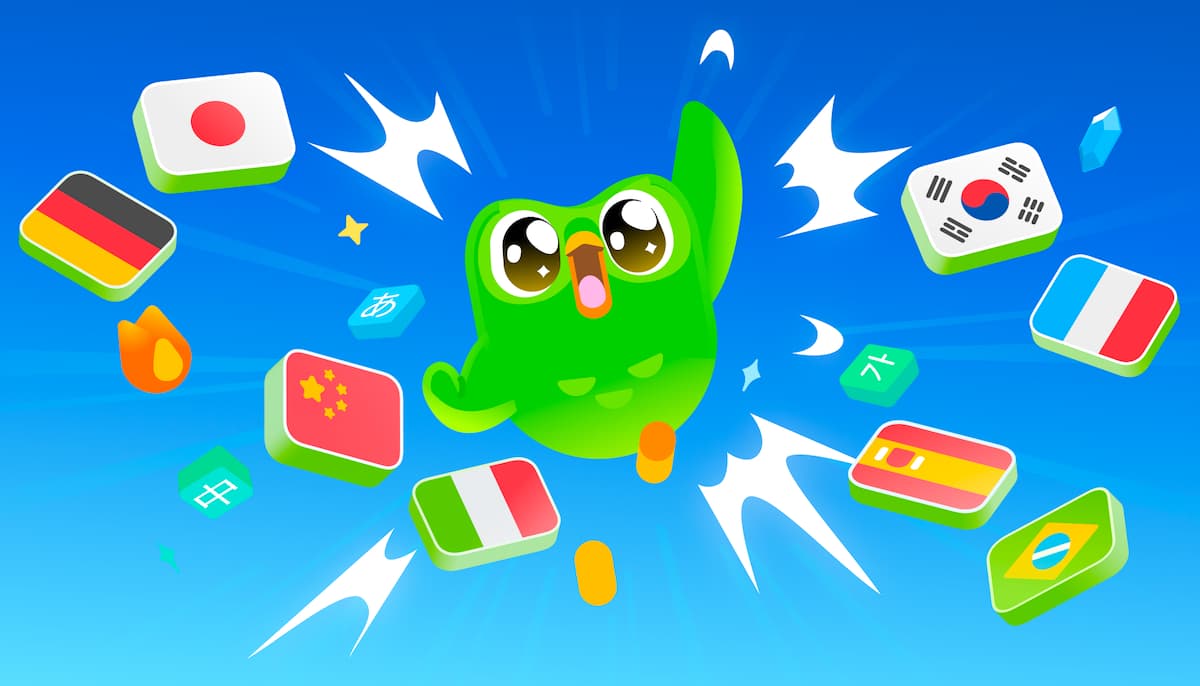
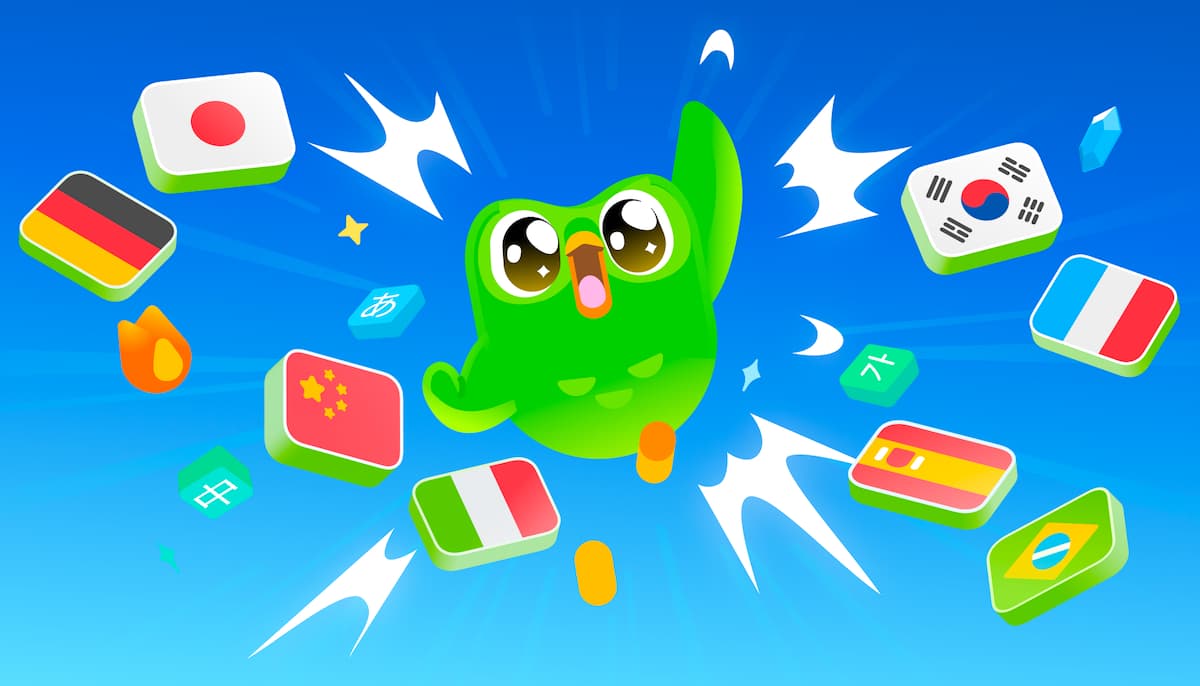
The upgrade covers nine languages: English, Spanish, French, German, Italian, Portuguese, Japanese, Korean, and Chinese. That's not a random selection. These are the languages that dominate global business communication, international hiring, and cross-border expansion.
The B2 level on the Common European Framework of Reference (CEFR) isn't beginner territory. It's the threshold where someone can handle complex workplace conversations, understand specialized vocabulary, and function independently in a business environment. Schools and employers worldwide recognize CEFR as the standard for measuring language competency.
- Advanced Stories: Reading comprehension with materials that don't use translations as a crutch
- DuoRadio: Podcast-style audio content for listening skills in professional contexts
- Complex scenarios: Practice for job interviews, business negotiations, and professional communication
- Specialized vocabulary: Industry-specific terms that actually matter in workplace settings
Previously, Duolingo's free tier capped at A2 or B1 levels. That's fine for ordering coffee in Barcelona. It's not enough for conducting a sales call with a prospect in São Paulo.
How Much Can Companies Save on Language Training?
Let's talk numbers. Corporate language training isn't cheap. Traditional programs from providers like Berlitz or Rosetta Stone for Business can run $500-2,000 per employee annually. Even subscription-based alternatives like Babbel for Business typically cost $200-400 per seat per year for full access.
| Platform | B2 Content Access | Annual Cost Per User | Languages Available |
|---|---|---|---|
| Duolingo (Free) | Now included | $0 | 9 major languages |
| Duolingo Max | Included + AI features | $168/year | 9 major languages |
| Babbel | Requires paid subscription | $150-300/year | 14 languages |
| Busuu | Requires paid subscription | $120-200/year | 14 languages |
| Rosetta Stone | Requires paid subscription | $200-400/year | 25 languages |
For a company with 100 employees who need language skills, the difference between paid platforms and Duolingo's new free tier could mean $15,000-40,000 in annual savings. That's real budget you can redirect toward other L&D initiatives or headcount.
Why Is Duolingo Giving Away Premium Content?
Free is never really free. Duolingo's business model has always been freemium, and this move is a calculated expansion of that strategy. By removing the paywall on advanced content, they're betting on two things.
First, they're capturing market share from competitors like Babbel and Busuu who still require paid subscriptions for B2 content. When you're the only free option for job-ready language skills, you become the default recommendation.
Second, they're creating a larger funnel for their premium Duolingo Max subscription, which offers AI-powered features like roleplay conversations and detailed explanations. Once users hit the limits of free content or want faster progress, the upgrade becomes attractive.
For business leaders, this competitive dynamic works in your favor. Whether your employees stick with free or some eventually upgrade, the baseline cost of achieving professional-level language skills just dropped to zero.
Should HR Teams Recommend Duolingo for Workforce Development?
The short answer: yes, with caveats. Duolingo's gamified approach works well for self-motivated learners who can commit to daily practice. The app's streak system and bite-sized lessons fit into busy schedules better than traditional classroom training.
✅ Pros
- • Zero cost for B2-level proficiency in major business languages
- • Mobile-first design fits into employee routines
- • Gamification drives consistent engagement
- • CEFR-aligned curriculum recognized by employers globally
- • Available on web, iOS, and Android
❌ Cons
- • No live instructor interaction or feedback
- • Self-paced learning requires employee discipline
- • Limited to 9 languages (competitors offer more)
- • No certification or formal credentials included
- • Business-specific vocabulary may need supplementation
The key consideration: Duolingo works best as a foundation, not a complete solution. For employees who need industry-specific terminology in finance, legal, or healthcare, you may still need supplemental training. But as a free baseline that gets people to conversational fluency, it's now hard to beat.
AI tools are transforming how teams learn and communicate across languages
How Does This Affect Global Hiring Strategies?
Here's where the strategic implications get interesting. Language barriers have traditionally limited talent pools for companies expanding internationally. If you needed Spanish-speaking customer support, you either hired native speakers or invested in expensive training programs.
Free B2-level training changes that equation. Companies can now hire promising candidates with basic language skills and support their development to professional fluency without budget constraints. This is particularly relevant for startups and mid-market companies that can't match enterprise training budgets.
The timing matters too. As the TechCrunch report notes, this launch comes when job markets remain competitive and growth has slowed. For job seekers, free access to professional-level language skills is a genuine differentiator. For employers, it means the talent pool just got deeper.
Strategic Implication
Companies expanding into Latin America, Europe, or Asia can now factor language training into hiring decisions differently. A strong candidate with A1 Spanish can reach B2 proficiency in 6-12 months of consistent Duolingo use, at zero direct cost.
Duolingo vs Babbel vs Busuu: Which Should Businesses Choose?
With Duolingo's free tier now competitive at the B2 level, the decision matrix for corporate language learning has shifted. Here's how the major platforms stack up for business use cases.
Duolingo's strength is accessibility and engagement. The app's design keeps users coming back, and the free B2 content removes budget conversations entirely. The weakness is limited customization for business contexts and no live instruction.
Babbel positions itself as more serious and structured, with grammar explanations and conversational focus. Their business product includes progress tracking and team management. But you're paying $150-300 per seat for features Duolingo now offers free.
Busuu offers CEFR-aligned courses and has a community feature where native speakers can provide feedback. However, their free tier is notably limited. You need paid access for grammar lessons and full course progression.
For most business applications, Duolingo's free tier is now the logical starting point. If employees need more structure or your company requires progress reporting and admin controls, evaluate Duolingo for Business or Babbel for Business as paid upgrades.
Strategic technology decisions require understanding both opportunities and risks
What's the ROI of Employee Language Training?
The American Council on the Teaching of Foreign Languages research cited in the announcement claims a 50% boost in employability from second language skills. That's a significant number, but let's translate it into business terms.
For customer-facing roles, language skills directly impact revenue. A sales rep who can conduct calls in a prospect's native language closes deals that monolingual competitors can't. A support agent who handles Spanish inquiries expands your addressable market.
For internal operations, multilingual employees reduce translation costs and accelerate cross-border collaboration. They catch nuances that machine translation misses and build relationships with international partners more effectively.
When the cost of developing these skills drops to zero, the ROI calculation becomes almost absurdly favorable. Even if only 20% of employees who start language learning reach professional fluency, the business benefit likely exceeds the time investment.
Implementation: How to Roll This Out to Your Team
If you're convinced this is worth pursuing, here's a practical approach for L&D teams and HR leaders.
- Identify roles where language skills create business value: sales, support, partnerships, international operations
- Survey current language proficiency and interest among target employees
- Create a recommended language learning program using Duolingo's free tier as the foundation
- Set realistic timelines: B2 proficiency typically requires 400-600 hours of study
- Consider light incentives for milestone achievement (course completion bonuses, public recognition)
- Track progress and evaluate whether paid upgrades or supplemental training are needed
The key is treating this as a supported initiative rather than just sharing an app link. Employees who feel accountable to a program complete more lessons than those learning in isolation.
Logicity's Take
From our perspective as an agency that works with clients across multiple regions, language capabilities matter more than most tech conversations acknowledge. We've seen firsthand how communication barriers slow down projects and create friction in international partnerships. Duolingo's move is smart competitive positioning, but the real story is what it signals about where the market is heading. Free access to professional-level skills puts pressure on every paid learning platform to justify their pricing. For Indian businesses expanding globally, this removes a genuine barrier. A developer in Hyderabad can now reach business-level Japanese or German proficiency without any subscription cost. That's not trivial when you're building relationships with clients in Tokyo or Berlin. The 9-language selection covers most business scenarios our clients encounter. We'd recommend combining Duolingo with industry-specific vocabulary resources and real conversation practice, but as a foundation, this is genuinely useful. The gamification works. Our team members who use it maintain streaks because the app is designed to be slightly addictive in a productive way.
Frequently Asked Questions
Frequently Asked Questions
Is Duolingo's free advanced content really equivalent to paid platforms?
For core language proficiency, yes. Duolingo's B2 content now covers the same CEFR level that Babbel and Busuu charge for. The main differences are in supplementary features like live instruction, admin controls for business accounts, and progress reporting, which still require paid tiers on any platform.
How long does it take to reach B2 proficiency on Duolingo?
CEFR estimates 400-600 hours of study to reach B2 from beginner level. With consistent daily practice of 20-30 minutes, that translates to roughly 2-3 years. Employees with existing language foundations can progress faster.
Should we still budget for paid language training platforms?
Consider paid options if you need team management features, progress analytics, or live instruction. For individual skill development where employees are self-motivated, Duolingo's free tier is now sufficient for most business language needs.
Which languages does Duolingo's free advanced content cover?
English, Spanish, French, German, Italian, Portuguese, Japanese, Korean, and Chinese. These nine languages cover most global business communication needs, though companies operating in other regions may need to look elsewhere.
Does Duolingo provide certificates that employers recognize?
Duolingo offers the Duolingo English Test, which some employers and universities accept. However, the standard app learning doesn't provide formal certification. For roles requiring documented proficiency, employees may still need separate CEFR or language-specific certification exams.
Smart equipment decisions, like language training, deliver outsized returns on modest investments
Need Help Implementing This?
Logicity helps businesses build efficient systems and workflows. If you're evaluating L&D technology or need help integrating learning tools with your existing HR systems, reach out. We can help you design an approach that fits your team's needs without overcomplicating things.
Source: TechCrunch / Lauren Forristal
Manaal Khan
Tech & Innovation Writer
Produced with AI assistance and reviewed by the Logicity editorial team. Learn more in our Editorial Policy.