Key Takeaways
- ChatGPT Pro subscribers ($200/month) in the US can now link bank and investment accounts through Plaid
- The AI can see balances, transactions, and liabilities but cannot make changes to accounts
- Users can opt out of having their financial data used for AI training
OpenAI is pushing ChatGPT deeper into personal territory. The company announced a preview feature that lets users connect their bank accounts directly to the chatbot through Plaid, the financial data platform used by 12,000 institutions including Chase, Fidelity, and Capital One.
The pitch: ChatGPT already handles 200 million monthly users asking finance questions. Now it can see your actual spending, not just answer hypotheticals.
What ChatGPT Can See
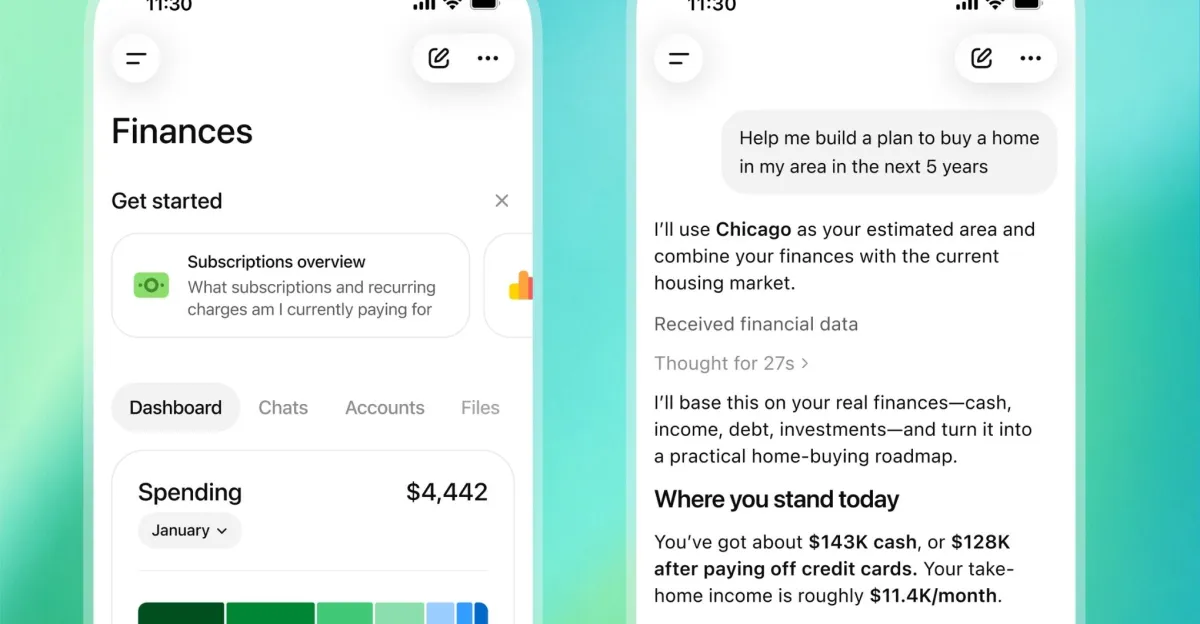
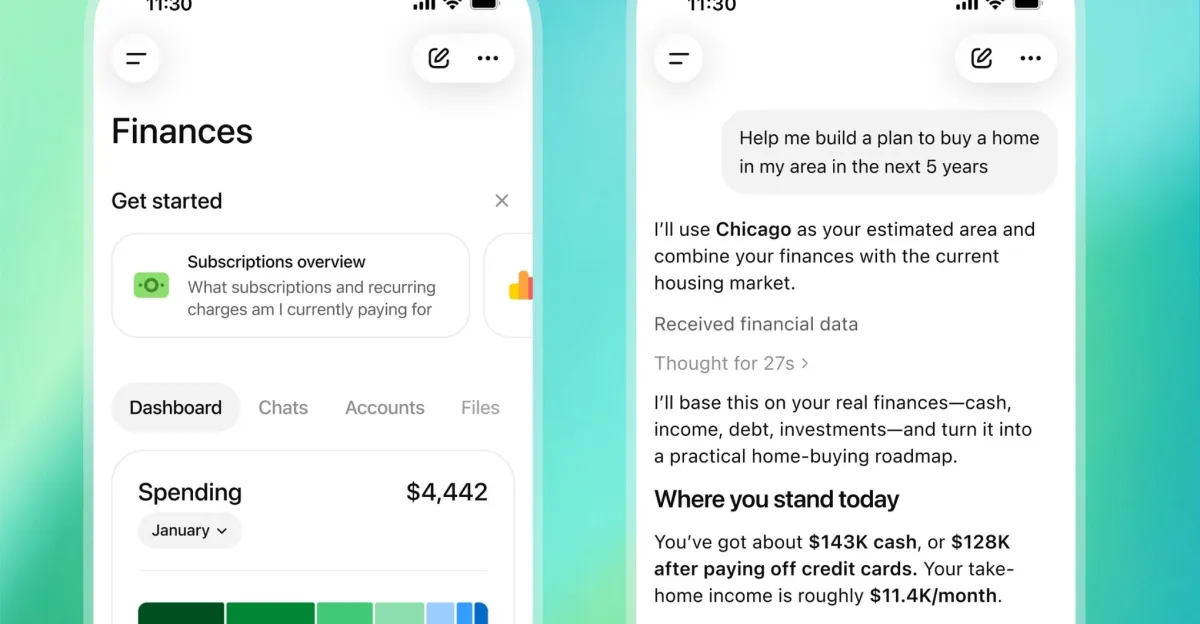
Once connected, ChatGPT gains access to your balances, transaction history, active subscriptions, and investment portfolios. It can also see liabilities like mortgages and credit card debt. The dashboard shows spending patterns and flags changes in your habits.
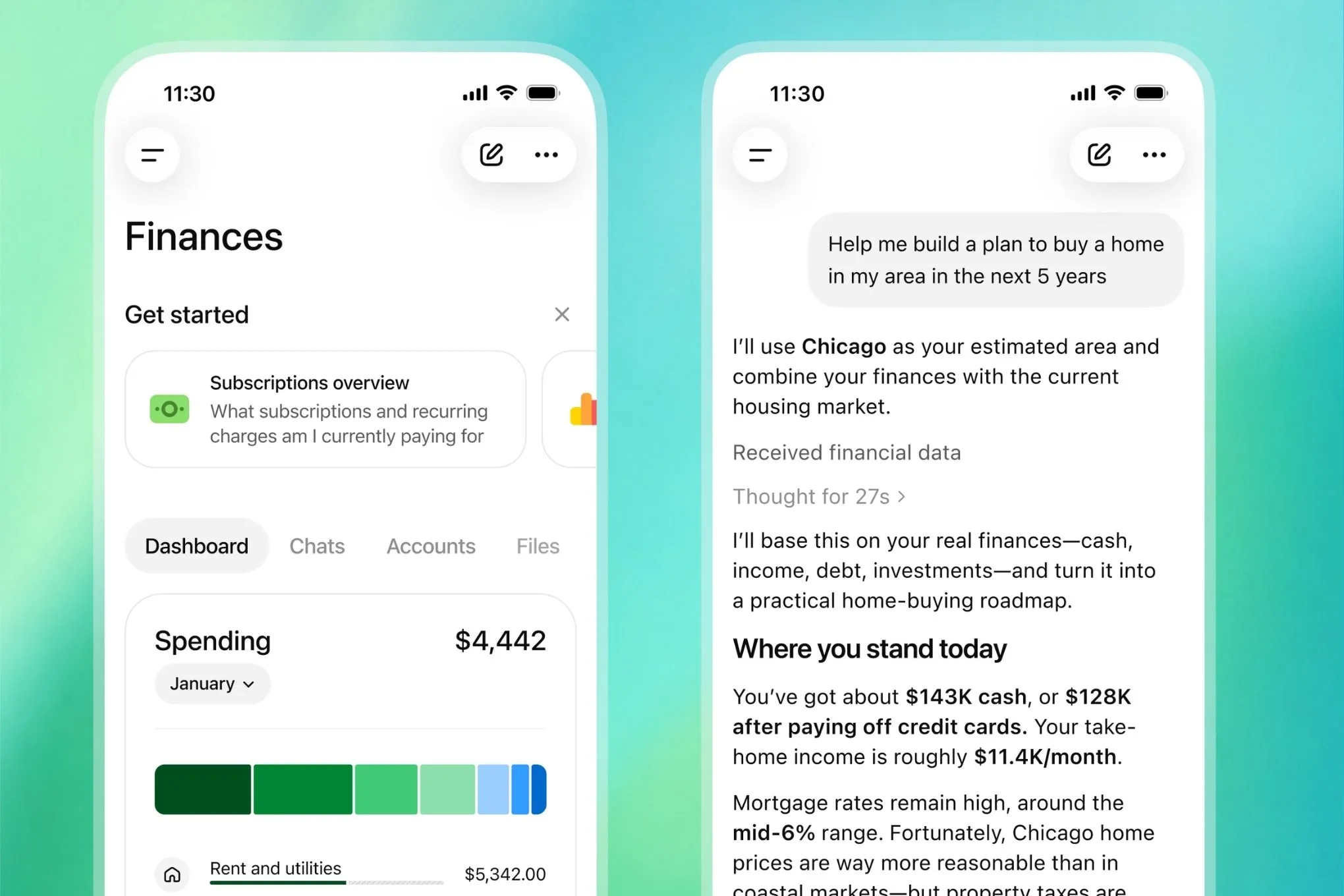
OpenAI says users can ask ChatGPT for help with decisions like buying a house or choosing credit cards. The AI combines this financial data with personal context you've already shared, including goals, lifestyle, and priorities.
The feature isn't limited to bank accounts. Investment platforms work too, meaning ChatGPT can analyze your stock portfolio alongside your checking account.
Who Gets Access First
The rollout starts with ChatGPT Pro subscribers in the US. That's the $200-per-month tier. OpenAI plans to expand to Plus subscribers after gathering feedback from early users.
“We'll learn and improve from early use before rolling it out to Plus, with the goal of making it available to everyone.”
— OpenAI
Privacy Controls and Limitations
OpenAI built several safeguards into the feature. ChatGPT cannot make changes to your accounts. It cannot see full account numbers. Users can disconnect their accounts anytime, though OpenAI takes up to 30 days to delete the data from its systems.
The company also lets users view and delete "financial memories," meaning saved goals or obligations the chatbot has recorded. There's an explicit toggle for whether your financial conversations train future AI models. It's labeled "Improve the model for everyone" and it's optional.
The Trust Question
This launch comes four months after OpenAI introduced ChatGPT Health in January. That service handles health-related questions but includes disclaimers that it's "not intended for diagnosis or treatment."
Health data and financial data share something critical: both require extraordinary trust. A breach or misuse of either could cause real harm. OpenAI is betting users who already share health questions will extend that trust to their bank balances.
More details on the dashboard interface and spending tracking features
What This Means Practically
For users who opt in, ChatGPT becomes a financial co-pilot with full visibility into their money. The AI can spot patterns you might miss, like subscription creep or spending category changes. It can contextualize big decisions against your actual financial position rather than generic advice.
The risk is concentration. Your health questions, your financial data, your work documents, and your personal conversations could all flow through a single AI provider. That's convenience, but it's also a single point of failure for privacy.
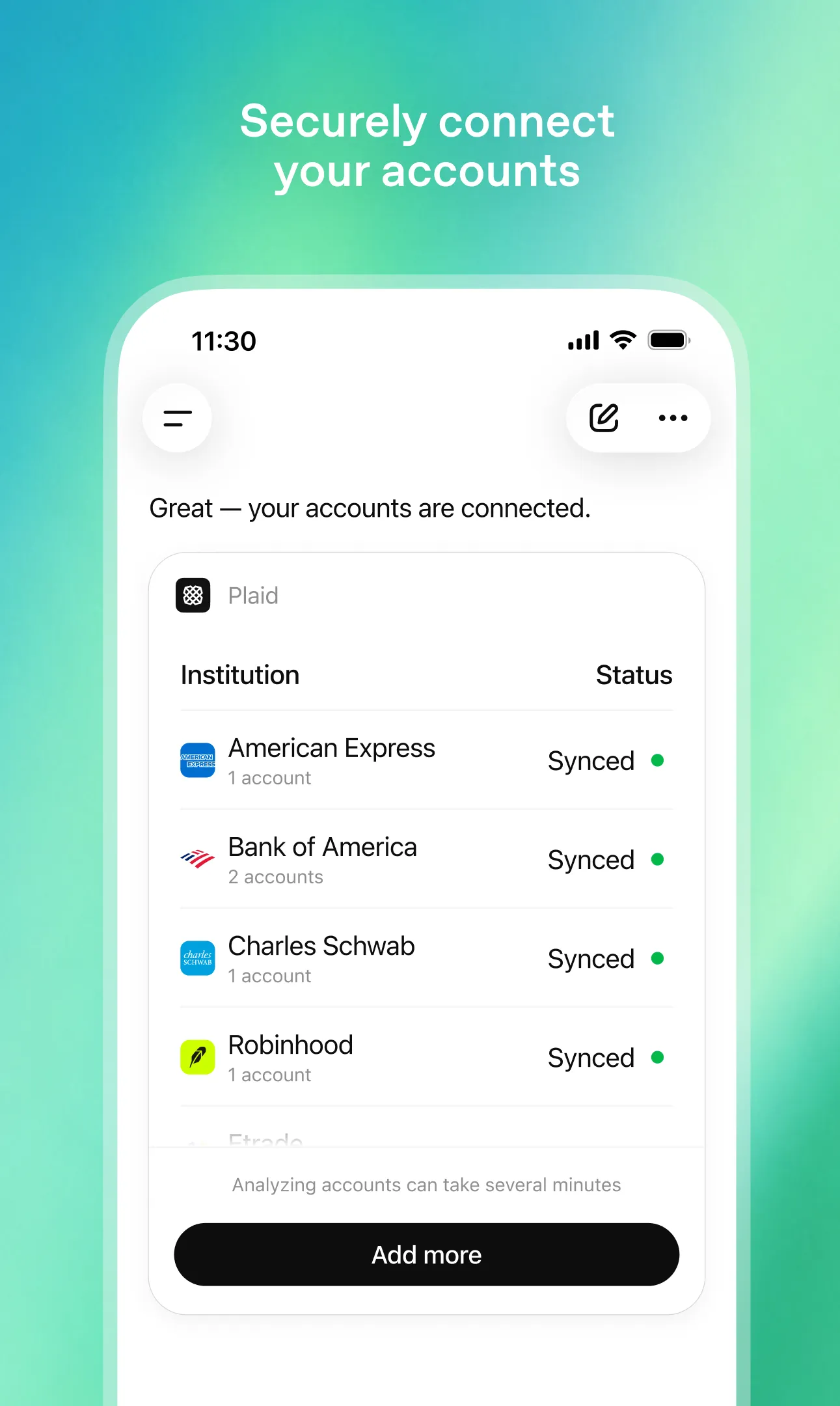
Full breakdown of the Plaid integration and supported institutions
Logicity's Take
Frequently Asked Questions
How much does ChatGPT bank account access cost?
The feature is currently limited to ChatGPT Pro subscribers, which costs $200 per month. OpenAI plans to expand to Plus subscribers later.
Can ChatGPT make transactions or changes to my bank account?
No. ChatGPT can view balances, transactions, and liabilities, but it cannot make any changes to your accounts or see full account numbers.
Which banks work with ChatGPT's Plaid integration?
Plaid connects to over 12,000 financial institutions, including Chase, Capital One, Schwab, and Fidelity.
Is my financial data used to train ChatGPT?
Only if you enable the "Improve the model for everyone" option. Financial data training is opt-in, not automatic.
How do I disconnect my bank accounts from ChatGPT?
Users can disconnect accounts at any time through the settings. OpenAI takes up to 30 days to fully delete the data from its systems.
Need Help Implementing This?
Huma Shazia
Senior AI & Tech Writer
Produced with AI assistance and reviewed by the Logicity editorial team. Learn more in our Editorial Policy.