Key Takeaways

- Artemis 3 slipped from mid-2027 to late 2027 for Earth-orbit docking tests
- NASA allocated $2.8 billion for SpaceX and Blue Origin lunar landers in the 2027 budget
- First crewed lunar landing now targeted for Artemis 4 or 5 in 2028
Artemis 3 Slips to Late 2027
NASA Administrator Jared Isaacman told the House Appropriations Committee on Monday that Artemis 3 is now scheduled for late 2027. That's a shift from the mid-2027 target he announced in February.
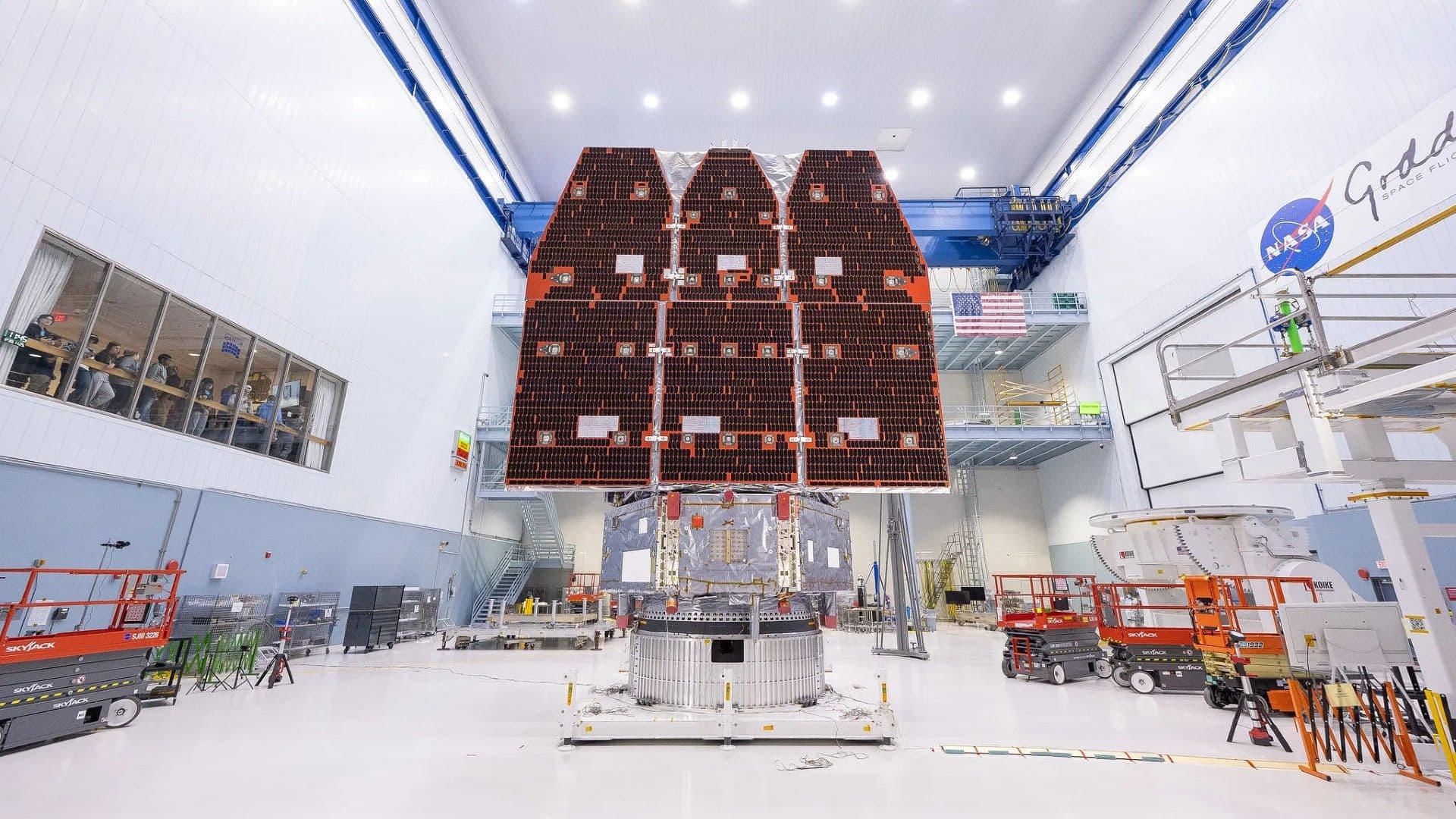
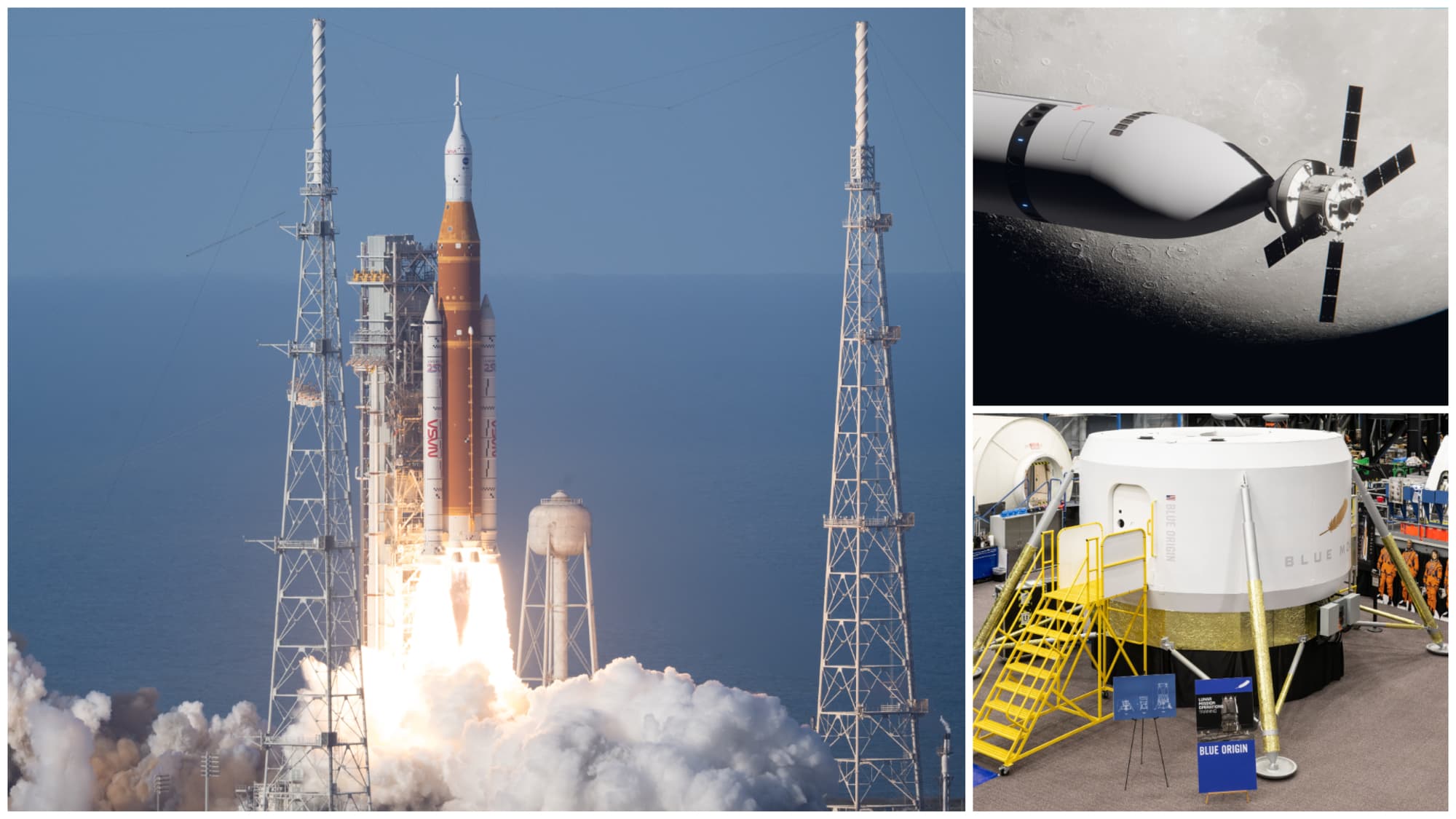
The delay matters because Artemis 3 is no longer a lunar landing mission. Under Isaacman's February restructuring, the mission became an Earth-orbit demonstration. Astronauts aboard Orion will rendezvous and dock with the privately developed lunar landers to test interoperability before anyone attempts a landing.
“I've received responses from both vendors to meet our needs for a late 2027 rendezvous, docking and test [of] the interoperability of both landers in advance of a landing attempt in 2028.”
— Jared Isaacman, NASA Administrator
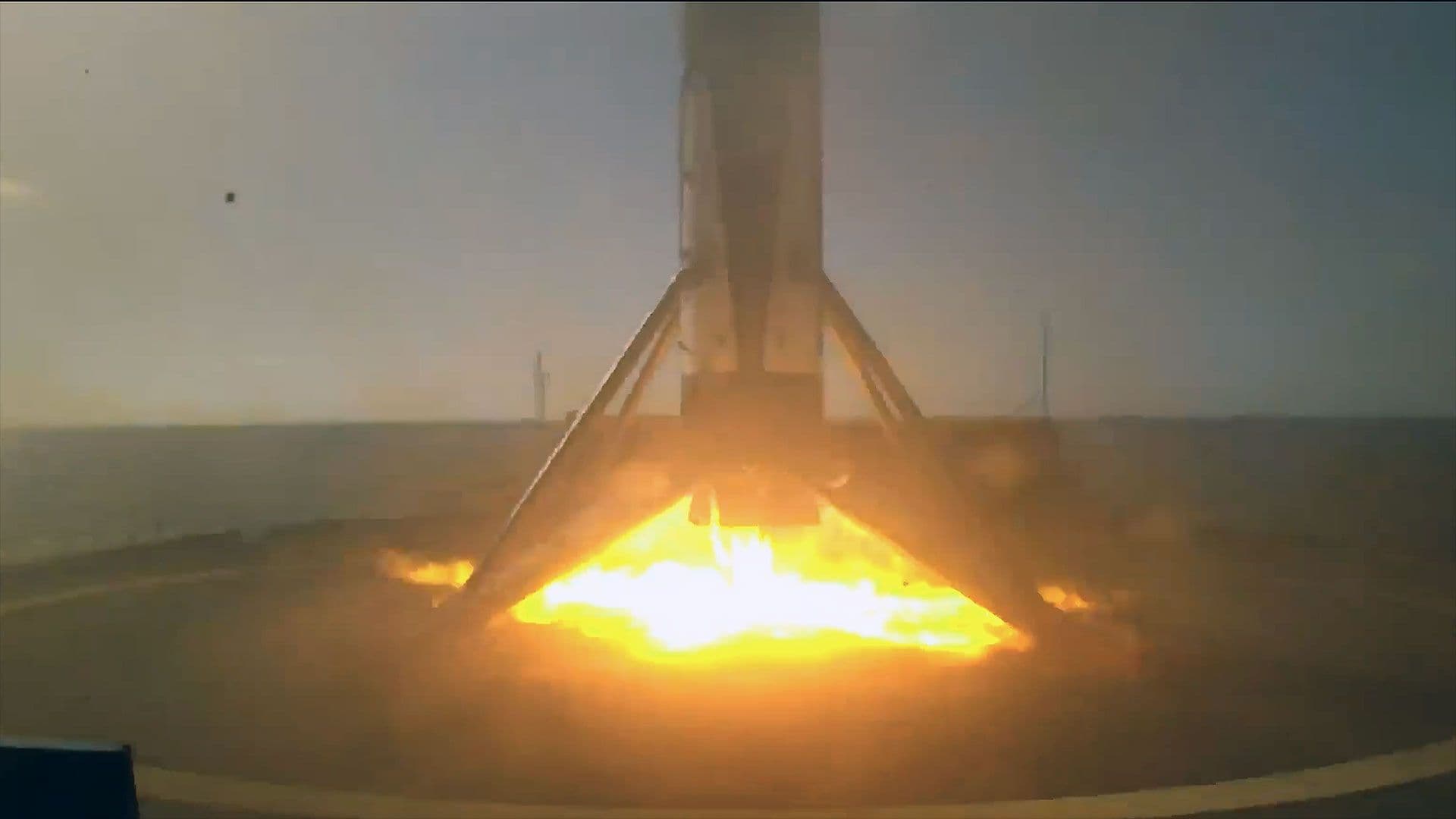
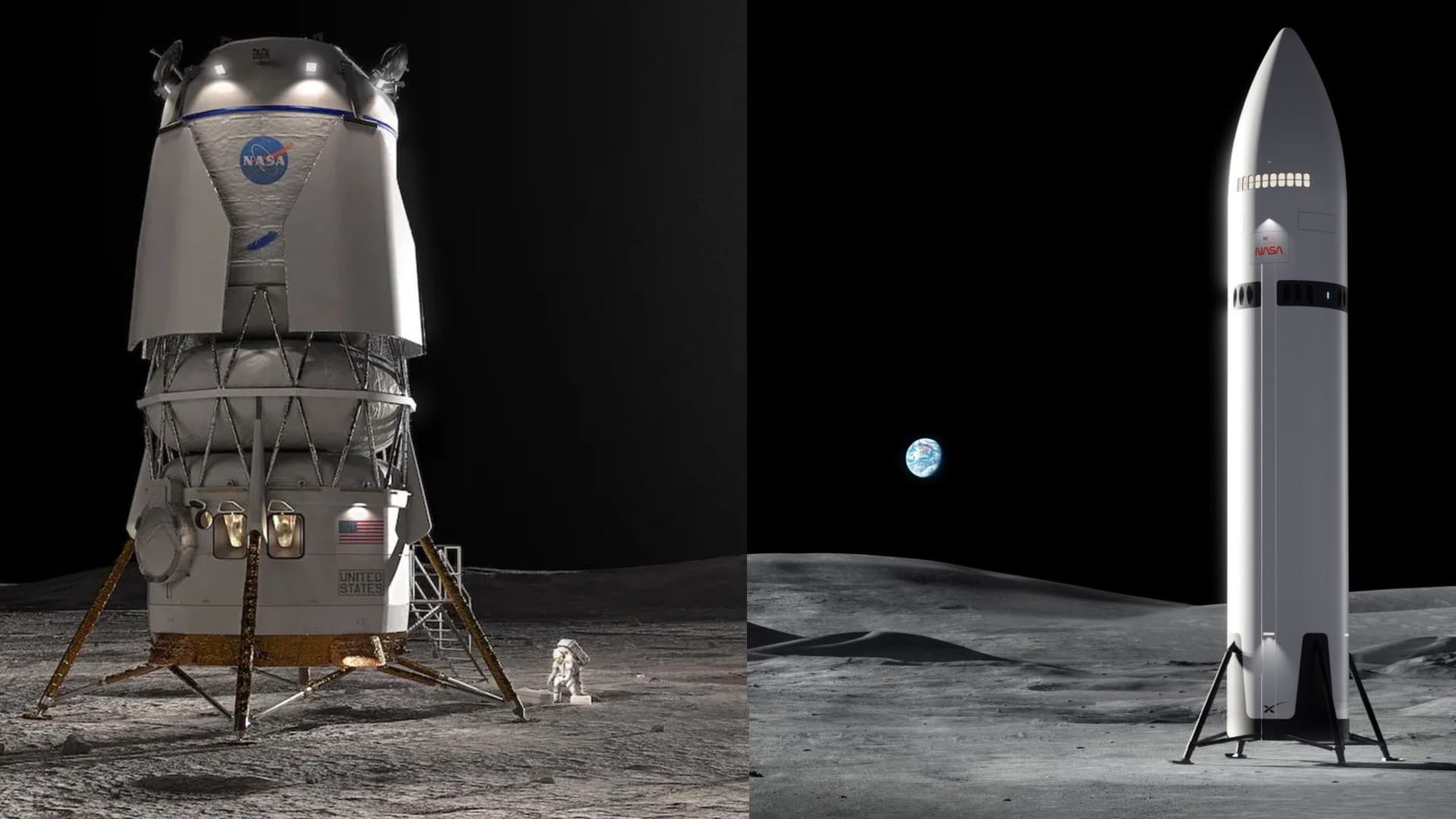
The first crewed lunar landing is now planned for Artemis 4 or Artemis 5 in 2028. NASA will fly with whichever lander, SpaceX's Starship or Blue Origin's Blue Moon, is ready when the time comes.
Artemis 2 Set the Stage
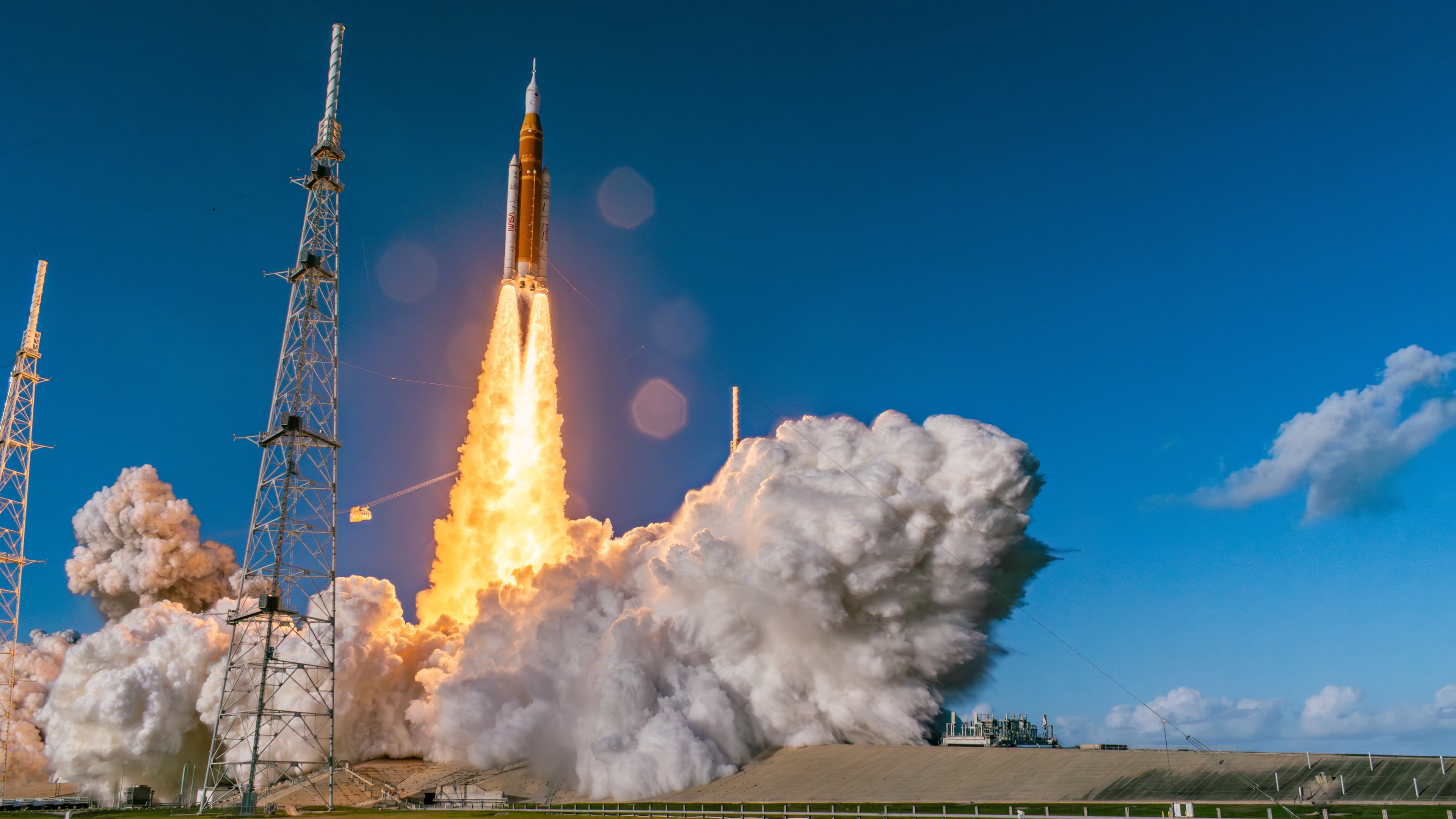
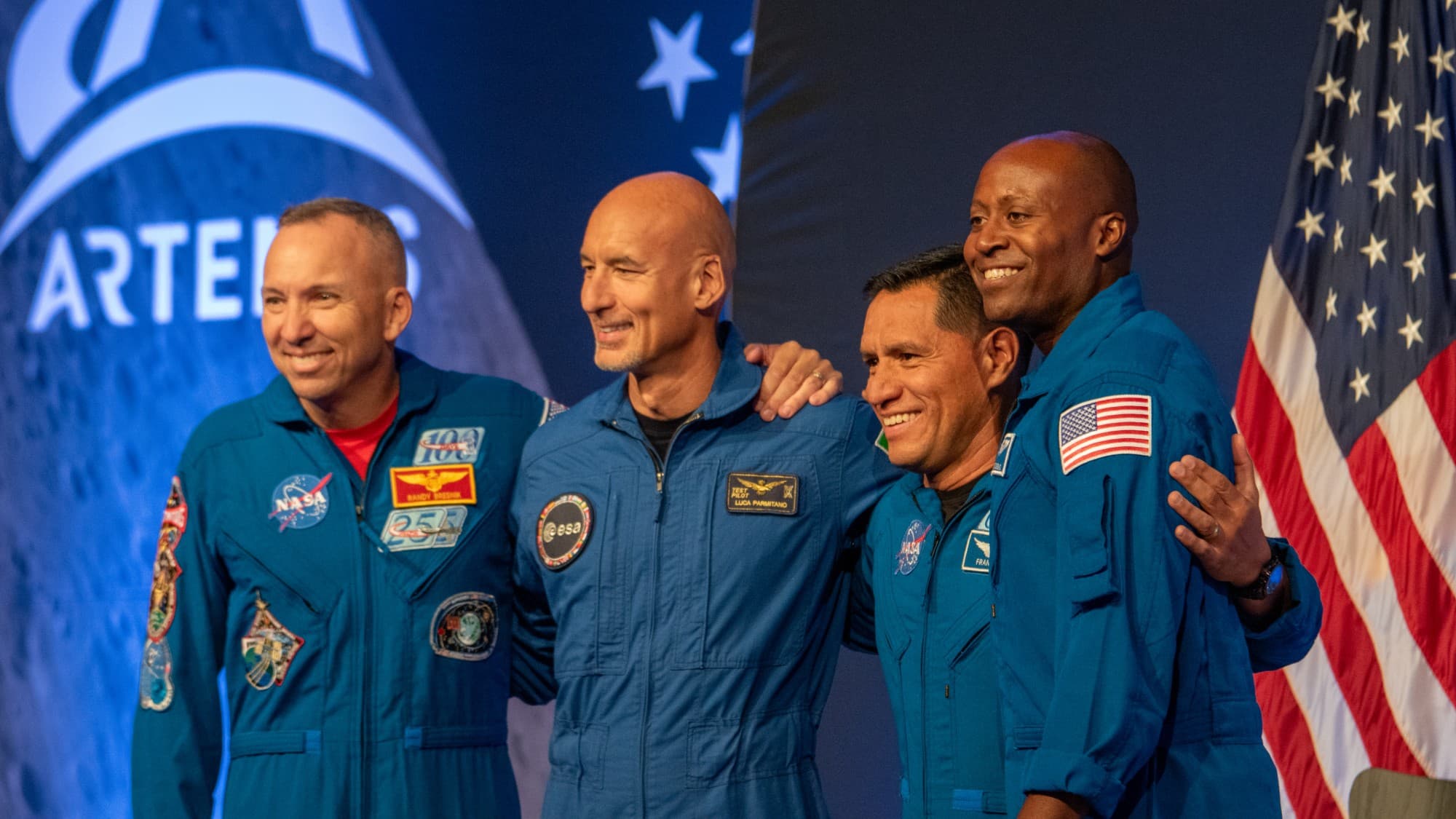
The schedule pressure comes weeks after Artemis 2's success. Four astronauts flew a 10-day mission around the moon and back to Earth in early April 2026. It was the first crewed moon mission in more than 50 years.
The gap between Artemis 1 and Artemis 2 was 3.5 years. Isaacman wants to shrink that cadence to about 10 months between missions. That's an aggressive target, and the lander vendors may struggle to hit it.
$2.8 Billion for Landers
The White House's 2027 budget request allocates $2.8 billion for the Artemis Human Landing System contracts. That covers both SpaceX's Starship and Blue Origin's Blue Moon landers.
Congressman Hal Rogers, chairman emeritus of the House Appropriations Committee, asked Isaacman directly about his confidence in the schedule given that funding level. Isaacman's answer was cautiously optimistic but acknowledged the shift from mid-2027 to late 2027.
The Bigger Vision
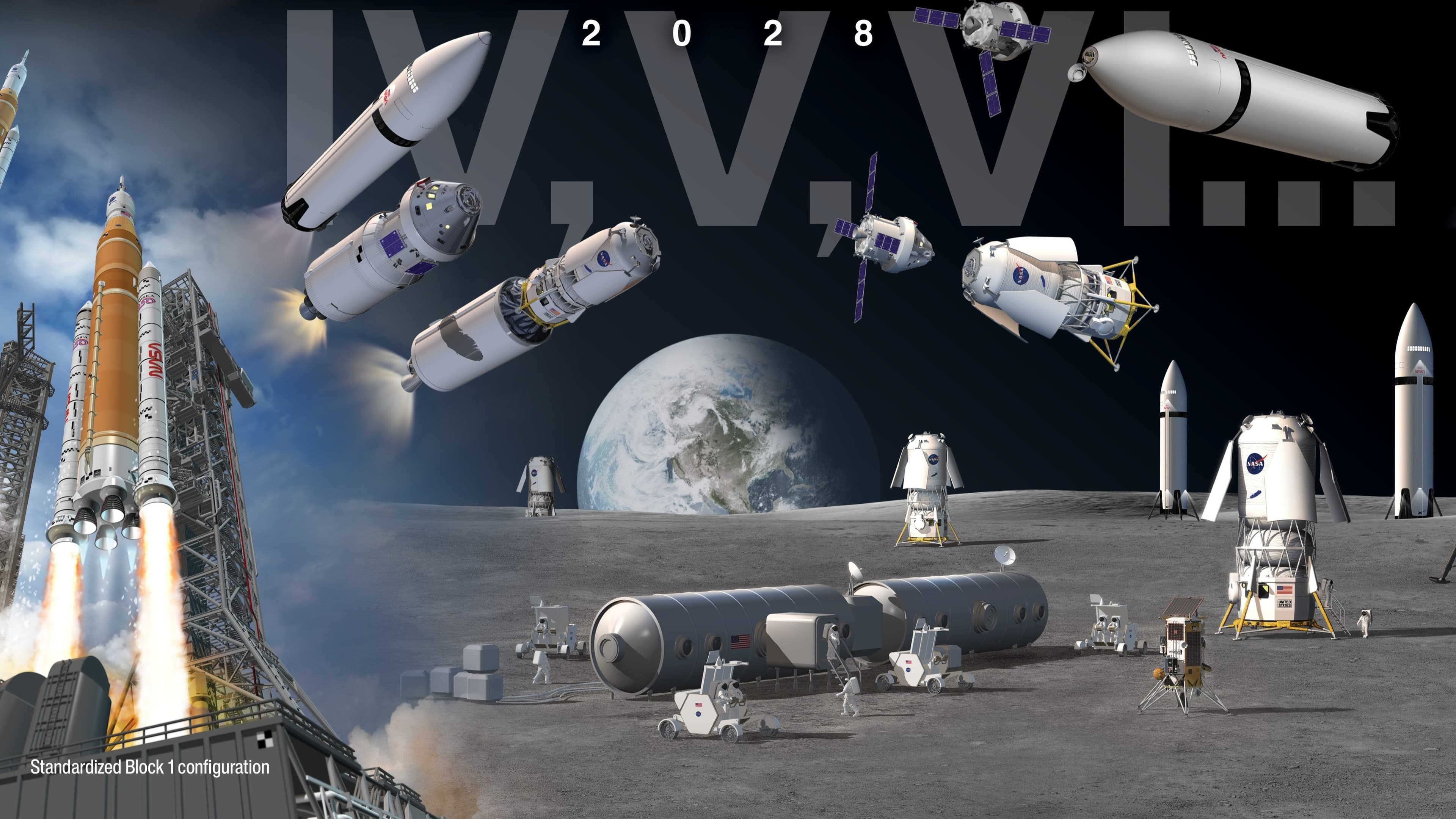
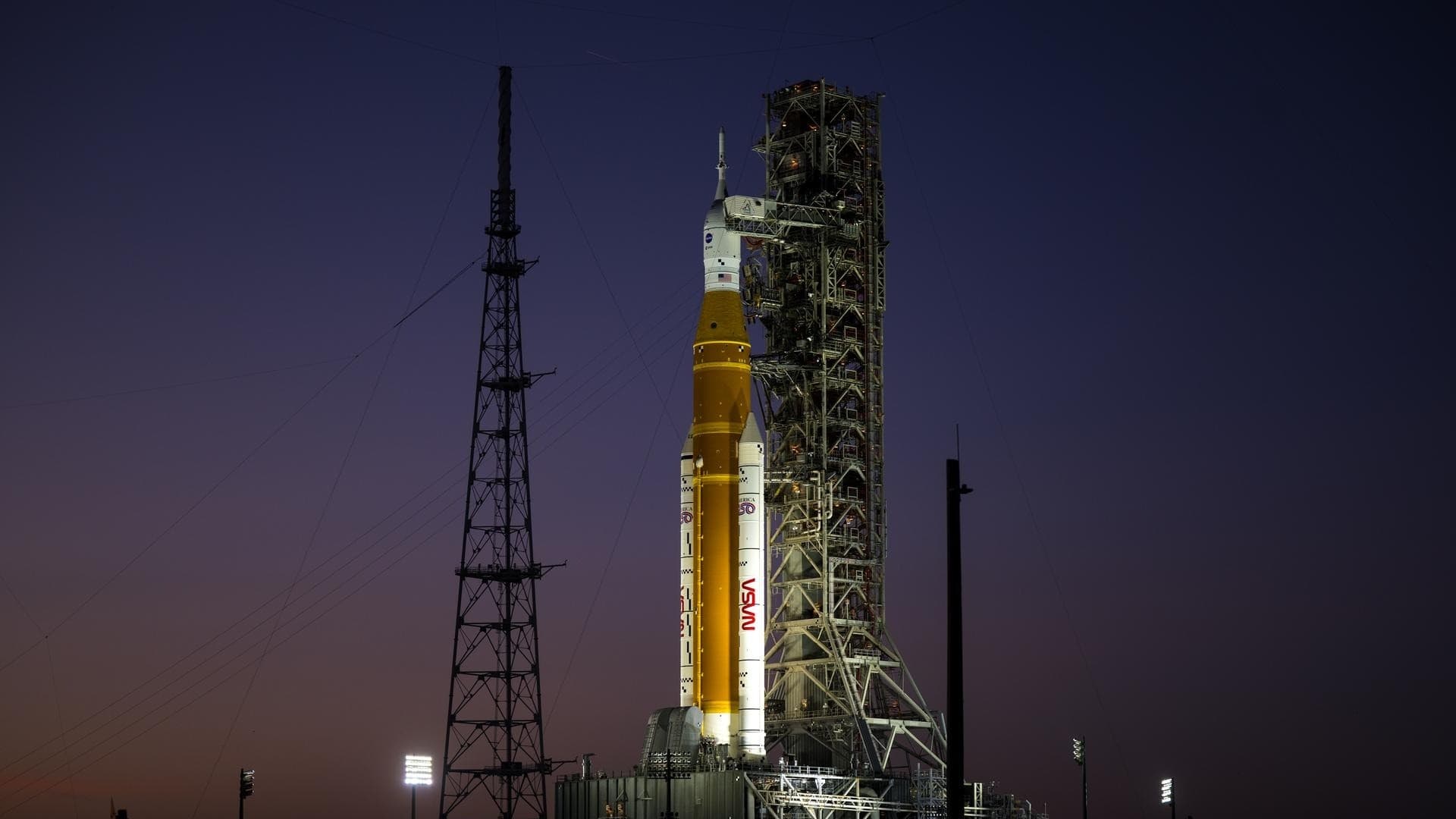
Isaacman's February restructuring outlined plans beyond individual missions. NASA wants to establish a permanent human base on the lunar surface within the decade. That requires more frequent launches of the Space Launch System rocket.
The agency is also building infrastructure for sustained operations. But all of that depends on the landers working. Starship and Blue Moon need to prove they can safely dock with Orion before anyone steps onto the lunar surface.
Why the Slip Matters
A few months might not sound significant. But NASA's 10-month cadence goal means any delay cascades through the schedule. If Artemis 3 slips further, Artemis 4 and 5 follow.
The agency has hedged by designing Artemis 3 as a docking test rather than a landing. If one lander isn't ready, the other might be. If neither is, astronauts still get a useful mission testing rendezvous procedures.
SpaceX has conducted orbital Starship tests, but the vehicle hasn't yet demonstrated the in-space refueling required for lunar missions. Blue Origin's Blue Moon is less far along in public testing.


Logicity's Take
Frequently Asked Questions
Frequently Asked Questions
When is Artemis 3 scheduled to launch?
NASA now targets late 2027 for Artemis 3, shifted from the original mid-2027 date announced in February 2026.
Will Artemis 3 land on the moon?
No. Under the restructured plan, Artemis 3 is an Earth-orbit docking demonstration between Orion and the lunar landers. The first landing is planned for Artemis 4 or 5 in 2028.
Which companies are building the lunar landers?
SpaceX is building Starship and Blue Origin is building Blue Moon. NASA will fly with whichever lander is ready when the missions launch.
How much is NASA spending on lunar landers?
The White House's 2027 budget request allocates $2.8 billion for the Artemis Human Landing System contracts.
What was Artemis 2?
Artemis 2 was a 10-day crewed mission around the moon that launched in April 2026. It was the first crewed lunar mission in more than 50 years.
Need Help Implementing This?
Source: Latest from Space.com
Manaal Khan
Tech & Innovation Writer
Produced with AI assistance and reviewed by the Logicity editorial team. Learn more in our Editorial Policy.