Key Takeaways
- OpenAI's Advanced Account Security program offers opt-in hardware key protection for ChatGPT accounts
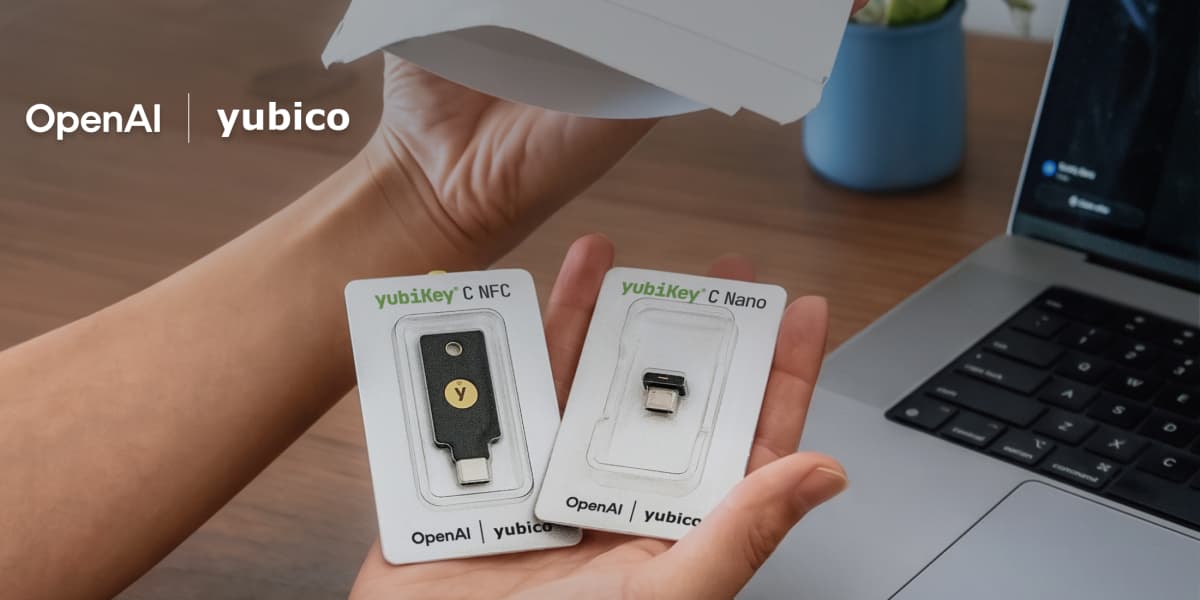
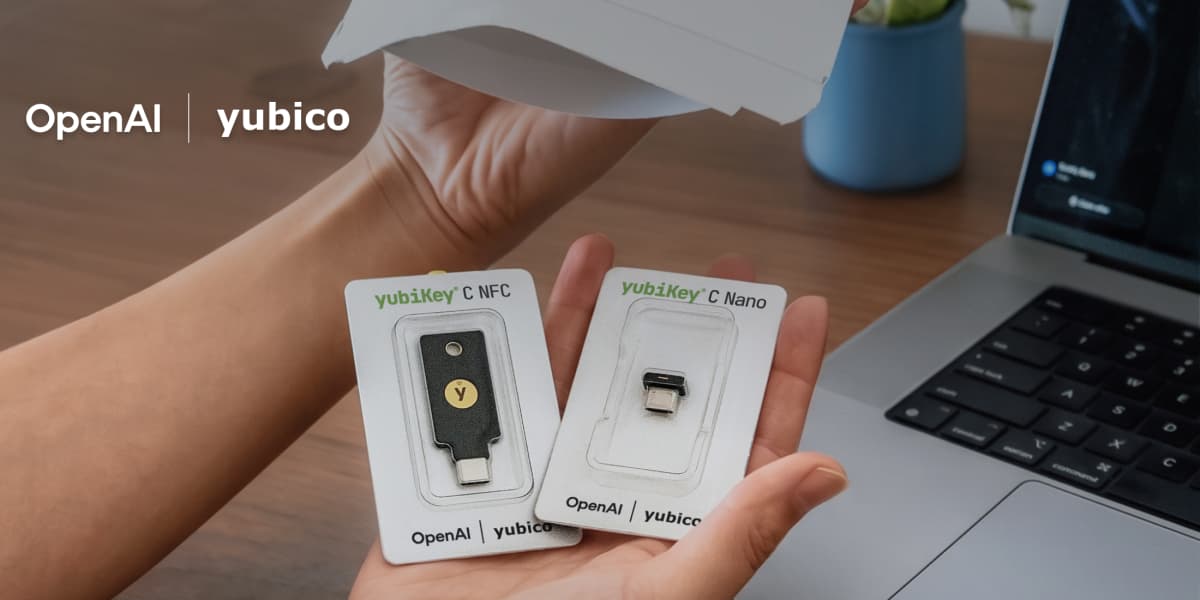
- Yubico is releasing two co-branded security keys: YubiKey C NFC and YubiKey C Nano
- The program targets high-risk users like journalists, researchers, and political dissidents
What OpenAI Announced
OpenAI rolled out Advanced Account Security on Thursday. It's an opt-in protection layer for ChatGPT users who want hardware-based authentication instead of relying on passwords alone.
The centerpiece is a partnership with Yubico, the company behind YubiKey security hardware. Together, they're releasing two co-branded products: the YubiKey C NFC and the YubiKey C Nano. Both plug into USB ports and contain unique cryptographic identifiers. Only someone holding the physical key can log in.
OpenAI says the program fits political dissidents, journalists, researchers, and elected officials. People doing risky work who can't afford a compromised account. Enterprise users with corporate secrets living in ChatGPT sessions would be another obvious fit.
“Ultimately, our intent is to drastically reduce the threat of unauthorized access to sensitive data in OpenAI accounts worldwide.”
— Jerrod Chong, CEO of Yubico
Why Phishing Is a Growing Problem for AI Users
Phishing attacks against chatbot users are increasing. Cybercriminals know that ChatGPT conversations often contain sensitive information. Personal confessions, business strategies, proprietary code. That makes compromised accounts valuable for extortion.
The timing of this announcement isn't random. On April 29, 2026, the official @OpenAINewsroom account was hijacked to promote a fake crypto token. That breach showed how vulnerable even high-profile accounts can be without hardware-level protection.
AI-generated phishing lures make the problem worse. They achieve a 60% higher click rate than human-crafted ones, according to security researchers. Attackers are using the same AI tools to craft more convincing attacks.
How Security Keys Work
Security keys are small hardware devices you plug into your computer's USB port. Each key contains a cryptographic identifier that proves you are you. No password to steal. No SMS code to intercept.
When you log in, you insert the key and tap it. The key handles the authentication. Even if someone steals your password and tricks you into entering it on a fake site, they still can't access your account without the physical device.
The YubiKey C NFC works with USB-C ports and also supports NFC for mobile authentication. The YubiKey C Nano is a smaller form factor designed to stay plugged into a laptop semi-permanently.
The Competitive Angle
OpenAI isn't the only AI company focused on security. Anthropic recently announced Mythos, a cybersecurity-focused model. OpenAI's Yubico partnership looks like a direct response, shifting the conversation from AI security software to hardware-backed account protection.
Understanding how different AI companies approach safety and security
The move signals that OpenAI is positioning itself as "critical infrastructure." When your product handles sensitive conversations for journalists, researchers, and enterprise teams, you need security that matches the stakes.
Community Reactions
On Hacker News, users praised the Zero Trust approach but raised concerns about vendor lock-in. Some wondered if hardware security might eventually become mandatory for accessing advanced models like GPT-5.4-Cyber.
Reddit's r/OpenAI community welcomed the phishing protection but had similar worries. The co-branded keys work with any FIDO2-compatible service, not just ChatGPT. Still, tying security to a specific vendor relationship makes some users uncomfortable.
Logicity's Take
Frequently Asked Questions
Do I need to buy a YubiKey to use ChatGPT?
No. Advanced Account Security is opt-in. You can continue using ChatGPT with password-only authentication. The YubiKey is for users who want extra protection.
Will the co-branded YubiKeys work with other services?
Yes. They support FIDO2 authentication, which works with Google, Microsoft, GitHub, and hundreds of other services.
How much will the OpenAI YubiKeys cost?
Pricing wasn't announced. Standard YubiKey models typically range from $25 to $75 depending on features.
Is this available for ChatGPT free users?
OpenAI says Advanced Account Security is available to anyone who wants it, not just paid subscribers.
Need Help Implementing This?
Source: TechCrunch / Lucas Ropek
Manaal Khan
Tech & Innovation Writer
Produced with AI assistance and reviewed by the Logicity editorial team. Learn more in our Editorial Policy.




