Key Takeaways
- Bun has started porting its codebase from Zig to Rust based on new commit activity
- The migration includes new porting documentation and batch scripts
- This marks a significant architectural change for one of the fastest JavaScript runtimes
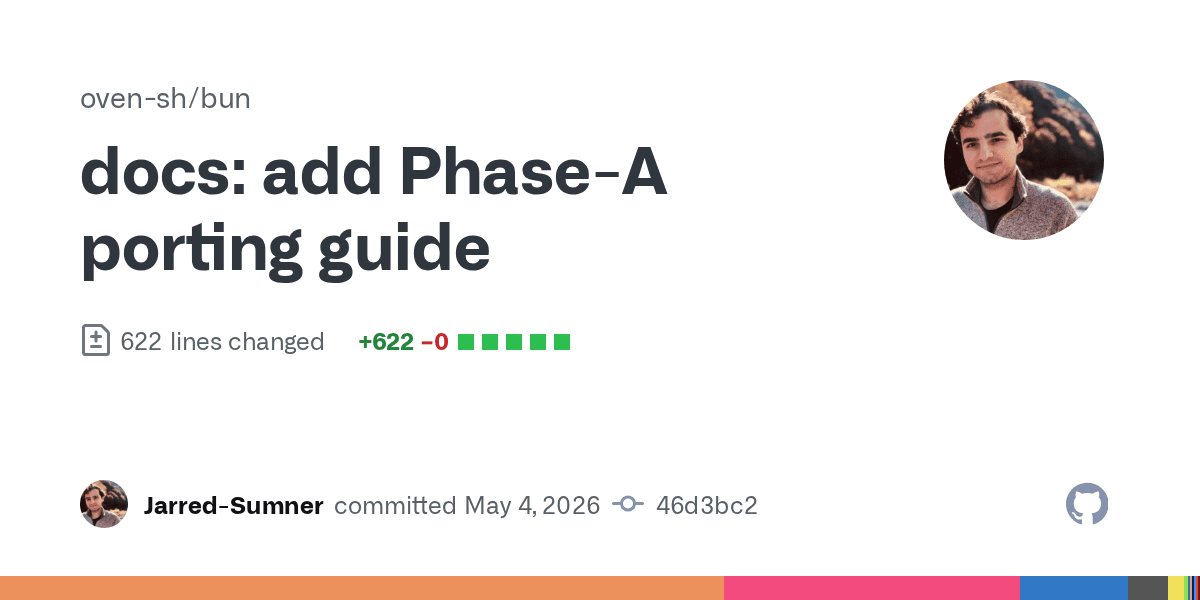
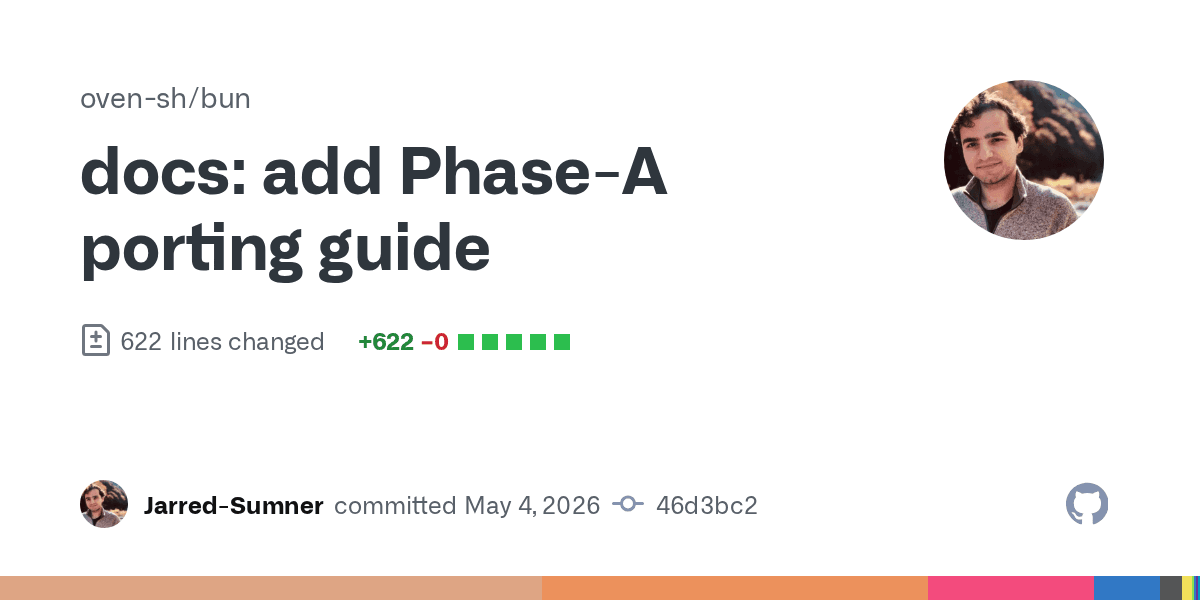
Bun, the JavaScript runtime known for its speed, has started porting its codebase from Zig to Rust. A recent commit to the project's GitHub repository adds porting documentation and batch scripts, confirming the migration is underway.
What the Commit Shows
The commit, merged into Bun's main repository, introduces two key files: PORTING.md in the docs folder and port-batch.ts in the scripts directory. These files suggest a structured approach to migrating code from Zig to Rust rather than a quick rewrite.
Bun was originally written in Zig, a systems programming language designed for performance and safety. Creator Jarred Sumner chose Zig partly because it offered manual memory control without the complexity of C++, and it interoperated well with WebKit's JavaScriptCore engine.
Why Rust?
Rust has become the default choice for performance-critical systems programming. It offers memory safety guarantees at compile time without a garbage collector. Mozilla created it, and it has since been adopted by major projects including the Linux kernel, Android, and Windows.
For a JavaScript runtime like Bun, Rust brings several advantages. Its ecosystem is larger than Zig's. The crate system (Rust's package manager) provides access to thousands of tested libraries. Developer tooling is more mature, with better IDE support and debugging tools.
Rust also has a larger talent pool. Finding developers who know Rust is easier than finding those experienced with Zig. This matters as Bun grows and needs more contributors.
What This Means for Bun Users
For developers using Bun today, the migration should be transparent. The runtime's JavaScript API won't change. Your bundler configs, test suites, and package installations will work the same way.
The transition may take months or years to complete. Major rewrites of this scale rarely happen overnight. Expect Bun to ship hybrid releases with both Zig and Rust code during the transition period.
The Broader Context
Bun launched in 2022 as an alternative to Node.js. It combined a JavaScript runtime, bundler, package manager, and test runner into one tool. The project raised $7 million in seed funding and quickly gained attention for benchmark results showing it running faster than Node in many scenarios.
This isn't the first major project to migrate to Rust. Discord rewrote parts of its infrastructure from Go to Rust. Figma moved critical rendering code to Rust. The trend reflects Rust's growing reputation as the go-to language for performance-sensitive applications.
Zig remains a promising language with its own advantages. It has a smaller runtime, simpler syntax, and compiles faster than Rust. But ecosystem size matters for a project that wants widespread adoption, and Rust currently wins on that front.
Logicity's Take
Frequently Asked Questions
Will Bun still be as fast after the Rust migration?
Rust and Zig are both systems languages with similar performance characteristics. The migration shouldn't affect Bun's speed if implemented well. Rust's zero-cost abstractions are designed to match hand-written C performance.
Do I need to change my Bun projects because of this?
No. The Rust migration is an internal implementation detail. Your JavaScript code, Bun configurations, and existing projects will continue to work without modification.
How long will the Bun Rust migration take?
The timeline isn't public. Major rewrites of this scale typically take one to two years for mature projects. Expect hybrid releases with both Zig and Rust code during the transition.
Is Zig a dead language now?
No. Zig continues active development and has its own community. Bun's decision reflects specific project needs, not a judgment on Zig's viability as a language.
Need Help Implementing This?
Source: Hacker News: Best
Huma Shazia
Senior AI & Tech Writer
Produced with AI assistance and reviewed by the Logicity editorial team. Learn more in our Editorial Policy.




