Key Takeaways
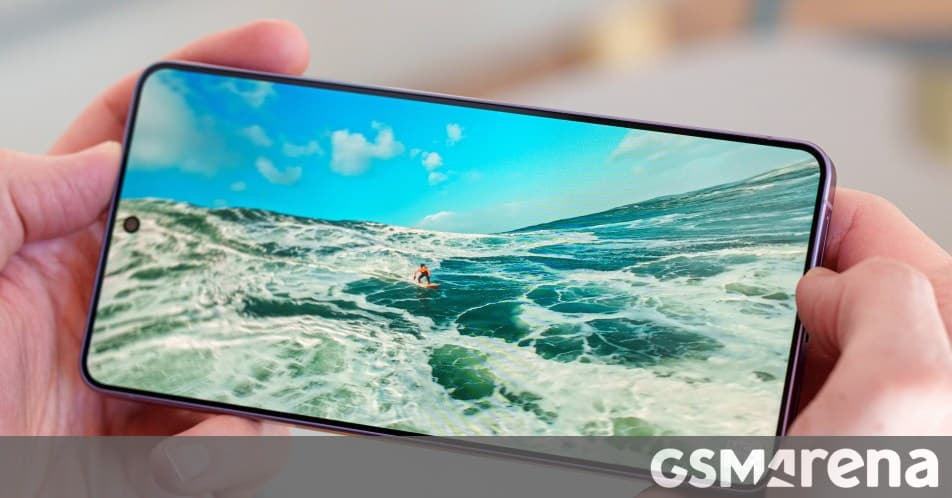
- BOE is offering OLED panels at $5 less per unit than Samsung Display for the Galaxy S27
- Samsung's mobile division has been testing BOE samples for over a month with no major technical issues reported
- This would mark the first time a Galaxy S flagship uses non-Samsung display panels
A $5 discount that could reshape Samsung's supply chain
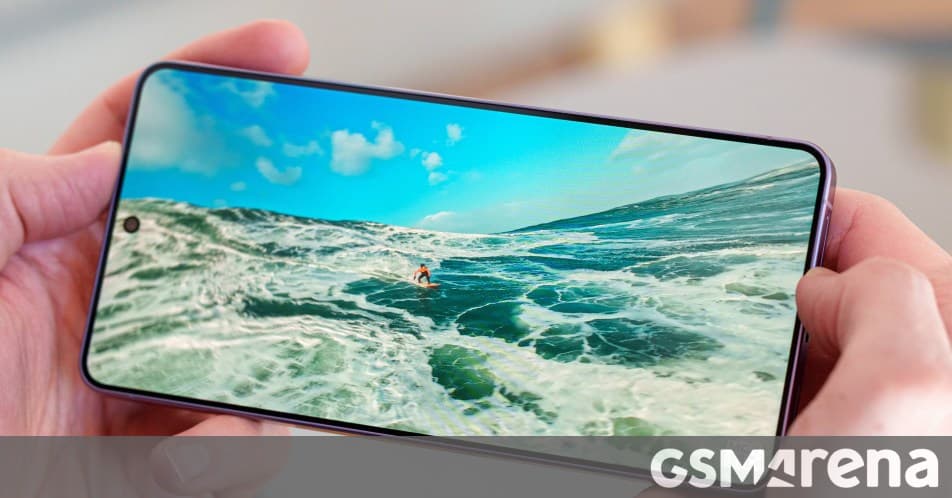
BOE, China's largest display manufacturer, is making an aggressive push to become the first non-Samsung supplier for the Galaxy S flagship series. According to ZDNET Korea, Samsung's Mobile eXperience (MX) division has been evaluating BOE OLED samples for over a month. The pitch centers on a simple proposition: BOE will supply panels at $5 less per unit than Samsung Display.
Industry insiders told ZDNET Korea that BOE is on track to meet Samsung's requirements for Galaxy S27 OLED panels, with no major technical hurdles in sight. One industry official noted: "Since the standard OLED specifications of the Galaxy S series have been similar in recent years, it should not be difficult for BOE to meet the requirements."
Why Samsung is even considering this
Samsung is feeling the squeeze from rising component costs. Memory prices and AI chipset expenses are climbing, with estimates suggesting production costs have increased by roughly $100 per device. Finding savings elsewhere has become a priority for the MX division.
The math is straightforward. If Samsung ships tens of millions of Galaxy S27 units, a $5 saving per display adds up fast. For a typical flagship production run of 30 million units, that is $150 million in savings on displays alone.
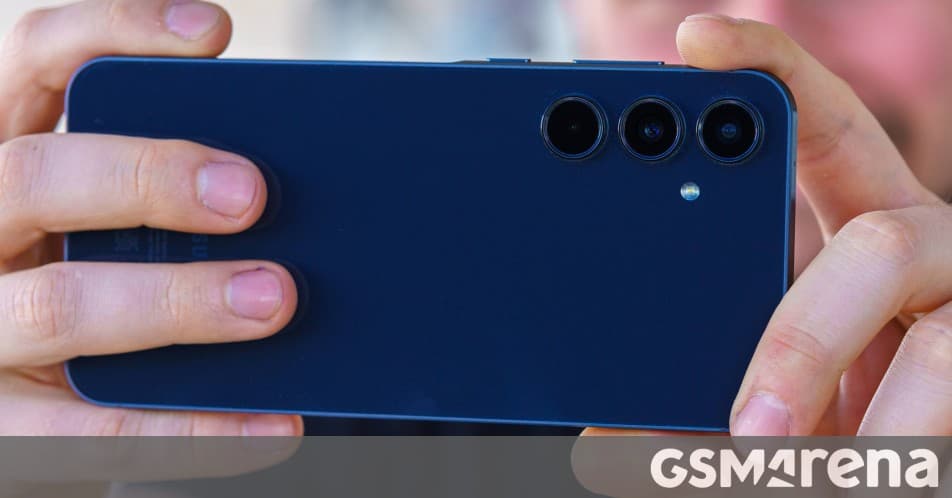
Samsung has already crossed the Rubicon with its mid-range phones. The Galaxy A57 uses OLED panels from outside suppliers, including TCL CSOT. But the Galaxy S series has remained a Samsung Display exclusive since the line launched.
The Korean supply chain dilemma
The decision is not purely financial. Samsung Display is part of Samsung Electronics, the same parent company as the MX division. Using BOE panels would help one arm of Samsung while hurting another.
The broader Korean display ecosystem, including component suppliers and materials companies, would also feel the impact. This creates an internal political challenge that goes beyond simple cost accounting.
Chinese display makers are closing the gap
The timing reflects a larger shift in the OLED market. Chinese manufacturers have expanded rapidly. By early 2026, Chinese OLED makers reached 48% market share in smartphone display shipments, nearly matching South Korea's 52%. BOE alone aims to ship 170 million flexible AMOLED units in 2025.
Initial sample testing has gone well for BOE. Industry analysts report that BOE panels received evaluations described as "not bad," which represents meaningful progress for a company that has struggled to break into flagship supply chains.
What happens next
No deal has been finalized. Samsung's MX division requested information from BOE about OLED panel development for the Galaxy S27 and continues to evaluate samples. The Galaxy S27 is expected to launch in early 2027, giving both companies time to negotiate terms.
If Samsung moves forward, the deal would likely start with the standard Galaxy S27 model, not the Ultra. This mirrors Apple's approach with BOE, starting with lower-tier iPhones before expanding to flagship models.
The consumer impact remains unclear. Reddit communities have raised concerns about a potential "display lottery," where phones with different panel suppliers vary in quality. Samsung would need to ensure BOE panels meet identical specifications to avoid customer complaints.
Logicity's Take
Frequently Asked Questions
Has Samsung ever used non-Samsung displays in the Galaxy S series?
No. The Galaxy S flagship line has always used Samsung Display panels. The Galaxy A series already uses outside suppliers like TCL CSOT, but the S series has remained exclusive to Samsung's own display division.
How much would Samsung save by switching to BOE panels?
BOE is offering a $5 discount per unit. For a production run of 30 million Galaxy S27 units, that translates to $150 million in display cost savings.
When would the Galaxy S27 with BOE panels launch?
The Galaxy S27 is expected in early 2027. Samsung is currently evaluating BOE samples and has not confirmed any supply deal.
Will BOE panels affect Galaxy S27 display quality?
Industry sources say BOE is meeting Samsung's technical requirements. Initial sample testing received "not bad" evaluations, though Samsung would need to ensure panels meet identical specifications to avoid quality variation between units.
Need Help Implementing This?
Source: GSMArena.com / Michail
Huma Shazia
Senior AI & Tech Writer
Produced with AI assistance and reviewed by the Logicity editorial team. Learn more in our Editorial Policy.