Key Takeaways
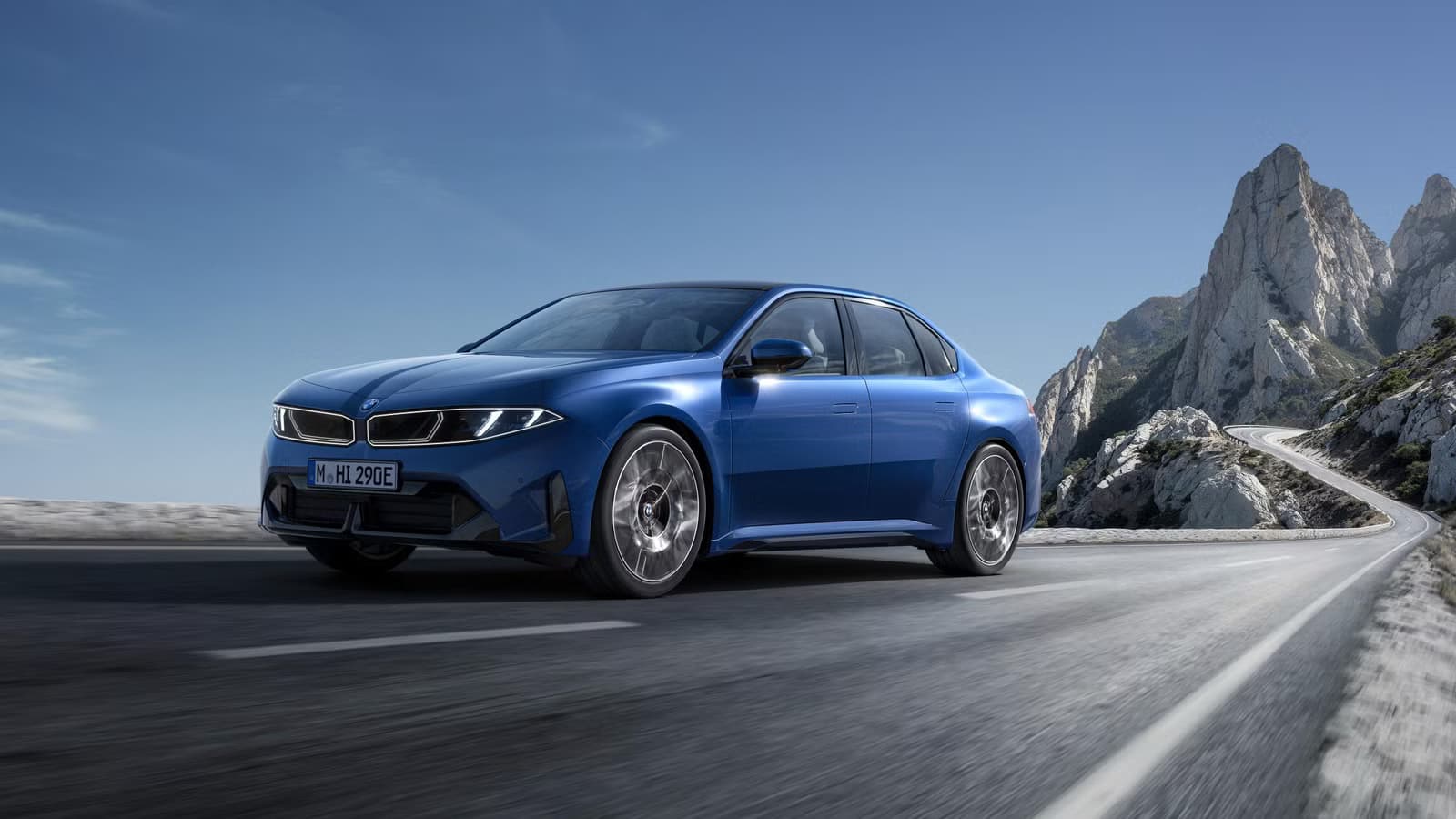
- BMW opens German pre-orders for the 2027 i3 First Edition on June 18, two months before August production begins
- The electric 3 Series starts at €63,400 in Germany and offers 440 miles of EPA-estimated range with 800V fast charging
- Strong demand in Germany and China contrasts with a 63.3% year-over-year BMW EV sales drop in the U.S. after federal tax credit ended
BMW is opening pre-orders for its 2027 i3 electric sedan in Germany today, June 18, two months ahead of the scheduled August production start. Sources speaking to Automobilwoche say the early launch reflects unexpectedly strong demand for the electric 3 Series, which carries a starting price of €63,400 (roughly $73,800).
The i3 First Edition will be the first variant available. BMW hasn't confirmed exact allocation numbers, but the move signals confidence in European appetite for premium EVs even as other markets send mixed signals. Interest is reportedly high in China as well, despite that market's heavy tilt toward domestic brands like BYD and XPENG.
What makes the 2027 BMW i3 different?
The i3 is BMW's second vehicle built on its Neue Klasse architecture, following the iX3 SUV. That SUV already proved the platform's appeal: it pulled in over 50,000 orders by March and sold more than 10,000 units in April alone.
For the sedan, BMW is quoting up to 463 horsepower and an EPA-estimated 440 miles of range. The 800-volt electrical architecture enables fast charging that adds roughly 250 miles in 10 minutes. North American versions will come with NACS ports, letting owners plug directly into Tesla Superchargers without adapters.
Pricing plays a role, too. At €63,400, the electric i3 costs only marginally more than the plug-in hybrid 3 Series and matches the iX3 SUV. For buyers already considering a hybrid, the EV becomes a far easier leap.
Why is European demand so strong right now?
Fuel prices remain elevated across Europe, pushing consumers toward EVs and hybrids. Germany and other EU countries are still committed to phasing out combustion engines, though the 2035 target has softened. Instead of outright bans on gas and diesel, the current framework mandates a 90% fleet CO2 emission reduction.
There's also the halo effect of the 3 Series nameplate. It has been BMW's core product for decades, the car that defines the brand's driving character. Electrifying it isn't just another model launch. It's a statement that BMW believes EVs can carry the same emotional weight as its best internal-combustion sedans.
Can BMW replicate this in the U.S.?
That's the open question. American EV demand cratered after the $7,500 federal tax credit ended. BMW's U.S. EV sales dropped 63.3% year-over-year in Q1 2026. The brand hasn't delivered any Neue Klasse vehicles stateside yet, so there's no direct read on how American buyers will respond to the new platform.
High gas prices could help. So could the NACS charging port, which removes one of the biggest friction points for non-Tesla EV buyers. But without a tax incentive, the $73,800+ sticker puts the i3 in direct competition with the Tesla Model S and other long-range EVs that have established charging networks and brand recognition.
China: strong interest despite local competition
China's EV market is dominated by homegrown players. BYD, XPENG, and NIO control vast swaths of the market, and the government has actively promoted domestic electrification. Yet gas car sales plunged 37% year-over-year in April 2026, even after EV subsidies were cut at the end of 2025.
That means overall EV demand is real and growing. Chinese buyers occasionally still opt for foreign brands when the product is compelling enough. Tesla's Model Y remains popular there. BMW hopes the i3's range, charging speed, and premium positioning can carve out a similar niche.
Logicity's Take
The early pre-order opening is a calculated bet. BMW is reading European demand signals and betting that early adopters will lock in orders before competitors respond. The real test comes in the U.S., where the absence of federal incentives has already crushed BMW's EV momentum. If the i3 can't move units in America without a tax credit, BMW will face pressure to cut prices or watch Tesla and Hyundai consolidate their lead.
Frequently Asked Questions
When does BMW i3 production start?
Production officially begins in August 2026, though German pre-orders opened June 18, two months early.
How much does the 2027 BMW i3 cost?
The starting price in Germany is €63,400, approximately $73,800. U.S. pricing has not been confirmed.
What is the BMW i3's range?
BMW quotes an EPA-estimated 440 miles of range, with 800V charging capable of adding 250 miles in 10 minutes.
Does the BMW i3 work with Tesla Superchargers?
North American versions will include NACS ports, allowing direct connection to Tesla Superchargers without adapters.
Is the 2027 i3 the same as the old BMW i3?
No. The original i3 was a compact city car sold from 2013-2022. The 2027 i3 is a full-size electric sedan replacing the 3 Series.
Need Help Implementing This?
Planning your company's EV fleet transition or tracking automotive industry shifts? Logicity covers the business and technical angles of electrification. Subscribe for weekly updates on pricing, charging infrastructure, and market trends that affect procurement decisions.
Source: How-To Geek
Manaal Khan
Tech & Innovation Writer
Produced with AI assistance and reviewed by the Logicity editorial team. Learn more in our Editorial Policy.