Key Takeaways
- GaN chargers are now up to 3x smaller than traditional silicon chargers at the same wattage
- 65W is the sweet spot for most users, capable of charging phones, tablets, and most laptops
- Amazon offers up to 35% off and Newegg up to 50% off on quality USB chargers right now
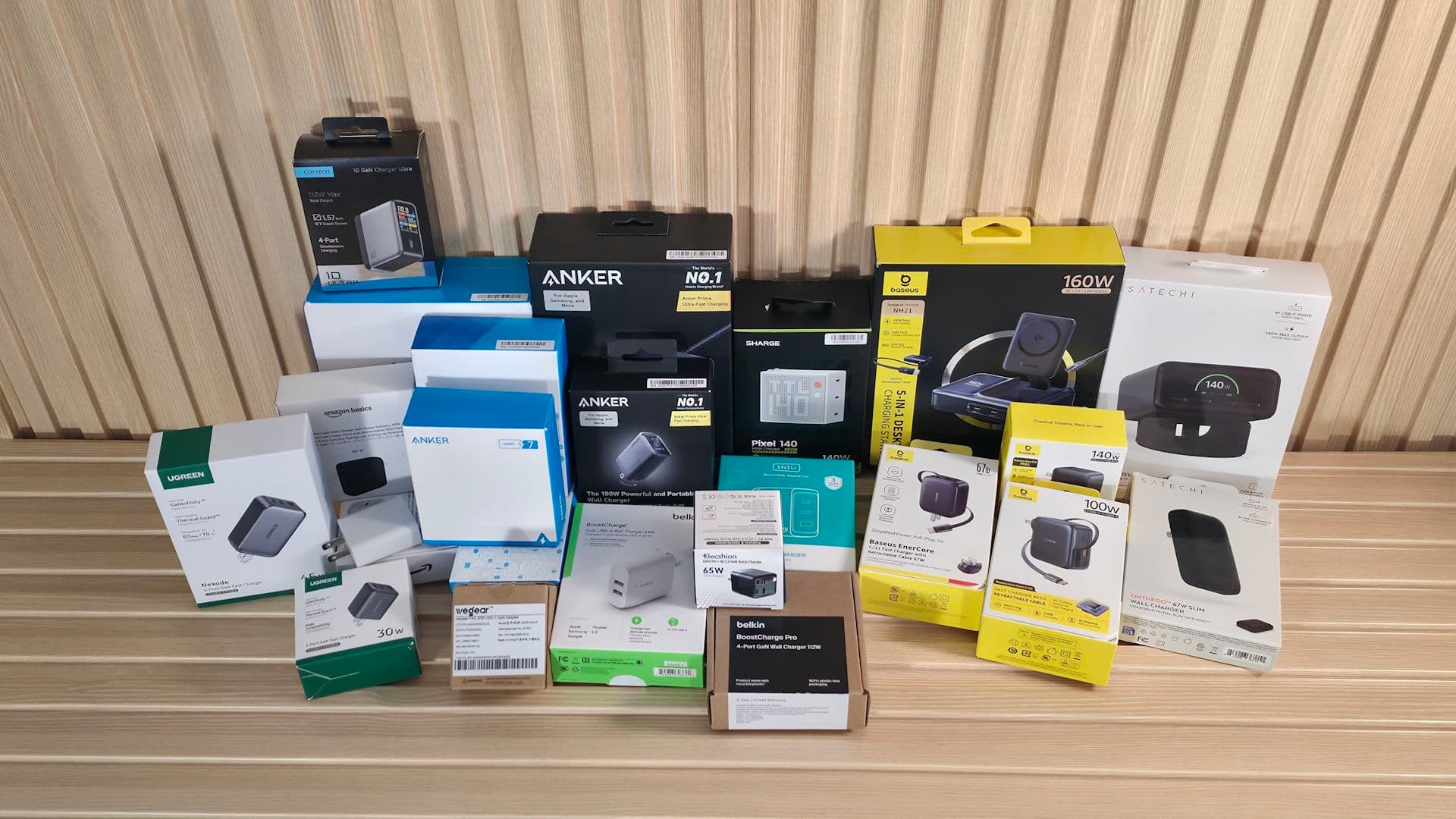
Tom's Hardware just published its roundup of the best USB charger deals after testing more than 20 models, from basic 15W phone chargers to 140W multi-device monsters. The verdict: choosing the right charger is simpler than it looks, and the discounts right now are steep enough to justify an upgrade.
Amazon is running up to 35% off on tested models. Newegg goes further, with some chargers discounted by half. The catch: not every cheap charger is worth buying, even on sale. The publication's testing team flagged specific models they've verified firsthand, which matters when a faulty charger can damage your $1,000 laptop or become a fire hazard.
Why GaN chargers dominate the 2026 deals
Gallium Nitride semiconductors have reshaped what's possible in portable power. A 65W GaN charger today fits in your palm. The equivalent silicon charger from five years ago was the size of a deck of cards. That size reduction isn't marketing fluff. It's physics: GaN switches faster and wastes less energy as heat, so manufacturers need less material to achieve the same output.
The global USB charger market is projected to hit $52.8 billion by 2027. GaN technology is a major reason. Consumers are consolidating from three or four chargers to one, and they're willing to pay a premium for the convenience. The deals make that premium easier to swallow.
Which wattage do you actually need?
Tom's Hardware breaks its recommendations into three tiers: 15-47W, 48-68W, and 69-140W. Here's the practical translation.
- 15-47W: Phones, earbuds, smartwatches, tablets. Enough for an iPhone or Samsung Galaxy at full speed. Won't charge a MacBook Pro at full tilt.
- 48-68W: The sweet spot. A 65W charger handles most ultrabooks, all phones, and most tablets. One charger, one cable, minimal bulk.
- 69-140W: For 16-inch MacBook Pros, gaming laptops, or multi-device setups where you need to charge a laptop and phone simultaneously at full speed.
The 65W category is where most buyers should start. It's the minimum wattage that can charge a 13-inch or 14-inch laptop at near-full speed while remaining pocketable. Drop below 65W and you're compromising on laptop charging. Go above and you're paying for headroom most people won't use.
Multi-port chargers: do the math
A 140W charger with four ports doesn't give you 140W per port. Most split the power dynamically. Plug in one device and it gets the full wattage. Plug in four and each might get 35W or less, depending on the charger's logic.
This isn't a flaw. It's how USB Power Delivery works. But check the specs before buying. The best multi-port chargers clearly state their power allocation. The worst bury it in fine print or don't disclose it at all.
Brands that passed the test
Tom's Hardware notes that it has "tested or used most of them ourselves, or they are part of the same family with the same or similar attributes." The publication doesn't name every model in its deal roundup, but historically its recommendations lean toward Anker, Ugreen, and Baseus for third-party chargers, plus Apple and Samsung for those who prefer first-party accessories.
The common Reddit advice holds: don't cheap out on chargers. A $12 no-name charger might work fine for months, then fry your phone's battery or overheat. Stick to brands with a track record, and check for USB-IF certification if you want extra peace of mind.
When to buy: Prime Day and Black Friday
USB charger deals follow predictable cycles. The deepest discounts hit during Prime Day in July and Black Friday in November. Right now, mid-year deals are solid but not exceptional. If you need a charger now, buy now. If you can wait until Prime Day, you'll likely save another 10-15% on the same models.
Another tested deal on quality tech hardware
Logicity's Take
The EU's USB-C mandate, fully in effect since late 2024, has accelerated charger consolidation. Manufacturers no longer need to hedge between USB-C and proprietary ports, so they're investing in better GaN designs instead. That's why 2026's budget chargers outperform 2022's premium ones. The real winner is the 65W single-port GaN: it's now cheap enough that there's no reason to keep using the slow 5W brick that came with your old phone.
Frequently Asked Questions
Is a 140W charger overkill for a smartphone?
Yes. Phones cap out at 20-45W depending on the model. A 140W charger won't charge your phone faster than a 45W one. The extra wattage is for laptops or splitting power across multiple devices.
Can I use a laptop charger to charge my phone?
Yes. USB Power Delivery negotiates the correct wattage automatically. A 100W laptop charger will deliver only what your phone requests, typically 15-27W for most iPhones and 25-45W for most Android flagships.
What's the difference between GaN and silicon chargers?
GaN chargers use Gallium Nitride semiconductors, which switch faster and generate less heat than silicon. This lets manufacturers build chargers that are up to 3x smaller at the same wattage, with better efficiency.
Are cheap USB chargers safe?
Not always. Low-quality chargers can lack proper voltage regulation, overheat, or damage your devices. Stick to brands with USB-IF certification and a track record. The $5 you save isn't worth the risk.
How many ports do I actually need?
For travel, two ports is the sweet spot: one for your laptop, one for your phone. At a desk, three or four ports let you keep multiple devices topped off without swapping cables.
Need Help Implementing This?
Logicity covers the gear and infrastructure that keeps tech teams productive. Subscribe to our newsletter for weekly roundups on hardware deals, software tools, and the practical side of running a tech operation.
Source: Latest from Tom's Hardware
Manaal Khan
Tech & Innovation Writer
Produced with AI assistance and reviewed by the Logicity editorial team. Learn more in our Editorial Policy.