Key Takeaways
Apple sues OpenAI alleging trade secret theft, says scheme was \"at every level\"
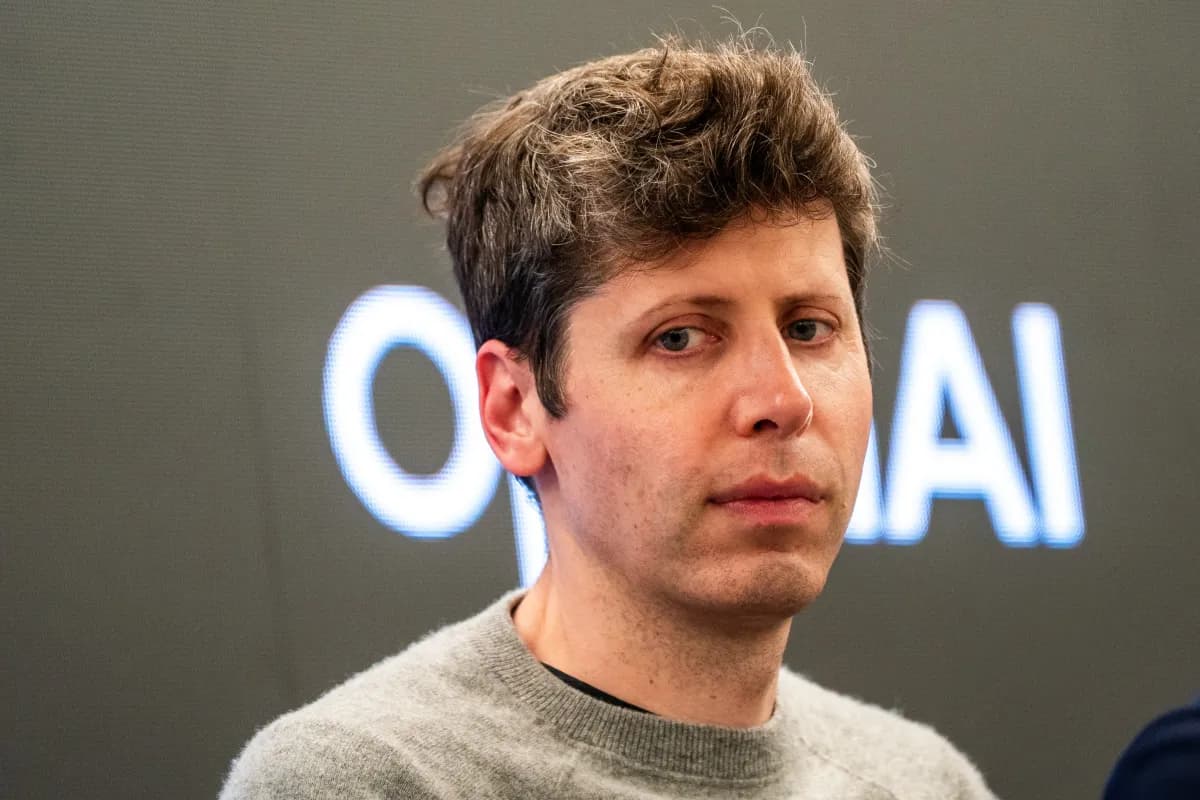
- Apple filed a trade secrets lawsuit against OpenAI on July 11, 2026, alleging misconduct reaching OpenAI's chief hardware officer
- More than 400 former Apple employees now work at OpenAI, according to the complaint
- The lawsuit arrives as OpenAI reportedly plans an IPO later in 2026, creating significant timing risk
Apple filed a trade secrets lawsuit against OpenAI last Friday, and the complaint is aggressive. The iPhone maker alleges a pattern of misconduct that reaches all the way to OpenAI's chief hardware officer, claiming that more than 400 former Apple employees now work at the AI company. OpenAI's response has been carefully hedged, which tells you something about how seriously the company is taking this.
The timing could not be worse. OpenAI is reportedly eyeing an IPO as early as later this year, and a major trade secrets case is exactly the kind of legal overhang that makes investors nervous. IPO roadshows depend on clean narratives and predictable risk profiles. A lawsuit from the world's most valuable company, alleging systematic talent poaching and intellectual property theft, is neither.
What does Apple's lawsuit actually allege?
The complaint centers on employee migration and what Apple claims those employees brought with them. More than 400 former Apple workers now sit inside OpenAI, per the filing. That's not unusual in Silicon Valley, but Apple is alleging something more specific: that trade secrets, not just talented people, made the journey.
The lawsuit names OpenAI's chief hardware officer directly. Apple is not just claiming that low-level engineers took proprietary knowledge. The company is alleging that senior leadership was involved in or aware of misconduct. That's a significant escalation. It suggests Apple has evidence, or believes it has evidence, of coordinated behavior rather than isolated incidents.
Trade secrets lawsuits involving employee migration are well-established in Silicon Valley. Google sued Uber over Anthony Levandowski's move, and Waymo has tangled with Cruise on similar grounds. These cases tend to be expensive, slow, and damaging to reputation even when the defendant eventually prevails.
Why does this threaten OpenAI's IPO?
Public market investors price risk. A trade secrets lawsuit from Apple introduces several kinds of it. First, there's financial risk: if Apple wins, OpenAI could face substantial damages and potentially an injunction against using certain technology. Second, there's reputational risk: IPO investors read headlines, and "OpenAI stole Apple's secrets" is a headline that sticks. Third, there's timeline risk: litigation discovery could drag on for months or years, creating ongoing uncertainty.
OpenAI's last reported private valuation was around $157 billion, based on its October 2024 funding round of $6.6 billion. That was the largest private funding round in history at the time. To justify that valuation in public markets, OpenAI needs a clean story about sustainable revenue growth and manageable risk. A lawsuit from Apple complicates both.
The company reportedly projects $3.7 billion in 2024 revenue and claims more than 200 million weekly active users on ChatGPT. Those are strong numbers. But public market investors have seen AI hype before, and they will scrutinize anything that suggests governance or legal problems.
The bigger question: can you trust AI companies with your data?
TechCrunch's Equity podcast highlighted a theme running through this week's news that goes beyond the lawsuit itself. If OpenAI's relationship with Apple, a company it partnered with for iOS 18 integration just last year, has deteriorated to litigation over trade secrets, what does that say about how AI companies handle sensitive information?
Apple built its brand on privacy. It integrated ChatGPT into Apple Intelligence as an optional feature, emphasizing that user data would not be stored. Now it's suing the same company over alleged theft of its own proprietary information. The irony is not subtle.
For enterprise customers evaluating AI tools, this lawsuit is a data point. Not necessarily a disqualifying one, but a reminder that vendor relationships in AI are evolving fast and not always in predictable directions.
Logicity's Take
This lawsuit is about hardware. OpenAI has been building physical devices, reportedly including a screenless speaker that can move, and Apple sees its talent pipeline flowing directly into a competitor's hardware division. For enterprise leaders evaluating AI partnerships, the lesson is simpler: even the biggest players are fighting over talent and IP in ways that could disrupt product roadmaps and vendor stability. If you're building on OpenAI's APIs, watch how this unfolds. OpenAI's IPO, if it happens, will force more transparency about these risks than we've seen from the private company.
What happens next?
OpenAI will likely move to dismiss or narrow the complaint. Apple will push for discovery. The litigation could settle quietly or become a multi-year battle. Either way, expect OpenAI's IPO timeline to account for this uncertainty. Underwriters do not like surprises, and a trade secrets case from the world's most valuable company qualifies as a surprise.
The 400-employee figure is the number to watch. If Apple can document specific instances where those employees transferred proprietary knowledge, the case strengthens considerably. If OpenAI can show it built its hardware capabilities independently, the lawsuit becomes expensive noise rather than existential threat.
Frequently Asked Questions
Why is Apple suing OpenAI?
Apple alleges trade secrets violations, claiming that more than 400 former Apple employees now at OpenAI brought proprietary information with them. The lawsuit names OpenAI's chief hardware officer directly.
When is OpenAI planning to go public?
OpenAI has reportedly been eyeing an IPO for later in 2026. The Apple lawsuit creates uncertainty about whether that timeline will hold.
How much is OpenAI worth?
OpenAI's last reported private valuation was approximately $157 billion, based on its October 2024 funding round of $6.6 billion.
Could Apple's lawsuit stop OpenAI's IPO?
The lawsuit likely won't stop the IPO entirely, but it could delay the timeline and affect valuation. Investors typically discount companies with unresolved major litigation.
What is OpenAI building in hardware?
OpenAI has reportedly been developing physical devices, including a screenless speaker with motion capabilities. Apple's lawsuit suggests this hardware work involves former Apple employees and potentially Apple's trade secrets.
Context on Apple's market position and why a lawsuit from this company carries weight
Need Help Implementing This?
Navigating AI vendor risk in your enterprise stack? Logicity's consulting team helps CTOs and technical leaders evaluate AI partnerships and build resilient technology strategies. Contact us for a review of your AI vendor relationships.
Source: TechCrunch
Huma Shazia
Senior AI & Tech Writer
Produced with AI assistance and reviewed by the Logicity editorial team. Learn more in our Editorial Policy.




