Key Takeaways
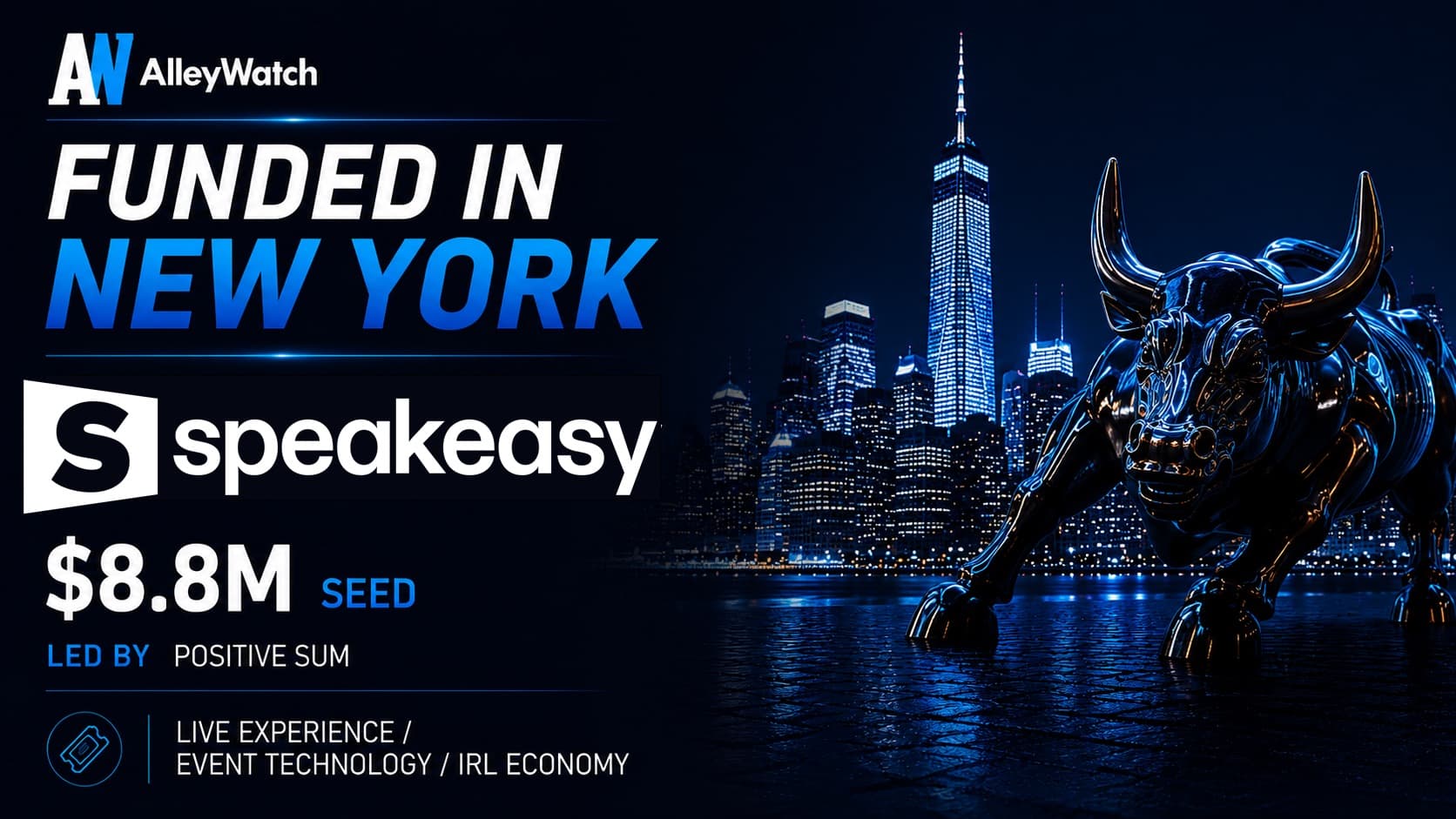
- Speakeasy raised $8.8M in its first institutional round, led by Patrick O'Shaughnessy's Positive Sum
- The company grew 500% year-over-year and nearly reached profitability before taking outside capital
- The platform replaces separate ticketing, reservations, payments, and CRM tools with a single system for venues
Speakeasy, a startup building an all-in-one operations platform for live event venues, raised $8.8 million in its first institutional funding round. Positive Sum, the venture fund led by investor Patrick O'Shaughnessy, led the round, with participation from Yamaha Music Innovations Fund and executives from Seamless, Genius, and professional soccer clubs D.C. United and Swansea City FC.
The company had grown 500% year-over-year and nearly reached profitability before accepting outside capital. It's an unusual position for a first raise. Most startups at this stage are burning cash to prove product-market fit. Speakeasy proved it by winning contracts with TAO Group Hospitality, Fontainebleau Development, E11EVEN, Barstool, and Cipriani before asking for institutional money.
What problem is Speakeasy solving?
Nightclubs, music festivals, and entertainment venues typically run on a patchwork of disconnected software. One system handles ticketing. Another manages table reservations. A third processes payments. A fourth runs email marketing. None of them share data cleanly.
The result: venue operators lose guest information at every handoff. They pay for redundant systems. They can't answer basic questions like "how many times has this customer visited us?" or "which marketing channel actually drove ticket sales?"
Speakeasy replaces this fragmented stack with a single platform covering ticketing, reservation management, premium table booking, payments, POS integrations, CRM, and marketing. The pitch is straightforward. One system captures guest data from the moment someone discovers an event through in-venue spending and post-event follow-up.
“For decades, the live entertainment industry has been stitched together by a patchwork of legacy point solutions – separate platforms for ticketing, payments, reservations, and marketing that rarely talk to each other and, in many cases, did not work at all.”
— Alex Manavi, CEO & Cofounder, Speakeasy
Why bootstrapping first mattered
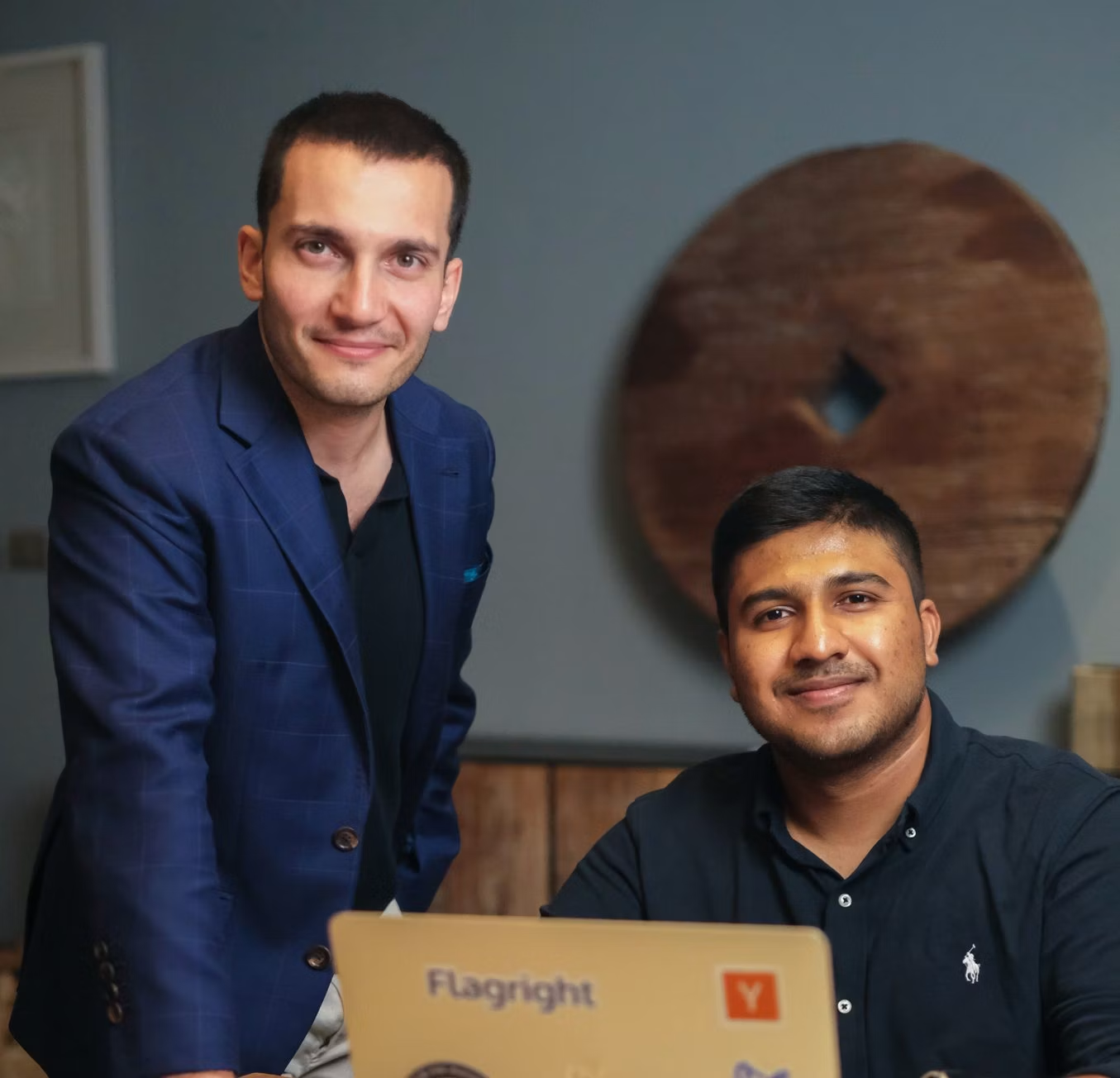
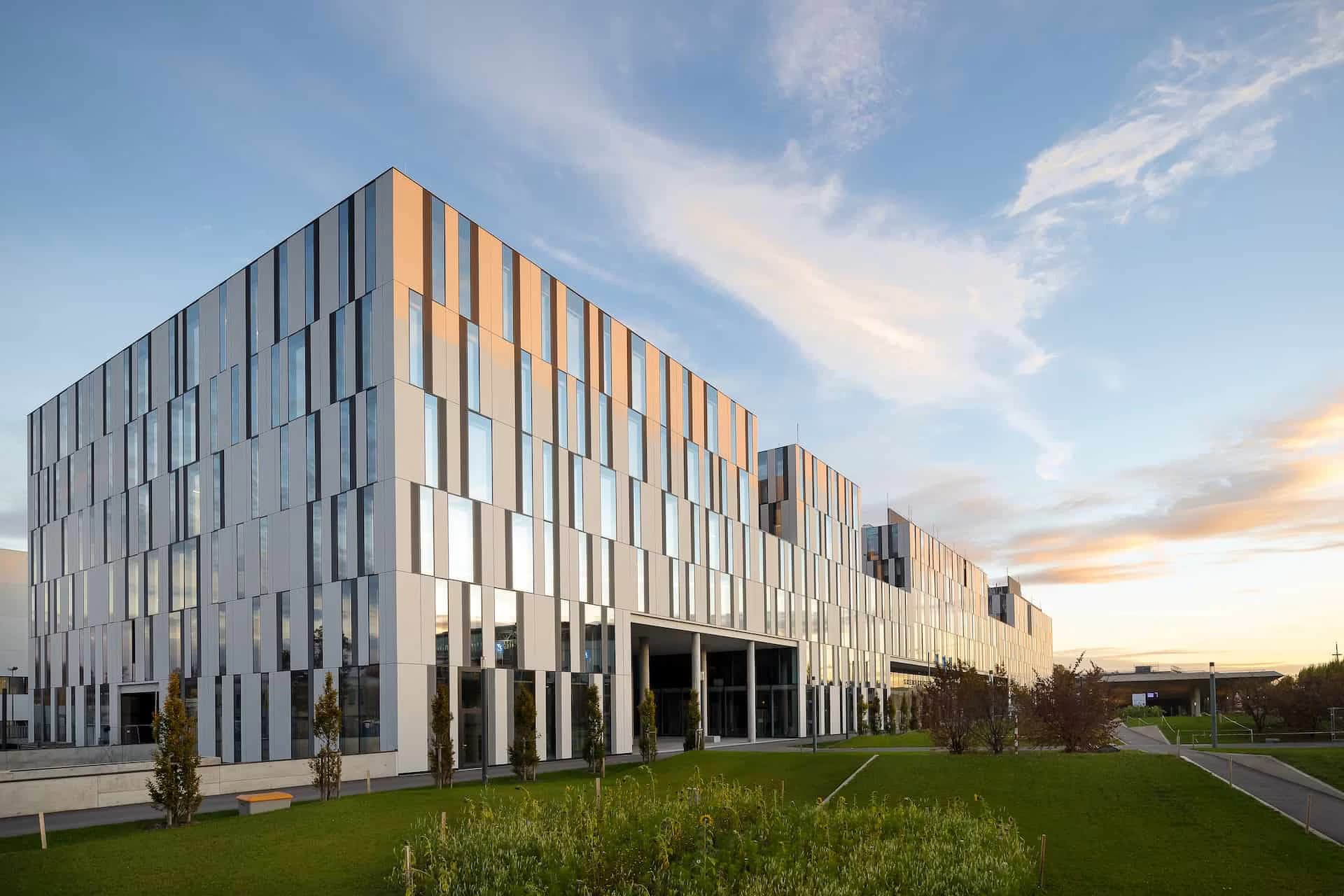
The founding team started Speakeasy at the University of Chicago. They brought experience from both the operator and engineering sides. By reaching near-profitability before raising, they demonstrated something important: the model works without subsidizing it with venture dollars.
This approach gives them leverage. They're not raising out of desperation or because they need cash to survive another quarter. They're raising to accelerate a business that already generates revenue from major entertainment operators.
The company uses both subscription fees and processing-based revenue, depending on the product. That hybrid model aligns their incentives with venue performance. When venues sell more tickets and process more payments, Speakeasy makes more money.
The market opportunity
Allied Market Research estimates the global live events industry hit $652.6 billion in 2022 and will reach $1.18 trillion by 2032. Post-pandemic consumer spending on experiences has surged, but the software powering venues hasn't kept pace.
Speakeasy competes against a mix of legacy players and point solutions. Eventbrite handles ticketing for smaller events. Toast dominates restaurant POS. Resy and OpenTable manage reservations. But none of these players offer a unified system for the specific needs of nightlife and large-scale entertainment venues.
The "vertical SaaS" playbook has worked in adjacent industries. Mindbody built a billion-dollar business serving fitness studios. ServiceTitan did the same for home services contractors. Speakeasy is betting the live events vertical is big enough to support a similar outcome.
What comes next
The company plans to use the funding to expand its client support operations and continue product development. CEO Alex Manavi emphasized that Speakeasy has maintained a "rigorous, product-first approach in an industry that has struggled to innovate for quite some time."
They're also preparing for a potential economic slowdown. Having bootstrapped to near-profitability once, they've already proven they can operate lean. That discipline should help if consumer spending on live events contracts.
Logicity's Take
Speakeasy's timing is smart. Venue operators are flush with post-pandemic demand but frustrated by their fragmented tech stacks. The bootstrapped-to-profitability story gives them credibility that most first-time fundraisers lack. Still, consolidating a venue's entire software stack means longer sales cycles and higher switching costs for customers. Competitors like Eventbrite and Toast won't cede ground quietly. The real test is whether Speakeasy can win mid-market venues, not just the marquee names they've landed so far.
Frequently Asked Questions
What does Speakeasy do?
Speakeasy provides an all-in-one operations platform for live event venues, combining ticketing, reservations, payments, CRM, and marketing into a single system.
How much funding has Speakeasy raised?
Speakeasy raised $8.8 million in its first institutional funding round, led by Positive Sum with participation from Yamaha Music Innovations Fund.
Who are Speakeasy's customers?
Major live entertainment operators including TAO Group Hospitality, Fontainebleau Development, E11EVEN, Barstool, Cipriani, and Breakaway Music Festival.
Who founded Speakeasy?
Alex Manavi cofounded and leads Speakeasy as CEO. The company was started at the University of Chicago by founders with operator and engineering backgrounds.
Another recent venture funding story with a different sector focus
Need Help Implementing This?
Building a startup in the events or hospitality space? Logicity covers funding rounds, product launches, and go-to-market strategies for founders. Subscribe to our newsletter for weekly insights on startups and emerging tech.
Source: AlleyWatch
Huma Shazia
Senior AI & Tech Writer
Produced with AI assistance and reviewed by the Logicity editorial team. Learn more in our Editorial Policy.