Key Takeaways
- John Ternus takes over as Apple CEO on September 1 and will unveil the foldable iPhone weeks later
- Apple plans roughly 10 new product categories under Ternus, compared to 3 under Tim Cook's tenure
- Expected launches include AI glasses, a smart home hub with screen, camera-equipped AirPods, and a home security system
Ternus Takes the Reins With a Blockbuster Launch
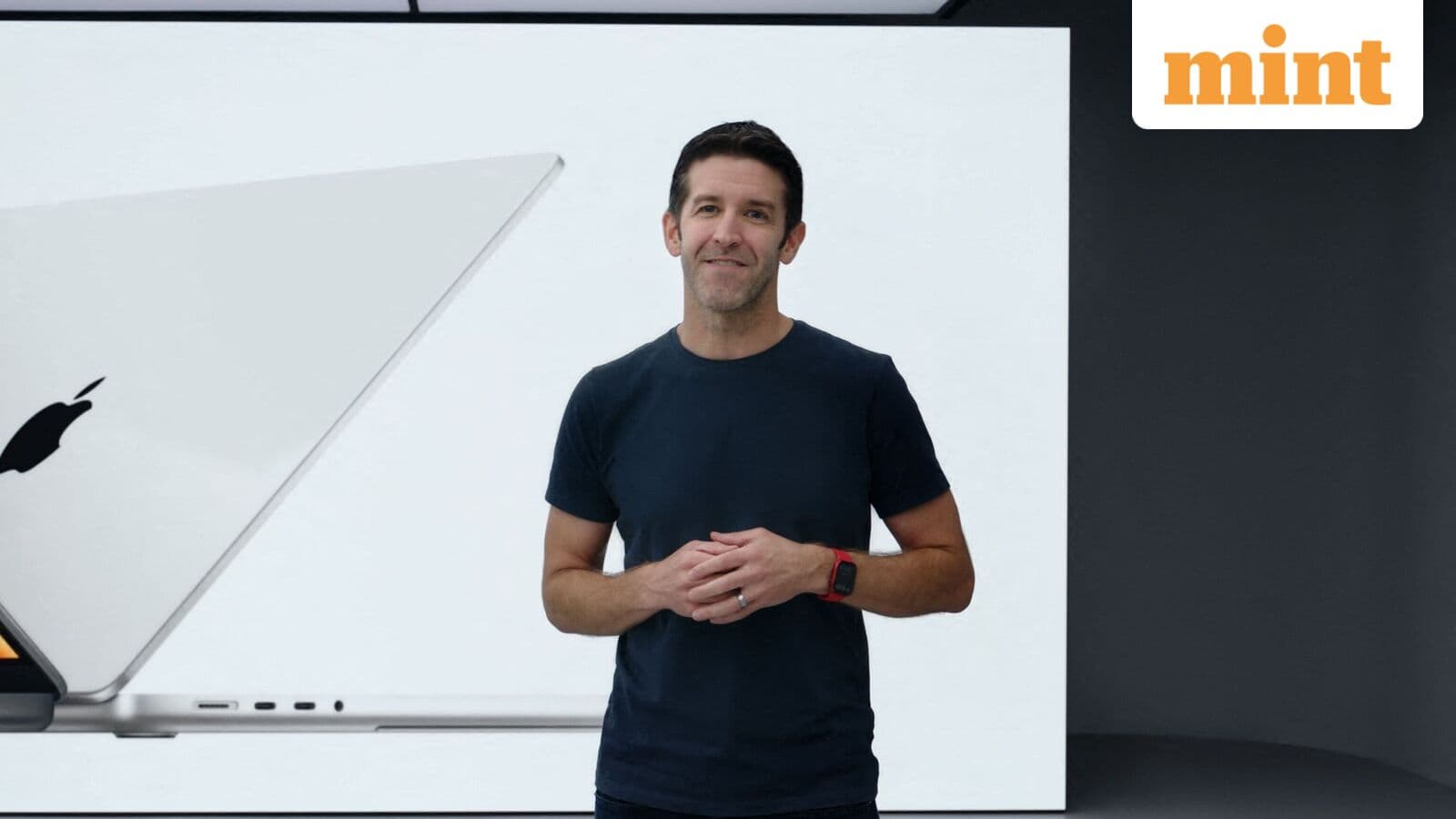
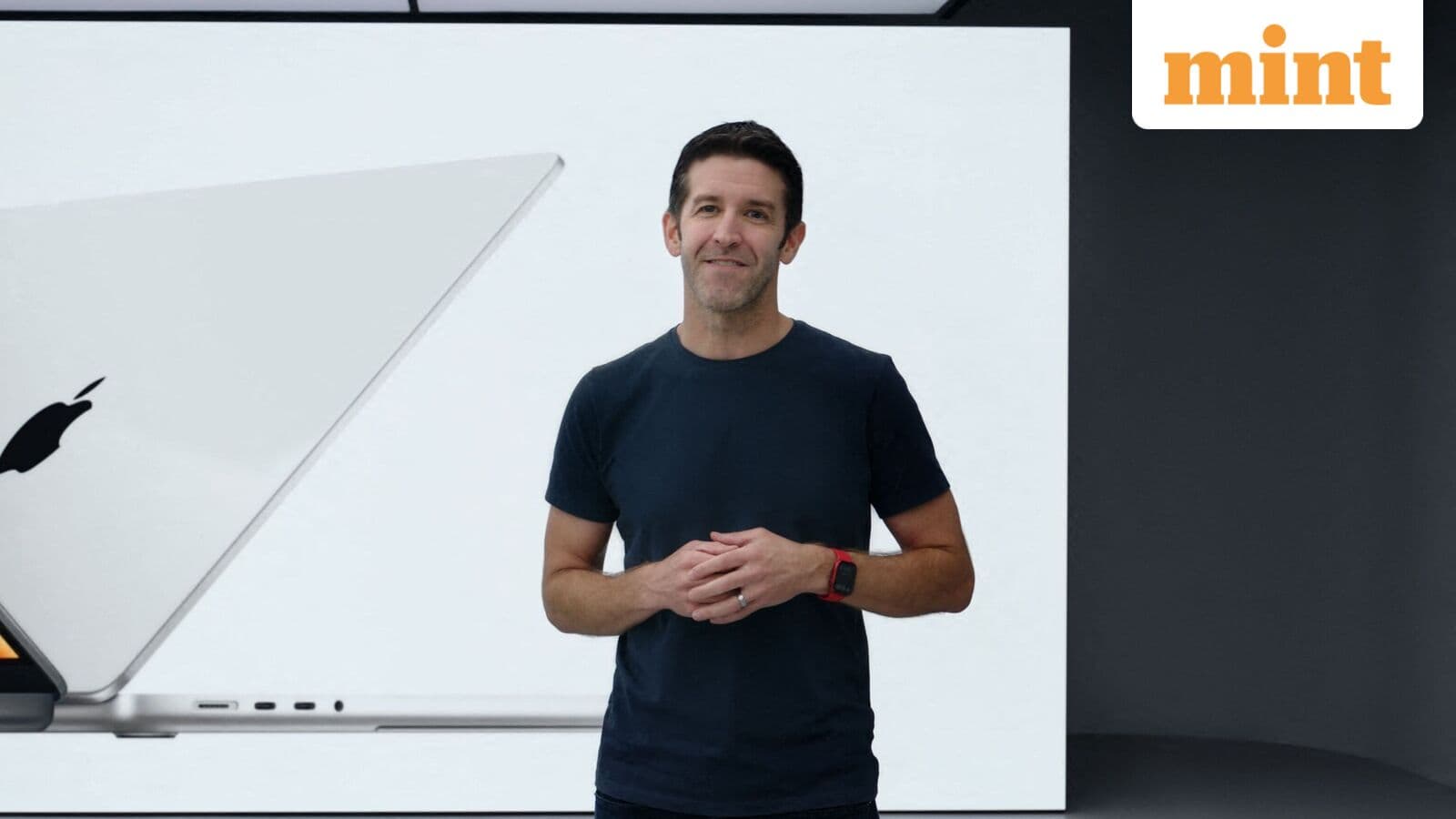
John Ternus officially becomes Apple's new CEO on September 1. According to Bloomberg's Mark Gurman, he inherits the most aggressive hardware pipeline in the company's history. While Tim Cook's tenure introduced three major new categories (Apple Watch, AirPods, and Vision Pro), Ternus is positioned to launch roughly 10 entirely new product categories in his first few years.
The timing is intentional. Ternus will take the stage just weeks after assuming the role to unveil Apple's first foldable iPhone. Gurman reports that Apple wanted its new leader to be the face of this blockbuster launch. Ternus will reportedly be credited with driving the foldable iPhone project.
Foldable iPhone: $2,000 Price Tag, Supply Constraints Expected
Apple's first foldable is expected to be hard to find in stores. Supply chain constraints and heightened demand will limit availability. The phone's expected price of around $2,000 could deter some buyers, but Gurman notes it will likely boost Apple's average selling price and fuel revenue growth.
Smart Home Hub: HomePod With a Screen
Apple is reportedly building a smart home hub that is essentially a HomePod equipped with a screen. The device could sit on a half-domed speaker base or mount on a wall using a magnetic system. It will run a new operating system built around Siri for home control and include FaceTime capabilities plus facial recognition to personalize the experience for each user.
Another look at how major tech companies are competing in AI capabilities
Tabletop Robot: A Moving Screen on a Robotic Limb
Apple is also working on a larger tabletop robotic device. Think of it as a bigger version of the smart home hub, featuring a roughly 9-inch screen attached to a robotic limb. Gurman reports the limb can physically move the display around. This could enable better videoconferencing by following a user's movements or repositioning for optimal viewing angles.
Home Security: Apple Takes on Ring and Google Nest
Apple wants to compete with Ring and Google Nest in home security. The company is reportedly developing a privacy-focused security system. Gurman notes this device is central to Apple's smart home strategy. Given Apple's emphasis on user privacy, the security angle could differentiate it from competitors that have faced criticism over data handling.
AI Glasses: Apple's Answer to Meta Ray-Bans
Apple's competitors to Meta's Ray-Ban smart glasses have been rumored for some time. Gurman confirms the wearables will use cameras to capture media and collect data for AI use cases. The glasses will also have basic features like music playback, Siri activation, and phone calls. This positions them as a direct competitor to Meta's successful collaboration with Ray-Ban.
Another example of tech companies expanding into everyday utility
Camera-Equipped AirPods: Visual AI in Your Ears
Apple's popular audio lineup is getting a major upgrade. The company is developing high-end AirPods with low-resolution cameras that capture images. By feeding this visual context about a user's surroundings into AI, the earbuds could offer visual-based reminders and improved directions. Imagine walking through a city and your AirPods recognizing a landmark to provide navigation guidance.
What This Means for Apple's Direction
The sheer breadth of this roadmap signals a strategic shift. Under Tim Cook, Apple refined existing categories and occasionally introduced new ones. Under Ternus, the company appears ready to flood multiple markets simultaneously. The foldable iPhone addresses demand Apple has resisted for years while competitors like Samsung iterated on the form factor.
The AI glasses and camera-equipped AirPods suggest Apple sees wearables as the next major computing platform. The smart home devices indicate Apple wants a bigger piece of the connected home market it has largely ceded to Google and Amazon.
Logicity's Take
Frequently Asked Questions
When does John Ternus become Apple CEO?
John Ternus officially takes over as Apple CEO on September 1, 2025.
How much will the Apple foldable iPhone cost?
Bloomberg reports the foldable iPhone is expected to cost around $2,000.
What new products is Apple launching under John Ternus?
Expected launches include a foldable iPhone, AI glasses, a smart home hub with screen, a tabletop robotic device, a home security system, and camera-equipped AirPods, among others.
Will the Apple foldable iPhone be hard to buy?
Yes. Bloomberg reports supply chain constraints and high demand will make the device hard to find in stores at launch.
Is Apple making smart glasses like Meta Ray-Bans?
Apple is reportedly developing AI glasses with cameras for media capture and AI use cases, plus music playback, Siri, and phone calls.
Need Help Implementing This?
Source: mint / Aman Gupta
Huma Shazia
Senior AI & Tech Writer
Produced with AI assistance and reviewed by the Logicity editorial team. Learn more in our Editorial Policy.




