Key Takeaways

- Anthropic gains 300 megawatts of compute capacity from SpaceX's Colossus 1 facility this month
- Claude Code rate limits double for Pro, Max, Team, and Enterprise plans effective immediately
- The companies are exploring orbital AI compute using satellite-based data centers
Anthropic announced today that it has signed an agreement with SpaceX to lease the full compute capacity of the Colossus 1 data center in Memphis. The deal gives Anthropic access to more than 300 megawatts of power and over 220,000 NVIDIA GPUs, effective within the month.
The immediate result: doubled rate limits for Claude Code across all paid tiers, removed peak-hour restrictions for Pro and Max subscribers, and significantly higher API throughput for developers using Claude Opus models.
What Changed for Claude Users
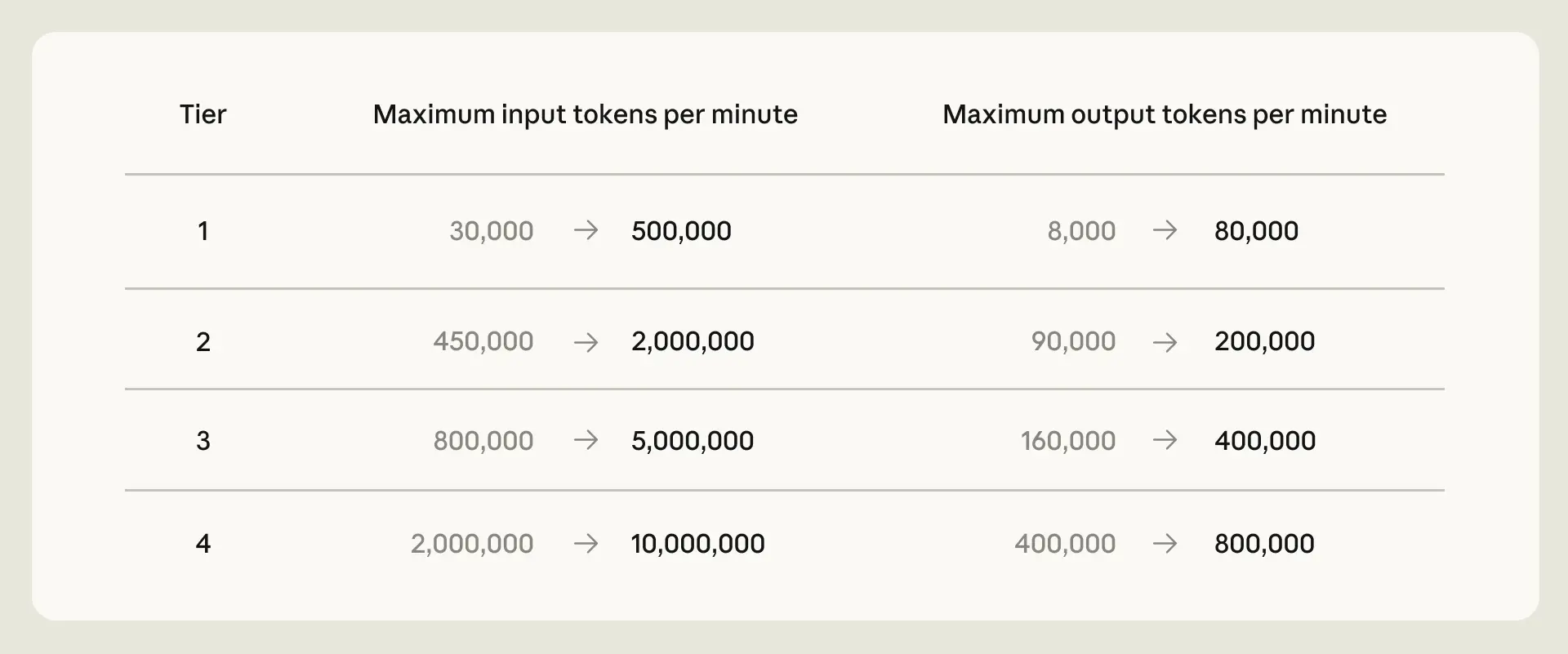
Three changes take effect today. First, Claude Code's five-hour rate limits now double for Pro, Max, Team, and seat-based Enterprise plans. Second, the peak hours limit reduction on Claude Code is gone for Pro and Max accounts. Third, API rate limits for Claude Opus models increase substantially.
According to Anthropic's research, Tier 1 API users see a 1,500% increase in maximum input tokens per minute. The company reports 80x year-over-year growth in API volume as of May 2026, which explains the urgency behind this capacity expansion.
“The demand for Claude Code is growing so fast it's almost too hard to handle—this deal is our release valve.”
— Dario Amodei, CEO of Anthropic
Why SpaceX? Why Now?
Colossus 1 was originally built by Elon Musk for xAI. As xAI migrates operations to the next-generation Colossus 2 facility, the original supercomputer became available. Anthropic moved quickly to secure it.
“No one set off my evil detector. So long as they engage in critical self-examination, Claude will probably be good.”
— Elon Musk, CEO of SpaceX
The deal addresses what Anthropic calls severe "capacity at limit" errors that have frustrated users since early 2026. Tom Brown, Anthropic co-founder, framed the partnership in practical terms: "We are going to need to move a lot of atoms in order to keep up with AI demand, and there's nobody better at quickly moving atoms than SpaceX."
Anthropic's Compute Portfolio
This SpaceX deal joins a growing list of infrastructure commitments. Anthropic now has agreements with nearly every major cloud and chip provider.
- Amazon: Up to 5 gigawatts, with nearly 1 GW of new capacity by end of 2026
- Google and Broadcom: 5 GW agreement, coming online in 2027
- Microsoft and NVIDIA: $30 billion of Azure capacity through a strategic partnership
- Fluidstack: $50 billion investment in American AI infrastructure
Anthropic trains and runs Claude on AWS Trainium, Google TPUs, and NVIDIA GPUs. The company says it continues to explore additional capacity sources.
Orbital AI Compute: The Unusual Detail
Buried in the announcement is a line that sounds like science fiction: Anthropic has "expressed interest in partnering with SpaceX to develop multiple gigawatts of orbital AI compute capacity."
The concept involves satellite-based data centers that would use space cooling and solar power to scale beyond terrestrial limits. No timeline or specifics were provided, but the companies are clearly exploring the idea.
International Expansion and Energy Commitments
Enterprise customers in regulated industries need in-region infrastructure to meet compliance and data residency requirements. Anthropic's Amazon collaboration includes additional inference capacity in Asia and Europe.
The company says it is intentional about where it adds capacity, partnering only with "democratic countries whose legal and regulatory frameworks support investments of this scale." Security of the hardware, networking, and facilities supply chain is also a stated priority.
On the energy front, Anthropic recently committed to cover any consumer electricity price increases caused by its US data centers. The company is exploring ways to extend that commitment internationally and invest in local communities.
Security implications for enterprises using AI infrastructure

Logicity's Take
Frequently Asked Questions
When do the new Claude rate limits take effect?
All three changes are effective today, May 6, 2026. Claude Code limits double, peak-hour restrictions are removed for Pro and Max, and API rate limits increase for Opus models.
How many GPUs does Anthropic get from SpaceX?
Over 220,000 NVIDIA GPUs from the Colossus 1 data center in Memphis, representing 300 megawatts of compute capacity.
What is orbital AI compute?
A concept for satellite-based data centers that would use space cooling and solar power. Anthropic and SpaceX have expressed interest in developing this, but no concrete timeline exists.
Will this affect Claude API pricing?
The announcement does not mention pricing changes. The focus is on capacity and rate limits rather than cost adjustments.
Does this mean SpaceX is no longer using Colossus 1?
xAI is migrating to the next-generation Colossus 2 facility, which freed up Colossus 1 for this lease agreement with Anthropic.
Need Help Implementing This?
Source: Hacker News: Best
Huma Shazia
Senior AI & Tech Writer
Produced with AI assistance and reviewed by the Logicity editorial team. Learn more in our Editorial Policy.