Key Takeaways
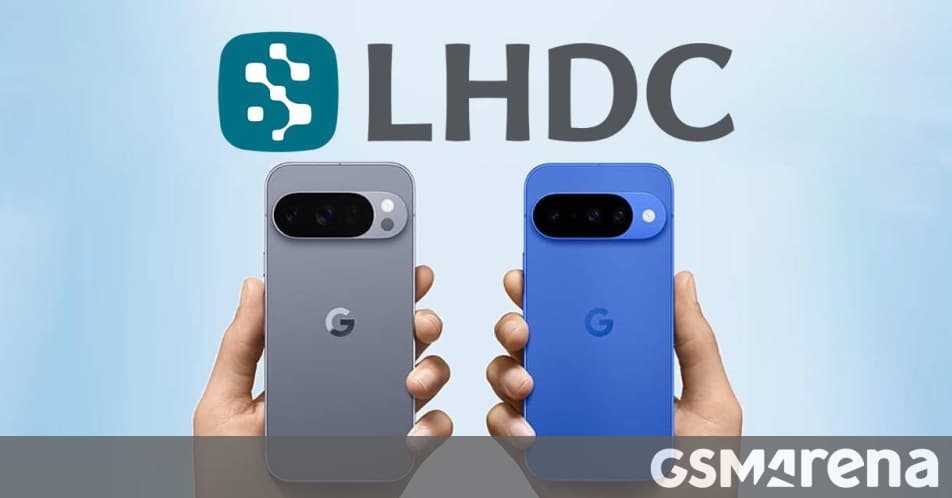
- Android 17 stable release now includes LHDC v5 codec support for Pixel phones, though Google never announced it
- LHDC v5 enables 96kHz sampling rate with adaptive bitrate up to 900Kbps and 80ms low latency
- Users must enable LHDC v5 manually through Developer Settings and need compatible headphones
Google's Android 17 stable release includes support for LHDC v5, a high-resolution Bluetooth audio codec the company never mentioned in its official changelog. Reddit users spotted the addition back in beta 3 a few months ago, and now Pixel owners on the stable release can access it through Developer Settings.
This marks a shift for Google. Pixel phones have historically relied on LDAC, Sony's competing codec, as their premium Bluetooth audio option. Adding LHDC v5 gives Pixel users another path to high-quality wireless audio, particularly with earbuds from manufacturers who backed Savitech's codec over Sony's.
How to enable LHDC v5 on your Pixel
The codec is not enabled by default. You will need to unlock Developer Settings first: go to Settings, tap About phone, then tap Build Number seven times until you see a confirmation notification.
Once Developer Settings appears in your settings menu, open it and scroll to Bluetooth Audio Codec. If LHDC v5 does not show as your current codec, tap the option to see a list of available codecs and select it manually.
Two requirements apply. Your Pixel must be running Android 17, and your headphones or earbuds must support LHDC v5. Many Bluetooth audio devices already do. The Nothing Ear (2), released three years ago, shipped with v5 support. So did last year's OnePlus Buds 4. Chinese audio brands like FiiO, HiBy, and some Huawei and Honor devices have supported the codec for years.
What LHDC v5 offers over other codecs
LHDC stands for Low Latency High-Definition Audio Codec, developed by Taiwanese company Savitech. Version 5 pushes the sampling rate to 96kHz with an adaptive bitrate ranging from 128Kbps to 900Kbps depending on connection quality.
The 80ms latency figure is the headline number for gamers and video watchers. Standard SBC Bluetooth connections often exceed 200ms, creating noticeable audio lag. LHDC v5's low-latency mode cuts that gap significantly.
For music listeners, the codec carries Hi-Res Audio Wireless certification from the Japan Audio Society. Its maximum specifications match LDAC at 24-bit/192kHz resolution. The adaptive bitrate also means LHDC v5 handles congested wireless environments better than earlier versions, maintaining stability at 400Kbps minimum rather than dropping frames.
Why Google stayed silent
Google's official Android 17 announcement makes no mention of LHDC v5. No blog post, no tweet from the Android account, no changelog entry. The company has not explained the omission.
A few possibilities exist. Google may have added codec support primarily for OEM partners who requested it, without wanting to promote a competitor to LDAC. Or the feature might still be considered experimental, hence its placement behind Developer Settings rather than in standard audio preferences.
Whatever the reason, the lack of announcement means many Pixel users running Android 17 have no idea the option exists. Unless you follow Android beta news on Reddit or check Developer Settings regularly, you would miss it entirely.
Getting the best results with LHDC v5
Enabling the codec is only half the equation. Your headphones need compatible settings too. If your earbuds have a companion app, check for a Hi-Res Audio option and enable it. Some apps let you verify which codec the connection is actually using.
Music source matters as well. Standard streaming quality tops out around 256Kbps, which does not take advantage of LHDC v5's upper bitrate range. Apple Music and Spotify both offer Lossless modes that push higher-quality audio to your device before Bluetooth encoding. Tidal and Amazon Music Unlimited also support lossless streaming.
| Codec | Max Bitrate | Max Resolution | Latency |
|---|---|---|---|
| LHDC v5 | 900 Kbps | 96kHz/24-bit | 80ms |
| LDAC | 990 Kbps | 96kHz/24-bit | ~150-200ms |
| aptX HD | 576 Kbps | 48kHz/24-bit | ~130ms |
| SBC | 328 Kbps | 48kHz/16-bit | 200ms+ |
Will you actually hear a difference?
Audiophile debates about Bluetooth codecs tend to generate more heat than light. In controlled tests, most listeners struggle to distinguish LDAC from LHDC v5 from aptX HD when all are running at high bitrates. The differences become more audible with complex musical passages or when connection quality degrades.
The latency improvement is more universally noticeable. If you have ever watched video on your phone with Bluetooth earbuds and noticed lips moving slightly out of sync with dialogue, dropping from 200ms to 80ms fixes that. Gaming, where audio timing affects gameplay, benefits even more.
Frequently Asked Questions
Which Pixel phones support LHDC v5?
Any Pixel phone running Android 17 stable release can use LHDC v5. The feature is enabled through Developer Settings in the Bluetooth Audio Codec option.
Do I need special headphones for LHDC v5?
Yes. Your headphones or earbuds must support LHDC v5 specifically. Many models from Nothing, OnePlus, FiiO, HiBy, and some Huawei devices include this support.
Is LHDC v5 better than LDAC?
They are comparable for audio quality, both supporting 24-bit/96kHz resolution at similar bitrates. LHDC v5's main advantage is lower latency at 80ms versus LDAC's typical 150-200ms.
Why is LHDC v5 hidden in Developer Settings?
Google has not explained this decision. It may be considered experimental, or Google may prefer not to prominently feature a codec that competes with partner Sony's LDAC.
Does LHDC v5 drain more battery than other codecs?
Higher bitrate codecs generally require more processing power than basic SBC, but LHDC v5's adaptive bitrate helps manage power consumption by scaling down when high resolution is not needed.
Logicity's Take
Google's quiet addition of LHDC v5 signals something bigger than codec preferences. The company is moving toward codec agnosticism, letting users and headphone manufacturers decide rather than picking favorites. This matters for the Android ecosystem. As Chinese audio brands gain global market share, their codec of choice getting first-party Pixel support removes a friction point. The silent rollout suggests Google wants the technical capability without the public positioning, keeping Sony happy while serving a broader hardware ecosystem.
Apple's premium hardware strategy and how it differs from Google's open codec approach
Need Help Implementing This?
Building audio applications or evaluating Bluetooth codec support for your hardware product? Our team tracks mobile platform changes and can help you understand the technical implications. Contact Logicity for analysis tailored to your development needs.
Source: GSMArena.com / Peter
Manaal Khan
Tech & Innovation Writer
Produced with AI assistance and reviewed by the Logicity editorial team. Learn more in our Editorial Policy.