Key Takeaways
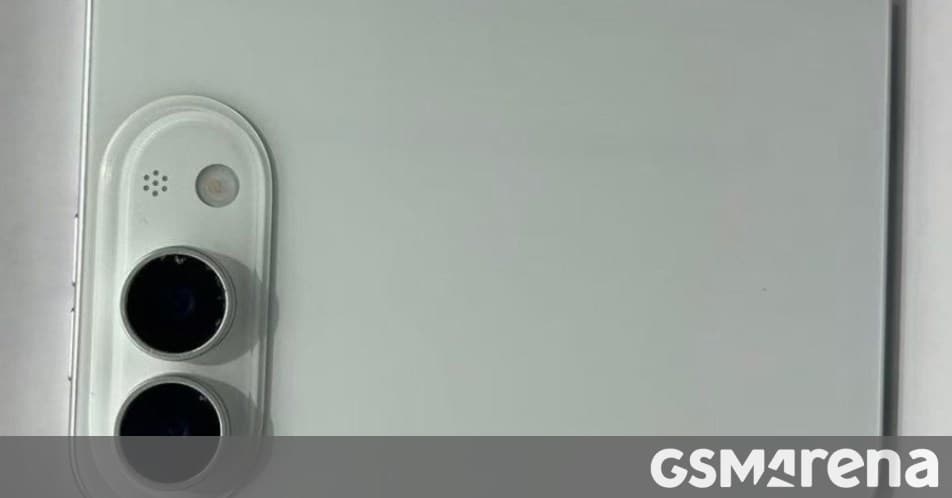
- Multiple supply chain sources now confirm iPhone Ultra will debut alongside iPhone 18 Pro and Pro Max in September 2026
- Earlier delay reports appear to have been premature or reflected limited supplier visibility
- Apple may stagger the Ultra's actual availability a few weeks after the main launch event
The iPhone Ultra remains on schedule for a September 2026 unveiling, according to fresh supply chain sources that contradict last week's delay rumors. Two separate reports from Apple's manufacturing partners indicate no timeline changes, with the Ultra expected to debut alongside the iPhone 18 Pro and iPhone 18 Pro Max.
Last week's report suggesting a delay got pushback almost immediately. A Weibo-based leaker disputed the claim, and now industry sources speaking to GSMArena have backed that position. One source described as working "at an Apple supplier" confirmed the September launch window. A second source said they had received no indication of any schedule slip.
Why the conflicting supply chain reports?
Apple's manufacturing network spans dozens of suppliers across multiple countries. Not every supplier has full visibility into Apple's master timeline. A component maker might see their own delivery schedules shift without knowing whether that reflects a product delay or simply Apple rebalancing orders across vendors.
The iPhone Ultra represents Apple's rumored fourth tier in the iPhone lineup. If it exists, it would sit above even the Pro Max in price and positioning. Reports have described an ultra-thin design around 6mm thick, a single rear camera relying heavily on computational photography, and premium materials throughout. This would mark Apple's biggest iPhone lineup restructuring since the Pro and Pro Max split.
Given that complexity, some supplier confusion is predictable. A delay at one factory doesn't necessarily mean a product-wide delay. The original "delay" report may have reflected limited information from a single point in the supply chain.
September unveiling, but when can you buy it?
The most plausible reading of these reports: Apple will announce the iPhone Ultra in September 2026 alongside the iPhone 18 Pro and Pro Max, but the Ultra might ship a few weeks later. Apple has done this before. The iPhone 14 Plus launched several weeks after the rest of its lineup. Various Apple Watch Ultra models followed similar patterns.
A staggered release would let Apple manage production ramp-up for what's reportedly a challenging design. An ultra-thin chassis with flagship internals creates thermal and component-density problems that take time to solve at scale. Apple's quality control standards don't flex for marketing deadlines.
What does this mean for the iPhone Ultra's positioning?
Analysts expect pricing above the Pro Max tier, likely starting around $1,199 or higher. That creates a narrow target market: buyers who want the thinnest possible iPhone and will pay a premium for it, even if it means accepting a single camera instead of the Pro Max's triple-lens array.
The bet is that computational photography has advanced enough to close the gap. A single high-quality sensor paired with Apple's Neural Engine could, in theory, deliver Pro-level results through software processing. Whether buyers accept that trade-off will determine the Ultra's success.
Apple's over 1.5 billion active iPhone users represent the world's largest premium smartphone install base. Even a small percentage upgrading to an Ultra tier translates to significant revenue. The question isn't whether the Ultra will sell, it's whether it becomes a permanent lineup fixture or a one-generation experiment.
The reliability problem with supply chain rumors
This back-and-forth highlights a persistent issue with pre-launch Apple coverage. Supply chain sources provide real information, but that information is fragmentary. A supplier knows their orders changed. They don't always know why.
Reporters and analysts piece together these fragments into narratives. Sometimes those narratives prove accurate. Sometimes they don't. The iPhone Ultra's launch status will remain uncertain until Apple announces it, or September 2026 arrives without an announcement.
For now, the weight of evidence suggests the Ultra is still happening on Apple's original timeline. But "evidence" here means unnamed sources at suppliers who may or may not have complete information. Treat it accordingly.
Logicity's Take
The real story here isn't the Ultra's timeline. It's how Apple has successfully created anticipation for a device tier that doesn't exist yet. The company hasn't confirmed the Ultra's existence, yet the tech press treats supply chain tea leaves as hard news. Apple benefits from this uncertainty: free publicity, no commitment, and the ability to quietly shelve the product if manufacturing challenges prove insurmountable. If the Ultra launches, Apple looks like it delivered on expectations. If it doesn't, Apple never promised anything.
Frequently Asked Questions
When will the iPhone Ultra be released?
Supply chain sources indicate September 2026 for the announcement, with retail availability potentially following a few weeks later. Apple has not officially confirmed the product.
How much will the iPhone Ultra cost?
Analysts expect pricing above the Pro Max tier, likely starting around $1,199 or higher, positioning it as Apple's most expensive iPhone.
What makes the iPhone Ultra different from iPhone Pro Max?
Reports describe an ultra-thin design around 6mm thick with a single rear camera relying on computational photography, versus the Pro Max's thicker body and triple-lens system.
Has Apple confirmed the iPhone Ultra exists?
No. All information comes from supply chain reports and analyst predictions. Apple has made no official announcement about an Ultra tier.
Need Help Implementing This?
Enterprise teams planning device refresh cycles or mobile strategy around Apple's 2026 lineup can contact Logicity for analysis on timing your hardware investments. Reach out through our consulting page.
Source: GSMArena.com / Vlad
Huma Shazia
Senior AI & Tech Writer
Produced with AI assistance and reviewed by the Logicity editorial team. Learn more in our Editorial Policy.