Amazon Globalstar Acquisition: Tech Giant Buys Apple's Satellite SOS Partner to Challenge Starlink
Key Takeaways
- Amazon is merging with Globalstar to expand its Project Kuiper satellite network
- Apple owns 20% of Globalstar but will continue using the network for iPhone and Watch SOS features
- Direct-to-device satellite service won't launch until 2028
- Amazon faces FCC deadline pressure with only 700 of required 1,600 satellites expected by July 2026
- The acquisition signals Amazon's aggressive push into the satellite internet space against SpaceX's Starlink
Read in Short
Amazon just announced it's buying Globalstar, the satellite company that makes your iPhone's emergency SOS feature work. This supercharges Amazon's Starlink competitor (Project Kuiper/Leo) and yes, Apple's satellite features will keep working through a new partnership. Don't expect direct-to-phone satellite service until 2028 though.
So here's the thing about the space internet race: it just got a whole lot more interesting. Amazon announced today that it's merging with Globalstar Inc., and if that name doesn't ring a bell, you've definitely used their tech. Every time someone uses the emergency satellite SOS feature on an iPhone or Apple Watch, that's Globalstar making the magic happen up there in low Earth orbit.
What This Means for Project Kuiper
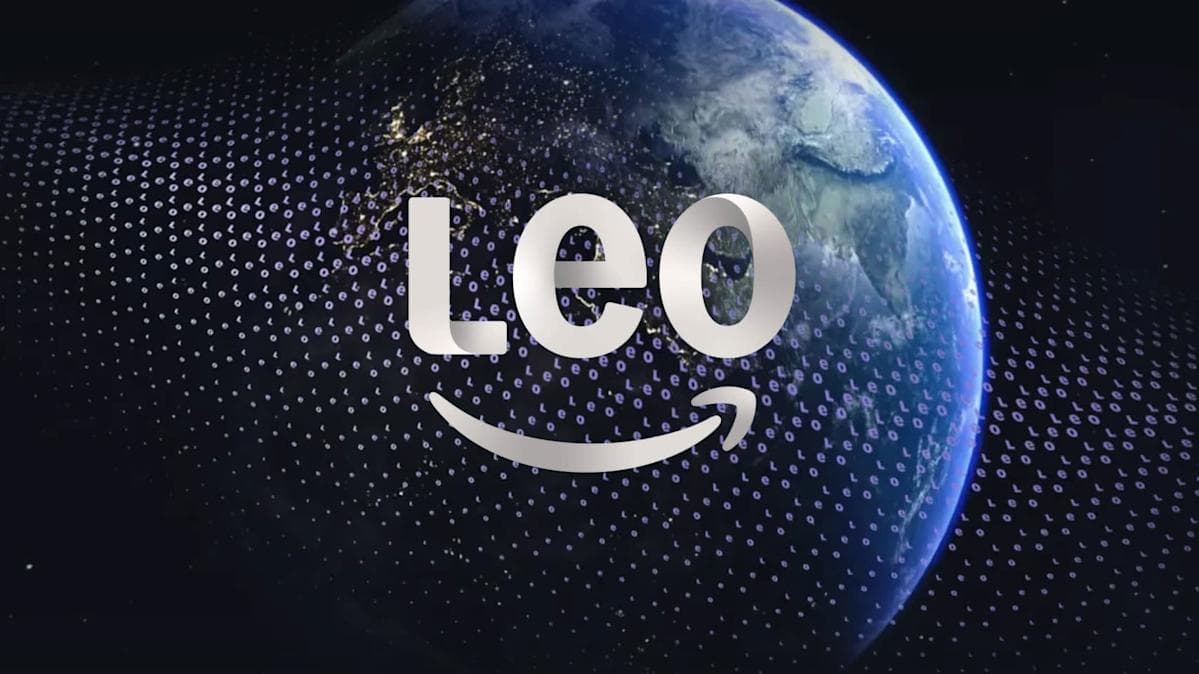
Amazon's been quietly building its Starlink competitor called Project Kuiper (they're branding the network as Leo now, which honestly sounds way cooler). The problem? They've been playing serious catch-up to Elon Musk's satellite internet constellation that already has thousands of satellites blanketing the planet.
Buying Globalstar gives Amazon something it desperately needed: an established satellite footprint and the technology for direct-to-device connectivity. That's the holy grail right now. We're talking about your regular smartphone connecting directly to satellites without any special hardware. SpaceX is doing it with T-Mobile. Apple's been doing emergency SOS through Globalstar. And now Amazon wants in on the action.
The Apple Elephant in the Room
Here's where it gets spicy. Apple owns 20 percent of Globalstar. They paid $1.5 billion for that stake just last year. And somehow, Amazon's press release just... didn't mention that? Classic corporate communications move right there.
What they did say is that Amazon and Apple have already worked out a deal. Leo (Amazon's satellite network) will continue powering satellite services for iPhones and Apple Watches. The partnership extends into the future too, with both companies agreeing to collaborate on next-gen satellite features using Amazon's expanded network.
Think about what this means. Apple gets to keep its emergency SOS features running without building out its own satellite constellation. Amazon gets Apple as a major customer for its satellite network. And Amazon absorbs a company that Apple partially owns. That's some 4D chess happening in the boardroom.
If you're interested in the tech supply chain dynamics driving these massive acquisitions
The Timeline Problem
Now for the reality check. This deal isn't closing until 2027. Direct-to-device service won't launch until 2028. We're talking about promises that are years away from delivery.
And there's a bigger issue looming. Amazon has an FCC deadline coming up in July 2026. They need to have 1,600 satellites in orbit by then. Current projections? They'll have about 700 actually working up there. That's less than half of what they promised.
The FCC Deadline Explained
When companies get spectrum licenses for satellite networks, the FCC requires them to actually deploy those satellites on a schedule. Miss the deadline, lose the license. Amazon needs to either launch a lot more rockets or convince regulators to extend their timeline.
Why Amazon Is Playing Catch-Up
Let's be honest about the competitive landscape here. Starlink already has over 6,000 satellites in orbit. They've got millions of subscribers. The service actually works, and it's been a game-changer for rural areas and, you know, a certain country fighting a war in Eastern Europe.
Amazon's been in development mode while SpaceX has been in deployment mode. This acquisition is Amazon basically saying "we need a shortcut." Globalstar brings existing satellites, ground infrastructure, proven direct-to-device technology, and a relationship with Apple. That's a lot of boxes checked with one transaction.
- Globalstar operates 24 satellites in low Earth orbit
- The company has existing ground station infrastructure globally
- Their tech already powers millions of iPhone emergency SOS calls
- Partnership agreements with Apple remain intact post-acquisition
What This Means for Your Phone
The really interesting part? This could change how your next phone works. Right now, satellite connectivity on phones is basically just for emergencies. Text-only, slow, limited to SOS situations. But the end goal for all these companies is actual satellite internet on regular phones.
Imagine being in the middle of nowhere with full data connectivity. No cell towers needed. That's what Amazon's betting on with Leo. The question is whether they can actually deliver on that promise while SpaceX and T-Mobile are already testing similar features today.
For iPhone users specifically, nothing changes in the short term. Your emergency SOS features will keep working exactly as they do now. The backend will just eventually switch from Globalstar's independent network to Amazon's Leo constellation. Apple seems perfectly happy with this arrangement, probably because they negotiated some favorable terms for that 20 percent stake they're holding.
Another major tech company making moves that affect your everyday devices
The Bigger Picture
This acquisition tells us something about where Big Tech is heading. Space isn't just for SpaceX anymore. Amazon's willing to drop serious money to catch up. Apple's positioning itself as a customer rather than a competitor. And the smartphone in your pocket is about to become a lot less dependent on cell towers.
The satellite internet wars are heating up, and 2028 might be the year everything changes. Or Amazon might miss their deadlines and we'll be reading about regulatory extensions and delays. That's the fun part about tech acquisitions this big. The press releases are exciting. The execution? That's where things get messy.
Frequently Asked Questions
Will my iPhone's emergency SOS feature stop working?
No. Amazon and Apple have agreed that Leo will continue powering satellite services for iPhones and Apple Watches.
When will Amazon's satellite internet service launch?
Direct-to-device service isn't expected until 2028, with the Globalstar deal itself closing in 2027.
How does this affect Starlink?
It creates a much stronger competitor. Amazon gains established satellite infrastructure and direct-to-device technology through this acquisition.
What happens to Apple's 20% stake in Globalstar?
The companies haven't detailed this publicly, but Apple will continue as a customer for satellite services through the partnership agreement.
One thing's certain: the race to connect every phone on Earth from space just got a lot more competitive. And honestly? That's probably good news for everyone who's ever stood in a dead zone wishing their phone actually worked.
Expansion into Mobile Carrier Services and Enhanced Apple Connectivity
The new article clarifies that Amazon's 'Amazon Leo' (not Kuiper) will specifically support mobile network operators with voice, text, and data services for a fee. It also notes that Apple devices may see improved connectivity by accessing the combined constellations of both Globalstar and Amazon Leo.
Huma Shazia
Senior AI & Tech Writer
Produced with AI assistance and reviewed by the Logicity editorial team. Learn more in our Editorial Policy.