Key Takeaways
Sam Altman Says OpenAI ‘Not For Sale’ Despite Musk’s $100 Billion Offer

- Sam Altman now believes AI has been net job-creating, contradicting his earlier 'potentially scary' warnings
- Multi-university research found programmer and copywriter job declines began before ChatGPT launched
- No studies currently show significant AI impact on overall productivity or employment numbers
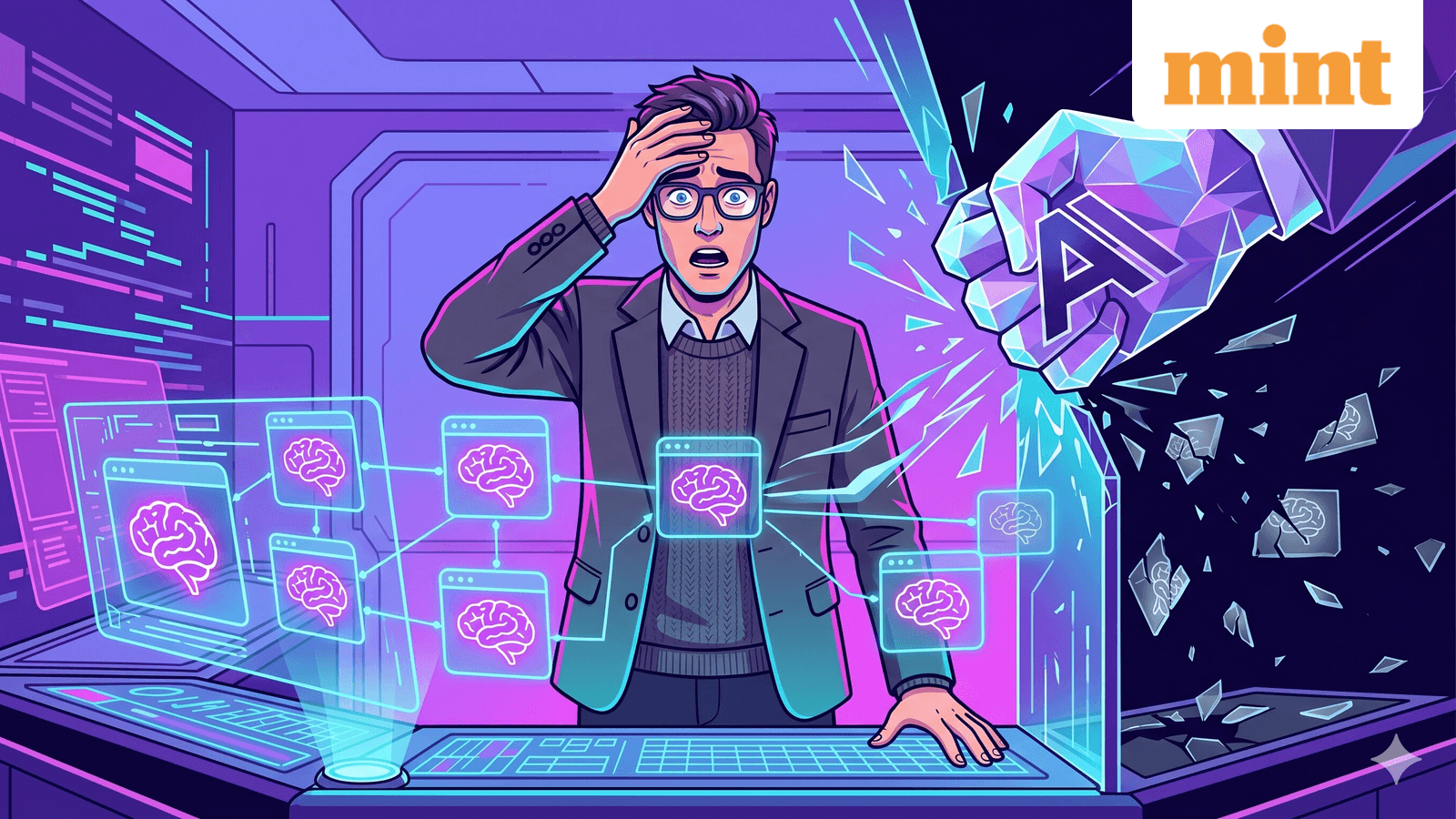
Sam Altman says AI is creating more jobs than it destroys. The OpenAI CEO wrote on X that he's "pretty sure" AI has been net job-creating, adding "this is not what I expected." That's a sharp turn from his earlier stance, when he warned the impact could happen "so fast that it's potentially a little scary."
He's not alone in walking back doom predictions. Anthropic CEO Dario Amodei, who previously claimed AI would automate large portions of entry-level office work "within a very short time," now calls automation a productivity multiplier rather than a job killer.
What does the data actually show?
Here's the uncomfortable truth for both camps: we don't have strong evidence either way. No studies so far show a significant AI impact on overall measured productivity or the labor market.
A recent multi-university study found something surprising. The job crisis among programmers and copywriters began in early 2022, months before ChatGPT launched in November that year. The Yale Budget Lab reached a similar conclusion: no AI-related job market shifts visible in the data.
That doesn't mean layoffs haven't happened. They have. Some companies redirected worker budgets to AI hardware. Others needed a narrative that would play well with shareholders. But attributing these to AI capability rather than hype cycles or macroeconomic factors is harder than it looks.
Why the pivot matters for product teams
When the CEOs of the two leading AI labs both reverse their employment predictions within months, that's worth noticing. It suggests their internal data, customer usage patterns, or business metrics aren't matching the automation narratives they sold earlier.
For AI builders, this raises a question: if even OpenAI and Anthropic overestimated near-term disruption, how should you calibrate your own product roadmaps? The answer probably isn't "ignore automation potential." But it might be "don't bet your go-to-market on replacing humans when augmentation sells better and delivers faster."
Teams using tools like Zapier or Make for workflow automation are already seeing this pattern. The wins come from handling repetitive tasks so humans can do more interesting work, not from eliminating headcount.
Disclosure
Some links in this post are affiliate links — Logicity earns a commission if you sign up, at no extra cost to you. We only link products we have used or actively recommend.
The credibility problem
There's an awkward dynamic here. In 2023 and 2024, tech CEOs made headlines with dire automation warnings. Those warnings helped justify enormous valuations, GPU purchases, and regulatory conversations framed around AI's inevitability.
Now that the job apocalypse hasn't materialized, the same CEOs are claiming credit for a different outcome. "We created jobs after all" is convenient positioning when your business model depends on enterprise adoption, and enterprises get nervous about tools that might gut their workforce.
Altman's candor, "this is not what I expected," at least acknowledges the shift. But it also raises a fair question: if the predictions were wrong then, why trust the predictions now?
What comes next
The honest answer is we don't know. AI capabilities continue advancing. GPT-5.6, Claude 4, and the next generation of models will push boundaries further. But the employment impact will depend on adoption speed, economic conditions, and how companies choose to deploy these tools.
For now, the gap between AI hype cycles and measurable economic impact remains wide. That gap might close. Or it might persist as AI becomes another productivity tool, like spreadsheets or databases, that changes work without eliminating it.
Logicity's Take
Altman's pivot is less surprising than it sounds. Enterprise sales require trust, and 'we'll automate your workforce' is a terrible pitch when you're trying to close seven-figure contracts. The more interesting signal is what this says about AI's actual penetration. If models this capable aren't measurably moving productivity or employment numbers, either the tools aren't being adopted as fast as demos suggest, or the productivity gains are flowing to individual workers rather than showing up in macro data. For product teams, the takeaway is practical: position AI features as workflow accelerators, not replacement technology. Your buyers are probably more receptive to that framing anyway.
Frequently Asked Questions
Has AI actually created or destroyed jobs so far?
Current research shows no significant measurable impact either way. A multi-university study found job declines in programming and copywriting began before ChatGPT launched, and Yale Budget Lab found no AI-related job market shifts in the data.
Why did Sam Altman change his position on AI and jobs?
Altman hasn't explained his reasoning in detail, but says he's now 'pretty sure' AI has been net job-creating, which contradicts his earlier warnings about potentially scary fast displacement. Internal data or customer feedback may have influenced the shift.
What did Dario Amodei say about AI automation?
Anthropic's CEO previously predicted AI would automate large portions of entry-level office jobs quickly. He has since reframed AI as a 'productivity multiplier' rather than a job killer.
Should companies worry about AI replacing workers?
Current evidence doesn't support near-term mass displacement. Companies are more likely to use AI for task augmentation than wholesale job elimination, at least based on adoption patterns so far.
Context on the current state of AI model competition between OpenAI and Anthropic
Related coverage of emerging AI agent employment models
Need Help Implementing This?
Building AI features into your product? Logicity helps teams navigate model selection, prompt engineering, and go-to-market positioning. Reach out at hello@logicity.in.
Source: The Decoder / Matthias Bastian
Manaal Khan
Tech & Innovation Writer
Produced with AI assistance and reviewed by the Logicity editorial team. Learn more in our Editorial Policy.