Key Takeaways
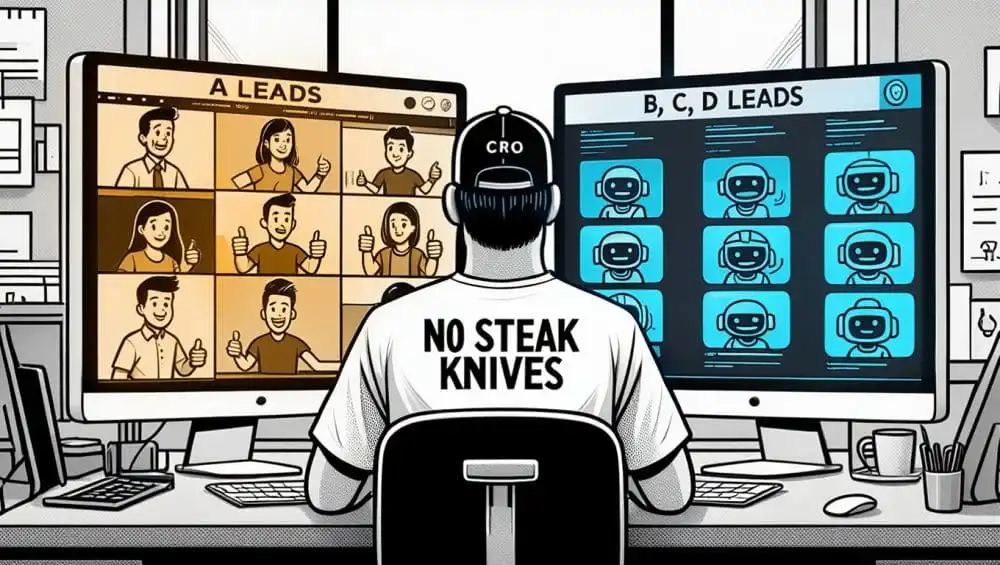
- AI agents fail on A leads because humans already respond instantly to high-intent prospects
- B leads with real signal but low urgency sit untouched in CRMs, creating hidden pipeline worth millions
- SaaStr reports $500K in revenue from running an AI agent on neglected contacts alone
Most companies deploying AI agents on outbound sales are making the same mistake: they point the agent at their hottest leads. Jason Lemkin, founder of SaaStr, argues this is exactly backwards. The real money sits in your B leads, the ones with genuine signal that your reps will never touch because quota pressure keeps them focused on sure things.
Disclosure
Some links in this post are affiliate links — Logicity earns a commission if you sign up, at no extra cost to you. We only link products we have used or actively recommend.
"We tried AI agents on outbound. It doesn't really work." Lemkin hears this constantly from SaaS founders. The problem isn't the technology. It's the targeting. When you deploy an AI agent against leads that a human was always going to win anyway, you're automating the one part of the funnel that was never broken.
Why A leads don't need automation
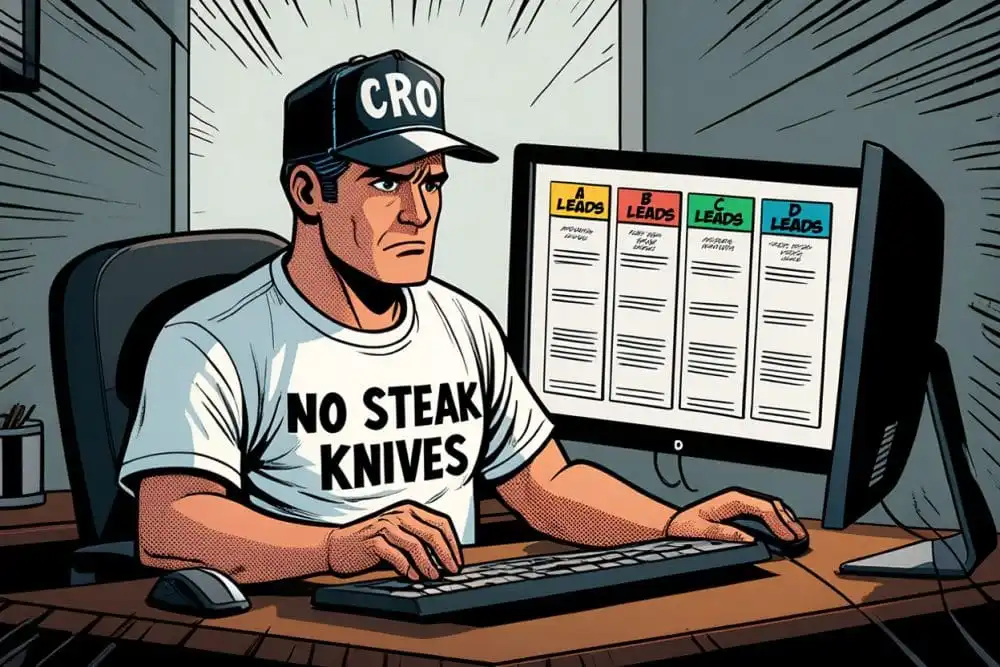
Your A leads are people who fill out a form saying they have budget and want to sign soon. Your laziest rep, half-watching a movie, responds to that email in 60 seconds. Nobody lets a million-dollar inbound sit.
What does an agent add there? Nothing. Worse, you risk the agent stepping on a deal a human was always going to close. The math doesn't work. You see no lift, conclude agents are useless, and kill the project.
The structural truth about B leads
B leads have real signal. They engaged with something, fit the profile, scored well. They're just not urgent enough to justify a human's afternoon. And here's the thing: humans never follow up with them. Not because reps are lazy. The incentives are rational. A rep with a quota spends limited hours on leads that close this quarter. B leads sit in the CRM forever.
That pile is exactly what an AI agent handles well. Infinite patience, no quota anxiety, no preference for easy wins. It will follow up three times when a human follows up zero times. If you're using HubSpot, Salesforce, or Pipedrive, you already have this data sitting untouched.
What's this actually worth?
SaaStr runs an agent (Artisan, in their stack) on B leads: past event attendees and contacts with a score but not enough urgency for a human chase. That agent generates $500K for them. They're a small team working a niche events database.
Scale that to a real go-to-market org with tens of thousands of scored-but-ignored contacts. The same motion isn't worth $500K. It's worth millions. The B-lead pile grows with funnel size, and at scale almost none of it gets touched. That's not a rounding error. That's a second pipeline sitting in your CRM that nobody works.
How to deploy this correctly
Pointing the agent at the right segment is most of the battle. The rest is training and context.
- Segment tightly. Don't hand the agent "the database." Give it a specific campaign with a specific story. SaaStr uses something like "alumni of SaaStr Annual 2024, here's what's different in 2026."
- Feed context, not just contacts. The agent should know why this person fits, what changed since they last engaged, what's relevant now.
- Narrow segments with real context produce specific outreach. Broad segments produce generic spam that gets deleted.
The difference between a reply and a delete is fresh, specific context. Tools like Zapier or Make can automate pulling recent engagement data into your agent's prompts, enriching outreach without manual work.
What about C and D leads?
Lemkin acknowledges these segments are a longer conversation. Some have gold, most don't, and sorting that out is its own project. His advice: don't start there. Start with B leads because they're already in your CRM with contacts you already own. You don't need to buy new data. You need to work the data you've been ignoring.
Logicity's Take
Lemkin's framework explains why so many AI SDR deployments disappoint. Companies benchmark agent performance against human performance on hot leads, then declare failure when the agent adds nothing. The real comparison should be agent performance versus nothing, because nothing is what B leads currently get. If you're evaluating AI sales tools like Artisan, 11x.ai, or Regie.ai, run them on your neglected mid-tier segments first. At typical SaaS price points ($1,000-$3,000/month for AI SDR platforms), even a handful of converted B leads covers the cost.
Frequently Asked Questions
Why do AI agents fail on hot leads?
Hot leads already get immediate human attention. AI adds no value where humans already respond in 60 seconds, and may interfere with deals that would close anyway.
What qualifies as a B lead?
B leads have real engagement signal and fit your ideal profile, but lack the urgency that triggers immediate rep follow-up. They're scored, not cold, just not hot enough to justify human time.
How much revenue can AI agents generate from neglected leads?
SaaStr reports $500K from a small database. Companies with tens of thousands of untouched contacts could see millions, depending on deal size and conversion rates.
What's the biggest mistake when training AI outbound agents?
Handing the agent your entire database without segmentation or context. Narrow campaigns with specific stories produce replies. Broad, generic outreach produces spam complaints.
Another example of AI solving overlooked operational problems rather than competing with humans on core tasks
Need Help Implementing This?
If you're evaluating AI agents for your sales pipeline or need help segmenting your CRM for AI-first outreach, reach out to us at hello@logicity.in. We help SaaS teams match the right automation to the right segment.
Source: SaaStrAI
Huma Shazia
Senior AI & Tech Writer
Produced with AI assistance and reviewed by the Logicity editorial team. Learn more in our Editorial Policy.