Key Takeaways
- Google redesigned all 4,000 Android emoji with more three-dimensional, detailed designs arriving on Pixel phones first
- Pause Point is a new screentime tool that adds a 10-second timer before opening distracting apps, requiring a full phone restart to disable
- AI-generated widgets let users create custom home screen widgets using natural language prompts
What Google Announced at Android Show 2026
Google unveiled Android 17's biggest features at its dedicated Android Show event on May 12, 2026. The reveal comes ahead of next week's I/O developer conference. Android 17 includes the expected AI features, but also brings practical updates like redesigned emoji and a screentime tool that actually makes it harder to ignore.
The Android software announcements arrived alongside news of upcoming Android-powered Googlebook laptops and Android Auto updates. Here's what's coming and when to expect it.
All-New Emoji: 4,000 Designs Overhauled
Google redesigned Android's entire emoji set. All 4,000 emoji get new versions with more depth and detail. The current cartoonish designs are being replaced with three-dimensional versions.
Pixel phones get the new emoji first, sometime later this year. Google hasn't announced when other Android devices will receive the updated set.
Pause Point: Screentime Tool With Teeth
This is Google's latest digital wellbeing feature, and it's designed to be harder to ignore than previous attempts. You label certain apps as distracting. When you try to open one, Pause Point shows a 10-second timer.
The feature won't block you from using the app. But it gives you a moment to reconsider whether you need to open it. During the wait, Pause Point prompts breathing exercises or suggests opening a more productive app instead.
You can also set a timer for how long you want to use the app each session. The real friction: disabling Pause Point requires a full phone restart. You can't just swipe the timer away.
Screen Reactions: Built-In Reaction Videos
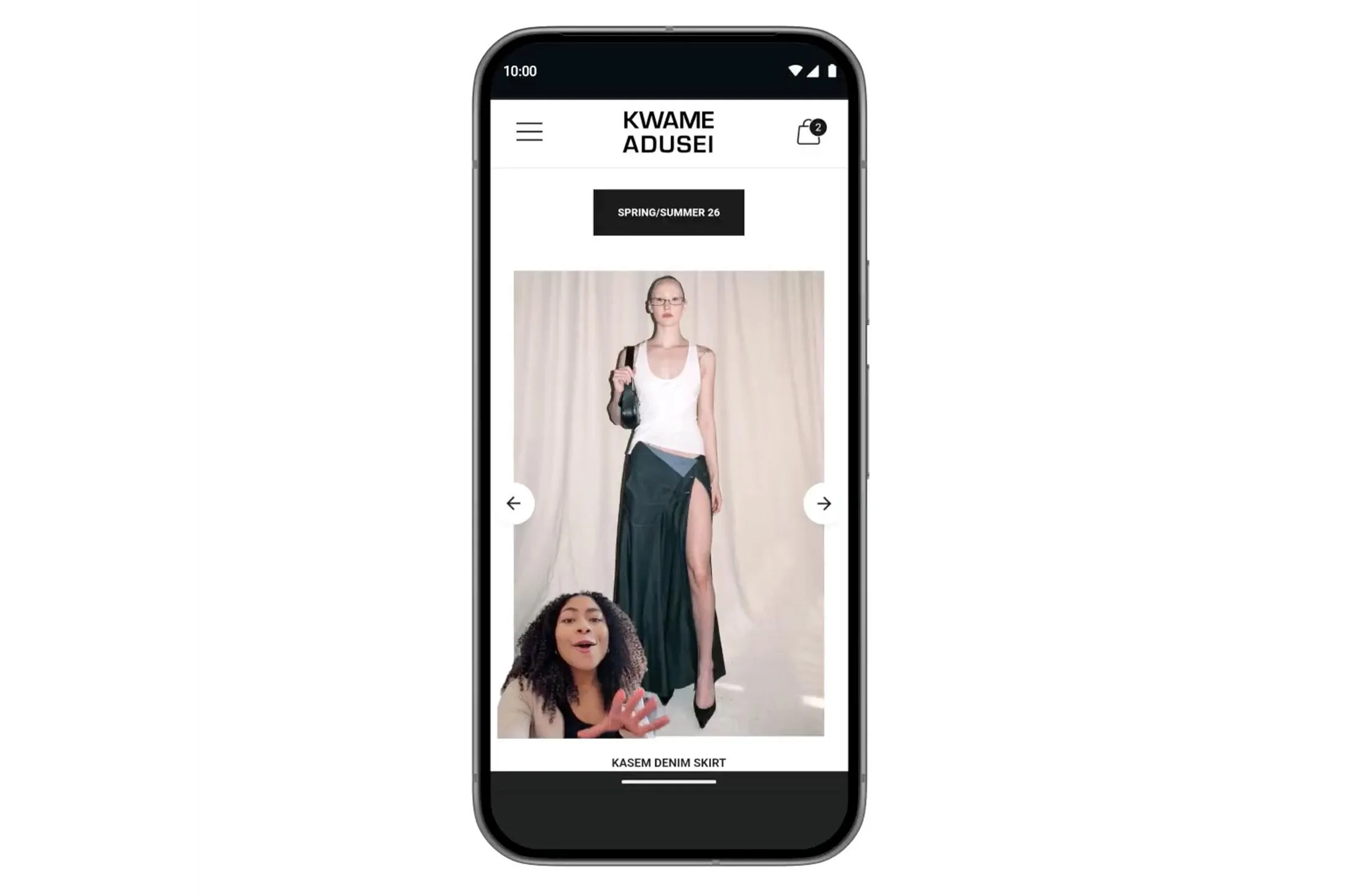
Google is making reaction videos easier to create without third-party apps. Screen Reactions records your selfie camera and your screen at the same time. You appear as a cutout in front of whatever content you're recording.

The feature works with photos, videos, webpages, and other onscreen content. Google says it takes just a few taps to set up. Screen Reactions will launch on Pixel phones first, sometime this summer.
AI-Generated Widgets
Android 17 includes AI-powered widgets that users can create using natural language. Google calls these vibe-coded widgets. You describe what you want, and the AI generates a custom widget for your home screen.
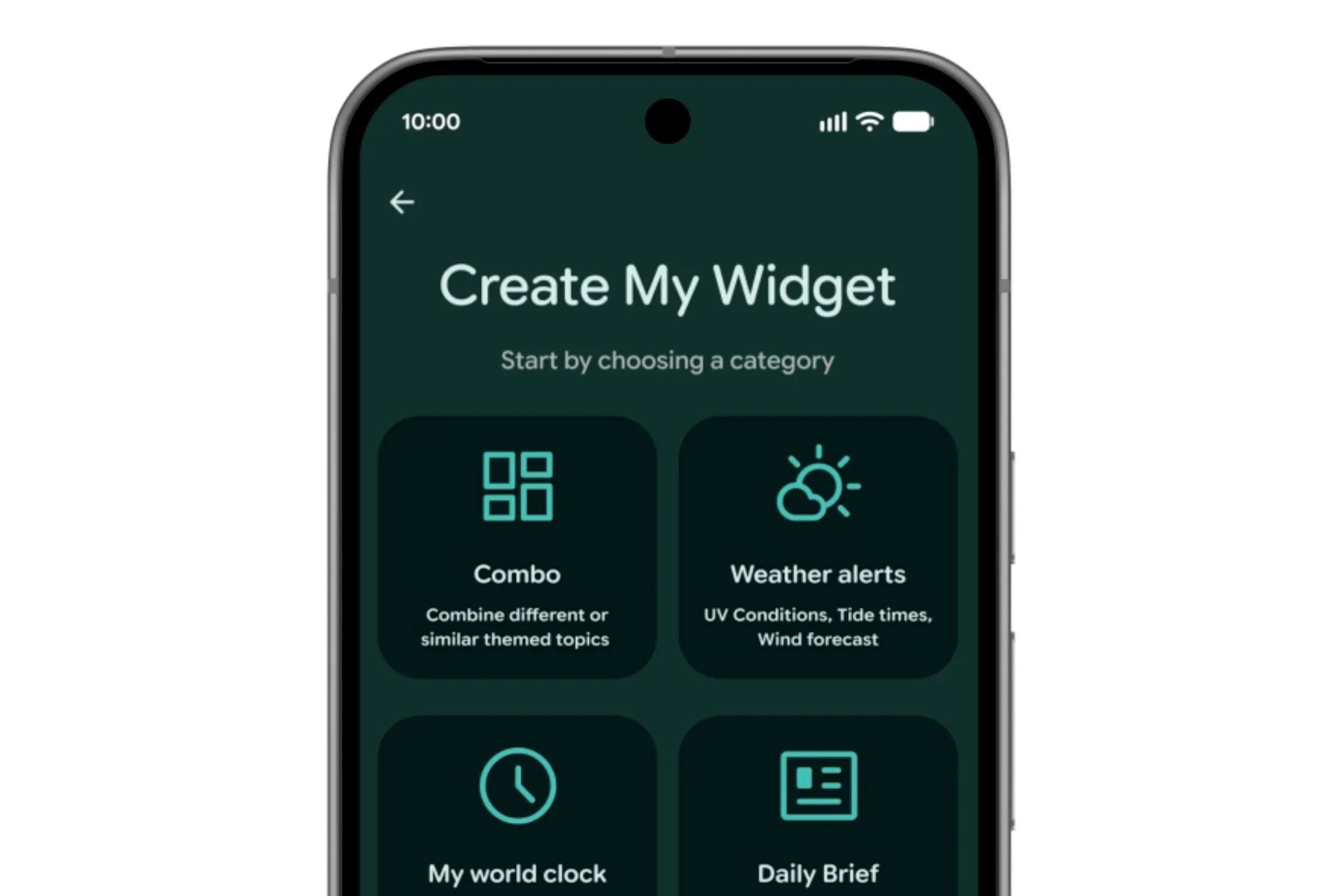
This is part of Google's broader push to add AI capabilities throughout Android. The OS also gets improved dictation powered by AI.
Expanded Quick Share Compatibility
Android's AirDrop equivalent is getting wider support. Google is expanding Quick Share to work with more devices. The feature lets Android users share files directly with nearby devices without needing apps or internet connections.
More Android 17 security features announced at the same event
When to Expect Android 17
Most features arrive on Pixel phones first. The new emoji and Screen Reactions are both scheduled for sometime this summer. Google hasn't provided specific dates for when these features will roll out to other Android devices.
Google's I/O developer conference next week will likely include more details about Android 17's release timeline and additional features.
Logicity's Take
Frequently Asked Questions
When will Android 17 be released?
Google hasn't announced a specific release date. New emoji and Screen Reactions arrive on Pixel phones this summer. Broader rollout details will likely come at Google I/O next week.
What is Pause Point in Android 17?
Pause Point is a screentime tool that shows a 10-second timer when you try to open apps you've labeled as distracting. It suggests breathing exercises or alternative apps, and requires a full phone restart to disable.
Which phones will get Android 17 first?
Pixel phones receive new Android 17 features first. Google hasn't announced rollout schedules for Samsung, OnePlus, or other Android manufacturers.
What are AI-generated widgets in Android 17?
Android 17 lets users create custom home screen widgets by describing what they want in natural language. The AI generates a widget based on the description.
How many emoji are being redesigned in Android 17?
Google is redesigning all 4,000 Android emoji. The new versions have more three-dimensional designs with added depth and detail.
Need Help Implementing This?
Advanced Security and Anti-Scam Features
The new article details specific security enhancements including an automated system to verify and end spoofed calls from financial institutions. It also highlights an expansion of AI-powered Live Threat Detection to monitor for SMS forwarding and malicious accessibility overlays.
Huma Shazia
Senior AI & Tech Writer
Produced with AI assistance and reviewed by the Logicity editorial team. Learn more in our Editorial Policy.