Key Takeaways
- 88% of marketers use AI daily for major decisions, with marketing automation driving 80% more leads and 77% higher conversions
- Campaign optimization follows three pillars: strategy alignment, allocation/testing, and continuous iteration
- Tools like HubSpot, Optimizely, and AdStellar AI automate the technical work of testing and scaling campaigns
Global ad spend crossed $1 trillion this year, and the volume of data that produces has made manual campaign management impractical. According to HubSpot's latest campaign optimization guide, 88% of marketers now use AI every day to guide their biggest decisions. Marketing automation generates 80% more leads and drives 77% higher conversion rates compared to manual approaches.
Disclosure
Some links in this post are affiliate links — Logicity earns a commission if you sign up, at no extra cost to you. We only link products we have used or actively recommend.
The shift is straightforward: there's too much data for experienced teams to process by hand. The winning approach moves from guesswork to integrated systems that handle testing, targeting, and scaling automatically. That frees marketers to focus on strategy instead of spreadsheets.
What does campaign optimization actually mean?
Campaign optimization is the data-driven process of refining marketing efforts to improve performance and ROI. It rejects the "set it and forget it" approach in favor of constant analysis. Every dollar should work harder than it did yesterday.
The key metrics to track: click-through rates, conversions, and cost per acquisition. These three numbers tell you whether your targeting, creative, and offer are aligned. When they're not, optimization means finding the weak link and fixing it.
Three pillars of campaign optimization
HubSpot breaks campaign optimization into three pillars, each with specific steps. This framework applies across paid ads, email, social, and content programs.
The first pillar is strategy and data alignment. It starts with setting clear, measurable objectives like increasing leads by 20% or improving click-through rates by a specific percentage. These objectives act as the campaign's North Star. Next comes audience segmentation by demographics, behaviors, and preferences. Finally, review performance metrics from prior campaigns to inform the path forward.
The second pillar covers allocation and testing. Distribute budget across channels based on historical performance and expected returns. Run A/B or multivariate tests on headlines, visuals, copy, and calls-to-action. Use analytics dashboards to track progress in real time and catch anomalies quickly.
The third pillar is iteration and measurement. Apply data-driven adjustments to creative, targeting, and timing throughout the campaign's lifecycle. Compare final results against original objectives to capture learnings for future campaigns.
How do you optimize paid ads specifically?
Paid ads require their own tactical approach within this framework. The first step is refining targeting and bids. Use lookalike audiences and retargeting lists to identify high-intent users. Adjust bids to prioritize the most profitable keywords, devices, or placements.
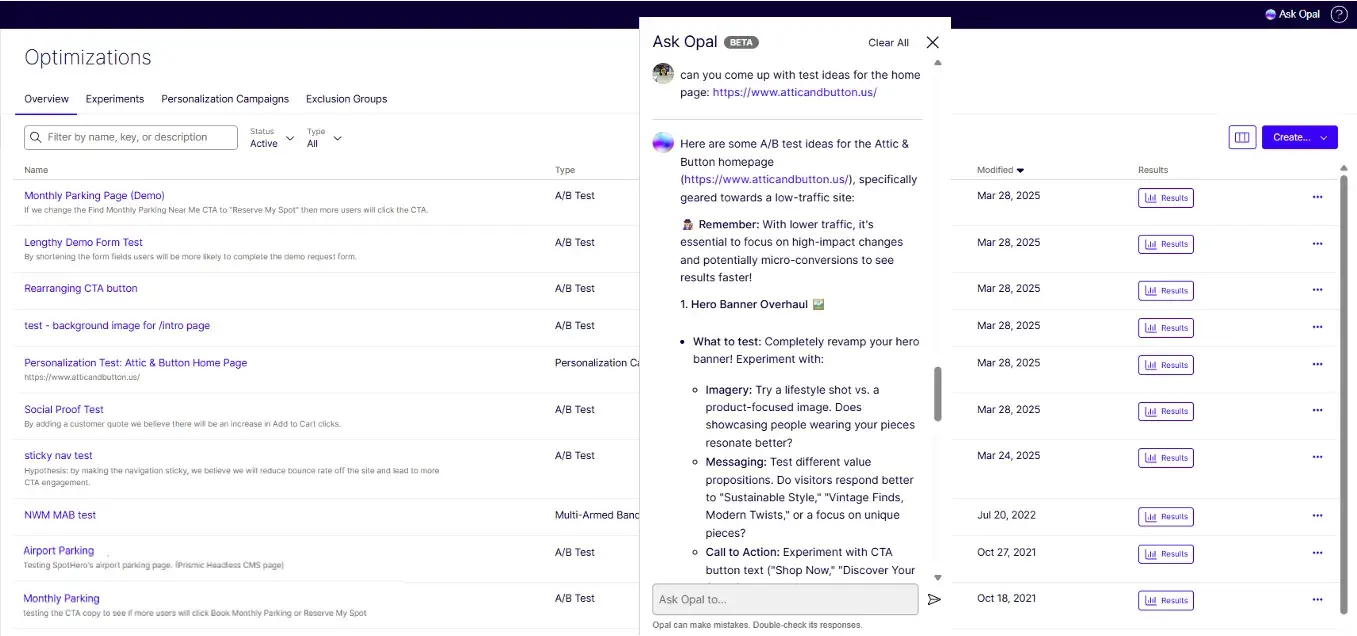
Next, run multiple creative variations to identify the most relevant assets. Implement pixel or server-side tracking to ensure accurate conversion recording. Platforms like Optimizely specialize in this kind of testing at scale.
Finally, scale and exclude. Shift budget toward top-performing ad sets and pause underperformers. Exclude low-performing audiences or time slots to minimize wasted spend. This sounds obvious, but automation makes it possible to do this continuously rather than in weekly reviews.
Tools that automate campaign optimization
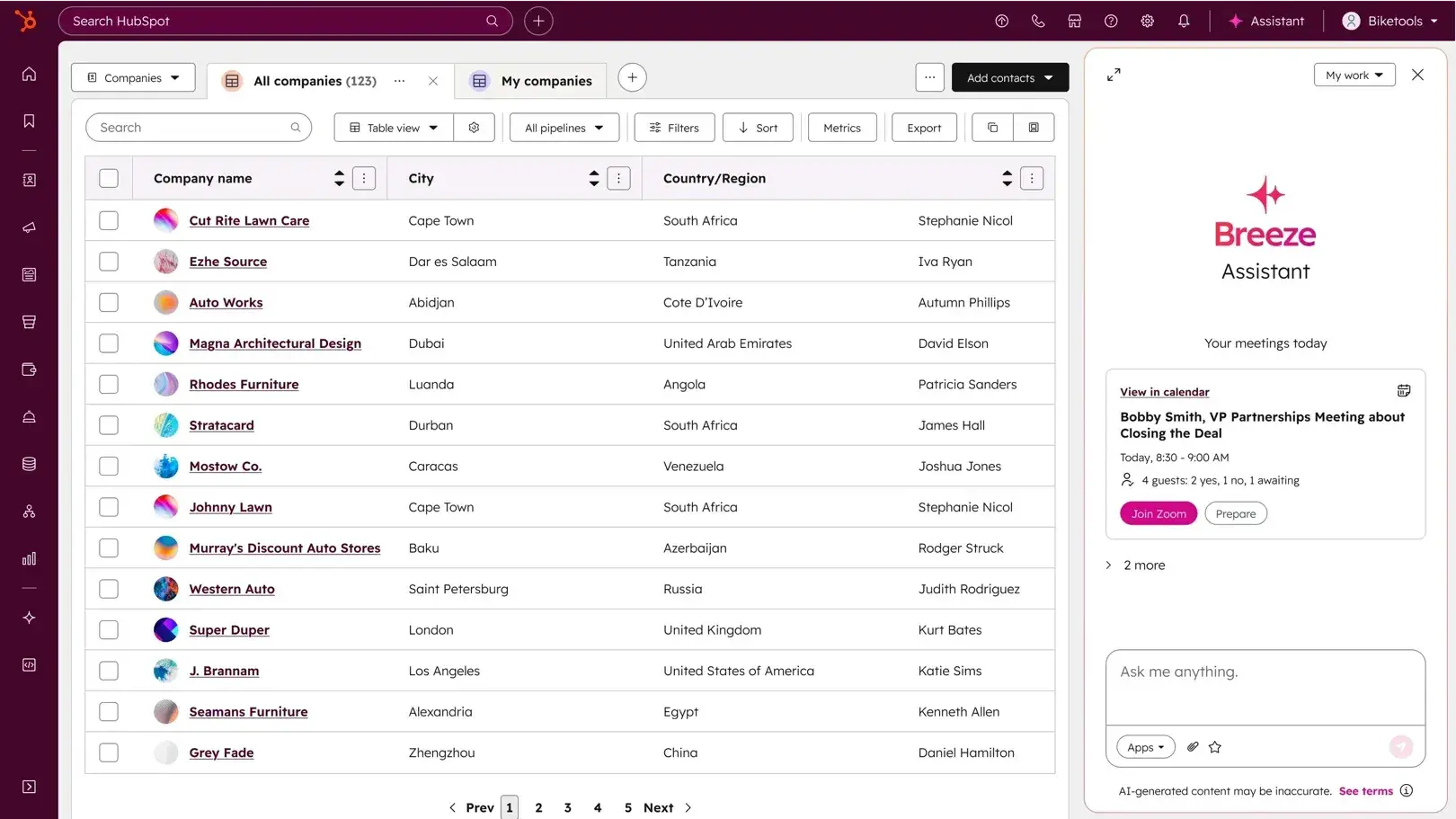
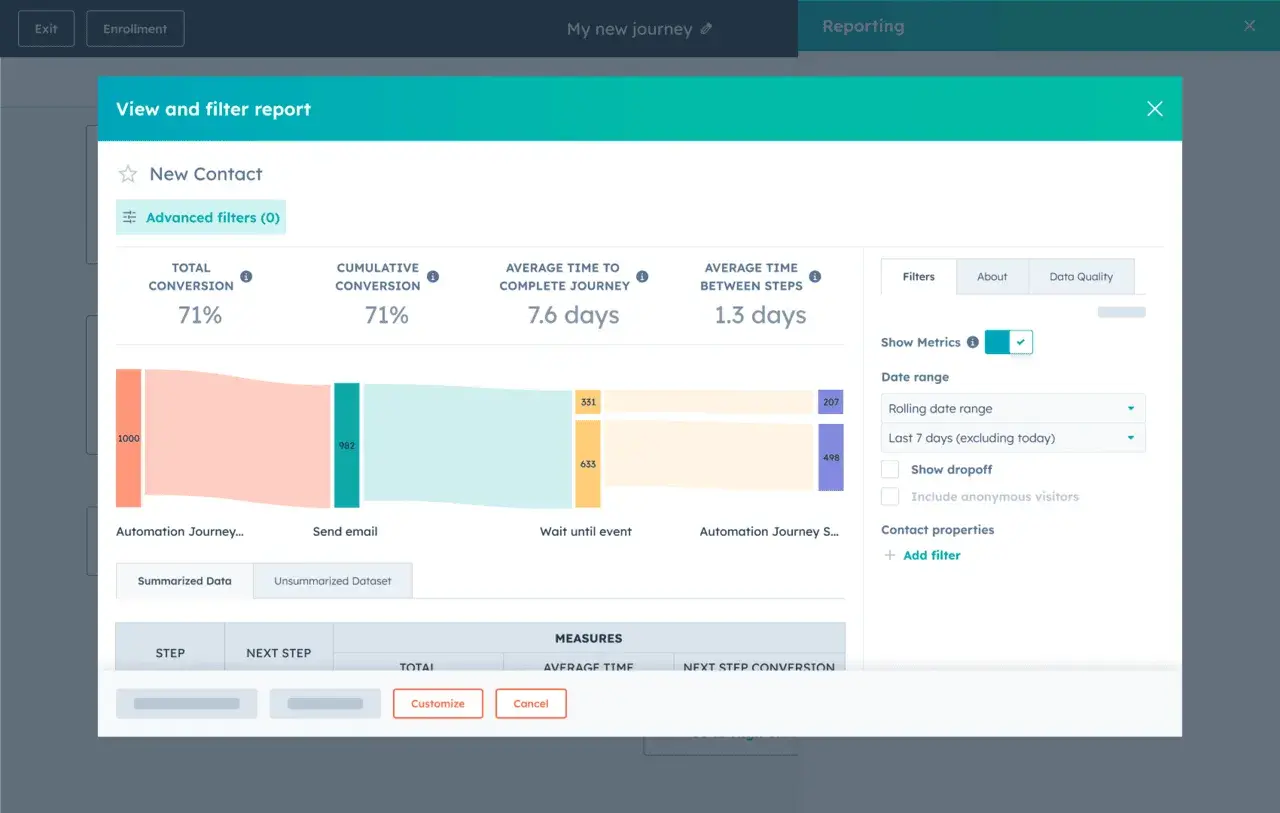
Several platforms now handle the technical details of optimization automatically. HubSpot's Campaign Assistant generates copy for landing pages, emails, and ads in a few clicks. Its marketing hub tracks how leads proceed through the funnel and identifies where they drop off.
AdStellar AI focuses on AI-powered campaign summaries and recommendations. Its dashboard consolidates performance data across channels and suggests specific optimizations.
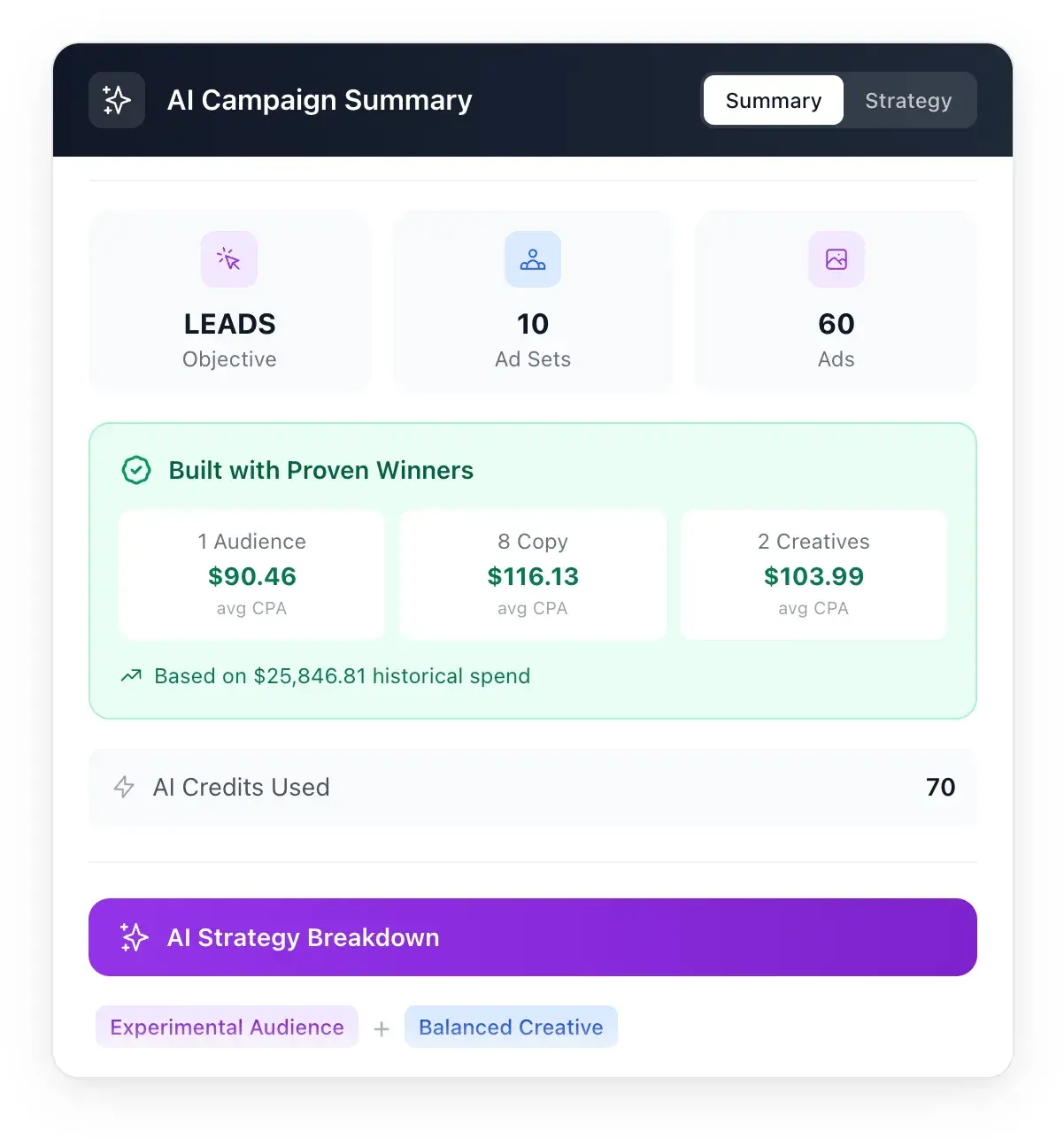
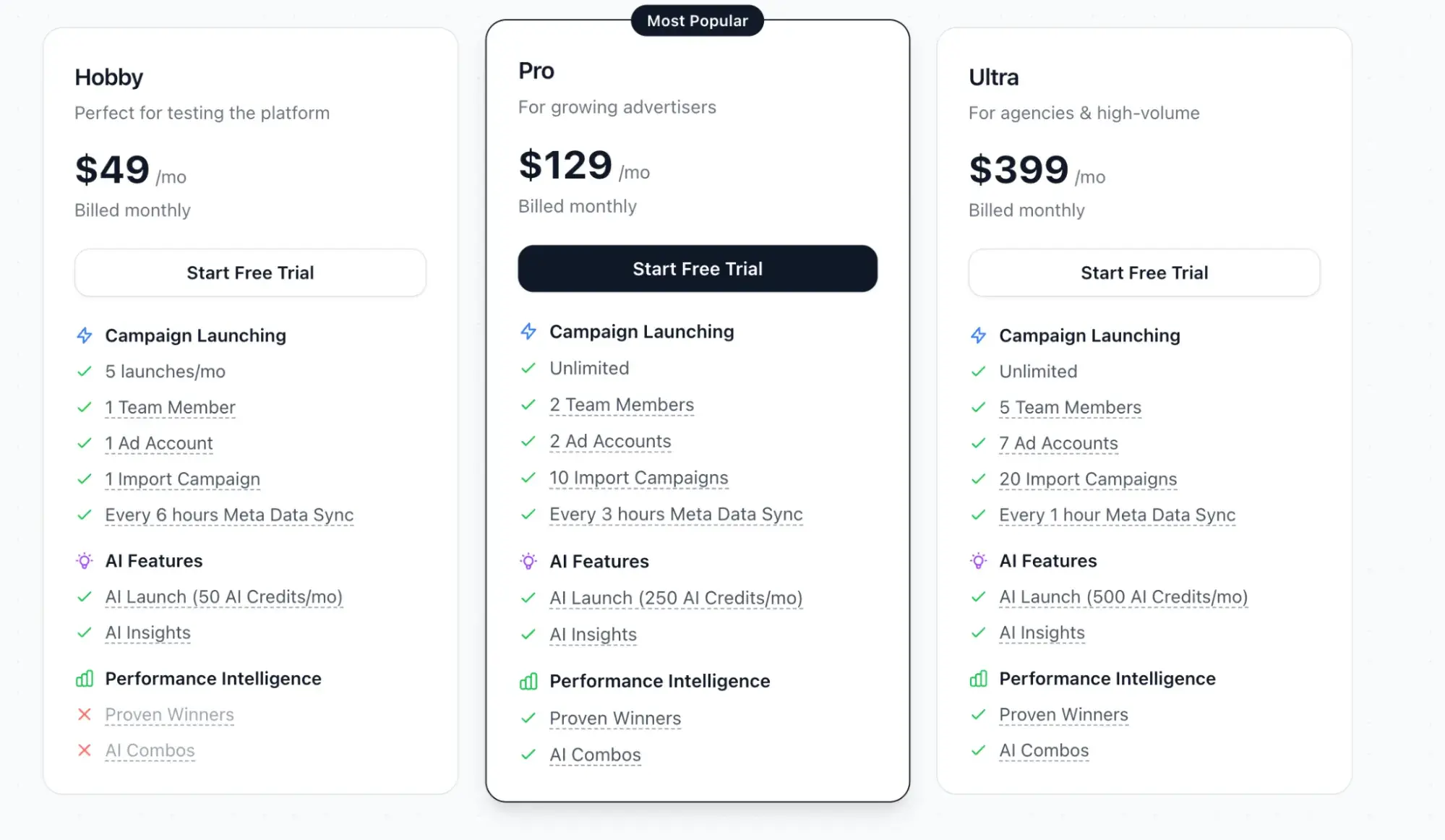
AdStellar offers three pricing tiers: Hobby, Pro, and Ultra. The tiers differ primarily in the number of campaigns you can run simultaneously and the depth of AI analysis available.
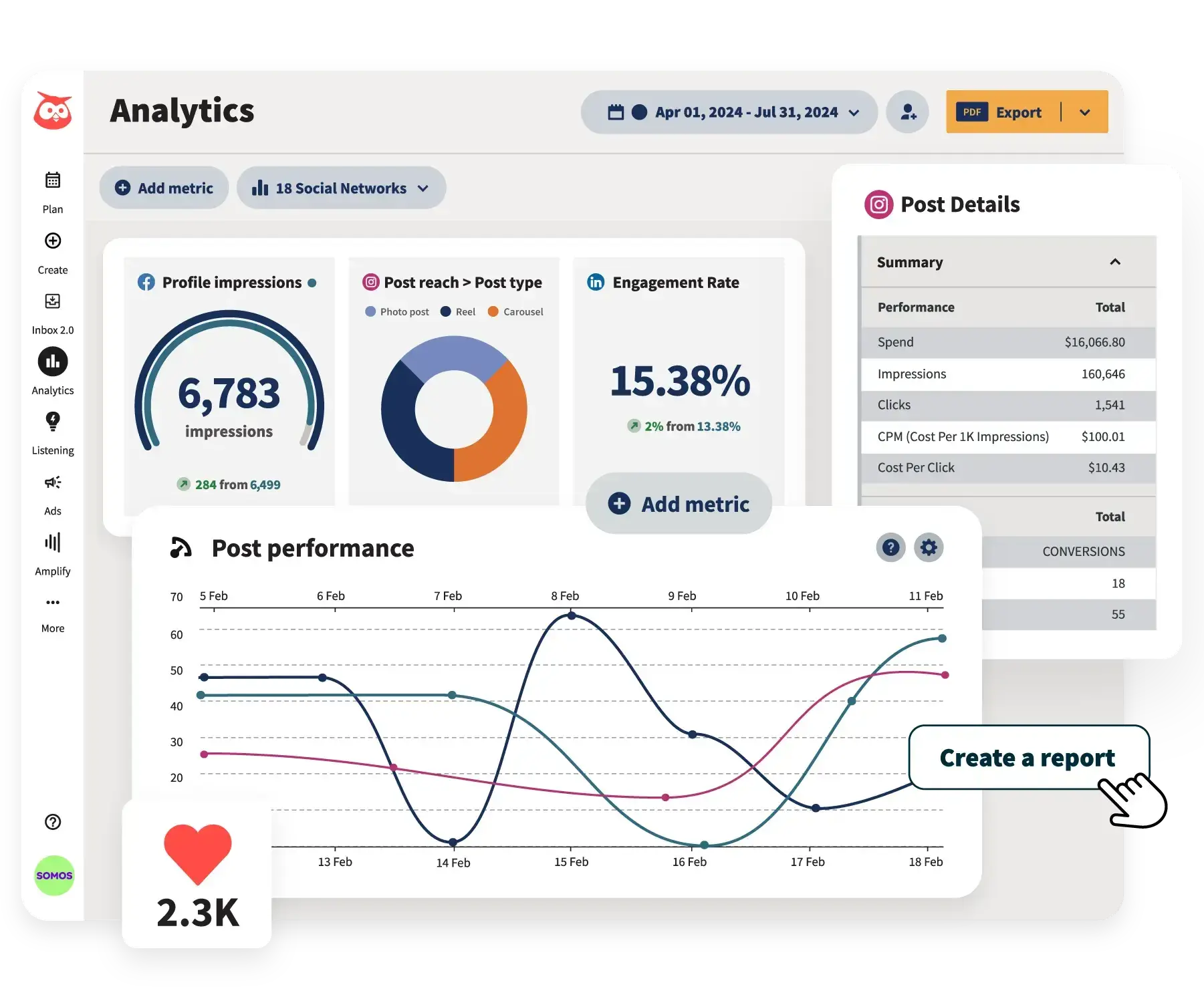
For social media specifically, Hootsuite has added a dedicated digital marketing optimization module. It handles scheduling, analytics, and now optimization recommendations in one interface.
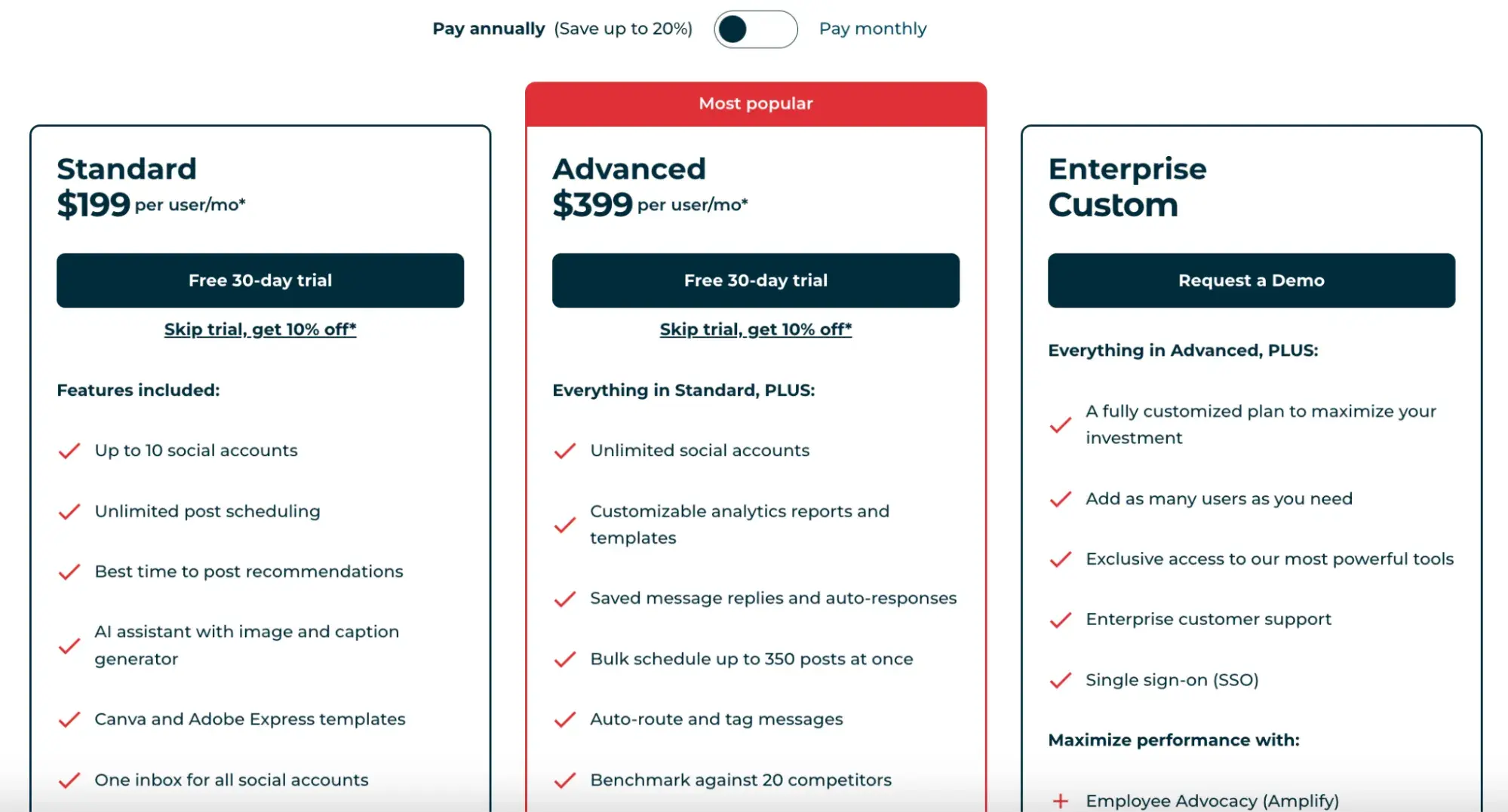
Hootsuite's pricing reflects its expanded capabilities. The marketing optimization modules are included in higher tiers.
Email optimization: where most campaigns leak value
Email remains one of the highest-ROI channels, but deliverability problems silently destroy campaign performance. Tools like Mailreach focus specifically on email marketing optimization, helping marketers understand where emails land and how to warm up sending domains.
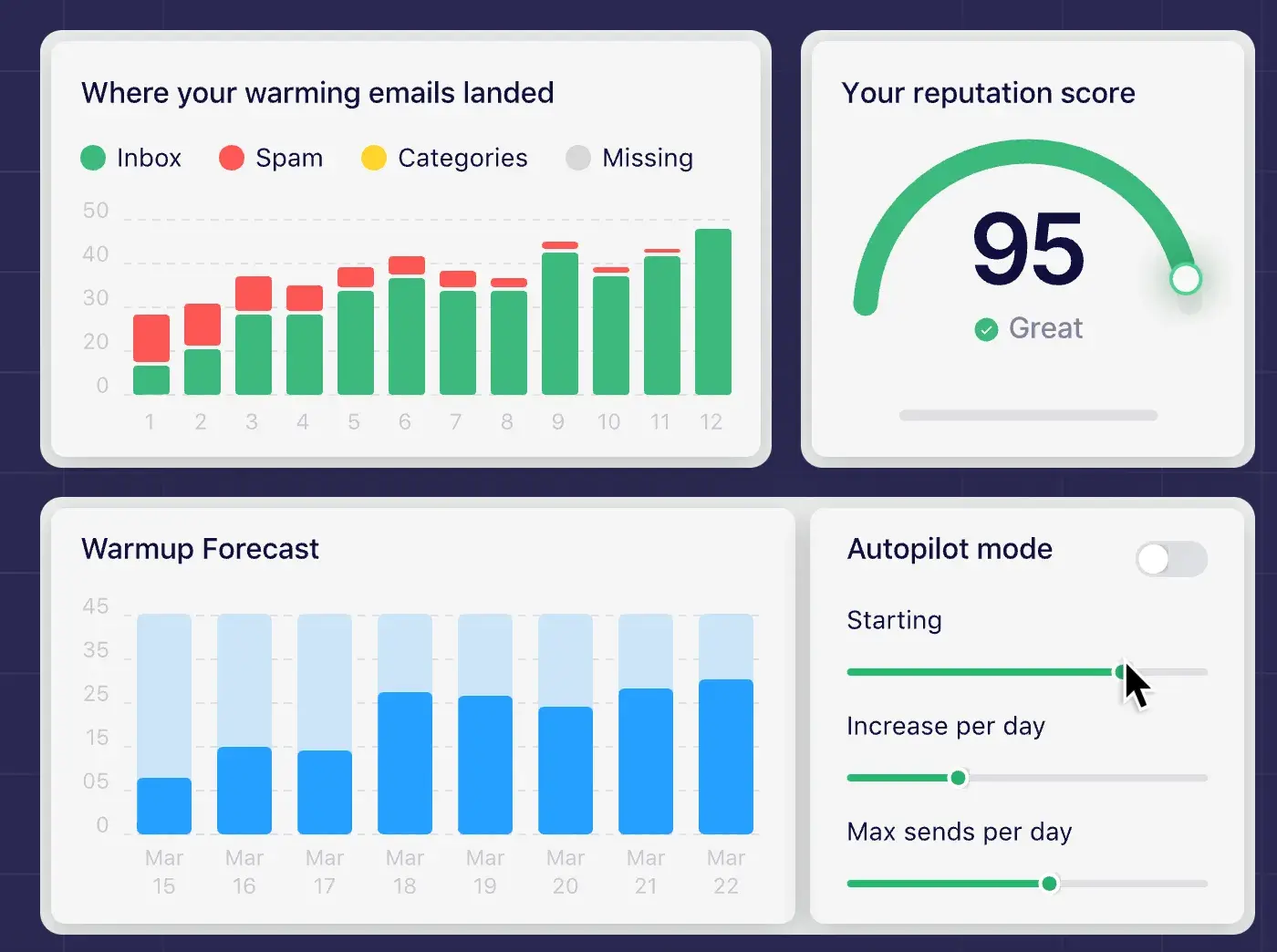
For email automation and lifecycle marketing, ActiveCampaign, Mailchimp, and Customer.io each offer different strengths. ActiveCampaign excels at complex automation sequences. Mailchimp remains the easiest entry point for small teams. Customer.io targets product-led companies with behavioral triggers.
The optimization approach for email mirrors paid ads: segment audiences precisely, test variations of subject lines and content, monitor performance in real time, and iterate based on data. The difference is that email gives you more control over the full message and landing experience.
Logicity's Take
The 88% AI adoption figure is striking but not surprising. What matters is how teams use these tools. HubSpot's Campaign Assistant (free tier available, paid plans from $20/month) handles content generation, while Optimizely (enterprise pricing, typically $50K+/year) focuses on experimentation. AdStellar AI targets the middle market with tiered pricing. The risk is that teams adopt AI tools without the foundational work: clear objectives, proper audience segmentation, and disciplined measurement. Automation amplifies whatever strategy you feed it, good or bad.
The metrics that actually drive decisions
Three metrics matter most for campaign optimization: conversion rate, cost per acquisition, and revenue impact. Click-through rates get attention, but they're a leading indicator, not the goal itself.
Conversion rate tells you whether your targeting and messaging align. Cost per acquisition tells you whether you can scale profitably. Revenue impact tells you whether the leads you're generating actually buy.
Teams that optimize for clicks often end up with high-volume, low-quality traffic. Teams that optimize for revenue build sustainable campaigns.
Frequently Asked Questions
How often should you optimize a marketing campaign?
Review performance daily during the first week, then shift to weekly optimization cycles. Make major budget reallocations based on at least 7 days of statistically significant data.
What's the difference between A/B testing and multivariate testing?
A/B testing compares two versions of a single element (like a headline). Multivariate testing compares multiple elements simultaneously (headline + image + CTA). Multivariate requires more traffic to reach statistical significance.
How much should you spend on campaign testing vs. scaling?
A common approach allocates 10-20% of budget to testing new audiences and creative, with 80-90% going to proven performers. Adjust based on how stable your current performance is.
Can small teams use AI campaign optimization tools effectively?
Yes, but start with one tool that integrates with your existing stack. HubSpot works well for teams already using its CRM. Standalone tools like AdStellar AI work for teams focused purely on paid ads.
What's the biggest mistake in campaign optimization?
Optimizing for the wrong metric. High click-through rates mean nothing if those clicks don't convert. Set objectives tied to business outcomes before launching any campaign.
Explores the tension between AI adoption metrics and actual business outcomes
Need Help Implementing This?
Our Logicity Pro subscribers get access to implementation playbooks and direct consultation on marketing technology decisions. Contact us to discuss your campaign optimization strategy.
Source: Marketing
Manaal Khan
Tech & Innovation Writer
Produced with AI assistance and reviewed by the Logicity editorial team. Learn more in our Editorial Policy.




