Key Takeaways
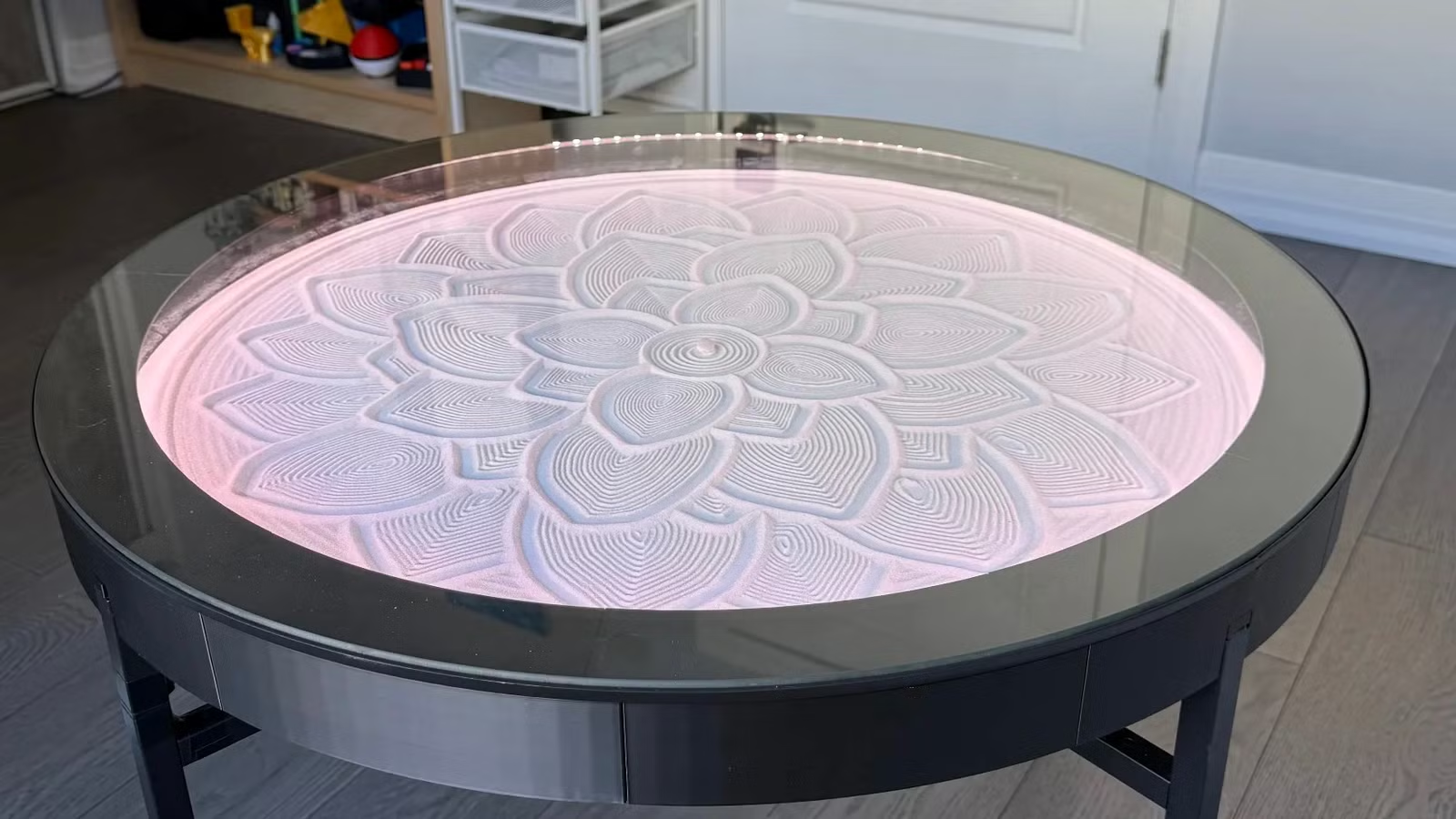
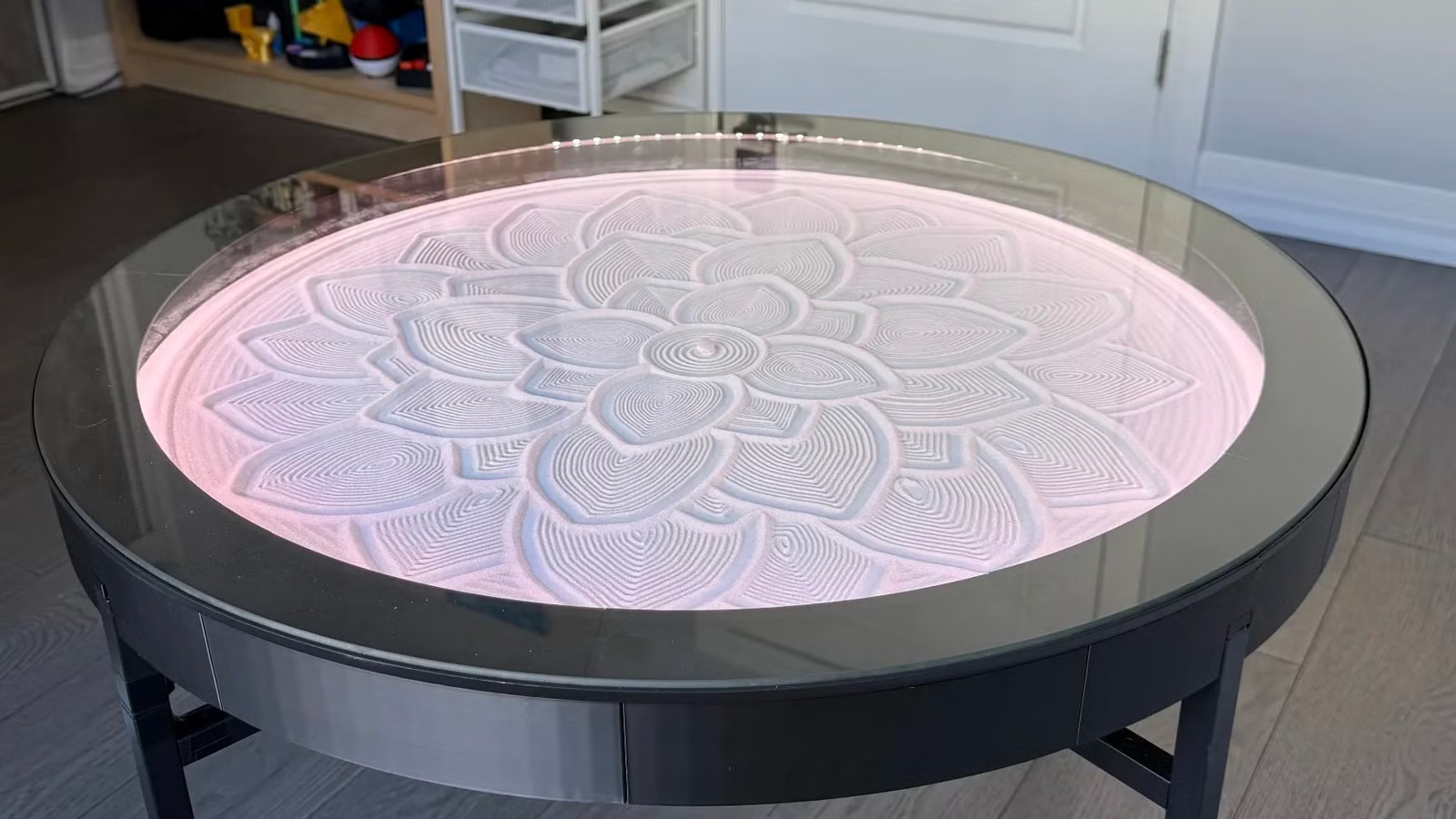
- The Dune Weaver kinetic sand table is open-source and integrates with Home Assistant
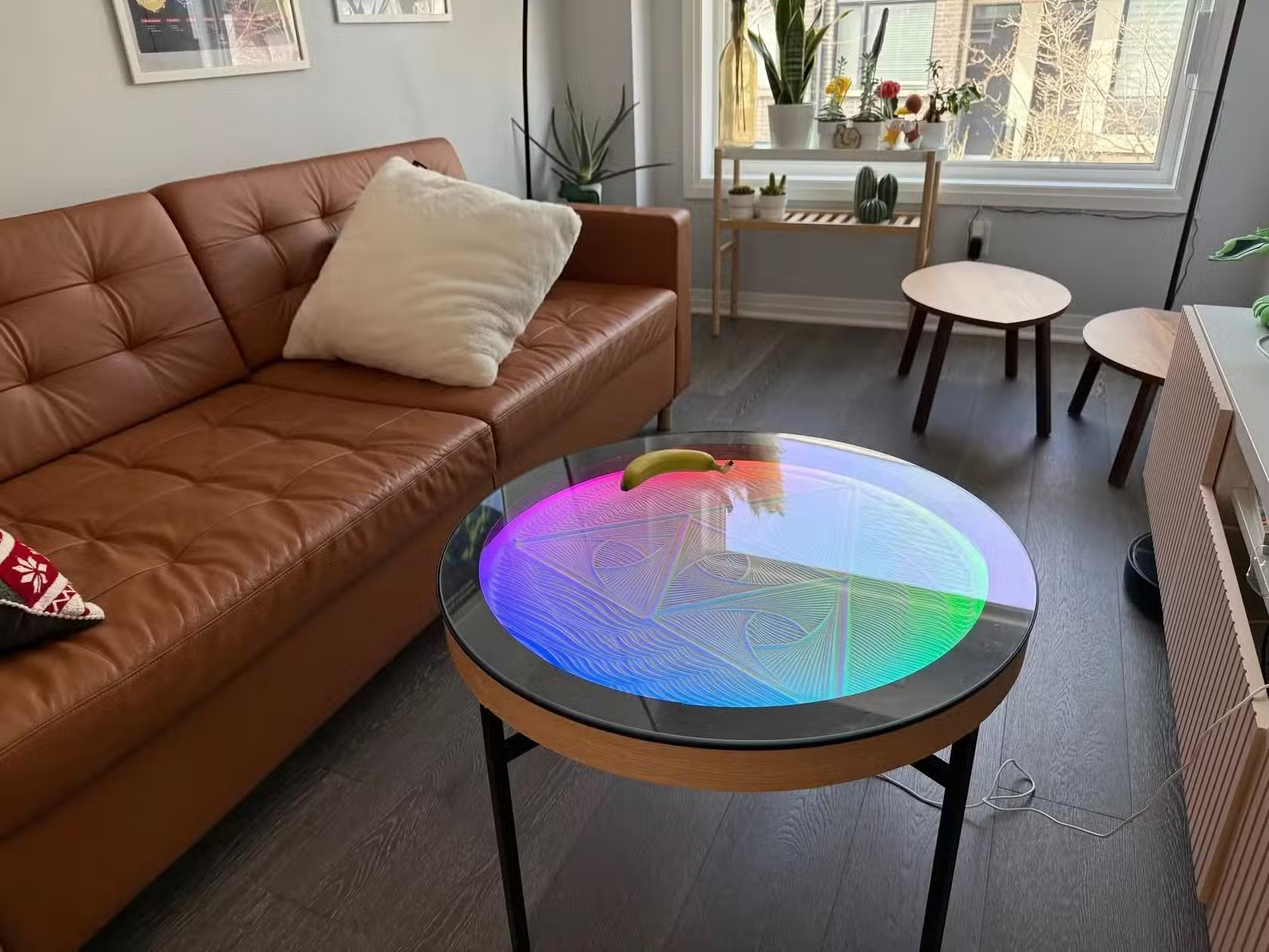
- The Hairy Lion uses a novel technique to create organic-looking hair from rigid plastic
- Print-in-place models like the planetary gears spinner require no assembly
Satisfaction in 3D printing takes many forms. Some people want a complex build that demands precision and patience. Others want something tactile to keep their hands busy while watching TV. This week's project roundup covers both ends of that spectrum, from an ambitious kinetic sand table to quick prints you can finish between coffee refills.
Dune Weaver: A Kinetic Sand Table You Can Build
The Dune Weaver is a web-controlled kinetic sand table that draws patterns using a steel ball and magnets. The system runs on a Raspberry Pi paired with an ESP32 microcontroller. While that sounds like a parts list that could get expensive quickly, the project is designed around 3D-printed components and common materials. The creator specifically calls out IKEA furniture as a source for non-printed parts.
The project is open-source, with paid versions available for those who want additional features or support. The free version includes LED strip support, a pattern library, web interface, playlists, and scheduling. It also integrates with Home Assistant, so you can trigger patterns based on time of day or other smart home events.
This is the kind of project that rewards planning. You'll need to source the magnets, ball bearings, and electronics before you start printing. But the end result is a mesmerizing piece that doubles as functional art and a conversation starter.
The Hairy Lion: A Unique Finishing Technique
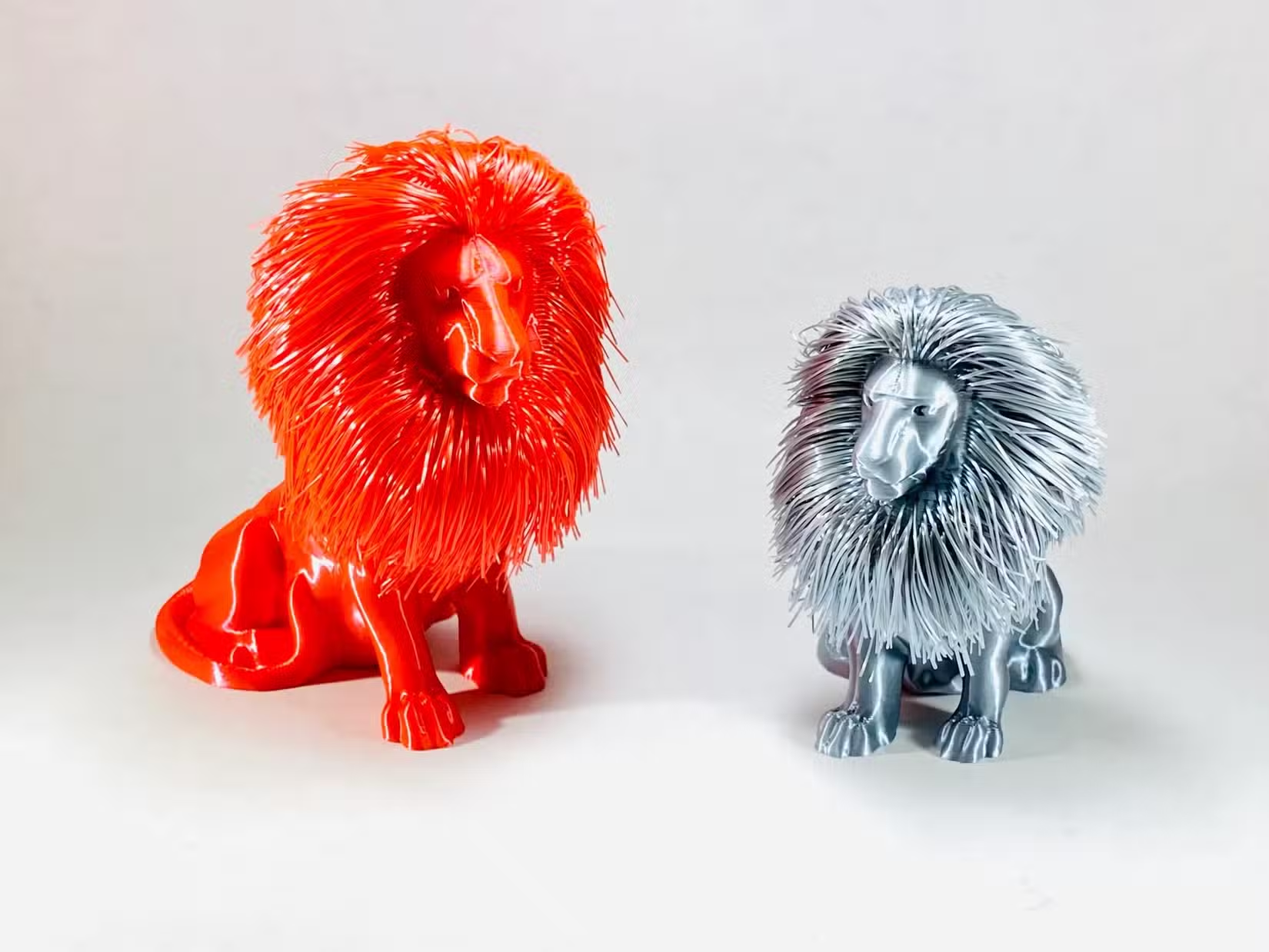
Most 3D prints look obviously 3D-printed. Layer lines, geometric shapes, and that signature matte finish give them away. The Hairy Lion from R3D on Printables takes a different approach. The figure prints with its mane attached to a plastic support structure. After printing, you carefully cut the hair free from the support using scissors.
Once the mane is free, you use a hairdryer to heat and soften the plastic strands. This lets you style the hair into a more natural, flowing shape. The result looks surprisingly organic for something that came out of a printer. It's a clever technique that could potentially be adapted to other models.
Planetary Gears Fidget Spinner
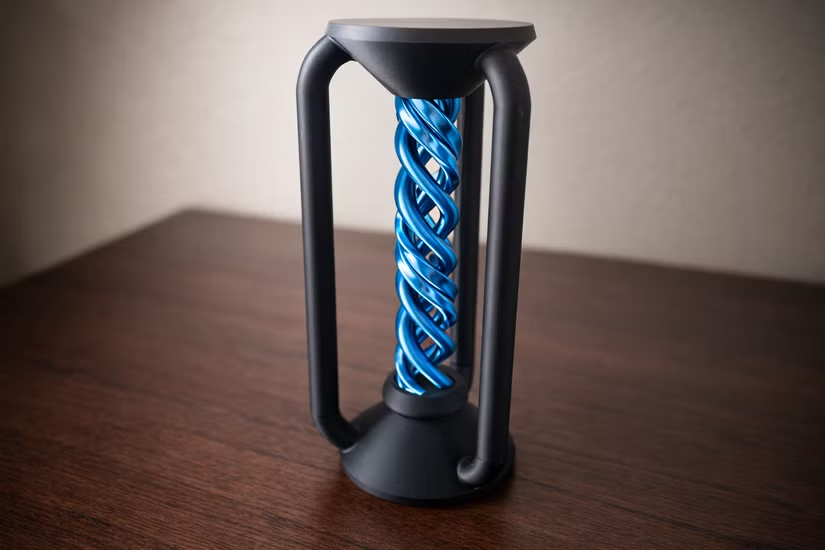
Fidget toys often get dismissed as dust collectors, but a well-designed one actually gets used. The planetary gears fidget spinner falls into the useful category. It's a print-in-place model, meaning all the moving parts print together and work immediately after removal from the bed.
The spinner sits on your finger and rotates as you flick it. The planetary gear mechanism means you get that satisfying mechanical movement rather than just free spin. Print-in-place models like this reward careful bed leveling and good first-layer adhesion. Get those right, and you have a working toy with zero assembly.
Practical Prints for Daily Use
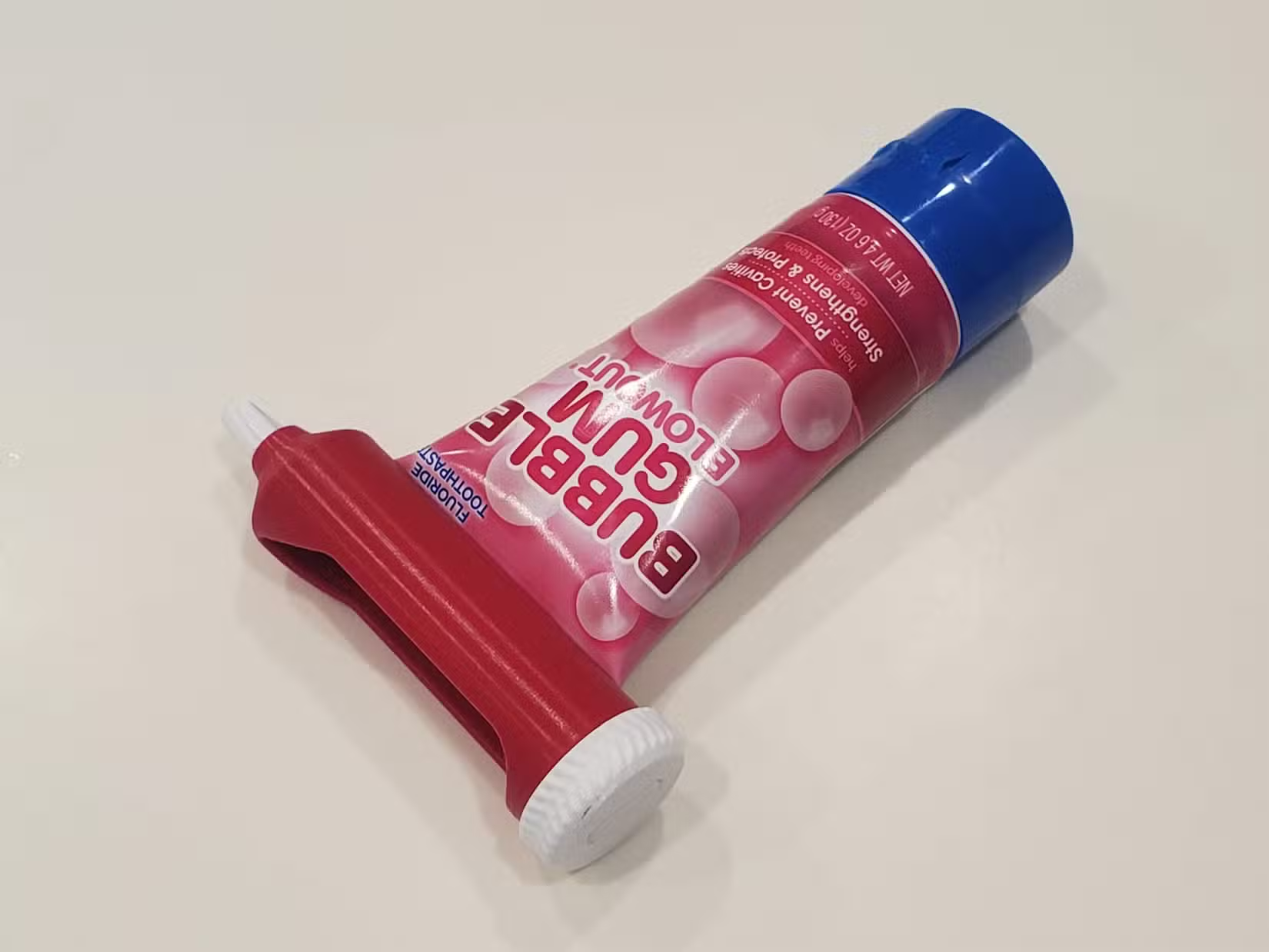
Not every print needs to be a showpiece. The toothpaste squeezer by Roland Deschain on MakerWorld solves a minor daily annoyance. You clip it onto your toothpaste tube and roll it up from the bottom. No more fighting with a nearly empty tube.
Functional prints like this are ideal for weekend projects because they're quick to complete and immediately useful. You get the satisfaction of finishing something and the ongoing benefit of actually using it.
Decorative and Mathematical Prints
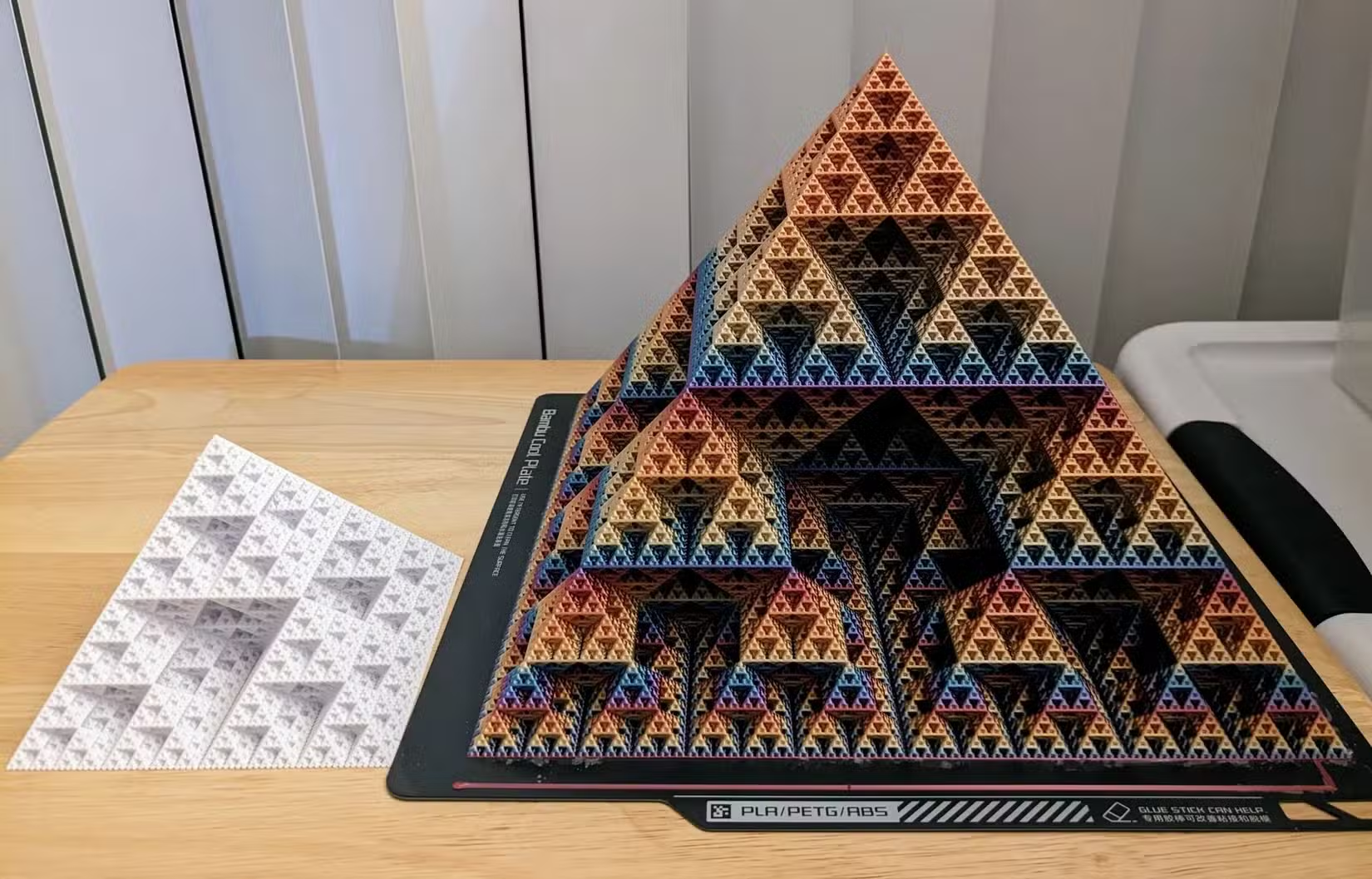
For those who want something to look at rather than fidget with, the Sierpinski fractal pyramid offers visual interest through mathematical elegance. The design is self-similar at multiple scales, meaning you can see the same triangular pattern repeated whether you're looking at the whole structure or zooming in on a corner.
Fractal prints work well as desk decorations or gifts for the mathematically inclined. They also make good test prints when you're tuning a new printer or filament, since the repeating geometry makes inconsistencies easy to spot.
Logicity's Take
Getting Started This Weekend
All these projects use free STL files available on Printables or MakerWorld. If you're new to 3D printing, start with the toothpaste squeezer or fidget spinner. They print in under two hours and need no post-processing. The Hairy Lion is a good intermediate challenge. The Dune Weaver is a multi-weekend commitment that rewards planning and patience.
- Dune Weaver: Open-source kinetic sand table with Home Assistant integration
- The Hairy Lion: Figure with heat-styleable mane
- Planetary gears spinner: Print-in-place fidget toy
- Toothpaste squeezer: Quick functional print
- Sierpinski pyramid: Mathematical decoration
Free tools for designing your own 3D models
Frequently Asked Questions
What materials do I need for the Dune Weaver sand table?
You need 3D-printed parts, a Raspberry Pi, an ESP32 microcontroller, steel ball bearings, magnets, and sand. The creator recommends sourcing non-printed components from IKEA.
Are these 3D printing files free to download?
Yes. All projects mentioned are available as free STL files on Printables or MakerWorld. The Dune Weaver also offers paid versions with additional features.
What is a print-in-place model?
A print-in-place model has moving parts that print together and work immediately without assembly. The parts are designed with small gaps that prevent them from fusing during printing.
How long does the Hairy Lion take to finish?
Print time depends on your settings, but the real time investment is post-processing. You need to carefully cut the mane free from supports and heat-style it with a hairdryer.
Can the Dune Weaver work with smart home systems?
Yes. The Dune Weaver includes Home Assistant integration, allowing you to trigger patterns based on schedules or other smart home events.
Need Help Implementing This?
Source: How-To Geek
Manaal Khan
Tech & Innovation Writer
Produced with AI assistance and reviewed by the Logicity editorial team. Learn more in our Editorial Policy.