Key Takeaways
- Airalo provides eSIM packages for 200+ countries, letting you connect before landing
- Timeshifter claims a 96.4% success rate in preventing severe jet lag using circadian science
- Flighty consistently beats airline apps for delay predictions and gate changes
The default travel stack of browser tabs, airline confirmation emails, and Google Maps searches fails about two days into any real trip. Tech journalist Viraj Gawde argues that seven specialized apps, each doing one thing well, outperform bloated all-in-one planners. His list covers connectivity, flight intelligence, jet lag, food discovery, airport logistics, and automatic trip documentation.
The broader pattern here matters more than any single app. Modern travel fragments across platforms, and the cognitive load of managing reservations, time zones, dietary needs, and connectivity burns energy you'd rather spend elsewhere. These tools automate specific friction points rather than asking you to manually centralize everything.
Polarsteps: automated trip documentation
Polarsteps tracks your route in the background and pins photos to a map in real time. The result is a visual travel diary you never had to manually log. Clare Jones, CEO of Polarsteps, told press: "What strikes us most... isn't just the number — it's the incredible diversity of stories being shared." The platform now has 15 million registered users.
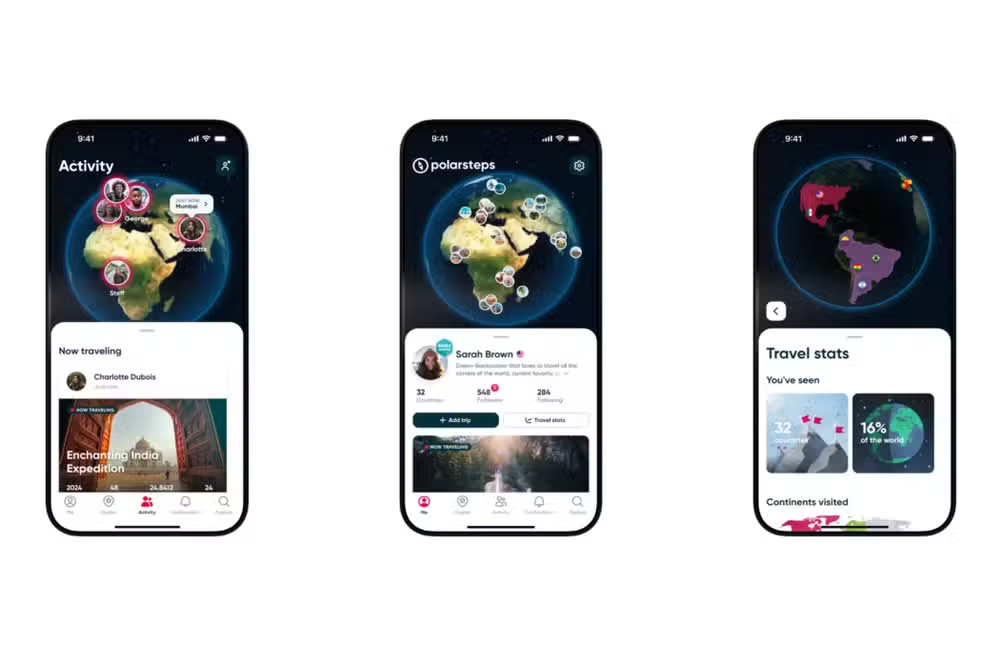
For business travelers who expense trips or content creators building location-based portfolios, automatic documentation beats scrubbing through camera rolls after the fact. The app generates shareable "Trip Reels" that have gone viral on social platforms.
HappyCow: 270,000+ plant-based listings
Finding vegetarian or vegan food in unfamiliar cities frustrates even omnivores traveling with dietary-restricted colleagues. HappyCow maintains a community-powered directory of over 270,000 plant-based and veg-friendly restaurants globally, complete with reviews, photos, and menus.
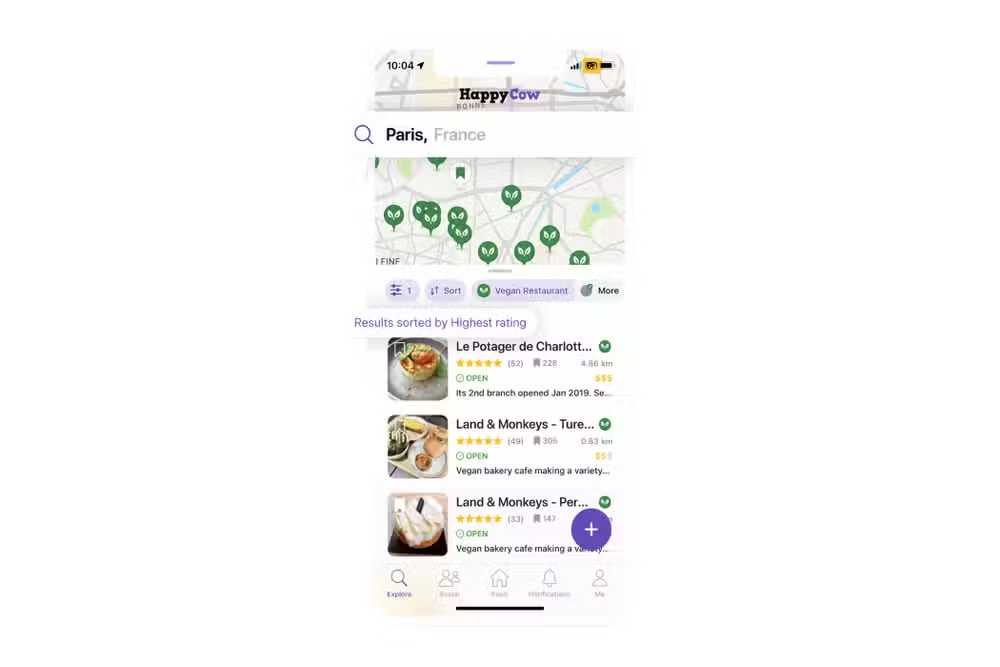
Reddit's r/travel community debates HappyCow's reliance on user-submitted ratings versus Google Maps' broader but less specialized listings. The consensus: HappyCow wins when dietary preferences are hard to communicate locally, particularly in regions where vegetarianism isn't common.
Airalo: eSIM for 200+ countries
International roaming fees remain absurdly expensive for most carriers. Airalo sells eSIM packages for over 200 destinations, including country-specific, regional, and global plans. You buy and activate data from the app before boarding. By landing, you're connected.
For multi-country trips, the regional packages eliminate the hassle of swapping SIMs at every border. Business travelers doing European or Asian circuits find this particularly useful. The app handles activation directly, no physical SIM card swaps required.
LoungeReview: maximize credit card perks
Premium credit cards often include lounge access that cardholders forget to use. LoungeReview shows available lounges at each terminal, access requirements, amenities, operating hours, and traveler reviews. The difference between a lounge with showers and hot food versus a carpeted waiting room is significant during long layovers.
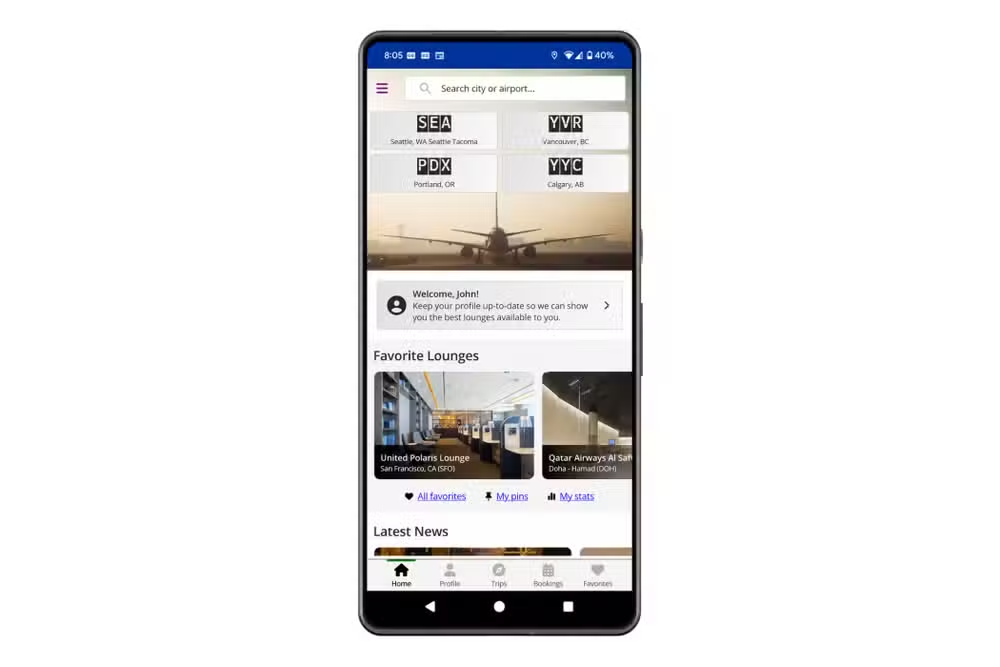
The app helps travelers extract value from cards they're already paying annual fees on. For frequent fliers, this alone justifies the download.
Timeshifter: circadian science for jet lag
Timeshifter builds a personalized jet lag plan based on your itinerary, sleep patterns, and chronotype. The app recommends when to nap, seek or avoid light, and consume caffeine, all grounded in circadian research rather than generic advice. According to post-flight surveys, 96.4% of users avoid severe jet lag.
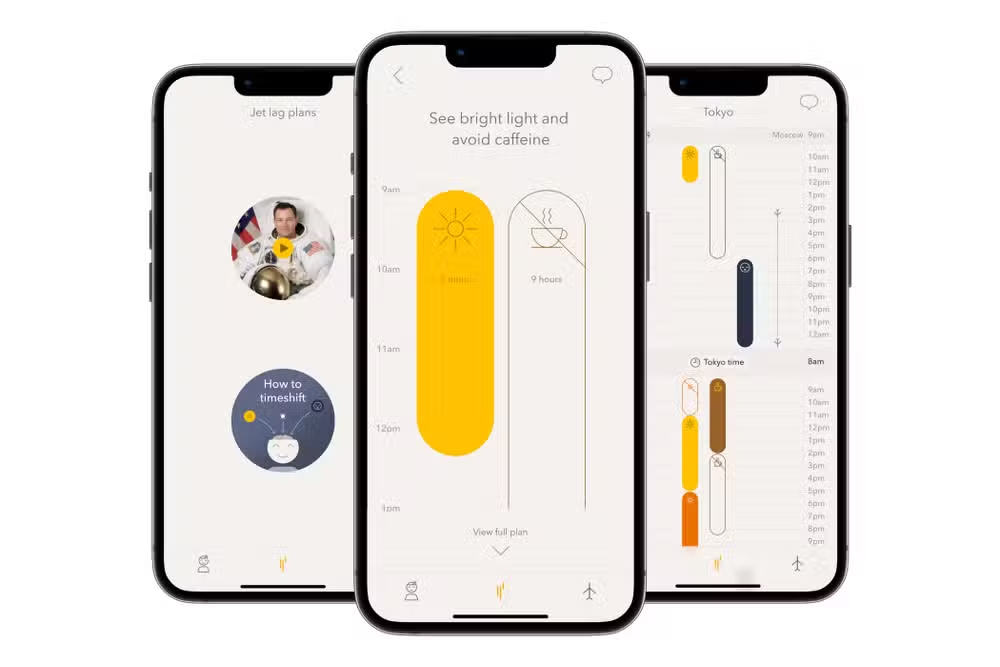
Athletech News called it "the astronaut-backed app that helps travelers beat jet lag." NASA researchers contributed to its development. For executives who need to perform immediately after transatlantic flights, this is the app that travel forums consistently recommend.
Flighty: flight tracking that beats the airline
Flight tracking apps are everywhere. Flighty stands apart by consistently delivering faster, more accurate updates than airline apps themselves. Delay predictions, gate changes, and inbound aircraft tracking arrive before airport displays update. The app recently added Airport Intelligence, a web-based feature for deeper logistics.
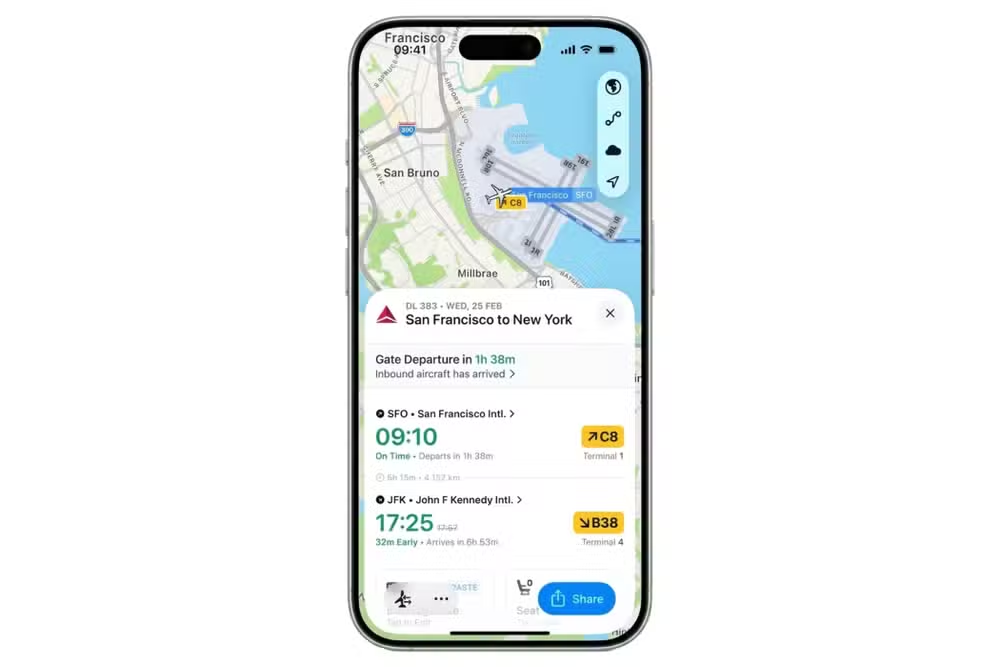
Reddit's travel communities call Flighty the "gold standard" for aviation intelligence. The catch: it's iOS-only. Android users still wait for parity.
Tripsy: the all-in-one alternative
While Gawde prefers dedicated single-purpose apps, he acknowledges Tripsy as a capable all-in-one planner. It ingests itineraries from email confirmations and includes flight tracking features. The debate in travel communities often pits this centralized approach against the specialized-app philosophy.
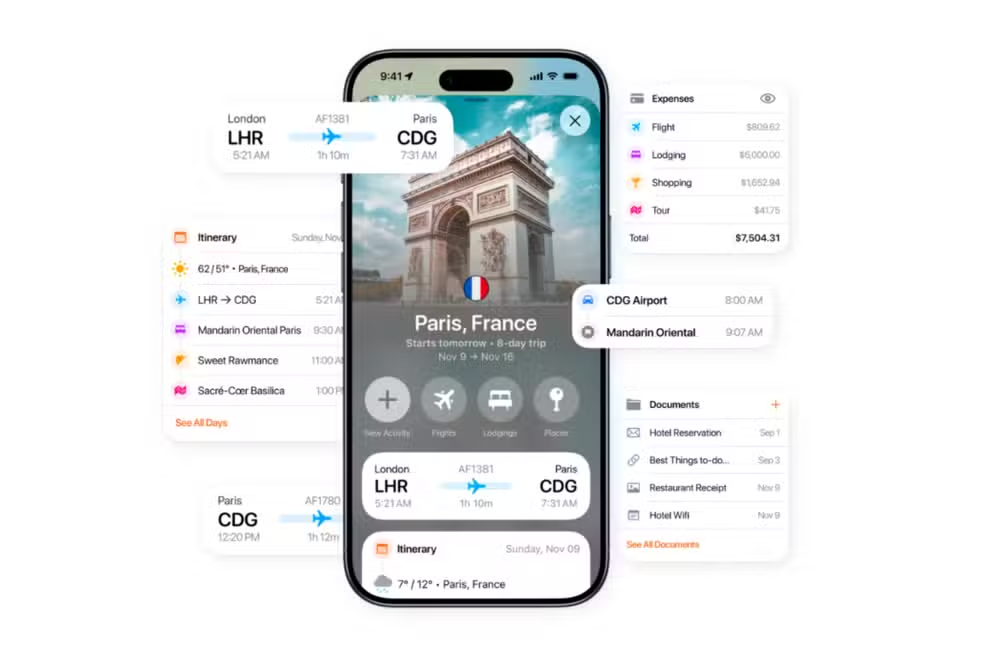
The trade-off is clear: all-in-one planners reduce app switching but rarely match the depth of dedicated tools. Flighty's flight data, Timeshifter's circadian science, and HappyCow's restaurant database exceed what any single app can replicate.
The case for specialized tools
The underlying argument here isn't about these seven specific apps. It's about automation-first design. Each app solves one friction point well: Airalo eliminates SIM logistics, Timeshifter applies science to sleep, Flighty provides intelligence airlines won't share proactively. Stacking specialized tools beats hoping one app does everything adequately.
For CTOs and founders who travel frequently for fundraising, conferences, or distributed team visits, the cumulative time savings compound. Arriving functional instead of jet-lagged, connected instead of hunting for SIM vendors, and informed about delays before the airline announces them, these are competitive advantages in an exhausting travel schedule.
Frequently Asked Questions
Which travel apps work offline?
Polarsteps tracks GPS routes offline and syncs photos when reconnected. HappyCow allows downloading city guides for offline access. Flighty caches flight data but needs connectivity for real-time updates.
Is Airalo compatible with all phones?
Airalo requires an eSIM-compatible device. Most smartphones released after 2019 support eSIM, but check your specific model. Some carriers lock eSIM functionality.
How accurate is Timeshifter for jet lag?
The company reports a 96.4% success rate in preventing severe jet lag based on post-flight user surveys. Results depend on following the app's light exposure and caffeine recommendations.
Why is Flighty iOS-only?
The developers have focused on deep iOS integration. An Android version has been requested for years but remains unavailable as of June 2026.
Are these travel apps free?
Pricing varies. Polarsteps and HappyCow offer free tiers with premium features. Airalo charges per data plan. Flighty and Timeshifter use subscription models. LoungeReview is free.
Logicity's Take
The real insight here isn't the app list. It's the shift from manual trip management to automation-first tooling. Business travelers who treat software selection as seriously as hardware, the right apps installed before departure rather than scrambled together at the gate, gain compounding advantages. The fragmentation of travel across platforms isn't going away, so the winners will be those who automate the friction points that drain cognitive bandwidth.
Need Help Implementing This?
If your organization needs guidance on travel tech stacks, mobile device management for international teams, or eSIM deployment strategies, reach out to Logicity's consulting network for expert recommendations tailored to your operations.
Source: How-To Geek
Huma Shazia
Senior AI & Tech Writer
Produced with AI assistance and reviewed by the Logicity editorial team. Learn more in our Editorial Policy.