Key Takeaways
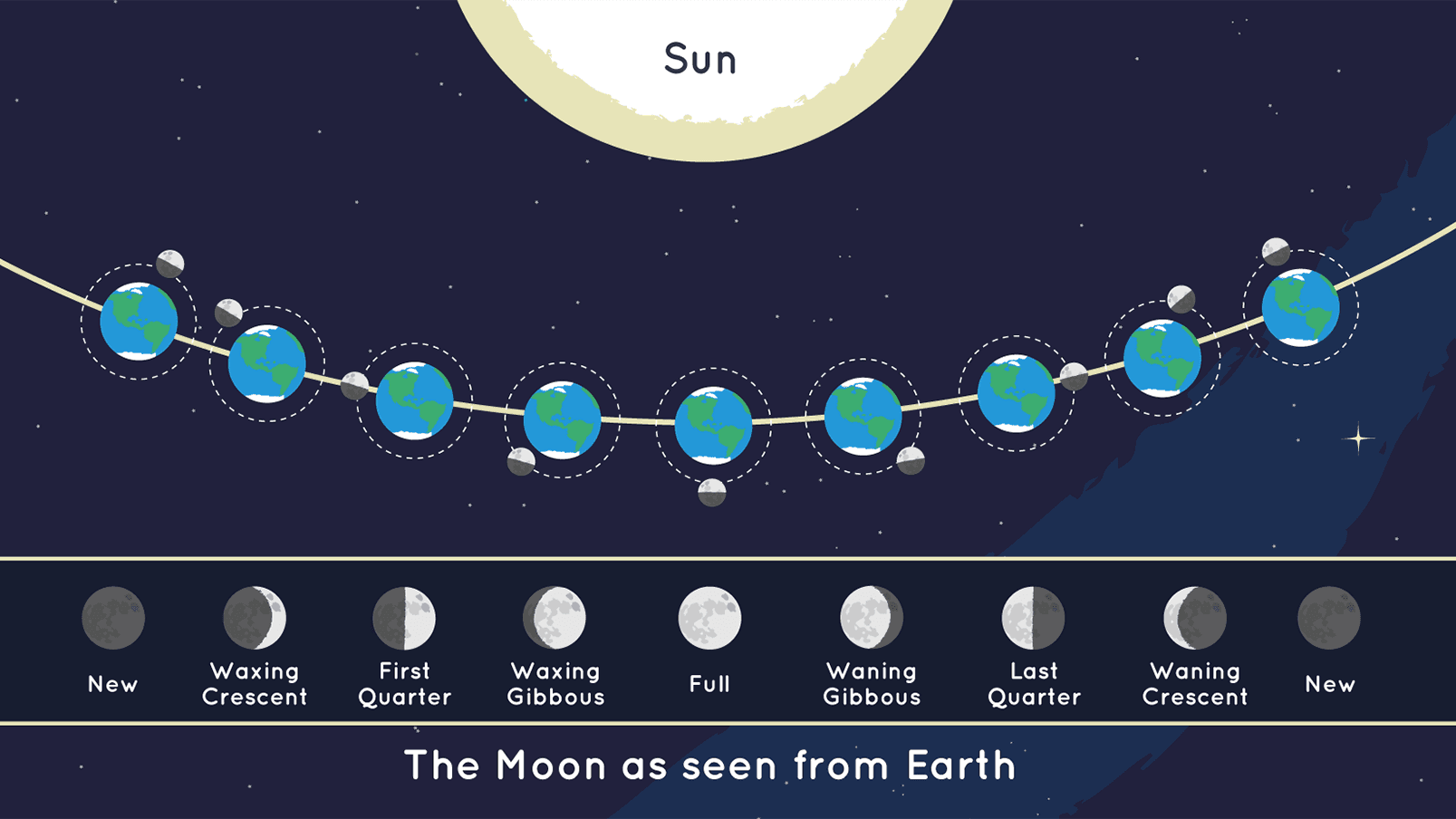
- A bright moon blocks the Milky Way even in the darkest locations. Plan trips around the lunar cycle.
- City stargazing works if you target bright objects like planets and double stars.
- Your peripheral vision detects fainter objects than direct sight. Look slightly away from what you want to see.
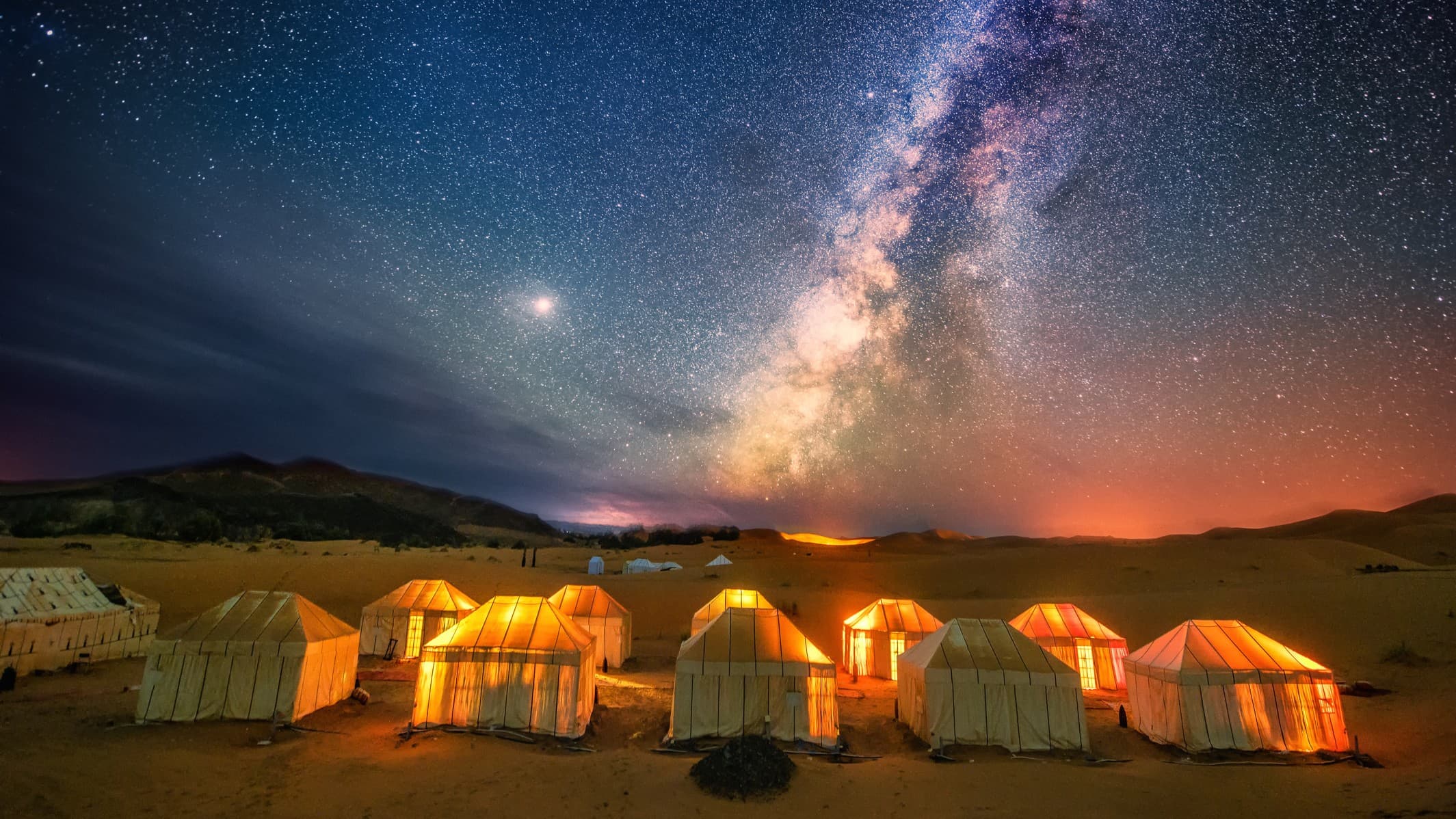
A few years ago, a friend returned from Jordan's Wadi Rum desert disappointed. He'd followed advice to visit one of Earth's best stargazing locations but saw no Milky Way. Just a bright moon.
He hadn't gone to the wrong place. He hadn't picked the wrong season. September is ideal for Milky Way viewing. His problem was simpler: he went during the wrong moon phase.
This single mistake wipes out the benefits of light pollution maps, Dark Sky certifications, and desert travel. The lessons that actually improve stargazing don't come from gear reviews or destination guides. They come from time spent outside, learning what changes the sky.
1. The Moon Is Nature's Biggest Light Polluter
Humans love the full moon. Few understand how it transforms the night sky. A bright moon overwhelms all but the brightest stars, washing out the Milky Way entirely.

There's a 10-night window from last quarter moon to just past new moon when evening skies are free from bright moonlight. Outside that window, fainter stars and deep-sky objects gradually disappear.
Work schedules often dictate travel dates. But given a choice, never travel to dark skies in the week before a full moon. It dominates the sky all evening. A moon phase calendar is worth more than a light pollution map.
2. City Stargazing Works
Light pollution doesn't erase the night sky. It filters it. Planets, bright stars, and the Moon remain visible from urban areas. Double stars like Albireo in Cygnus show their colors through city glow.
Urban observing teaches you to find objects by star-hopping. You learn constellations not as abstract patterns but as navigation tools. This skill transfers directly to dark-sky sites where thousands of additional stars can overwhelm newcomers.
Balconies, rooftops, and parks all work. The key is consistent practice, not perfect conditions.
3. The Sky Changes Constantly
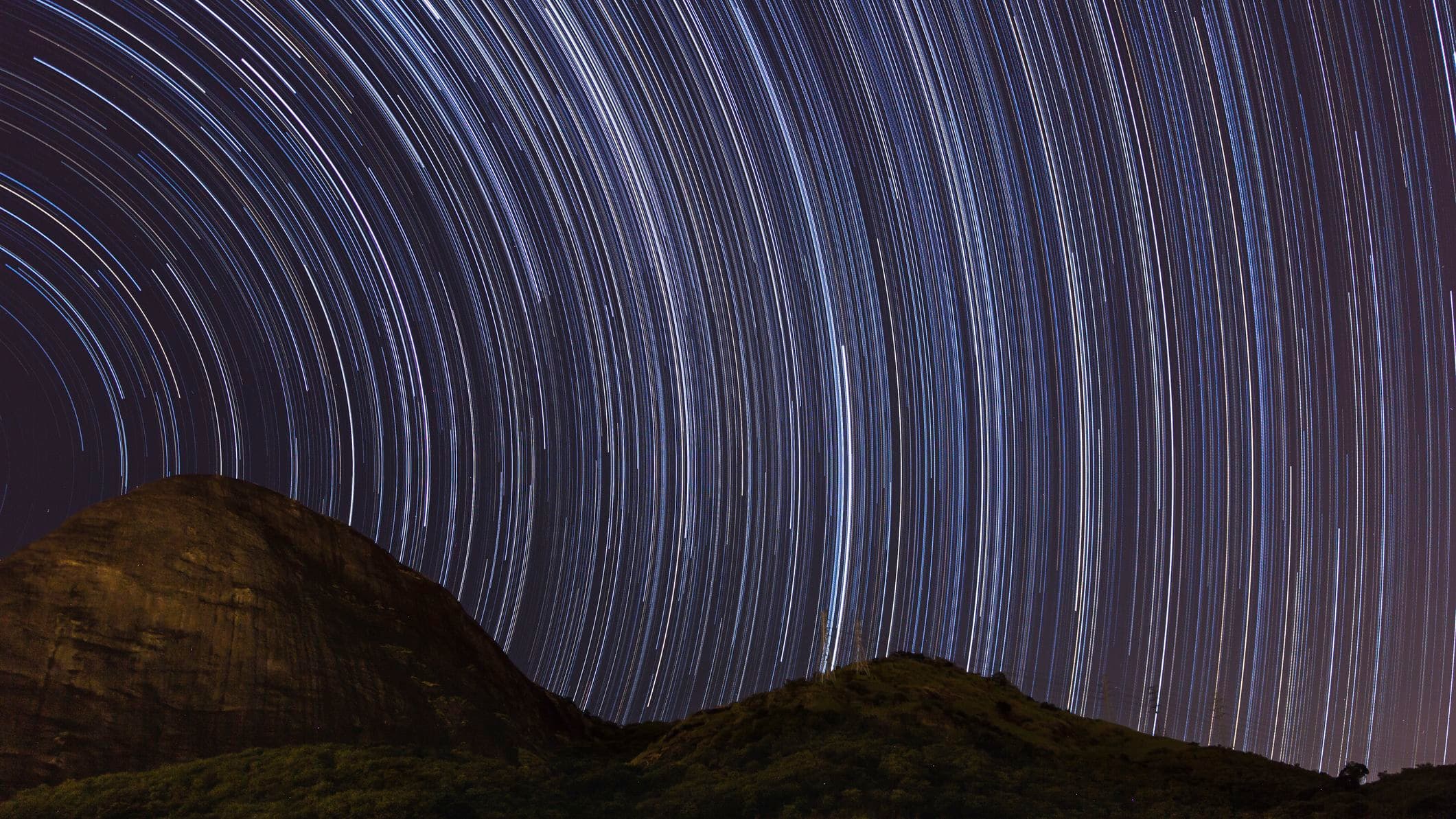
The night sky rotates visibly in under an hour. Objects rise in the east, set in the west, and pass through optimal viewing positions at specific times. Planets shift positions against background stars over weeks.
This means timing matters within a single night. Saturn might be high at 10 PM but gone by 2 AM. The Milky Way core appears in different positions depending on season and hour.
Knowing what's up right now beats memorizing what's theoretically visible. Star chart apps update in real time. Use them.
4. Short Sessions Beat Marathons
All-night observing sessions sound romantic. They're often unproductive. Fatigue sets in, focus drifts, and you end up scrolling your phone under dark skies you traveled hours to reach.
Thirty focused minutes beats four distracted hours. Pick one or two targets. Observe them properly. Stop when attention wanders.
This also works for beginners learning to identify constellations. One new pattern per session sticks. Five new patterns blur together.
5. Dark Adaptation Takes 20-30 Minutes
Your eyes need time to reach maximum sensitivity. Pupils dilate quickly, but the chemical changes in your retinas take 20-30 minutes to complete.
Checking your phone destroys this adaptation instantly. White light forces the process to restart. Red light preserves it, which is why astronomers use red flashlights and set devices to night mode.
The difference between five-minute eyes and thirty-minute eyes is dramatic. Faint stars that were invisible become obvious. The Milky Way gains structure and detail.
6. Peripheral Vision Sees Fainter Objects
The center of your retina contains color-sensitive cones. The edges contain rods, which detect light at much lower levels. This means the edge of your vision outperforms the center for faint objects.
To see a dim galaxy or nebula, don't look directly at it. Look slightly to the side. The object appears in your peripheral vision, where your eyes are most sensitive.
This technique, called averted vision, reveals objects invisible to direct gaze. Experienced observers use it automatically. Beginners often miss it entirely.
7. Meteor Showers Rarely Match the Photos
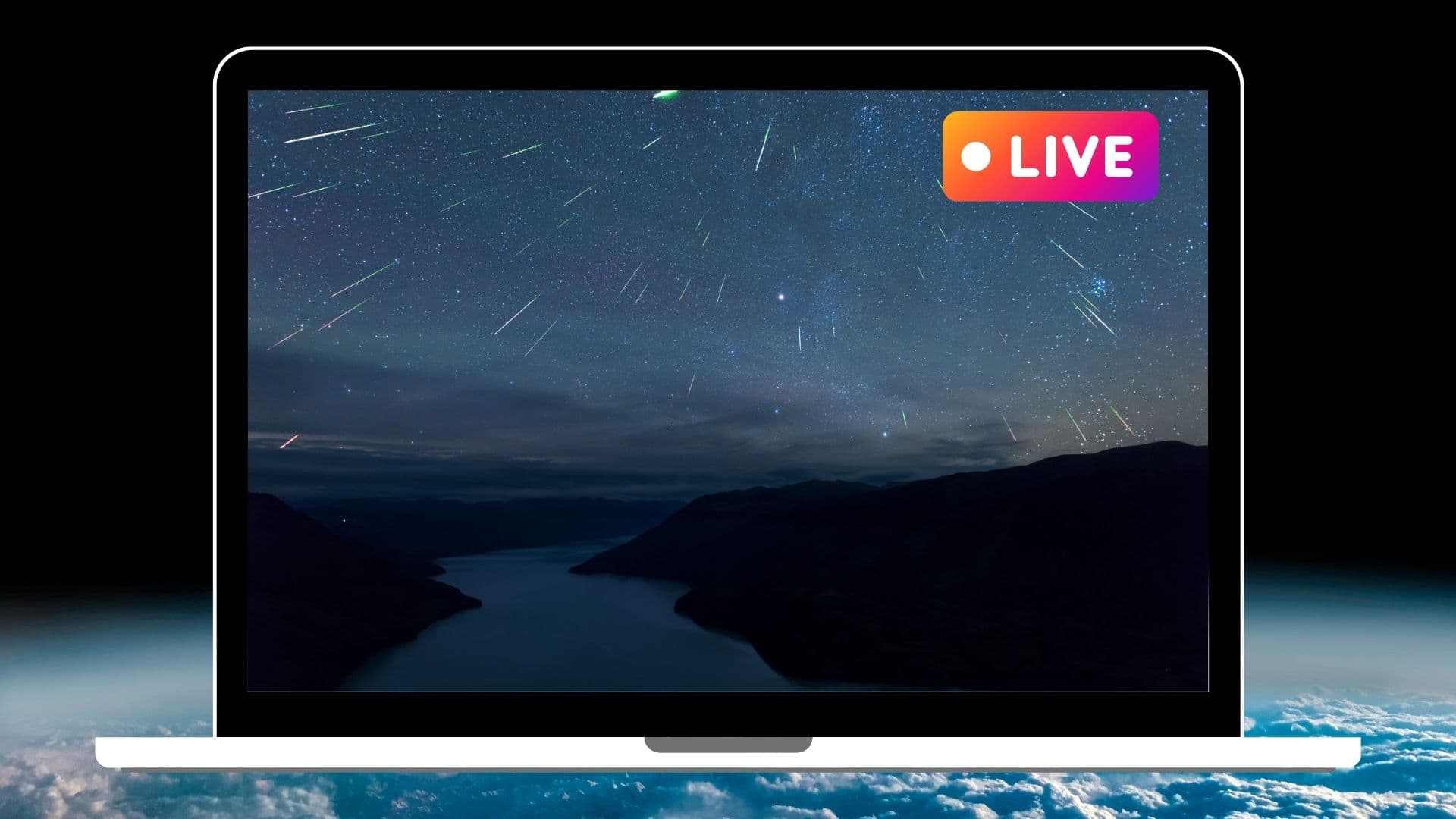
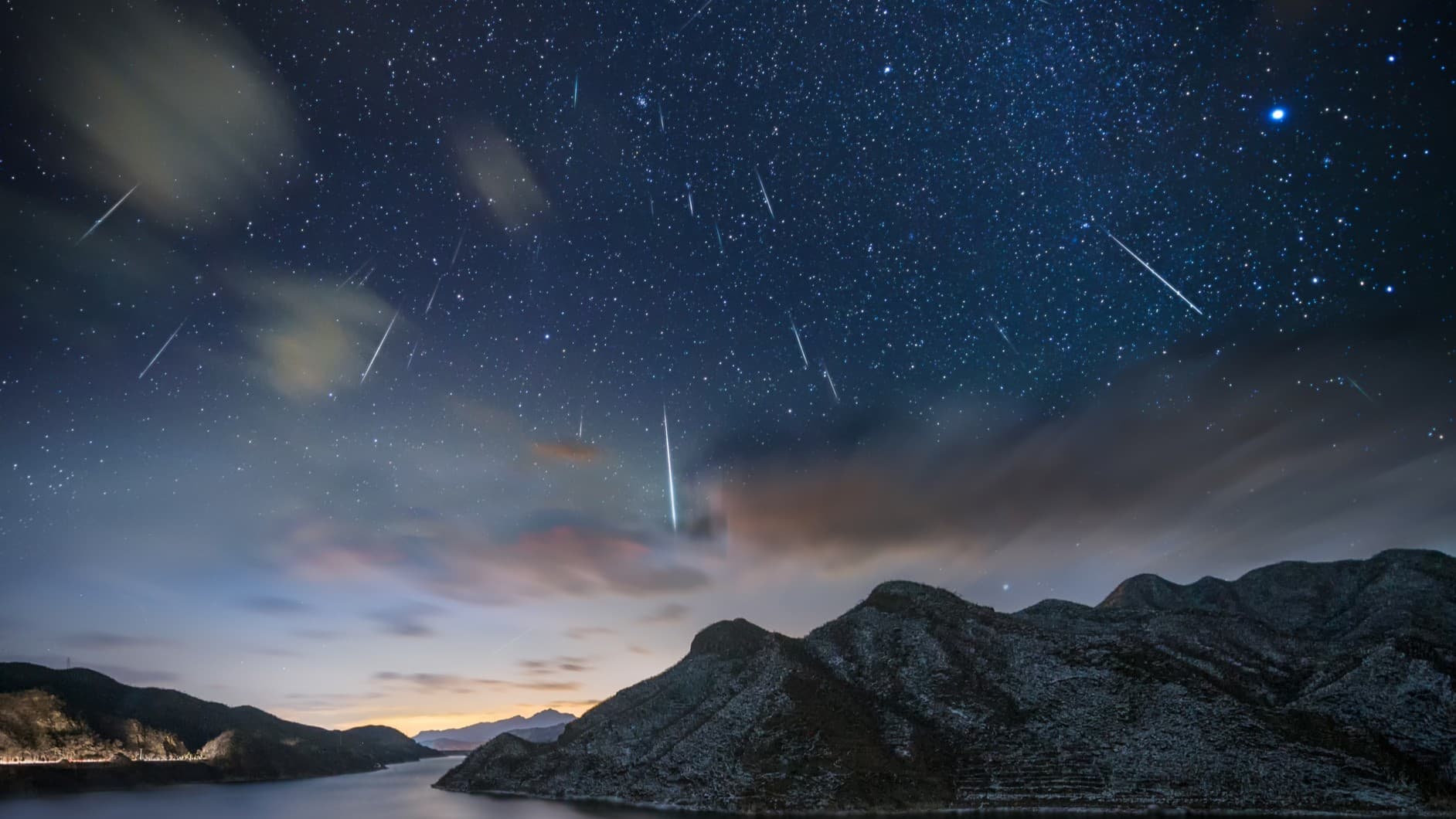
Photographs of meteor showers show dozens of streaks across the frame. These are composite images combining hours of exposures. Real viewing looks nothing like this.
Even during strong showers, you might see one meteor every few minutes. Weaker showers produce a handful per hour. Calibrate expectations accordingly.
The Perseids in August and Geminids in December offer the best odds. Lie flat, look up, and wait. Patience pays better than gear.
Planning Beats Equipment
Telescope forums obsess over aperture and optics. Experienced observers know that planning determines 80% of what you see. Moon phase, weather, timing, and target selection matter more than the difference between a good telescope and a great one.
Start with binoculars or naked eyes. Learn the sky before spending money. The Pleiades, Orion Nebula, and Andromeda Galaxy are all visible without optical aid from reasonably dark sites.


Logicity's Take
Frequently Asked Questions
When is the best time to see the Milky Way?
The 10 nights from last quarter moon to just after new moon offer the darkest skies. In the Northern Hemisphere, summer months position the Milky Way core highest in the sky during evening hours.
Can you stargaze in a city?
Yes. Planets, the Moon, bright stars, and double stars remain visible through urban light pollution. City observing builds navigation skills that transfer to darker sites.
How long does dark adaptation take?
Full dark adaptation requires 20-30 minutes. Checking your phone or using white light resets this process. Red light preserves night vision.
Why can't I see as many meteors as in photos?
Meteor shower photographs are composites showing hours of activity in a single frame. Real viewing produces one meteor every few minutes during strong showers.
Do I need a telescope to start stargazing?
No. Binoculars or naked eyes work for learning constellations, spotting planets, and viewing bright deep-sky objects like the Pleiades and Orion Nebula.
Need Help Implementing This?
Source: Latest from Space.com
Manaal Khan
Tech & Innovation Writer
Produced with AI assistance and reviewed by the Logicity editorial team. Learn more in our Editorial Policy.