Key Takeaways

- A full-size World Cup trophy replica requires about 250g of gold silk PLA filament
- Print-in-place fabric flags work on standard home 3D printers with no assembly
- MakerWorld creators are actively adding new LEGO-style player figures throughout the tournament
The 2026 FIFA World Cup has kicked off across 16 cities in the US, Canada, and Mexico, and if you own a 3D printer, you can celebrate with more than just merchandise. MakerWorld hosts a growing collection of World Cup 3D printing projects, from trophy replicas to working vuvuzelas. Here are five worth queuing up this weekend.
Full-size FIFA World Cup trophy replica
Igallard's AMS-friendly World Cup model on MakerWorld has become one of the most popular prints of the tournament. The 100% scale replica uses roughly 250g of filament. Gold silk PLA with two thin bands of standard green PLA at the base produces the best results.
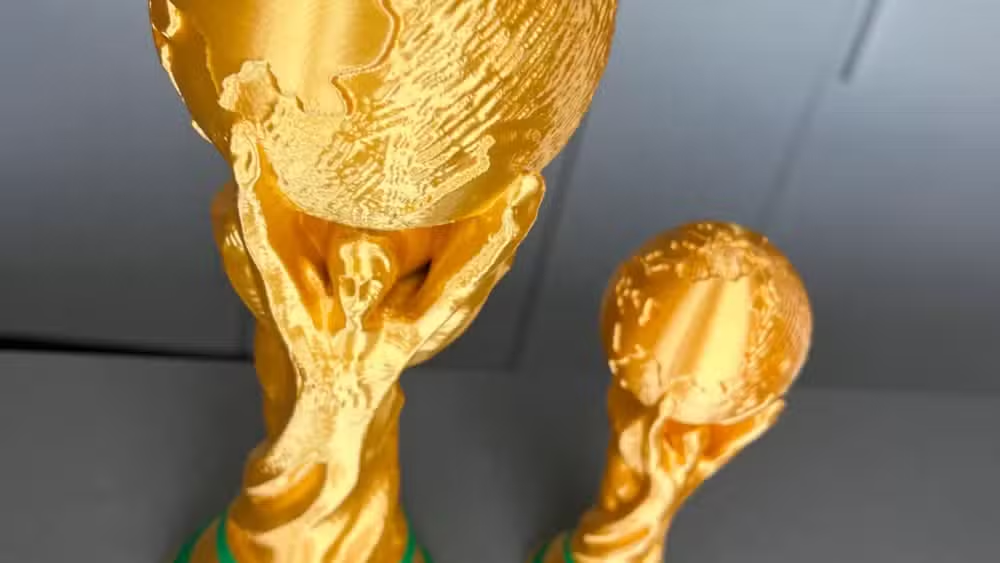
The real trophy weighs 6.1kg and is made of 18-karat gold, so your printed version will feel considerably lighter. One reviewer named V44k0 posted a photo with the note: "it was polished, printed, and gold leaf was applied for the final finish." That extra step elevates the print from desk toy to display piece.
LEGO-style mini figures of World Cup players
MakerWorld creator Oierre has been producing 2026 World Cup players in the style of LEGO mini figures. The collection keeps growing as fan requests roll in. Erling Haaland, Harry Kane, Lionel Messi, Kylian Mbappé, and Mo Salah are already available, with more added throughout the tournament.
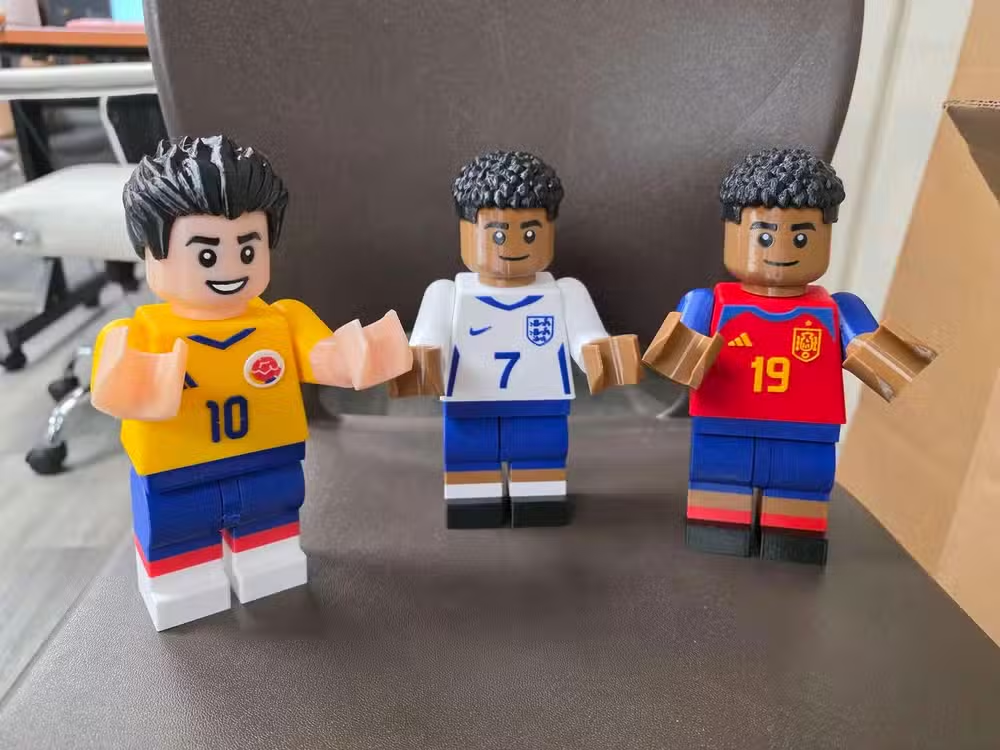
These require multi-color printing for accurate jerseys. If you have an AMS setup, you can match kits precisely. Otherwise, painting works fine on PLA surfaces.
Print-in-place fabric-style flags
3D printed fabric sounds like a contradiction, but print-in-place techniques make it possible. NSC 3D's FlexWeave fabric-style world flag collection includes most competing nations in three variants: desk flags with a separate printable stand, large hanging flags (fitting a 256×256×256mm build plate) with hook mounts, and large flags with a cord channel.
The catch is filament color. Reproducing a flag accurately means stocking the right spools. Even if your team didn't qualify, the collection keeps expanding. You'll probably find something worth printing.
A working vuvuzela for 2010 nostalgia
The 2010 World Cup in South Africa introduced the vuvuzela to global audiences. Love it or hate it, the horn became inseparable from that tournament's atmosphere. SmittyPrints has released a print-in-place stadium horn that requires no supports and no assembly.
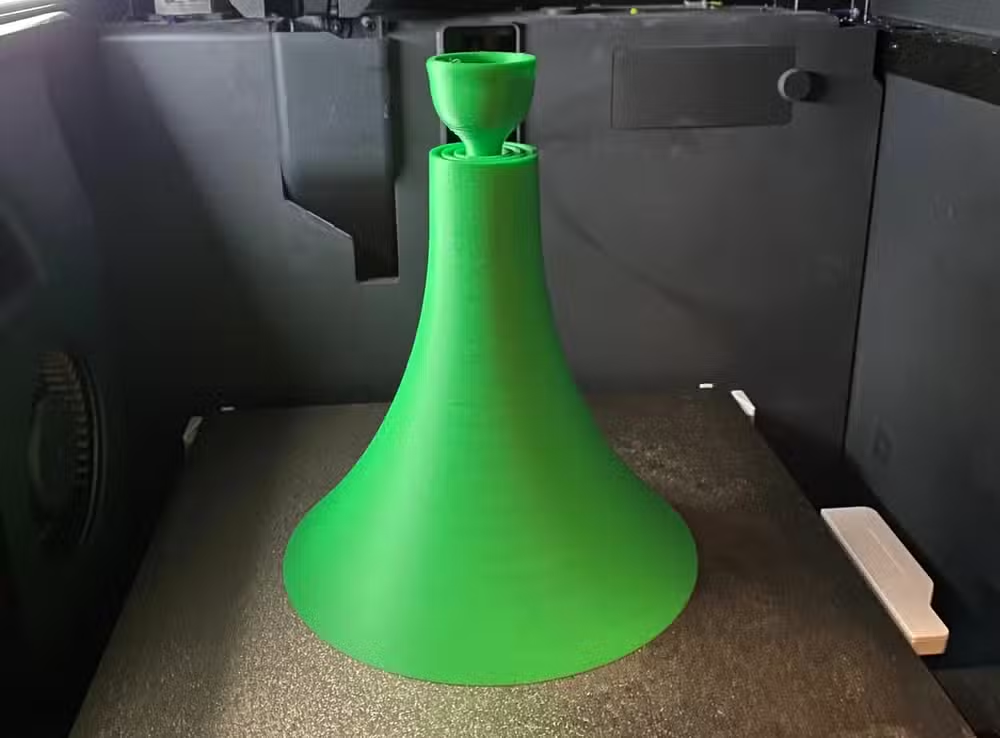
The creator's tagline: "No supports. No assembly. Just chaos." Reviews confirm it works and is loud. Some users note the friction-fit connections can be loose. A thin strip of tape around the inner edge of each connection point tightens the seal.
Print-in-place infinity cube for tense matches
Penalty shootouts do something to your nervous system. A fidget toy helps. The print-in-place infinity cube requires no assembly and gives your hands something to do during extra time.
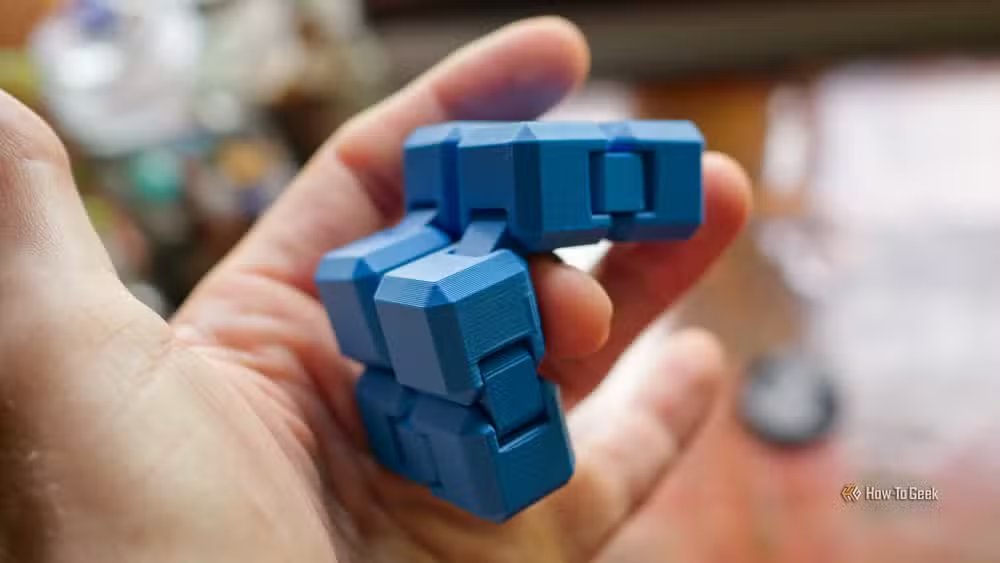
It rolls smoothly between configurations and prints on most FDM machines without issue. Not World Cup themed specifically, but useful when your team is one VAR review away from elimination.
Printer recommendations for these projects
Most of these models work on any reasonably calibrated FDM printer. The trophy benefits from a larger build volume. Print-in-place models like the vuvuzela and infinity cube demand good layer adhesion and precise first-layer calibration.
The Bambu Lab P2S handles multi-color prints easily with its AMS. For single-color projects, the Prusa MK4S remains a reliable workhorse with excellent print quality out of the box.
Logicity's Take
These projects reveal something about the maker community's relationship with global events. The designs surface within days of a tournament starting, iterate based on user feedback, and disappear from trending lists once the final whistle blows. For brands watching, it's a model of just-in-time, community-driven manufacturing. For hobbyists, it's a reminder that your printer can do more than produce replacement parts and phone stands.
Frequently Asked Questions
How much filament does a full-size World Cup trophy replica use?
Approximately 250g of filament. Gold silk PLA produces the most realistic finish, with green PLA for the base bands.
Can I print fabric flags on a regular 3D printer?
Yes. Print-in-place fabric techniques work on standard FDM printers. NSC 3D's flags fit build plates up to 256×256×256mm.
Does the 3D printed vuvuzela actually make noise?
Reviews confirm it works and is loud. Apply tape to connection points if the friction fit feels loose.
Where can I download these World Cup 3D models?
All models mentioned are available on MakerWorld. Search by creator name: Igallard (trophy), Oierre (LEGO players), NSC 3D (flags), SmittyPrints (vuvuzela).
What printer works best for multi-color World Cup prints?
Any printer with an automatic material system handles multi-color well. The Bambu Lab P2S with AMS is a popular choice for projects requiring multiple filament swaps.
Need Help Implementing This?
Looking to integrate 3D printing into your product workflow or prototype faster? Contact Logicity's partner network for hardware recommendations, design services, and enterprise printing solutions.
Source: How-To Geek
Manaal Khan
Tech & Innovation Writer
Produced with AI assistance and reviewed by the Logicity editorial team. Learn more in our Editorial Policy.