Key Takeaways
- Budget 3D printers like the Bambu Lab A1 and Elegoo Centauri Carbon 2 start around $300-$450
- ESP32 microcontrollers cost under $10 and power most DIY smart home projects
- Buying used gear lets you trial a hobby risk-free by reselling if it doesn't stick
The barrier to entry has collapsed
For years, hobbies like 3D printing and custom electronics sat behind a paywall of expensive equipment and specialized knowledge. That's no longer true. Hobbyist 3D printer sales jumped 40% year-over-year in 2025, driven almost entirely by sub-$300 models. Home Assistant's community forum now has 5.2 million monthly active users. The tools got cheaper. The documentation got better. The community got bigger.
“The barrier to entry for high-tech hobbies has collapsed. You no longer need an engineering degree or a thousands-of-dollars lab to build sophisticated, useful projects at home.”
— Tim Brookes, Senior Editor at How-To Geek
Brookes' observation captures a shift that's been building for years. Open-source hardware, competitive manufacturing in Asia, and YouTube tutorials have combined to make these pursuits attainable for anyone with a few hundred dollars and some patience.
3D printing: the gateway hobby
You can buy a capable 3D printer for $300 new. Spend a bit more and you get features that eliminate most beginner frustrations. The used market is even friendlier. Buy a printer, try it for a few months, and sell it for what you paid if the hobby doesn't stick.
Bambu Lab's A1 and A1 mini offer no-fuss printing at around $300. These printers handle calibration automatically and require minimal maintenance. For $549, the P2S adds a fully enclosed build chamber, which matters if you want to print high-temperature materials like ABS or nylon. The enclosed design also reduces warping and keeps fumes contained.
Elegoo targets an even cheaper price point. The Centauri Carbon 2 costs $449 and includes a multicolor system that competitors charge extra for. Build volume is 256 × 256 × 256 mm, which handles most practical prints. Wi-Fi connectivity means you can send jobs from your desk.
What makes 3D printing sticky is its utility. Printing replacement parts for power tools, custom organizers for drawers, or mounting brackets for home automation gear turns abstract tinkering into tangible savings. Estimates suggest home printing can cut costs on household tools and accessories by around 30% compared to retail.
Microcontrollers: smart home projects for $10
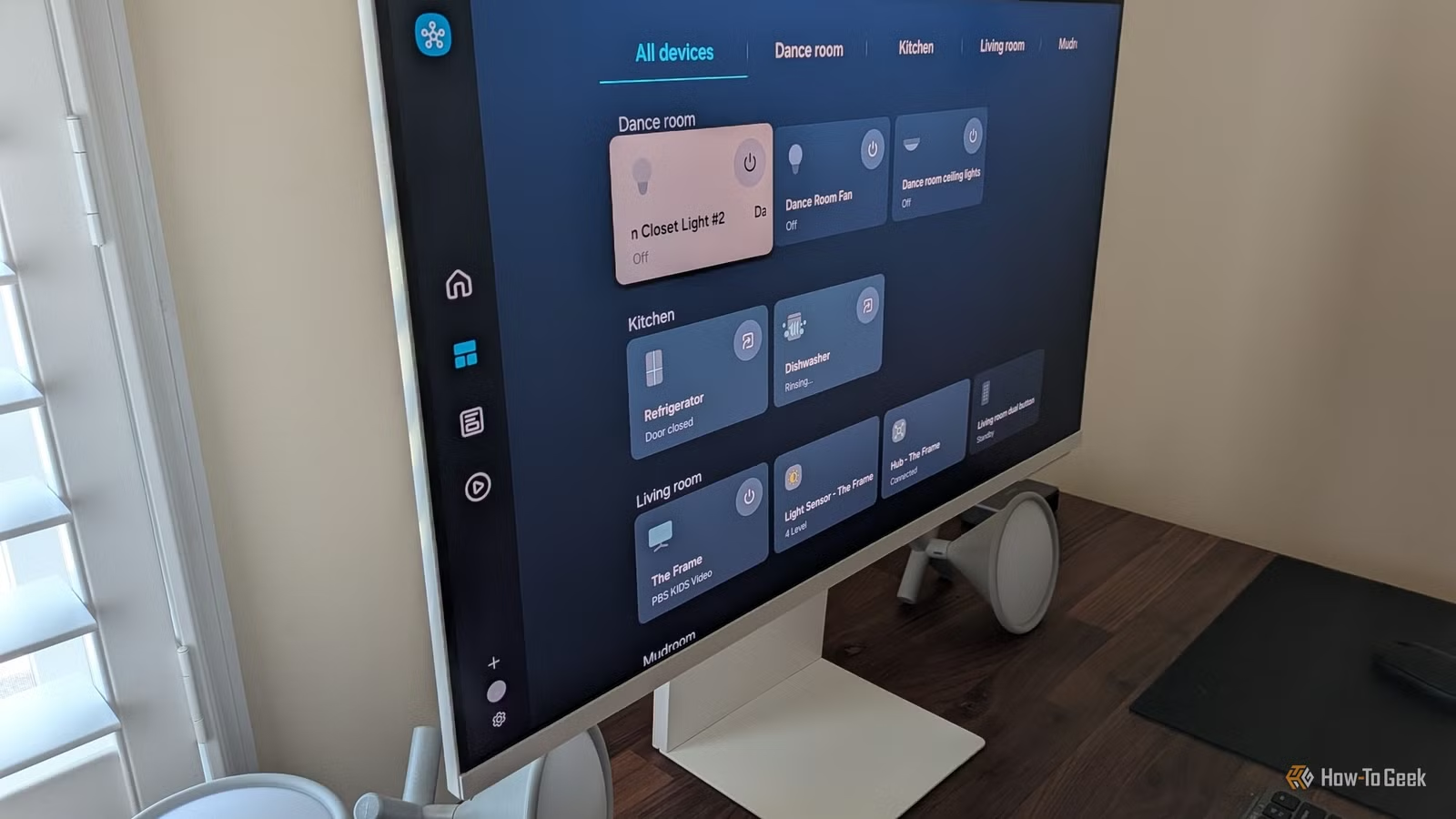
The ESP32 family of microcontrollers has become the backbone of DIY smart home projects. These tiny boards cost under $10, connect to Wi-Fi, and run code you can write or copy from thousands of open-source projects.
Seeed Studio's XIAO ESP32-C3 is a popular choice. It's smaller than a postage stamp, costs around $5, and handles tasks like monitoring temperature sensors, controlling LED strips, or automating plant watering. The newer ESP32-C6 variant adds Thread and Zigbee support, which matters if you're building a mesh network of devices.
Home Assistant ties these projects together. The open-source platform runs on a Raspberry Pi or old laptop and integrates with thousands of devices. Once you've automated your first light switch, the projects tend to multiply. Reddit's r/DIY community notes that the real value isn't the individual project but the transferable skills: basic electronics, programming logic, and troubleshooting.
Laser engraving and self-hosting
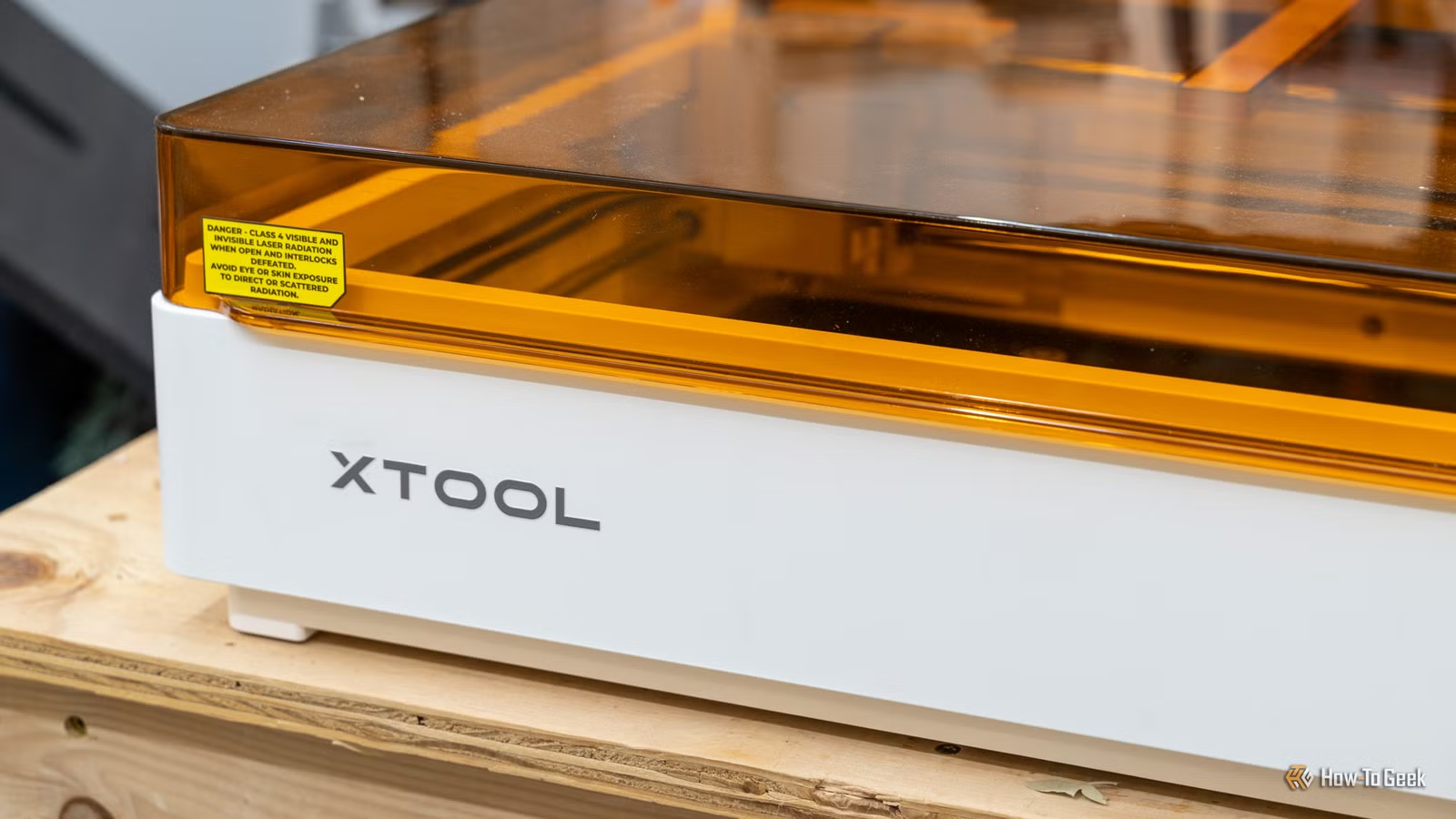
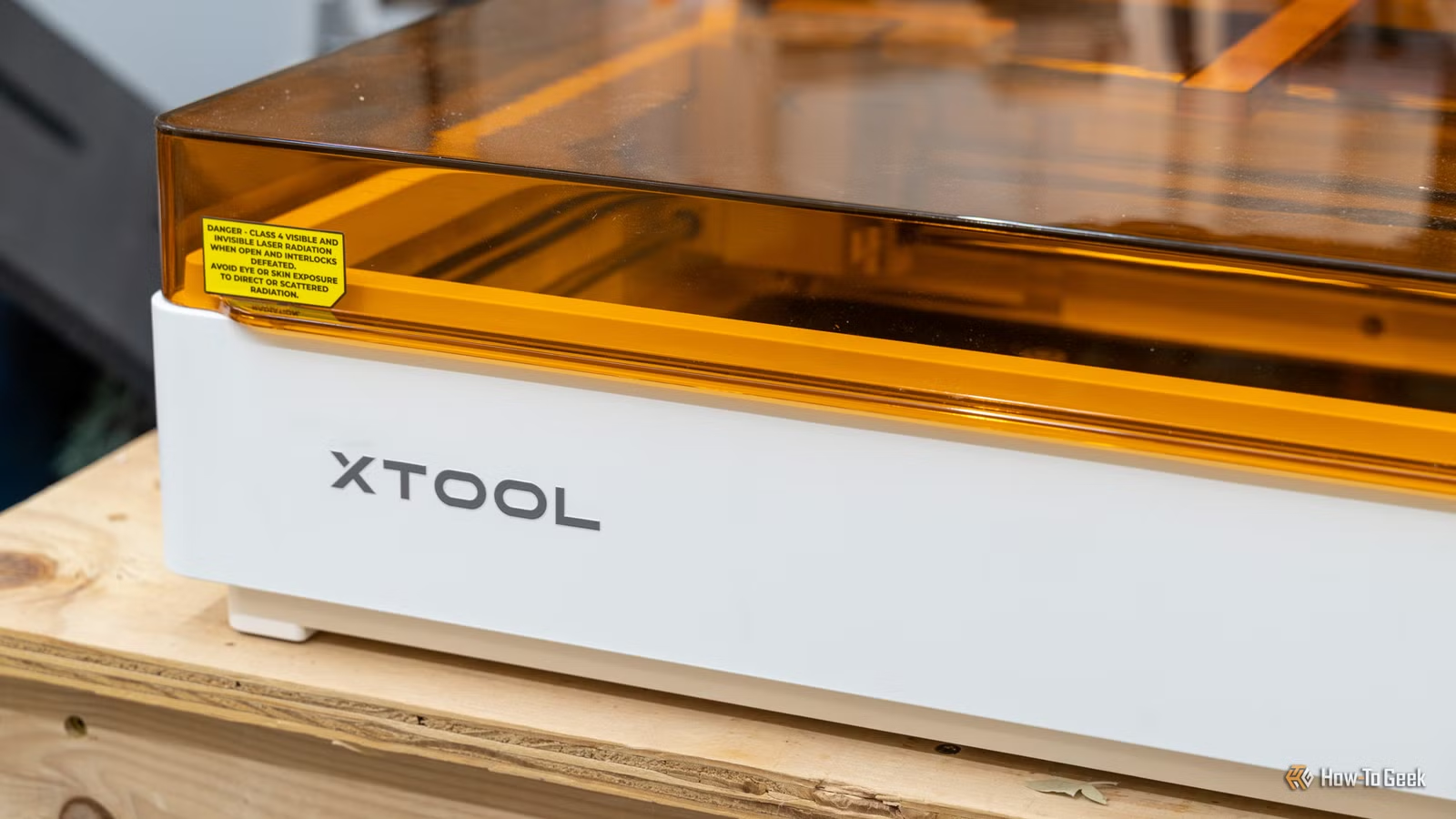
Laser engravers have dropped into hobbyist territory. Entry-level models handle wood, leather, and acrylic for a few hundred dollars. The xTool F1, while pricier, shows where the category is heading: portable, precise, and fast enough for small production runs.
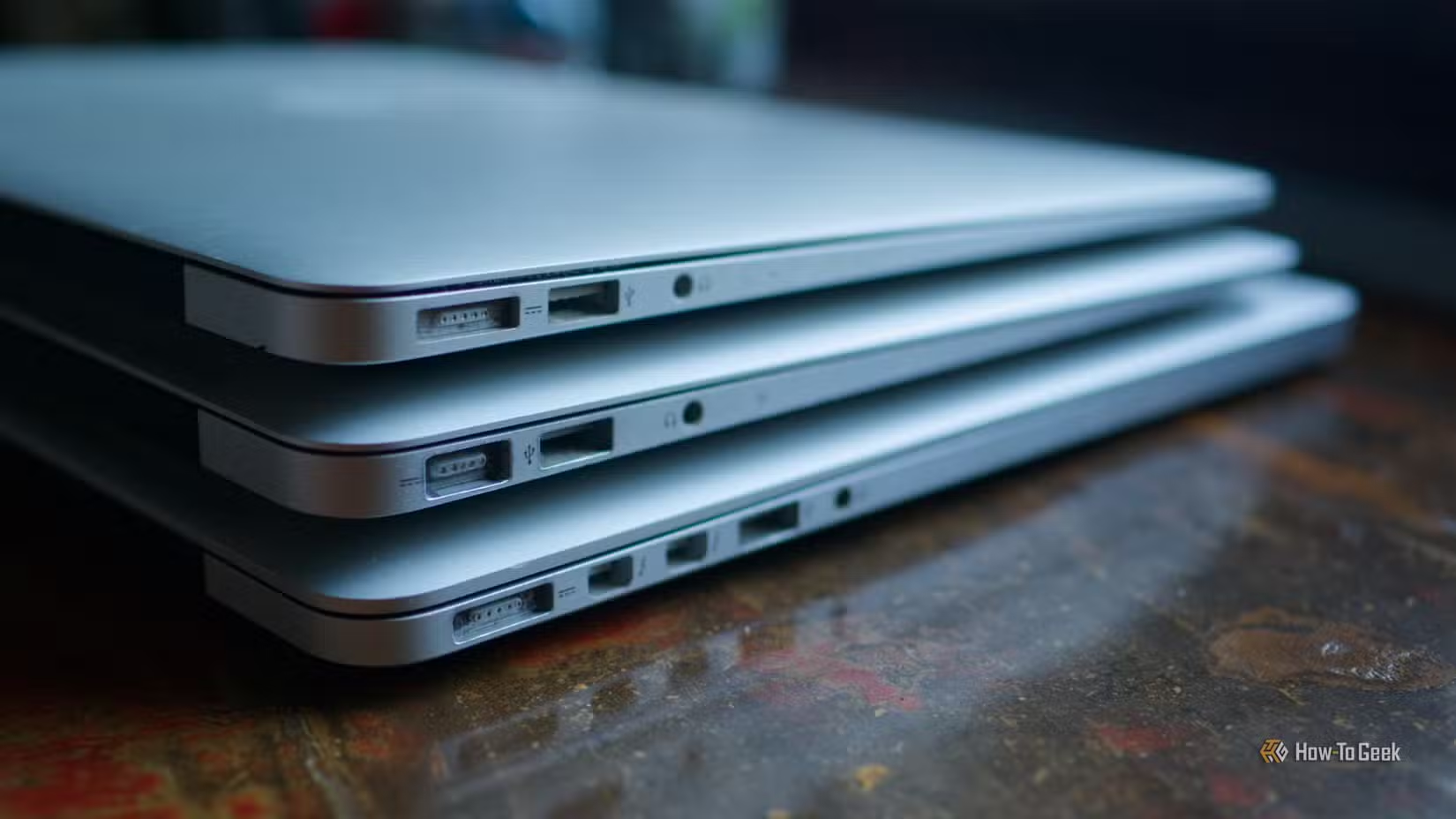
Self-hosting is the least expensive option on this list. If you have an old laptop or desktop, you already own the hardware. Install Linux, set up a Plex server or Pi-hole ad blocker, and you've started. The learning curve is steeper than buying a printer, but the ongoing cost is essentially zero.
HackerNews discussions around the original How-To Geek article focused on another angle: running Linux terminal apps on Android. The idea is to replace bloated mobile apps with lightweight, customizable alternatives. It's niche, but it appeals to people who want control over their devices.
The buy-used strategy
Brookes makes a practical point about risk management: buy used. 3D printers, laser engravers, and even microcontroller kits hold their value reasonably well on secondary markets. If you spend $250 on a used Ender 3 and decide printing isn't for you, you can likely sell it for $200. Your total cost to trial the hobby: $50 and some time.
This approach works because the enthusiast community constantly upgrades. Last year's printer becomes this year's beginner deal. Facebook Marketplace, r/3Dprintingdeals, and local maker groups are good places to start.
| Hobby | Entry Cost | Ongoing Cost | Learning Curve |
|---|---|---|---|
| 3D Printing | $250-$550 | Filament ($20/kg) | Moderate |
| Microcontrollers | $10-$50 | Components ($5-20) | Steep |
| Laser Engraving | $200-$600 | Materials vary | Moderate |
| Self-Hosting | $0 (old hardware) | Electricity | Steep |
| Home Automation | $50-$150 | Sensors ($5-30) | Moderate |
Logicity's Take
Security considerations for your DIY home automation projects
Another approach to repurposing existing hardware
Frequently Asked Questions
What's the cheapest 3D printer worth buying in 2026?
The Bambu Lab A1 mini at around $300 offers the best balance of price and reliability. It handles calibration automatically and requires minimal maintenance. For even cheaper entry, look at used Ender 3 models on secondary markets.
Do I need to know how to code to start with microcontrollers?
Not necessarily. Platforms like ESPHome let you configure devices with YAML files instead of writing code. That said, basic programming knowledge helps when troubleshooting or customizing projects.
How much can I actually save by 3D printing household items?
Estimates suggest around 30% savings on tools and accessories compared to retail, but the real value is printing things you can't buy: custom brackets, replacement parts for discontinued products, or organization solutions sized to your exact space.
What's the best way to start with home automation?
Install Home Assistant on a Raspberry Pi or old laptop, then add one smart plug or sensor. The system grows from there. Most people start with lighting automation or temperature monitoring.
Is buying used equipment risky for beginners?
Less than you'd think. 3D printers and microcontroller kits are modular. Broken parts are usually cheap to replace. The main risk is buying a printer with a clogged nozzle, which costs $10-$20 to fix.
Need Help Implementing This?
Source: How-To Geek
Huma Shazia
Senior AI & Tech Writer
Produced with AI assistance and reviewed by the Logicity editorial team. Learn more in our Editorial Policy.