Key Takeaways
- A quality socket set under $100 handles spark plugs, battery swaps, and aftermarket installs
- Battery maintainers prevent dead batteries and extend battery life on vehicles that sit for extended periods
- Tire pressure changes 2% for every 10°F temperature shift, making a portable compressor essential year-round
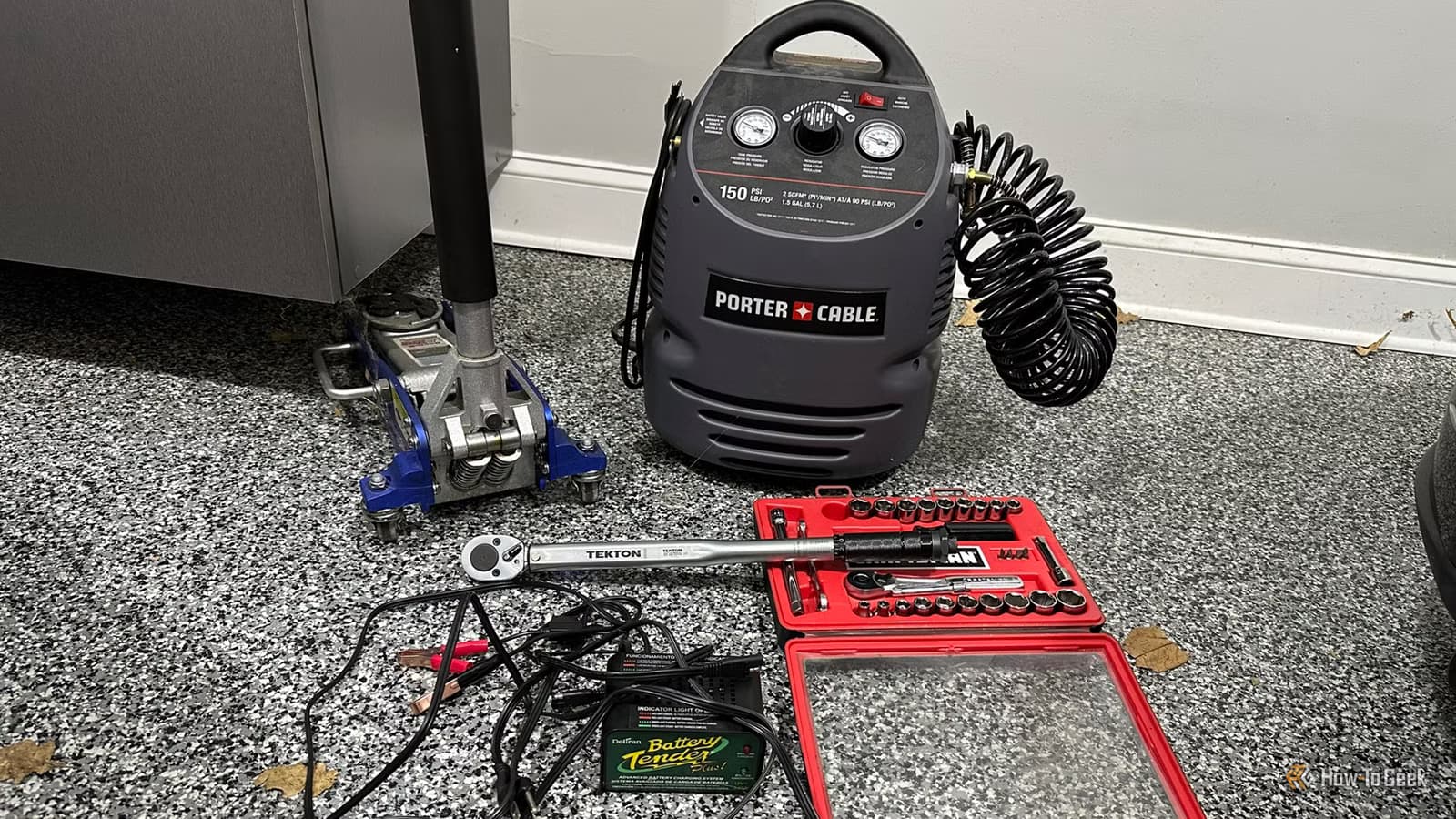
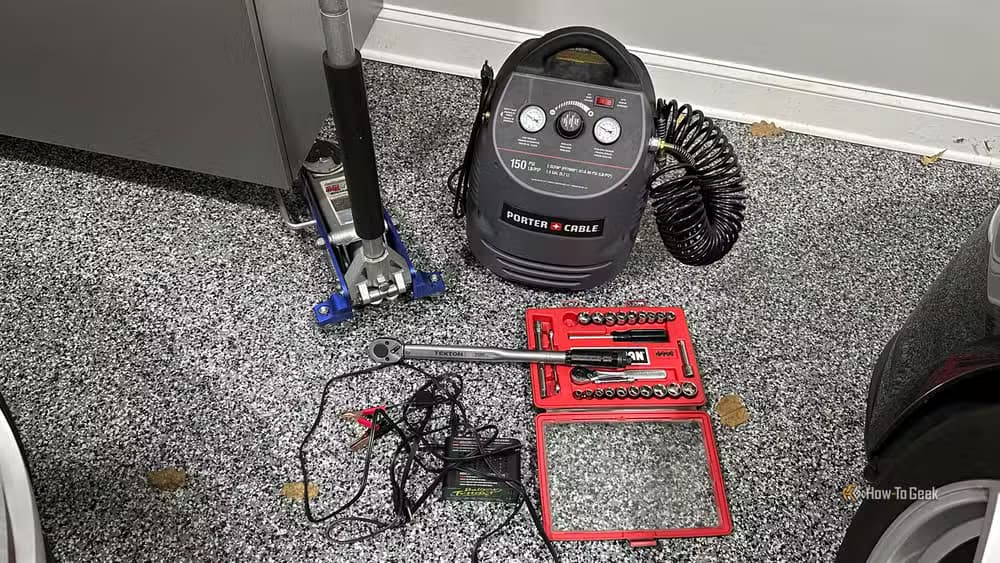
Modern cars run on dozens of computers, but you can still handle 20-30% of maintenance yourself with five basic tools costing less than $350 total. The list is shorter than you might expect: a socket set, battery maintainer, portable air compressor, and two others round out a kit that covers everything from spark plug changes to proper tire inflation.
Joe Kucinski, an automotive writer with SCCA credentials and 10 years of experience, laid out the essentials in How-To Geek. His argument is simple: as cars get more computerized, the tasks you can do at home decrease, but the ones that remain are worth handling yourself. Battery swaps, tire pressure checks, and basic bolt work don't require a dealer visit.
Why a socket set comes first
If you buy one tool, make it a socket set. Kucinski has used the same Craftsman set for over 20 years. It has handled battery replacements, spark plug changes, engine cover removal, and aftermarket part installation. A starter set with 50-100 pieces runs under $100.
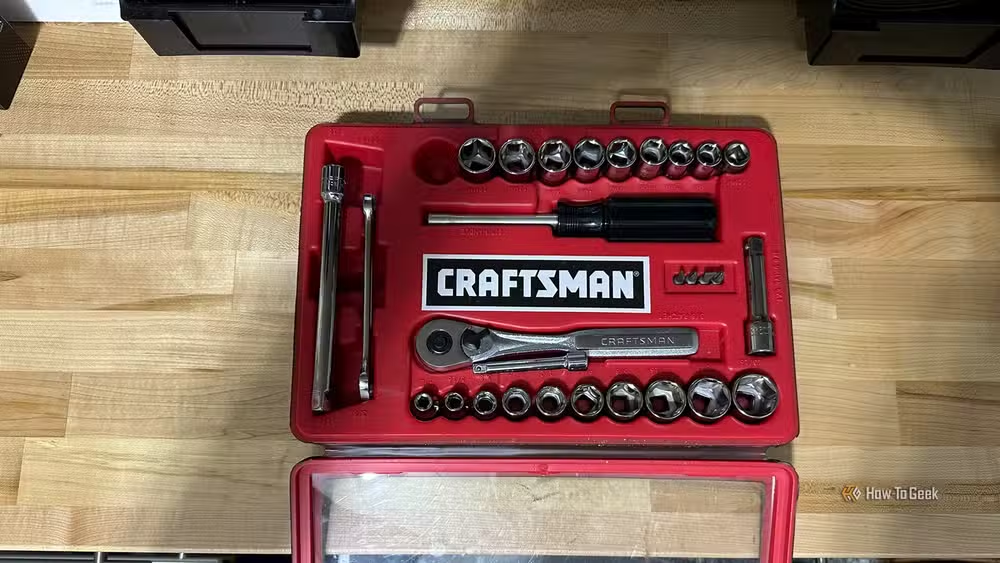
The key specs: both metric and standard sizes, a few extensions, and a quality ratchet. Start small and add specialty tools as your skills grow. One piece of advice that any mechanic will echo: keep a spare 10mm socket. That size gets used constantly and has a reputation for vanishing.
Battery maintainers prevent expensive surprises
Modern vehicles draw power even when parked. Infotainment systems, security modules, and sensor networks all sip electricity. If you own a sports car, collector vehicle, or anything that sits for more than a couple of weeks, a battery maintainer pays for itself quickly.
Unlike a traditional charger, a maintainer monitors the battery continuously and supplies only what's needed. No overcharging. This extends battery life and reduces the electrical gremlins that appear after long storage. Modern vehicles often have dozens of computers and sensors that can misbehave after a full discharge.
Most models connect directly to the battery or a dedicated charging port. Plug in whenever the car will sit for more than a few days.
A portable air compressor pays for itself
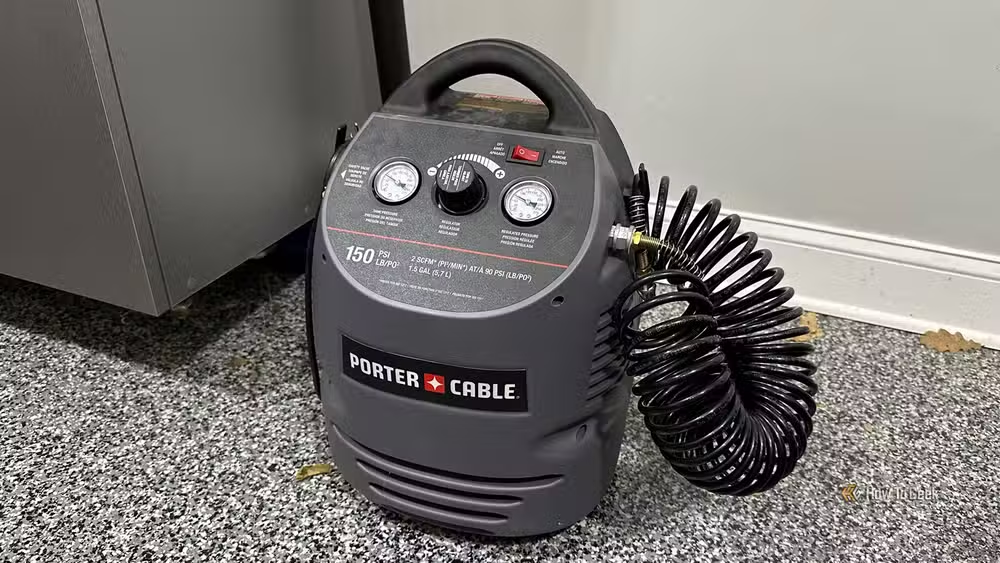
Every vehicle, whether gas, hybrid, or electric, needs properly inflated tires. Kucinski bought his portable compressor 10 years ago and uses it far more often than expected.
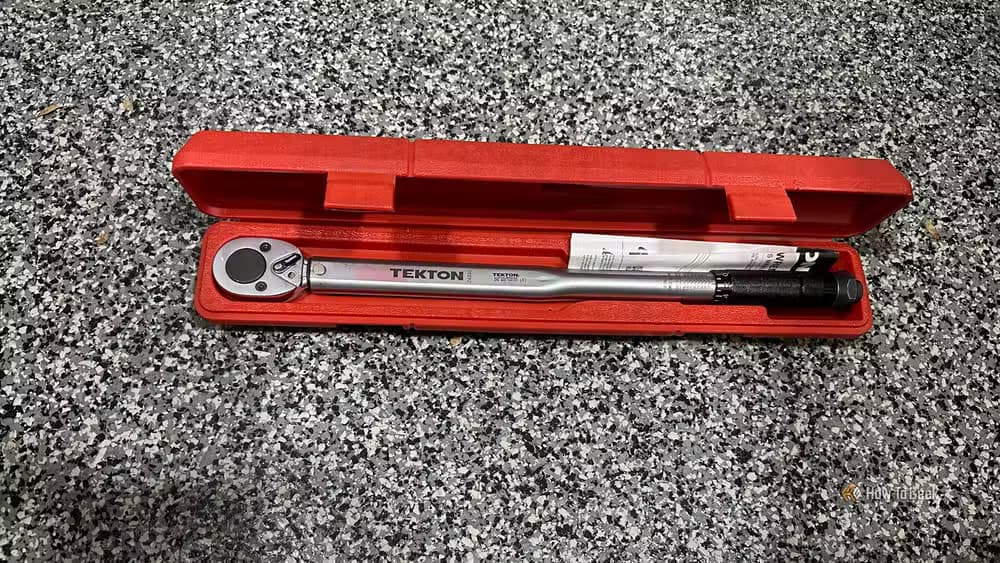
Here's the physics: for every 10°F change in air temperature, tire pressure shifts about 2%. Underinflated tires hurt fuel economy, braking, and handling. Overinflated tires wear unevenly. Both conditions shorten tire life. A home compressor keeps pressure consistent through seasonal swings without trips to the gas station.
What else belongs in a starter kit?
The original piece mentions five tools but focuses on three in detail. The automotive DIY community generally adds an OBD2 code reader and a floor jack with jack stands to round out the list. An OBD2 scanner reads check engine codes, turning a $100 diagnostic fee into a quick home check. A quality jack and stands are non-negotiable for any work under the car.
AAA reports that 77% of vehicle repairs could be avoided with proper routine maintenance. The barrier isn't skill. Most basic tasks require following instructions and turning bolts. The barrier is having the right tools on hand.
The economics make sense
Car owners who buy parts directly save roughly 30% compared to parts purchased through a shop. Labor is where the real savings stack up. A brake pad swap that costs $300 at a shop might take an hour in your garage with $50 in parts.
The U.S. automotive aftermarket hit $208 billion in 2024, reflecting a strong DIY culture. People want control over their vehicles. The trick is starting with the right tools and building skills gradually.
Logicity's Take
The missing item on this list is an OBD2 scanner. For under $30, you get the ability to read check engine codes yourself, which eliminates the $75-150 diagnostic fee most shops charge. Combined with YouTube tutorials, this turns most minor issues into weekend projects. The real value of a home toolkit isn't the individual savings, it's the compounding effect over a vehicle's lifespan.
Frequently Asked Questions
What is the most important tool for DIY car maintenance?
A quality socket set with metric and standard sizes handles the widest range of tasks, from battery swaps to spark plug changes. Spend under $100 on a 50-100 piece set from a reputable brand.
How much can I save doing my own car maintenance?
Most estimates put annual savings between $700 and $1,000 compared to dealership service, primarily from avoided labor costs and direct parts purchasing.
Do I need special tools for modern computerized cars?
Basic mechanical tasks still use standard tools. For diagnostics, an OBD2 scanner under $30 reads check engine codes. Most routine maintenance doesn't require specialized equipment.
Why does tire pressure change with temperature?
Air contracts when cold and expands when warm. Tire pressure changes about 2% for every 10°F temperature shift, which is why a portable compressor is useful for seasonal adjustments.
How long should a battery maintainer stay connected?
Indefinitely. Unlike chargers, maintainers monitor battery state and supply only what's needed. They won't overcharge. Connect whenever a vehicle will sit for more than a few days.
Need Help Implementing This?
Building a home garage toolkit is straightforward, but choosing the right tools for your specific vehicles takes some research. If you're running a fleet or want to standardize maintenance procedures for a team, we can help you scope the right equipment and training. Reach out to Logicity for a consultation.
Source: How-To Geek
Manaal Khan
Tech & Innovation Writer
Produced with AI assistance and reviewed by the Logicity editorial team. Learn more in our Editorial Policy.