Key Takeaways
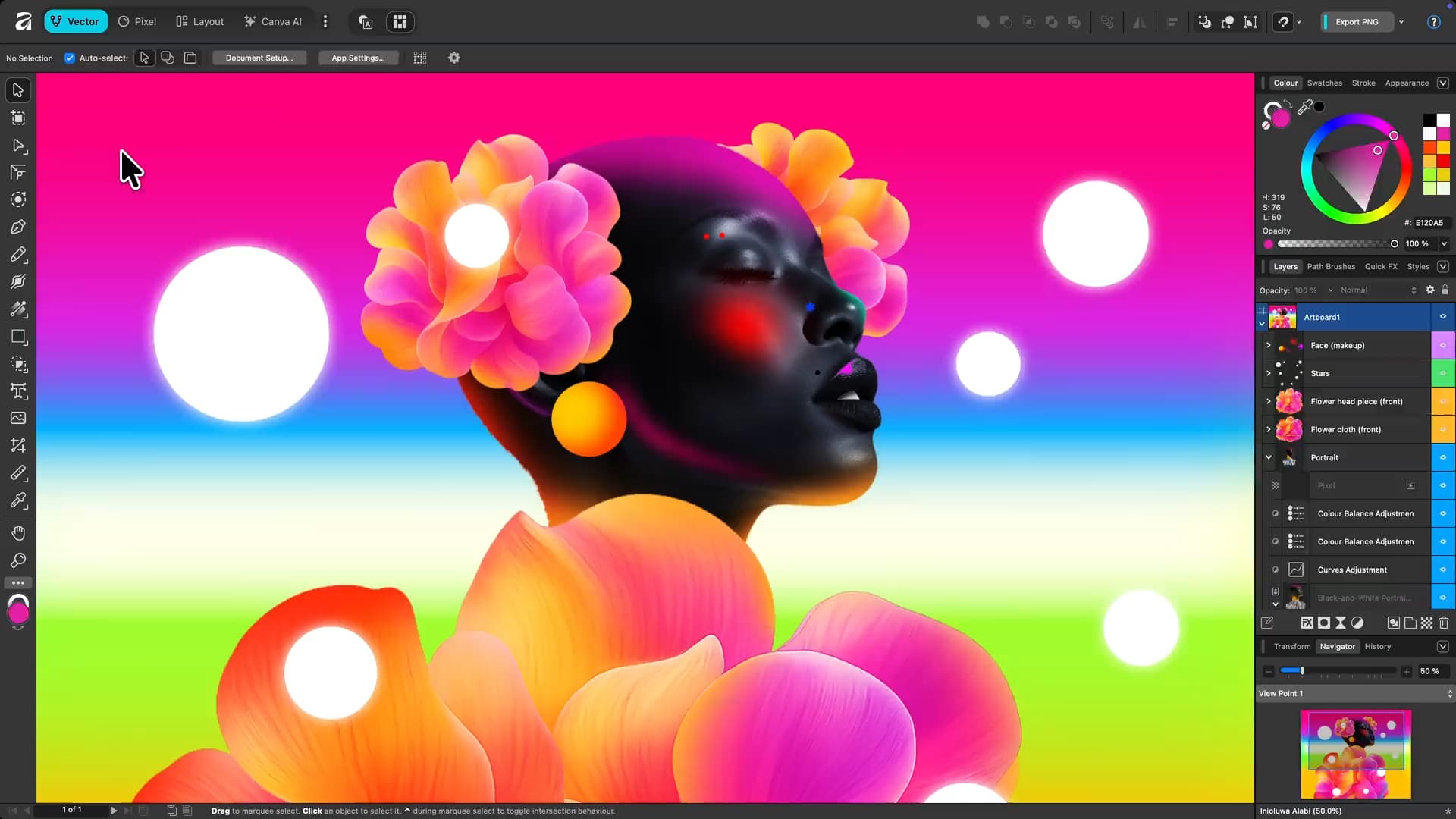
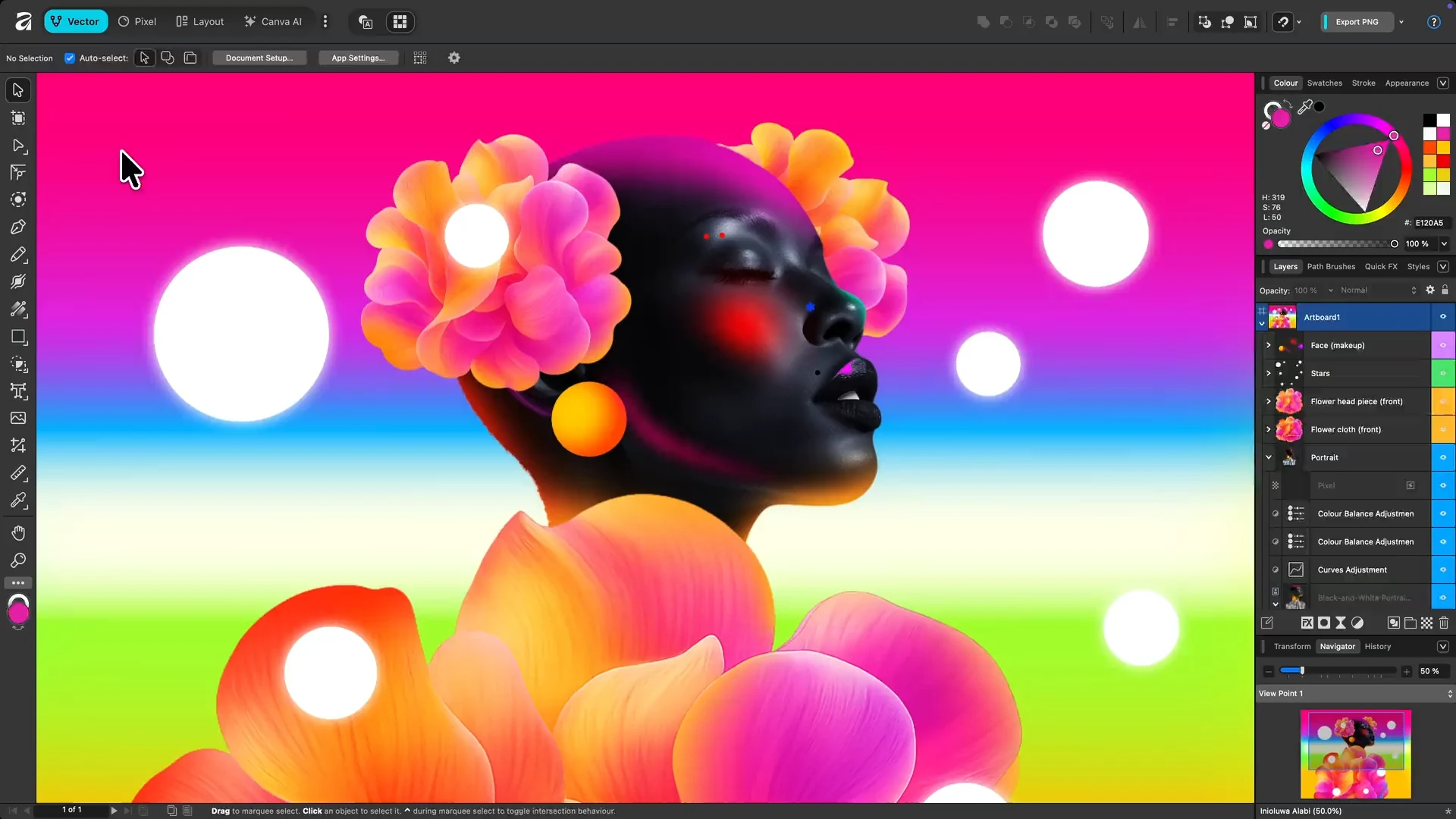
- Affinity's full design suite (Photo, Designer, Publisher) is now completely free after Canva's acquisition
- Professional alternatives exist for most paid software categories without compromising core functionality
- The shift from ownership to subscription models has created demand for free, permanent alternatives
The Subscription Fatigue Problem
Software subscriptions have a way of accumulating. A design tool here, a productivity suite there, a note-taking app somewhere else. Each charges $9.99 or $14.99 per month. Individually, they seem reasonable. Together, they can rival a car payment.
The shift happened gradually over the past decade. Companies moved from selling software to renting it. Adobe did it. Microsoft did it. Evernote did it. The pitch was always the same: continuous updates, cloud sync, lower upfront cost. The reality for many users is that they pay indefinitely for features they already had.
But the market has responded. A crop of professional-grade free tools now exists, either fully free or with free tiers so complete that paid upgrades become optional. Here are five worth considering.
Affinity Suite: Design and Publishing Without Adobe
For years, the standard advice for designers was simple: pay for Adobe. Photoshop for image editing, Illustrator for vector graphics, InDesign for layout. The Creative Cloud subscription runs $59.99 per month for the full suite.
That math changed when Canva acquired Affinity. The new owners did something unexpected: they made Affinity Photo, Affinity Designer, and Affinity Publisher completely free. These are not stripped-down versions. They are the same professional tools that previously sold for one-time purchases of $69.99 each.
Affinity Photo handles RAW processing, non-destructive editing, and professional retouching. Designer covers vector illustration and UI design. Publisher manages multi-page layouts for print and digital. For most design workflows, the suite covers what Adobe does.
The catch? There isn't an obvious one yet. Canva's strategy appears to be growing the user base before introducing premium tiers or integration with Canva's own platform. For now, professionals get capable tools at zero cost.
What Free Really Means in 2025
Free software comes in several flavors. Some tools are open source, maintained by communities and funded by donations. Others are commercial products with generous free tiers designed to convert users later. A few, like the current Affinity offering, are strategic plays by larger companies.
Understanding the business model helps predict longevity. Open source projects like LibreOffice have existed for decades because the community sustains them. Venture-backed free tiers can disappear when funding runs out or strategy shifts. Corporate acquisitions create uncertainty but also resources.
The practical question for any business user is whether the tool will remain free and functional long enough to justify the switching cost. For established projects with years of history, the risk is low. For new entrants, the calculation requires more thought.
Making the Switch
Replacing paid software involves more than installing an alternative. File compatibility matters. Team workflows need adjustment. Learning curves exist even when interfaces look similar.
Affinity handles Adobe file formats reasonably well, though complex PSD files with certain layer effects may not translate perfectly. For collaborative teams, the transition works best when everyone moves together rather than mixing tools.
The broader point is that viable alternatives now exist across most software categories. The subscription model isn't going away, but neither is it the only option anymore.
Logicity's Take
Another free tool replacing paid or bloated alternatives
Open-source software replacing commercial defaults
Frequently Asked Questions
Is Affinity really completely free now?
Yes. After Canva acquired Affinity, it made Photo, Designer, and Publisher free to download with full functionality. No subscription, no trial period.
Can Affinity open Adobe Photoshop files?
Affinity Photo can open PSD files and preserve most layer structures. Complex effects or certain Adobe-specific features may not translate perfectly.
Will Affinity stay free forever?
Canva hasn't announced an end date, but the company will likely introduce premium tiers or integrations eventually. The current free access appears to be a user acquisition strategy.
What's the best free alternative to Microsoft Office?
LibreOffice remains the most established free office suite, with Writer, Calc, and Impress covering word processing, spreadsheets, and presentations. Google Docs is free for personal use with internet access.
Need Help Implementing This?
Source: Fast Company / Doug Aamoth
Huma Shazia
Senior AI & Tech Writer
Produced with AI assistance and reviewed by the Logicity editorial team. Learn more in our Editorial Policy.