Key Takeaways
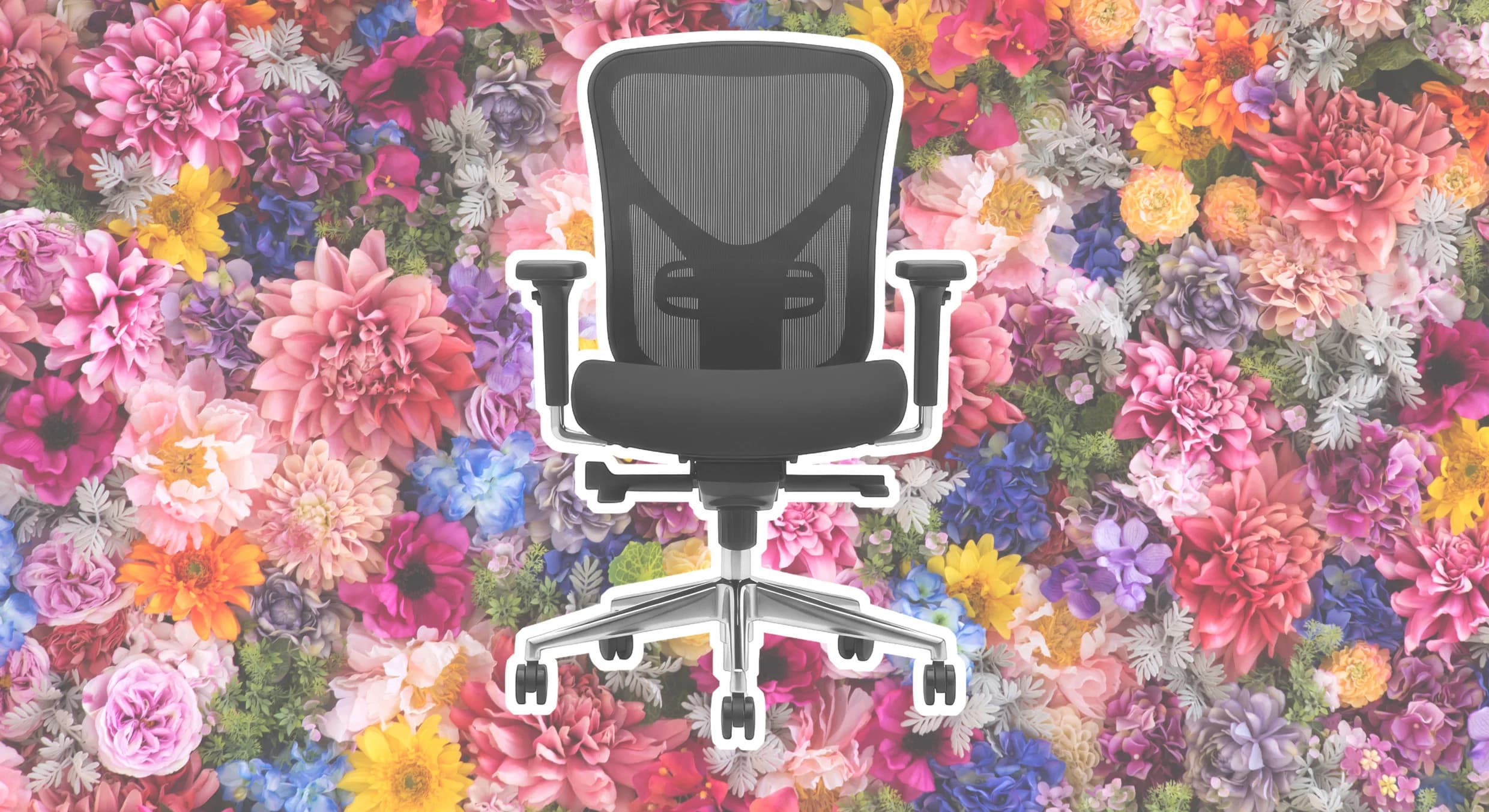
- Cushioned armrest pads eliminate elbow soreness from hard plastic factory armrests for around $15-25
- Rollerblade-style caster wheels glide smoothly on hard floors and carpet without scratching
- Budget ergonomic accessories can deliver 80% of premium chair benefits at a fraction of the cost
You do not need to spend $1,000 on a Herman Miller to stop your back from aching. Five inexpensive add-ons, none costing more than $40, can turn a mediocre office chair into something genuinely comfortable. The trick is targeting the specific pressure points your current chair fails at, rather than replacing the whole thing.
This matters more than ever. Remote and hybrid work pushed millions of knowledge workers into home offices where they sit 8+ hours daily. The American Chiropractic Association estimates back pain alone costs 264 million lost workdays annually in the US. But most people do not have the budget for premium ergonomic furniture, and frankly, most do not need it.
Why armrest pads make the biggest difference
Factory armrests are where chair manufacturers cut corners. Hard plastic or dense rubber saves money but punishes your elbows and forearms during long work sessions. Memory foam armrest pads, typically $15-25 for a pair, slip or strap directly over existing armrests.
The upgrade does two things. It relieves pressure points that cause that dull forearm ache by mid-afternoon. It also adds a bit of height if your armrests sit too low relative to your desk, which forces your shoulders to hunch. Proper armrest height keeps your elbows at roughly 90 degrees while typing.
Rollerblade wheels fix the floor problem
Standard plastic casters are terrible. On hardwood, they scratch. On carpet, they snag. Movement feels sticky and resistant, so you stay planted in one position longer than you should.
Polyurethane rollerblade-style wheels, usually $20-35 for a set of five, solve all of this. They glide smoothly on both hard floors and low-pile carpet without leaving marks. The smoother roll encourages micro-movements throughout the day, which matters because static sitting is worse for your body than the chair itself.
Dr. Alan Hedge, Professor Emeritus of Ergonomics at Cornell University, puts it simply: "The best chair is actually the next chair, meaning movement and position changes matter more than any single piece of equipment."
Lumbar support and seat cushions
If your chair lacks adjustable lumbar support, a memory foam lumbar pillow fills the gap. These cost $20-40 and strap to your backrest to maintain the natural curve of your lower spine. Without that support, you either slouch or strain your back muscles trying to sit straight.
Seat cushions address a different problem: a flat, compressed seat pan. After a year or two, most budget chair cushions lose their shape and distribute your weight poorly. A coccyx cushion, the type with a cutout at the back, relieves tailbone pressure and promotes better posture. The combination of seat and lumbar cushions runs about $50-70 total.
What about footrests and monitor stands?
These are not chair upgrades strictly, but they affect how you sit in the chair. If your feet dangle or your desk sits too high, a footrest ($20-30) lets you plant your feet flat while maintaining proper thigh angle. It reduces pressure on the backs of your thighs, which can go numb during long sessions.
Monitor height matters because you adjust your entire posture to see the screen. If the monitor sits too low, you hunch forward. A simple stand or stack of books gets the top of your screen to eye level.
When to actually replace the chair
These upgrades assume your chair has a solid structural framework. If the seat height adjustment is broken, the tilt mechanism fails, or the base wobbles, no cushion fixes that. You need a new chair.
But if the bones are good and you just need better padding and smoother movement, $100 in accessories beats $800 on a replacement. Dr. Kelly Starrett, a physical therapist and author of "Deskbound," argues that understanding proper posture and making small adjustments often matters more than expensive equipment.
Logicity's Take
The remote work boom created a cottage industry of overpriced ergonomic gear. The smarter play for most people is incremental improvement. Start with whatever causes the most pain, whether that is your elbows, lower back, or the casters that keep snagging. One $25 fix often eliminates 80% of the discomfort. Save the big purchase for when you have a clear diagnosis of what your body actually needs.
Frequently Asked Questions
Are memory foam armrest pads worth it?
Yes, if your factory armrests are hard plastic or rubber. They cost $15-25 and eliminate elbow and forearm soreness during long work sessions. The upgrade also adds slight height if your armrests sit too low.
Do rollerblade wheels work on carpet?
They work better than standard casters on low-pile carpet. Polyurethane wheels glide rather than snag, though very thick or high-pile carpet may still resist smooth movement.
How much do office chair upgrades cost total?
A full set of upgrades, including armrest pads, rollerblade wheels, lumbar pillow, and seat cushion, runs $80-120. You can prioritize and buy only what addresses your specific pain points for less.
Can accessories make a cheap chair ergonomic?
They can address most comfort issues, but they cannot fix structural problems like a broken height adjuster or wobbling base. If the frame is sound, accessories deliver most of the benefits of a premium chair.
Need Help Implementing This?
Building a comfortable remote work setup? Logicity covers the tools, gear, and workspace strategies that help teams work better. Subscribe to our newsletter for practical tech advice delivered weekly.
Source: Fast Company / Doug Aamoth
Manaal Khan
Tech & Innovation Writer
Produced with AI assistance and reviewed by the Logicity editorial team. Learn more in our Editorial Policy.