Key Takeaways
- Agentic AI is now embedded in major productivity platforms like Asana, Canva, Notion, and Slack
- Vibe coding lets non-programmers build functional apps using AI, though debugging still requires attention
- Jensen Huang's warning: the risk isn't AI replacing you, it's being outpaced by competitors who use AI better
Nvidia CEO Jensen Huang put it bluntly at Cisco's AI Summit in February: "You're not going to lose your job to AI. You're going to lose your job to someone who uses AI." That framing shifts the conversation from existential dread to competitive urgency. The question is no longer whether AI will matter at work. It's whether you're using it as effectively as your competitors.
Fast Company has compiled 42 specific ways professionals can put AI to work right now. The list spans built-in features in tools you probably already use, specialist apps for narrow tasks, free courses, and the emerging practice called "vibe coding." Here's what stands out.
What is agentic AI, and why does it matter now?
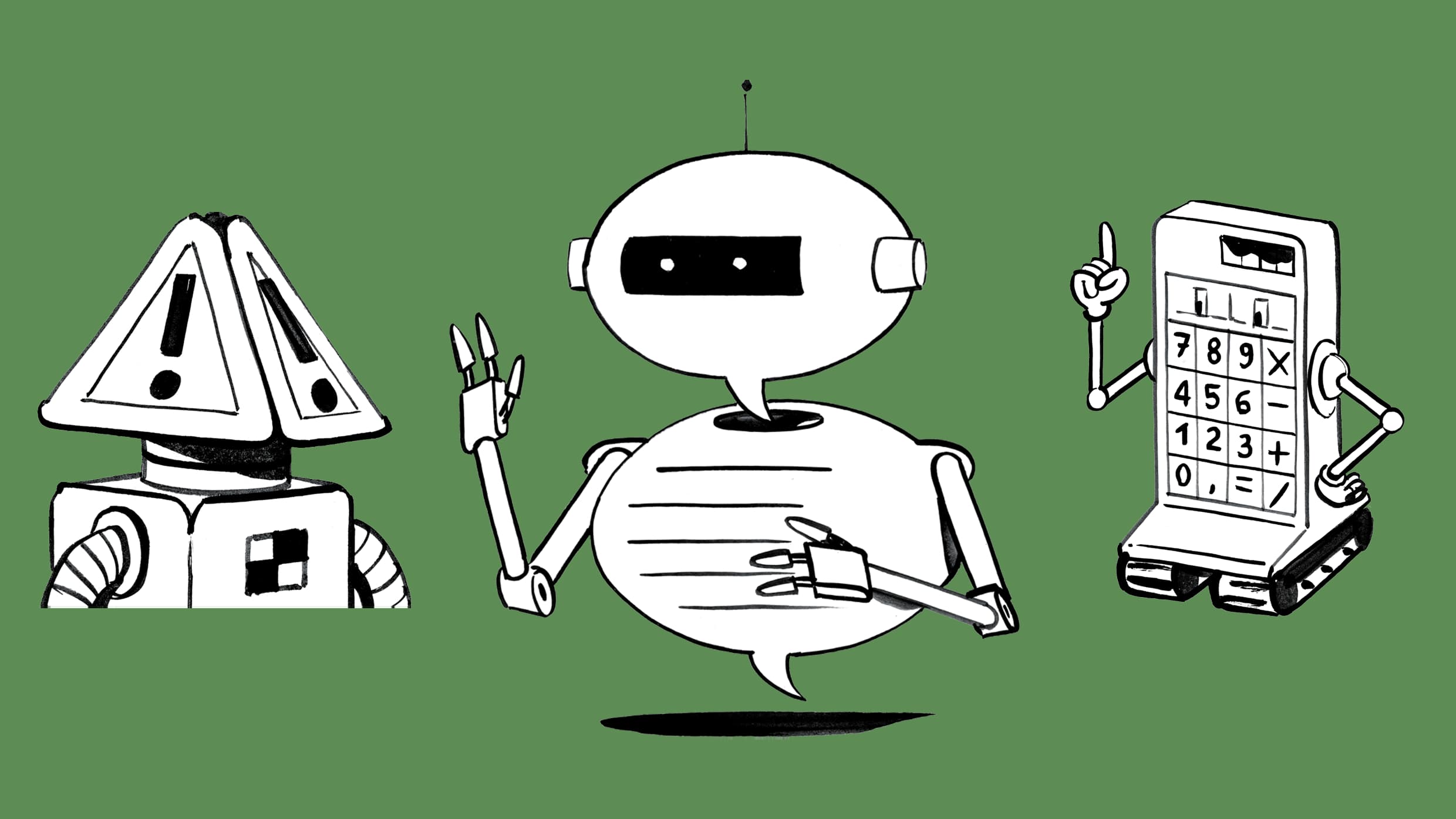
The shift from chatbots to AI agents marks a fundamental change in how these systems operate. A chatbot answers questions. An agent takes action. It can book meetings, pull data from multiple sources, draft documents, and execute multi-step workflows with minimal supervision.
This isn't theoretical. Major productivity platforms have already shipped agentic features. Asana calls its agents "teammates" because they can map project timelines and run competitive analysis. Google Workspace Studio lets you build agents that summarize meetings or monitor your inbox. Notion's AI can now pull data from Slack and Google Docs, turning a note-taking app into something closer to a command center.
The practical implication: if your competitors are using these tools and you're not, the productivity gap compounds over time.
Which mainstream apps already have AI agents?
You don't need to adopt new software to experiment with agentic AI. Several tools you likely use daily have added agent capabilities:
- Asana AI Teammates: builds project timelines, performs competitive analysis from market data
- Canva AI: generates first drafts of presentations, PDFs, videos, and apps for editing
- Google Workspace Studio: creates agents for recurring tasks like meeting summaries or inbox monitoring
- Notion AI: accesses data from Slack and Google Docs, automates workflows within Notion
- Slack's Slackbot: uses conversation history to prep you for meetings and review projects
- Zoom's ZoomMate: schedules meetings, suggests action items, shares follow-up notes

The common thread: these agents work best when they have access to your existing data. A meeting bot that can read your calendar, emails, and Slack history produces better briefings than one operating blind.
What are the best specialist AI tools for specific tasks?
Beyond the big platforms, a wave of focused AI tools targets narrow workflows. These tend to do one thing well rather than everything passably.
Gamma converts rough notes into polished presentations or websites. Give it an outline, and it handles layout, visuals, and structure. Granola has carved out a reputation for accurate meeting transcription in a crowded field. Paradigm automates the tedious process of collecting web data and dumping it into spreadsheets.
Reclaim, now owned by Dropbox, goes beyond simple calendar management. It finds time for your actual to-do list, builds buffer between meetings, and protects time for lunch. Zapier connects over 9,000 apps and lets its AI figure out which tools to invoke for a given task.
What is vibe coding, and can non-programmers actually use it?
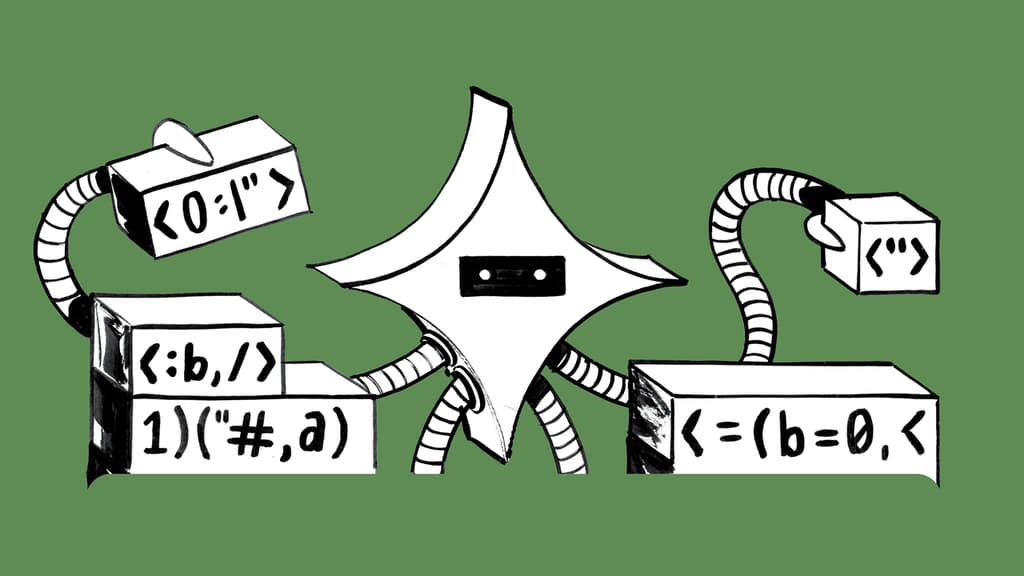
Vibe coding refers to using AI to build functional software without traditional programming skills. You describe what you want in plain language, the AI generates code, and you iterate on the result. The term captures the improvisational, conversational nature of the process.
It works. People are building apps, automations, and internal tools this way. But it's not magic. Debugging still requires attention. Costs can escalate if you're not careful with token usage. And the quality of your output depends heavily on how precisely you describe what you want.
Tina Huang's 33-minute video on vibe coding fundamentals covers the essentials: choosing the right tool, communicating requirements effectively, troubleshooting bugs, and managing costs. For deeper work, Nick Saraev's two-hour course walks through building agents with Claude Code, Google's Antigravity, and OpenAI's Codex.
Where should you start learning about AI agents?
Three free courses stand out for different skill levels. Codecademy's "Intro to AI Agents" runs 15 minutes and targets curious beginners with no technical background. LinkedIn Learning's "AI Agents for Everyday Professionals" is the logical next step if you want to build your first agent. For managers, analyst Charlene Li's course covers measuring agent impact and avoiding ethical pitfalls.

Jeff Su's 10-minute YouTube explainer remains the fastest way to grasp what agentic AI actually is. He uses plain English and real examples rather than jargon.
“You're not going to lose your job to AI. You're going to lose your job to someone who uses AI.”
— Jensen Huang, CEO of Nvidia, Cisco AI Summit, February 2025
What are the real risks of adopting AI agents?
Hype is high, and that creates blind spots. Agents can automate workflows, but they can also automate errors at scale. An agent with write access to your systems can cause more damage than a chatbot that only reads.
Data security is another concern. Agents that pull from Slack, Gmail, and Google Docs have broad access to sensitive information. The convenience comes with exposure. Companies adopting these tools need clear policies on what agents can access and what actions they can take autonomously.
Finally, there's the cost question. Token-based pricing means heavy usage can get expensive quickly, especially for vibe coding projects that require many iterations.
Frequently Asked Questions
What is the difference between a chatbot and an AI agent?
A chatbot answers questions based on prompts. An AI agent can take autonomous actions, like scheduling meetings, pulling data from multiple apps, or executing multi-step workflows with minimal human input.
Do I need programming skills to use vibe coding?
No. Vibe coding is specifically designed for non-programmers. You describe what you want in plain language, and the AI generates the code. However, debugging and refining the output still requires patience and clear communication.
Which productivity apps have AI agent features built in?
Asana, Canva, Google Workspace, Notion, Slack, and Zoom all offer native AI agent features. These range from meeting summarization to automated project timelines and competitive analysis.
Are AI agents safe to use with sensitive business data?
It depends on your configuration. Agents that access email, Slack, and documents have broad data access. Companies should establish clear policies on what agents can read and what actions they can take without human approval.
How much does vibe coding cost?
Costs vary based on the AI tool used and the complexity of the project. Token-based pricing means iterative projects with many revisions can escalate quickly. Tina Huang's fundamentals video covers cost management strategies.
Logicity's Take
The 42-item list is useful, but the deeper signal is strategic. We're watching AI shift from a productivity add-on to a competitive moat. Companies that treat AI adoption as optional IT projects will find themselves outpaced by teams where AI fluency is a baseline expectation. The winners won't be the firms with the fanciest tools. They'll be the ones whose employees actually use them daily.
Need Help Implementing This?
Logicity can help your team evaluate which AI agents fit your workflows, build internal training programs, and establish governance policies for safe deployment. Contact us to discuss your AI adoption strategy.
Source: Fast Company / Harry McCracken
AWS تطلق Blocks: إطار عمل مفتوح المصدر لتمكين وكلاء الذكاء الاصطناعي من بناء التطبيقات
AWS أطلقت إطار عمل جديد مفتوح المصدر يسمى 'AWS Blocks' مبني على TypeScript، مصمم خصيصاً لتمكين وكلاء الذكاء الاصطناعي من بناء الواجهات الخلفية للتطبيقات. الإطار يتيح للمطورين العمل محلياً بدون حساب AWS، ثم النشر مباشرة على خدمات AWS الإنتاجية بدون تغييرات في الكود. يتضمن ملفات توجيهية مدمجة ترشد وكلاء البرمجة نحو البنية الصحيحة تلقائياً.
Manaal Khan
Tech & Innovation Writer
Produced with AI assistance and reviewed by the Logicity editorial team. Learn more in our Editorial Policy.