Key Takeaways
- Amazon Family lets two adults split one Kindle Unlimited subscription, dropping the cost to $6 each
- Free Kindle Unlimited subscriptions often bundle with Kindle device purchases
- Credit card rewards and promotional periods can reduce or eliminate monthly fees
The 2023 Price Increase Changed the Math
Kindle Unlimited launched in 2014 at $9.99 per month. For nearly a decade, that price held steady. Then in May 2023, Amazon bumped it to $11.99. That's a 20% increase that adds up to roughly $144 per year for access to the service's catalog of over 4 million titles.
The timing felt particularly rough. Competing services like Kobo Plus had just entered the US market, and many readers pointed out that library apps like Libby offer comparable access for free. Reddit communities like r/kindle saw significant pushback, with users debating whether the subscription makes sense for anyone but the most voracious readers.
“The price increase reflects the significantly expanded catalog and added value, including magazines and audiobooks, since the service launched in 2014.”
— Amazon Representative, 2023
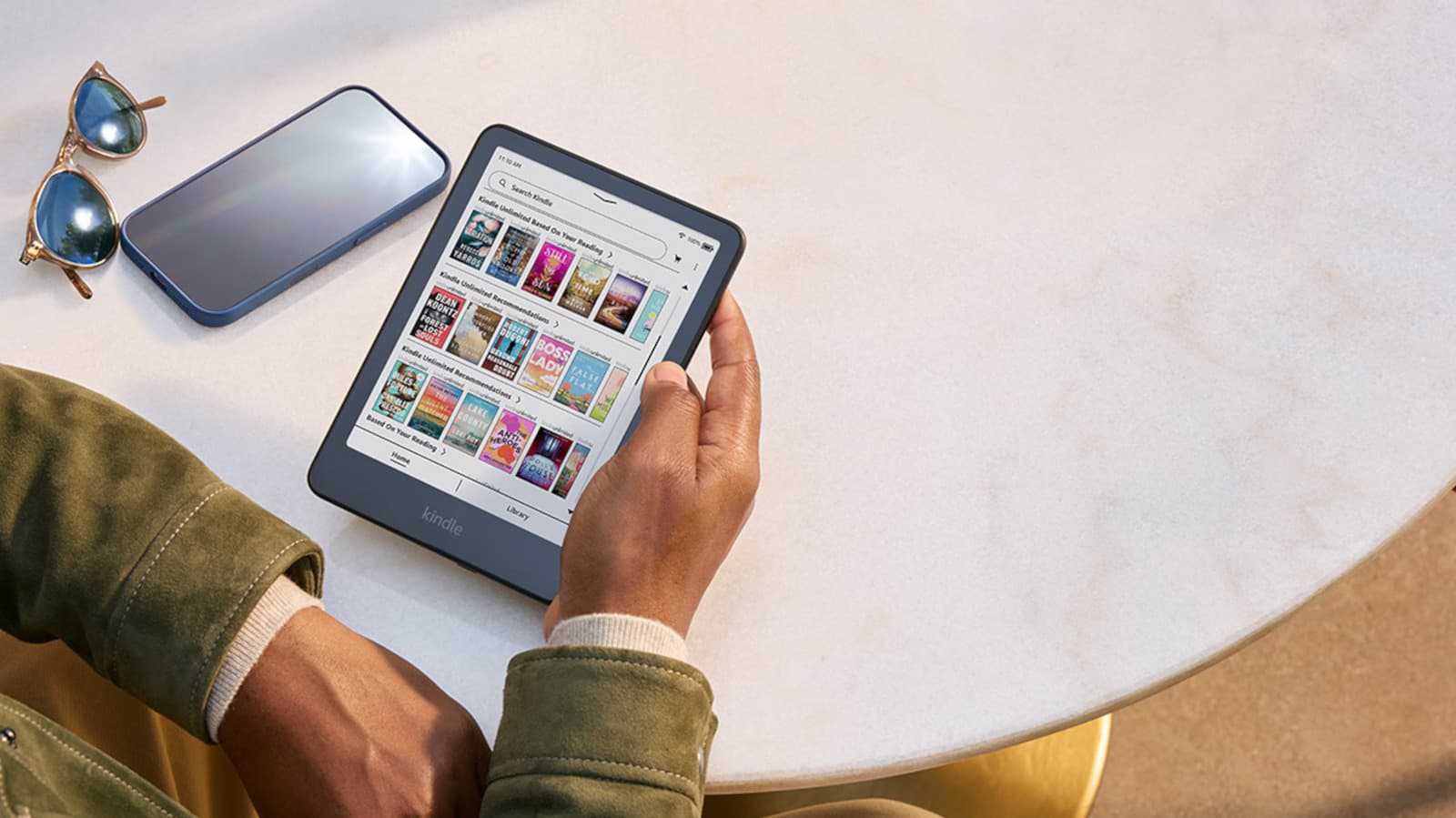
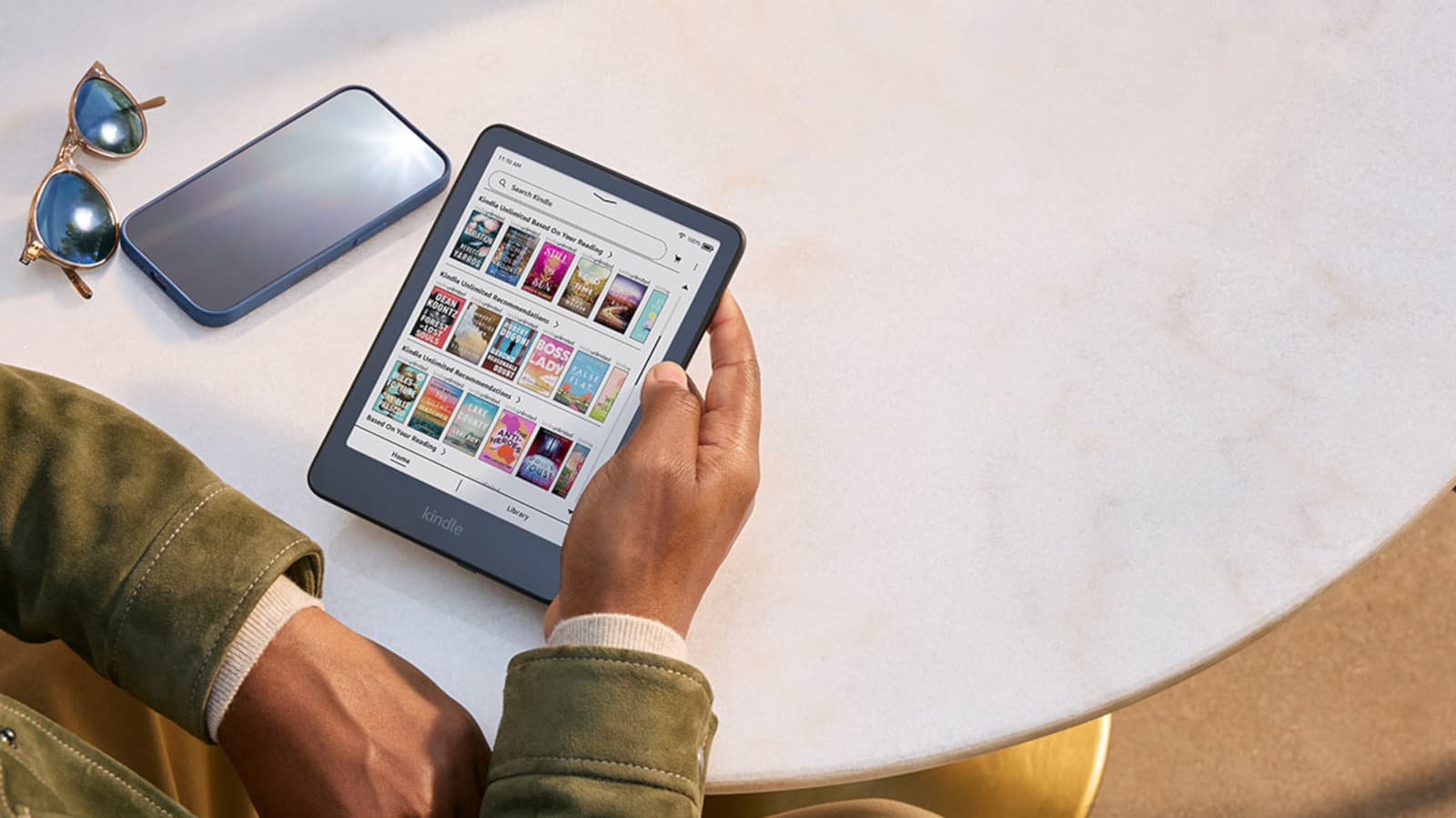
Worth noting: you don't need Kindle Unlimited to use a Kindle device. You can buy individual ebooks from Amazon or other marketplaces and load them onto your reader. The subscription only makes sense if you read enough to justify the monthly cost. At $11.99, that threshold is higher than it used to be.
Method 1: Split Costs Through Amazon Family
Amazon Family (formerly Amazon Household) lets you share Prime benefits and digital content with one other adult and up to four children. Everyone must have the same primary residential address. If you live with another reader, you can split one Kindle Unlimited subscription and pay $6 each per month.
Setting this up requires going to the Amazon Family portal and selecting "Add Adult" to send an invite. You'll need to "share wallets," meaning both adults can see the last four digits and expiration dates of each other's payment methods. Amazon uses this as proof you live together.
Once connected, open the Kindle app's Home screen and select "Share your Kindle content," then choose your subscription partner. You can manually select which books to share or enable automatic sharing under "Share Future Purchases and Unlimited titles by Default."
The catch: only the primary account holder (whoever signed up) can actually borrow books from Kindle Unlimited. The partner receives shared titles but can't browse and borrow independently. You also share a maximum download limit of 20 titles at a time. If the account owner returns a book, it disappears from everyone's devices.
Method 2: Get Free Months With Kindle Device Purchases
Amazon frequently bundles free Kindle Unlimited subscriptions with Kindle device purchases. These promotions vary by device and timing, but three to six months of free access is common. The Kindle Scribe and other premium models often include longer trial periods.
If you're planning to buy a new Kindle anyway, timing your purchase around these bundles effectively reduces your annual Kindle Unlimited cost. A six-month free bundle on a device you were already buying saves you roughly $72.
Method 3: Stack Credit Card Rewards and Cashback
Several credit cards offer elevated rewards on Amazon purchases. The Amazon Prime Rewards Visa Signature card provides 5% back on Amazon purchases for Prime members. That drops your effective Kindle Unlimited cost from $11.99 to about $11.39 per month.
Small, but it compounds. Some cards also offer quarterly rotating categories that include Amazon or subscription services at higher rates. Chase Freedom Flex and Discover it Cash Back both run Amazon as a 5% category during certain quarters. Stack that with credit card welcome bonuses, and you can offset several months of subscription fees.
Method 4: Watch for Promotional Pricing
Amazon runs Kindle Unlimited promotions throughout the year. Prime Day typically offers discounted annual rates or extended free trials. Black Friday and holiday periods see similar deals. New subscribers can often get two or three months for significantly reduced prices.
The trick: set a calendar reminder to cancel before your promotional period ends, then watch for the next deal. Amazon would rather re-acquire you at a discount than lose you entirely. Repeat promotional subscribers often pay less over time than loyal full-price members.
Is Kindle Unlimited Still Worth It?
The value equation depends entirely on reading volume. At $11.99 per month, you need to read at least two or three books monthly to beat buying them outright. Power readers who tear through a dozen titles easily come out ahead. Casual readers who finish one book every few weeks probably don't.
Kindle Unlimited also works well for exploration. If you want to sample genres you wouldn't normally pay for, the flat monthly fee removes the risk of buying a book you end up hating. Romance, mystery, and indie fiction dominate the catalog. Mainstream bestsellers and traditionally published titles are less common.
Amazon paid authors $578.6 million through the KDP Select Global Fund in 2023. That payout model means indie authors have strong incentives to put their work on Kindle Unlimited. If you read a lot of self-published or small-press titles, the catalog probably suits you well.
Logicity's Take
The Free Alternative Worth Considering
Before committing to any paid subscription, check your local library's digital offerings. Apps like Libby and OverDrive provide free access to ebooks through your library card. Selection varies by library system, but many offer surprisingly robust catalogs. The main trade-off is availability. Popular titles often have waitlists, while Kindle Unlimited lets you borrow immediately.
More options for free ebooks outside Kindle Unlimited
Frequently Asked Questions
Can I share Kindle Unlimited with family members?
Yes, through Amazon Family. One adult can share borrowed titles with another adult in the same household, effectively splitting the $11.99 cost. However, only the primary account holder can borrow books directly from Kindle Unlimited.
How many books can I borrow on Kindle Unlimited at once?
You can have up to 20 titles downloaded at a time. To borrow a new book after hitting the limit, you must return one of your current borrows. This limit is shared across all Family members using the same subscription.
Do I need Kindle Unlimited to use a Kindle device?
No. Kindle Unlimited is optional. You can purchase individual ebooks from Amazon or other stores and read them on your Kindle without any subscription.
When did Kindle Unlimited's price increase?
Amazon raised the price from $9.99 to $11.99 per month in May 2023. This was the first price increase since the service launched in 2014.
Are bestsellers available on Kindle Unlimited?
Some are, but the catalog skews heavily toward indie and self-published titles. Major traditionally published bestsellers are less commonly available. Romance, mystery, and sci-fi genres have particularly strong representation.
Need Help Implementing This?
Source: Engadget
Huma Shazia
Senior AI & Tech Writer
Produced with AI assistance and reviewed by the Logicity editorial team. Learn more in our Editorial Policy.