Key Takeaways
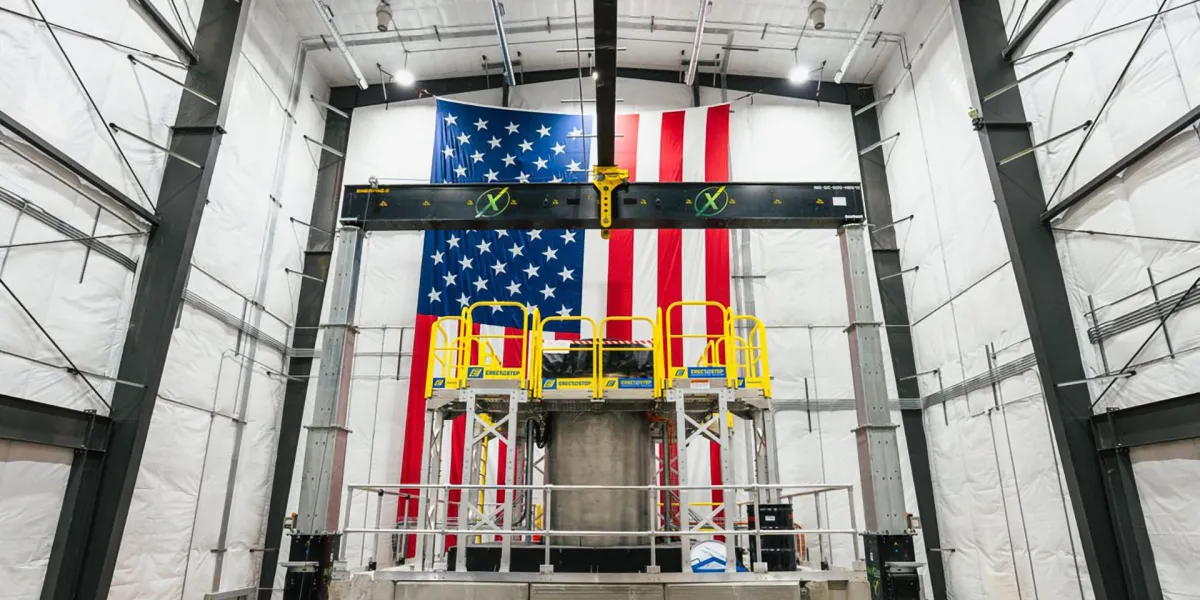
- Four microreactor companies achieved criticality by July 4, 2026, exceeding the administration's goal of three
- Zero-power criticality proves the physics works but doesn't generate usable electricity
- Commercial deployment timelines of 2027-2028 face significant regulatory and engineering hurdles
Four US microreactor startups achieved criticality by July 4, 2026, beating the Trump administration's target of three reactors by America's 250th birthday. The milestone proves these reactors can sustain a nuclear chain reaction. It does not mean they can power anything.
That distinction matters. Criticality is to a working power plant what a rocket engine's first ignition is to an orbital mission. The physics check out. Everything else, the cooling systems, the grid connections, the regulatory approvals, remains unbuilt.
Which companies hit the deadline?
The Reactor Pilot Program, launched in August 2025, selected 11 microreactor projects and offered them land and support from the national lab system. Four crossed the finish line.
Antares Nuclear reached criticality first, hitting the mark in June with its Mark-0 test reactor. Valar Atomics and Deployable Energy followed. Aalo Atomics made it with hours to spare, achieving criticality in the early morning of July 4. Three of these companies were founded in 2023. Deployable started in 2025.
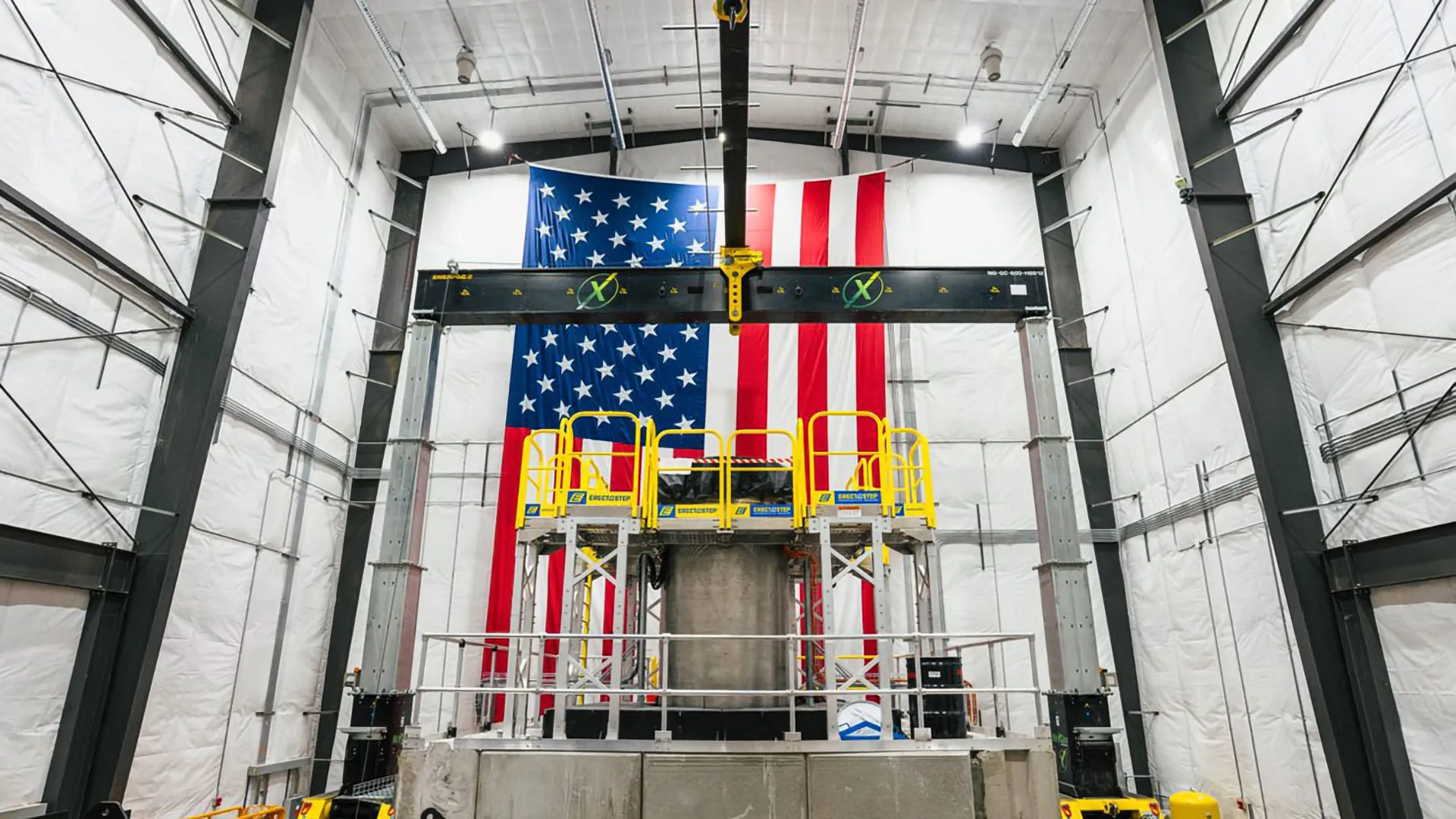
The speed is notable. Nuclear projects are notorious for blowing past deadlines and budgets. Plant Vogtle in Georgia, the most recent large reactor to come online in the US, ran roughly $17 billion over budget and seven years late. These startups built functional test reactors in under two years.
What does zero-power criticality actually prove?
Not much beyond basic physics. All four reactors achieved zero-power criticality, a test confirming that a sustained chain reaction is possible. No meaningful energy comes out of the reactor during this test.
“A zero-power-criticality test can be achieved without making real engineering progress on fuel or design.”
— Kathryn Huff, former assistant secretary for nuclear energy, University of Wisconsin–Madison
To produce electricity, these reactors need cooling systems to transfer heat from the core, turbines to convert that heat to mechanical energy, and generators to convert that to electricity. None of that exists yet.
Can they hit their 2027-2028 targets?
The companies are projecting aggressive timelines. Aalo says it has begun work on a second reactor and plans to produce 10 megawatts of electricity for an on-site data center by 2027. Deployable Energy targets commercial reactor deployment by 2028.
These timelines assume the Nuclear Regulatory Commission moves faster than it historically has. The NRC proposed a new framework for microreactor approvals earlier this year, designed to accelerate the process. Whether it actually speeds things up remains untested.
Some nuclear experts have raised concerns that the agency under the current administration is loosening rules too quickly. Others argue the opposite, that regulatory delay is the primary obstacle to US nuclear expansion.
Why microreactors instead of traditional plants?
Traditional light-water reactors produce around 1,000 megawatts. These microreactors target 10 to 50 megawatts. The difference isn't just scale.
Microreactors can be factory-built and transported by truck. They don't require the massive civil engineering projects that delay large plants. The theory is that standardized, modular production will cut costs and timelines the way it did for solar panels.
The US currently operates 93 nuclear reactors providing roughly 20% of national electricity. Microreactors won't replace that capacity. They target different applications: remote industrial sites, data centers, military bases, and locations where grid connections are impractical or expensive.
Not everyone is celebrating
Third Way, a public policy think tank, called the federal focus on the Reactor Pilot Program an "unhelpful diversion" from goals to meaningfully increase nuclear capacity. Their analysis argues that artificially accelerating project timelines is "a short-term solution, not a long-term fix."
The criticism has merit. Even if all four companies deliver working reactors by 2028, combined output would be negligible compared to US electricity demand. The question is whether early success with microreactors builds the regulatory, financial, and public confidence needed for larger projects.
Logicity's Take
For AI builders running inference workloads, the data center angle is the one to watch. Aalo's plan to power a data center by 2027 could offer a template for on-site, carbon-free compute, though the economics are completely unproven. If you're scoping long-term infrastructure for training clusters or edge deployments, track NRC's new microreactor approval process. The regulatory timeline will determine whether this becomes a real option or remains a science project.
What happens next
The four companies now face the harder part: building reactors that actually work. That means engineering challenges, regulatory approvals, and raising capital for commercial-scale production.
The Reactor Pilot Program succeeded on its own terms. Whether it matters for US electricity supply depends on what these companies do in the next two years.
Frequently Asked Questions
What is nuclear criticality?
Criticality is the point at which a nuclear reactor can sustain a controlled chain reaction. It's a fundamental physics milestone but doesn't mean the reactor produces usable power.
How much electricity do microreactors produce?
Microreactors typically produce 10 to 50 megawatts, compared to roughly 1,000 megawatts from traditional large reactors.
When will US microreactors start generating electricity?
Companies are targeting 2027-2028 for commercial operation, but these timelines depend on regulatory approval and significant additional engineering work.
Why are data centers interested in microreactors?
Data centers need reliable, high-density power. Microreactors could provide on-site, carbon-free electricity independent of grid constraints, though costs and feasibility remain unproven.
Need Help Implementing This?
Building infrastructure for AI workloads? Logicity covers the tools, platforms, and energy trends shaping compute. Subscribe to our newsletter for weekly updates on what matters for technical teams.
Source: MIT Technology Review
Manaal Khan
Tech & Innovation Writer
Produced with AI assistance and reviewed by the Logicity editorial team. Learn more in our Editorial Policy.