Key Takeaways
- Electrical panel upgrades require licensed electricians due to safety and code compliance
- Enterprise network installations often need professional cable runs and proper terminations
- Water leak detection systems tied to main shutoffs should be installed by plumbers
YouTube makes everything look easy. Watch a 12-minute video, buy some tools, and suddenly you're ready to rewire your basement. Reddit agrees. The comments say things like 'I did this in a weekend' and 'just watch a few tutorials first.'
But some smart home projects carry real risks. Not just 'whoops, I have to redo it' risks. We're talking electrical fires, water damage, and code violations that tank your home's resale value. Tech journalist Chris Hachey at MakeUseOf recently outlined four projects he refuses to tackle himself, despite years of smart home experience.
Electrical Panel Upgrades
Hachey's first project on the no-touch list: the electrical panel. When he moved into his home, the breakers weren't labeled. He had to plug devices into outlets, run downstairs, flip breakers, and run back up to check what turned off. Classic homeowner initiation ritual.
What he discovered was worse than unlabeled breakers. The previous owner had done their own electrical work. One breaker controlled a single set of recessed lights. Another controlled an entire room. The wiring made no logical sense.
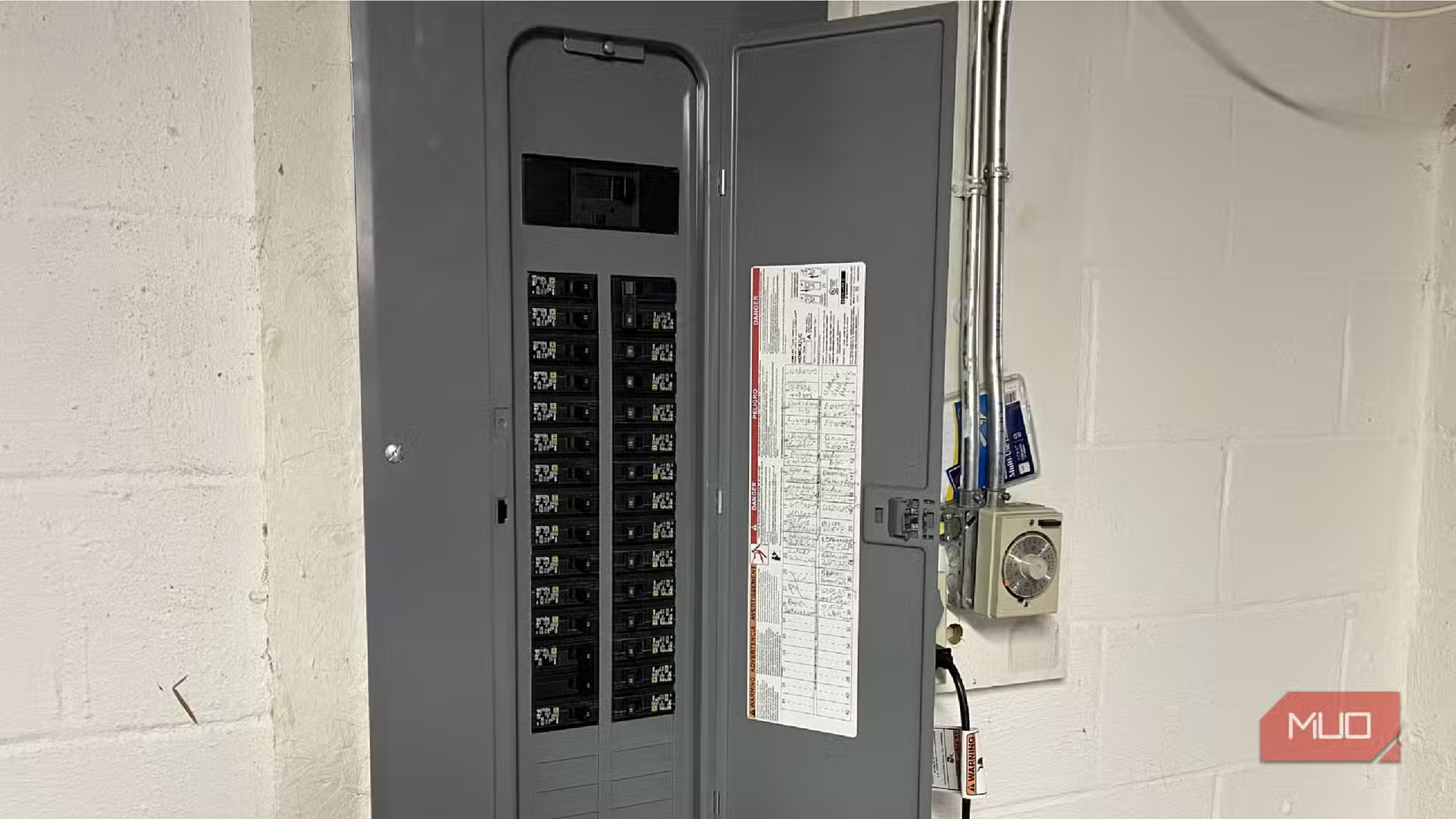
Hachey wanted to add smart monitoring systems and more devices. He called a licensed electrician who upgraded both the basement and garage panels, adding more breakers in the process. The alternative? 'Watching YouTube videos to try and figure it out and probably getting electrocuted in the process,' he wrote.
The stakes here are straightforward. Electrical work done wrong can kill you. It can start fires. It can void your homeowner's insurance. And it almost certainly violates local building codes, which means you'll need to tear it out and redo it properly when you sell.
Enterprise Network Infrastructure
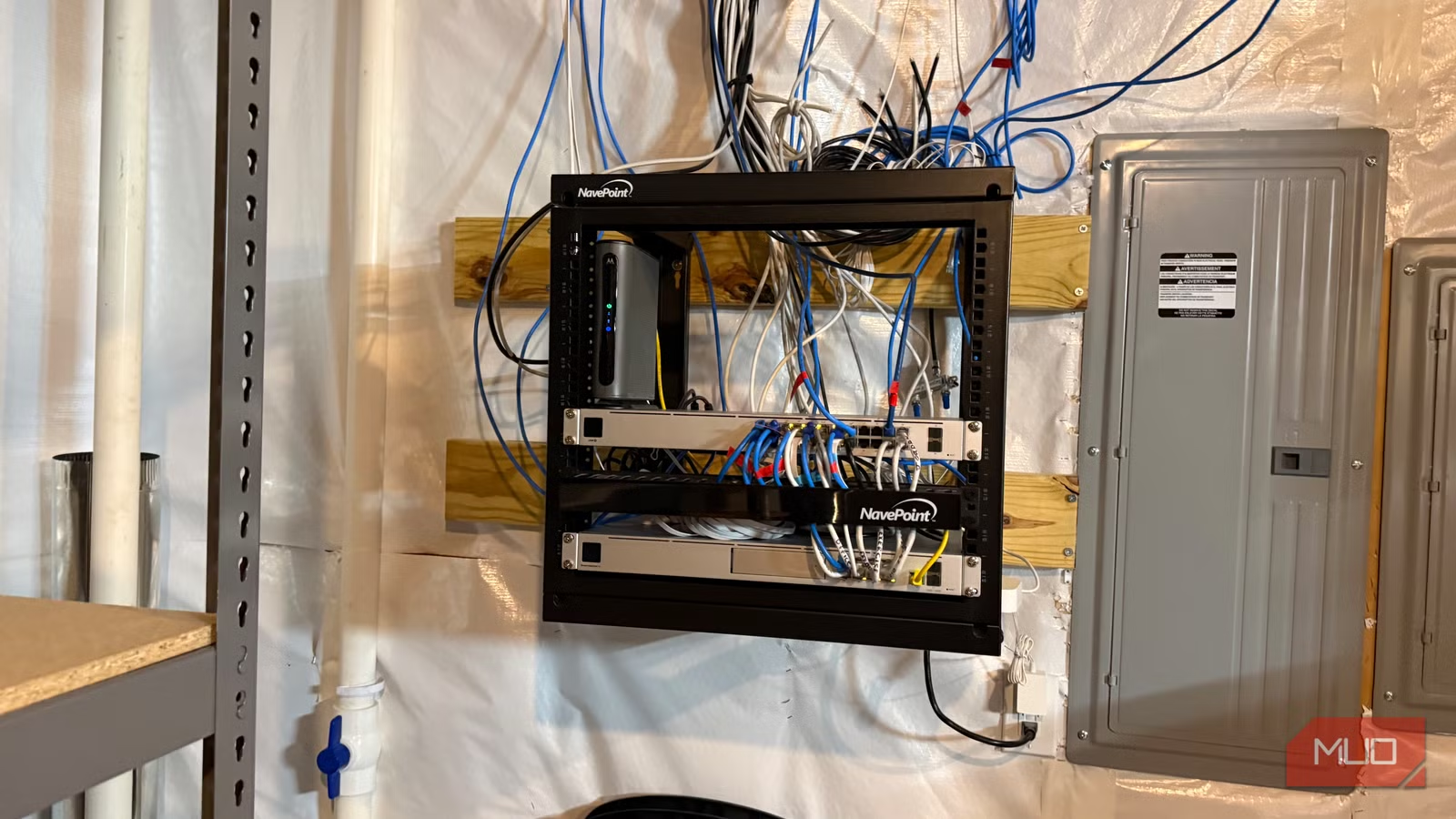
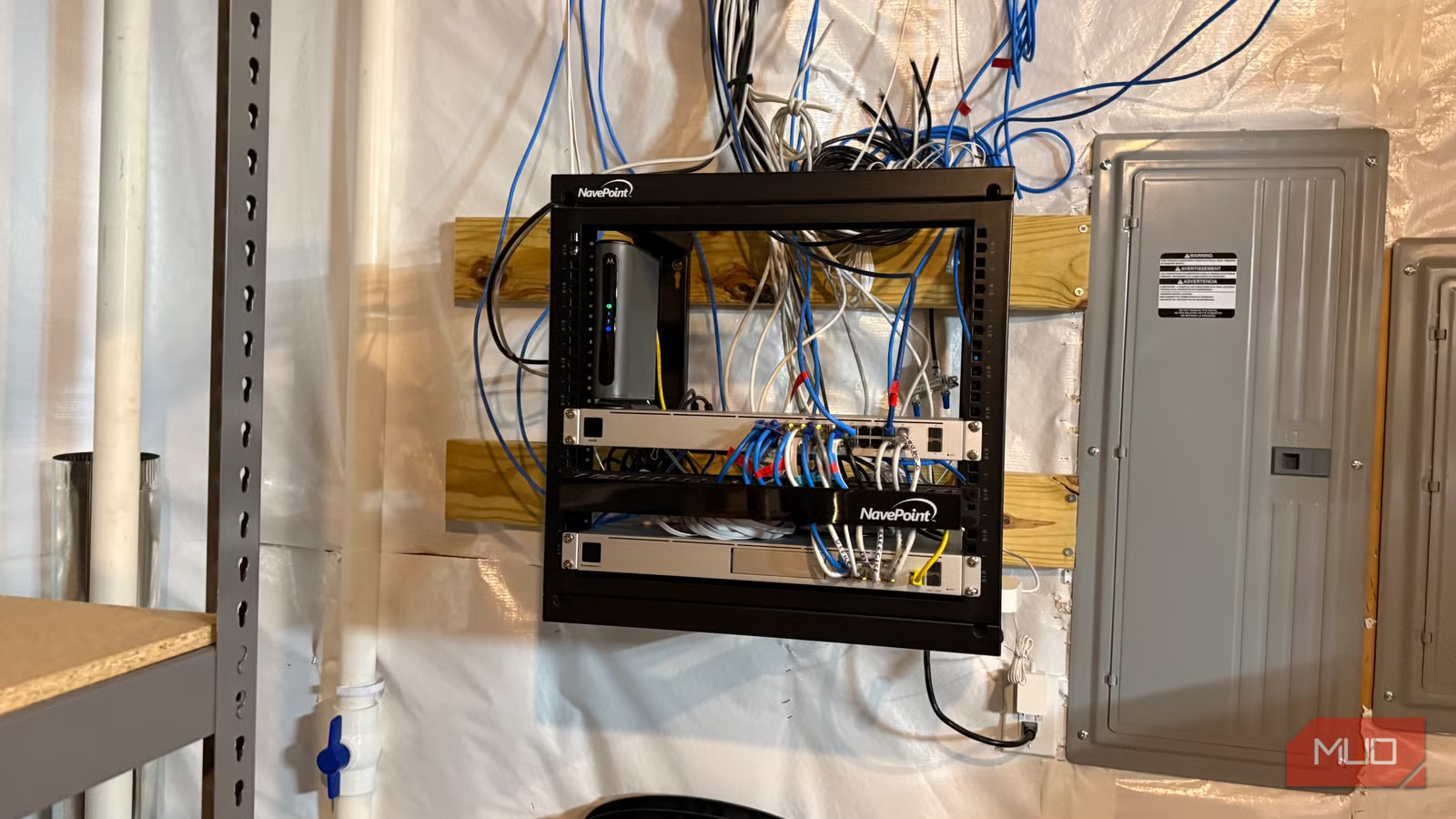
Mesh Wi-Fi systems are plug-and-play. True enterprise networking is not. Running Ethernet through walls, terminating cables properly, installing patch panels, and configuring managed switches requires both skills and tools that most homeowners don't have.
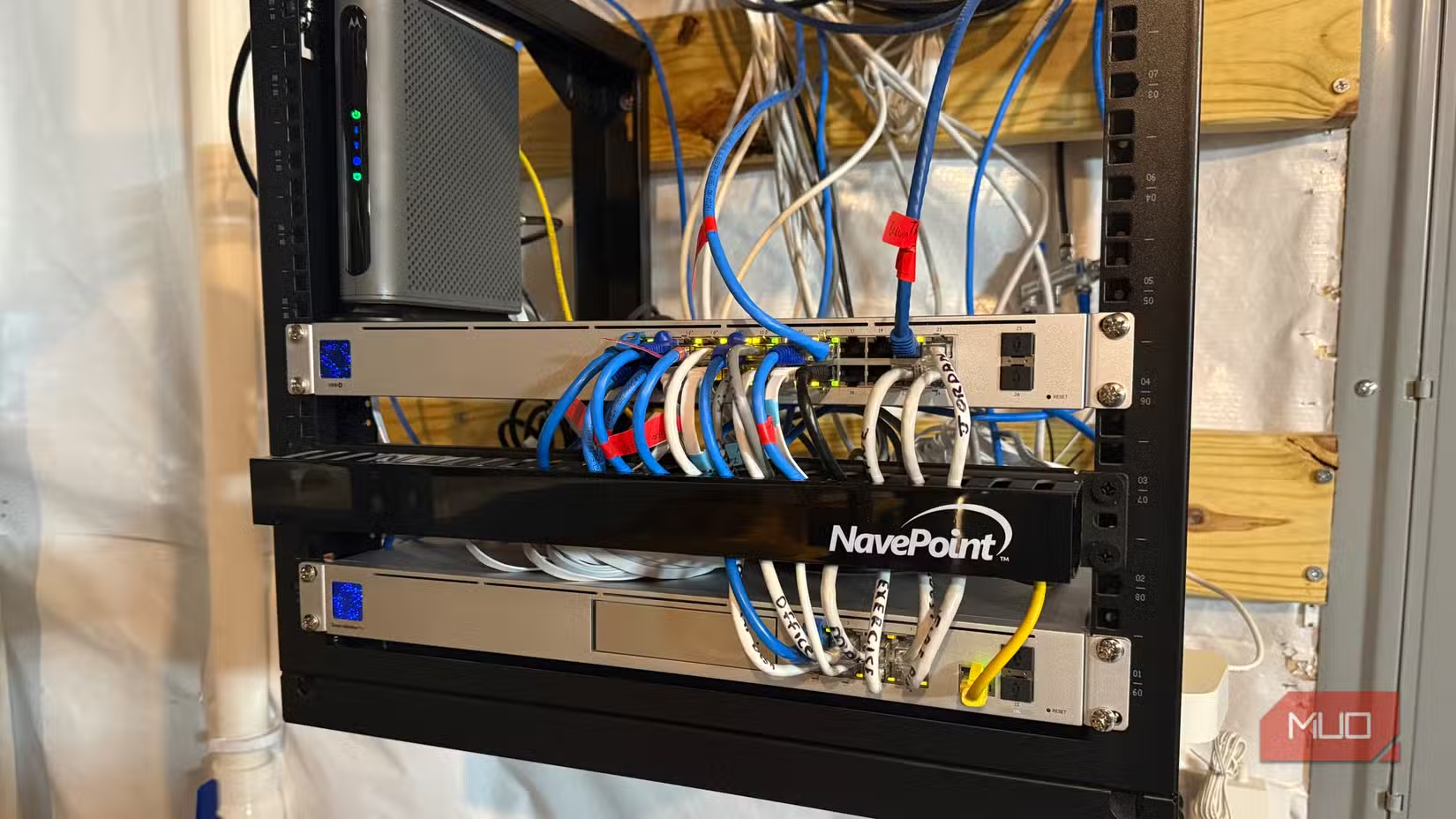
A badly terminated Ethernet cable might work. Sometimes. Other times it drops packets, runs at 100 Mbps instead of gigabit, or fails completely when the temperature changes. Diagnosing these problems requires cable testers and network analyzers. Fixing them means ripping out drywall.
If you want to run cables to every room and set up a proper network rack, consider hiring a low-voltage installer. They have the tools, the experience, and the liability insurance.
Whole-Home Water Monitoring Systems
Smart water leak sensors that sit on the floor near your water heater? Fine. Those are battery-powered and require zero installation. Whole-home water monitoring systems that connect to your main water line and can automatically shut off supply? That's plumbing.
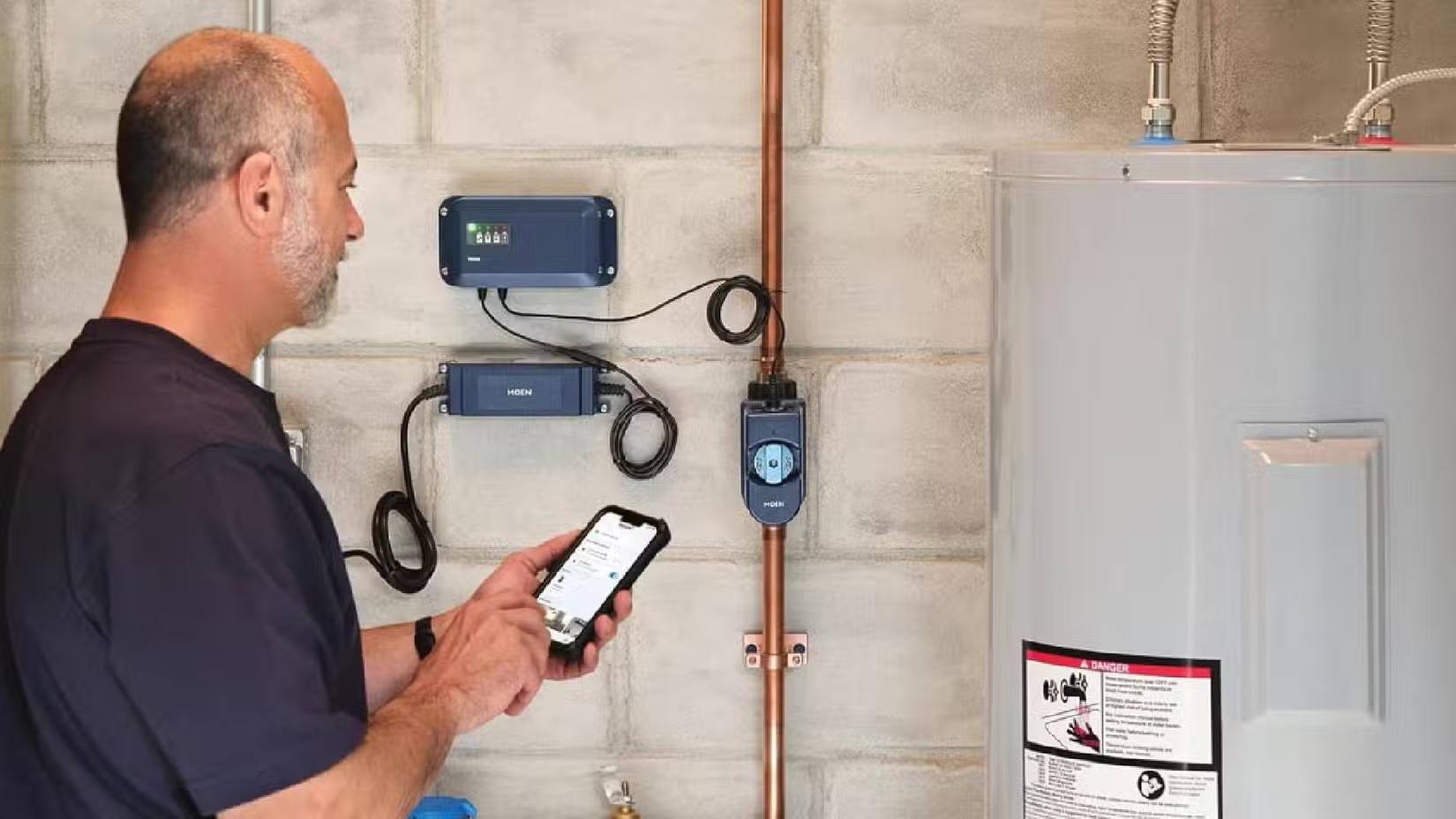
Products like the Moen Flo need to be installed on your main water supply. A bad installation means leaks at the connection point, which is exactly what you bought the system to prevent. The irony of flooding your basement while installing flood prevention is real.
A licensed plumber can install these systems in an hour or two. They'll also make sure the shutoff valve actually works and won't damage your pipes when activated.
Structured Wiring and In-Wall Installations
Running a single Ethernet cable through an unfinished basement is reasonable DIY. Running multiple cables through finished walls, installing low-voltage brackets, and ensuring proper fire blocking around penetrations is professional territory.
The problem isn't difficulty. It's that mistakes are invisible until they cause problems. A hole drilled through a stud in the wrong place weakens your wall structure. A cable run through an HVAC chase without proper separation can pick up interference. A penetration without fire caulking can let smoke travel between floors during a fire.
When DIY Makes Sense
Not every smart home project needs a professional. Plenty of upgrades are genuinely DIY-friendly.
- Smart plugs and switches that replace existing outlets (if you understand basic electrical safety)
- Battery-powered sensors and cameras
- Smart speakers and displays
- Mesh Wi-Fi systems
- Smart thermostats with clear compatibility
The dividing line is usually whether the project involves infrastructure. If you're adding a device that plugs into existing systems, DIY is often fine. If you're modifying the systems themselves, think twice.
Logicity's Take
The 'I did it myself' satisfaction wears off fast when you're dealing with insurance claims or permit violations. Smart home upgrades should make your life easier, not create new problems. If a project touches your electrical panel, main water line, or requires cutting into walls, the professional's fee is cheaper than the mistakes.
Frequently Asked Questions
Can I upgrade my electrical panel myself?
No. Electrical panel work requires permits and licensed electricians in virtually all jurisdictions. DIY electrical panel work is dangerous and will likely violate building codes.
Is running Ethernet through walls a DIY project?
It depends. Running cables through unfinished spaces is manageable. Fishing cables through finished walls and properly terminating them usually needs professional help.
Do smart water shutoff systems require a plumber?
Systems that connect to your main water supply should be installed by a licensed plumber. Simple leak sensors that sit on the floor don't require any installation.
What smart home projects can I safely DIY?
Smart plugs, battery-powered sensors, smart speakers, mesh Wi-Fi systems, and most devices that plug into existing outlets or connect wirelessly are DIY-friendly.
More ways to get more from tech you already own
Need Help Implementing This?
Planning a smart home upgrade and not sure where the DIY line is? We cover home tech, enterprise systems, and everything in between. Reach out to our editorial team for guidance or coverage suggestions.
Source: MakeUseOf
Manaal Khan
Tech & Innovation Writer
Produced with AI assistance and reviewed by the Logicity editorial team. Learn more in our Editorial Policy.