Key Takeaways
- The Ryobi Compact Cut-Off Tool is underpowered for most cutting tasks despite its brushless motor
- The Ryobi 5-inch Random Orbital Sander drains batteries fast and vibrates excessively
- Milwaukee's FUEL Cut-Off tool costs $20 more but has significantly better reviews
Ryobi has earned its spot as a go-to brand for DIYers. Walk into any Home Depot and you'll see neon green tools covering shelves, end caps, and display racks. The company makes a little bit of everything, from drills to pressure washers to inflators.
That breadth is also Ryobi's weakness. When you make hundreds of tools, some of them miss the mark. After nearly 20 years of buying Ryobi products, one longtime user has identified four tools that consistently frustrate buyers. Here's what to skip and what to grab instead.
1. Ryobi Compact Cut-Off Tool
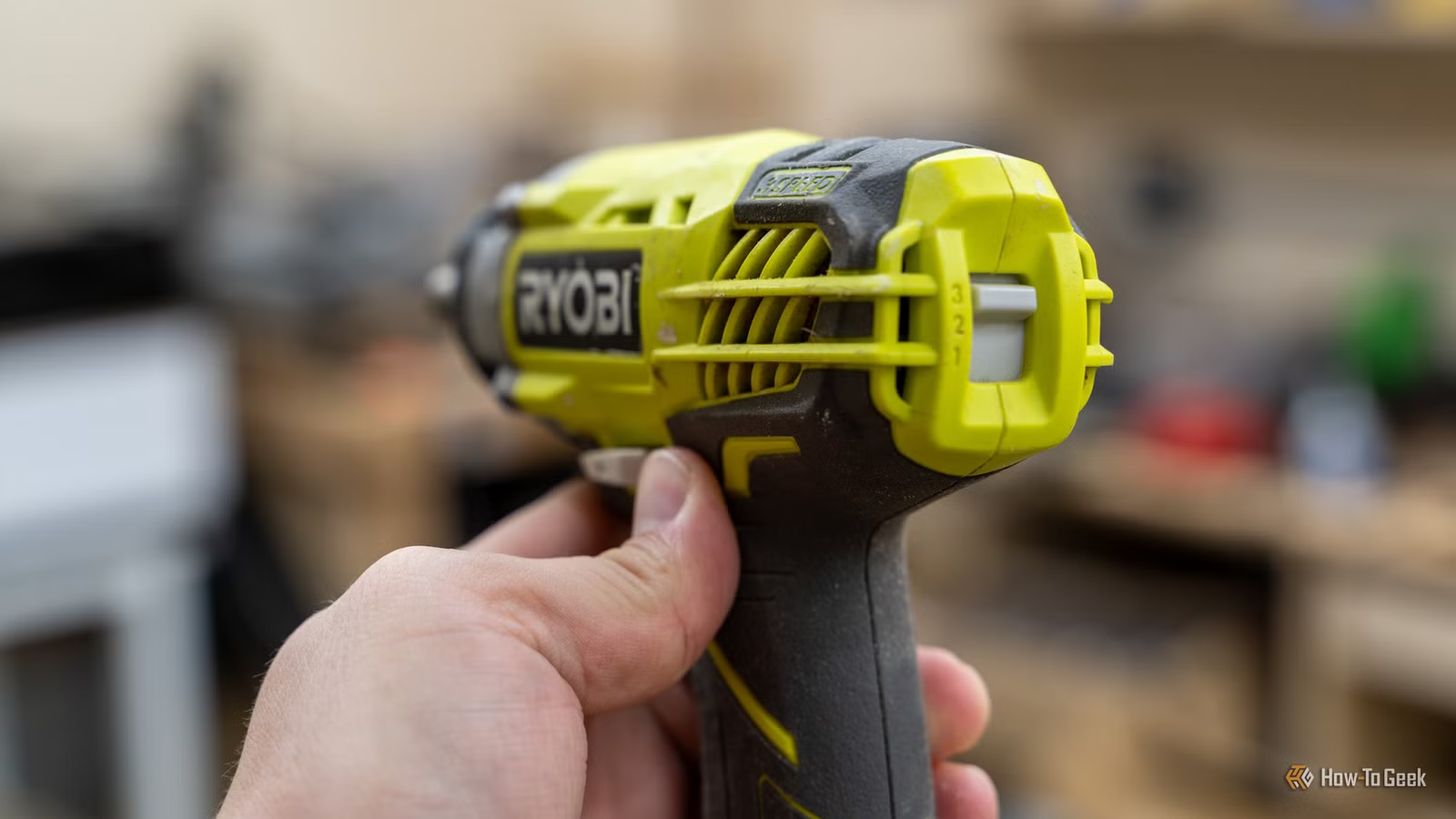
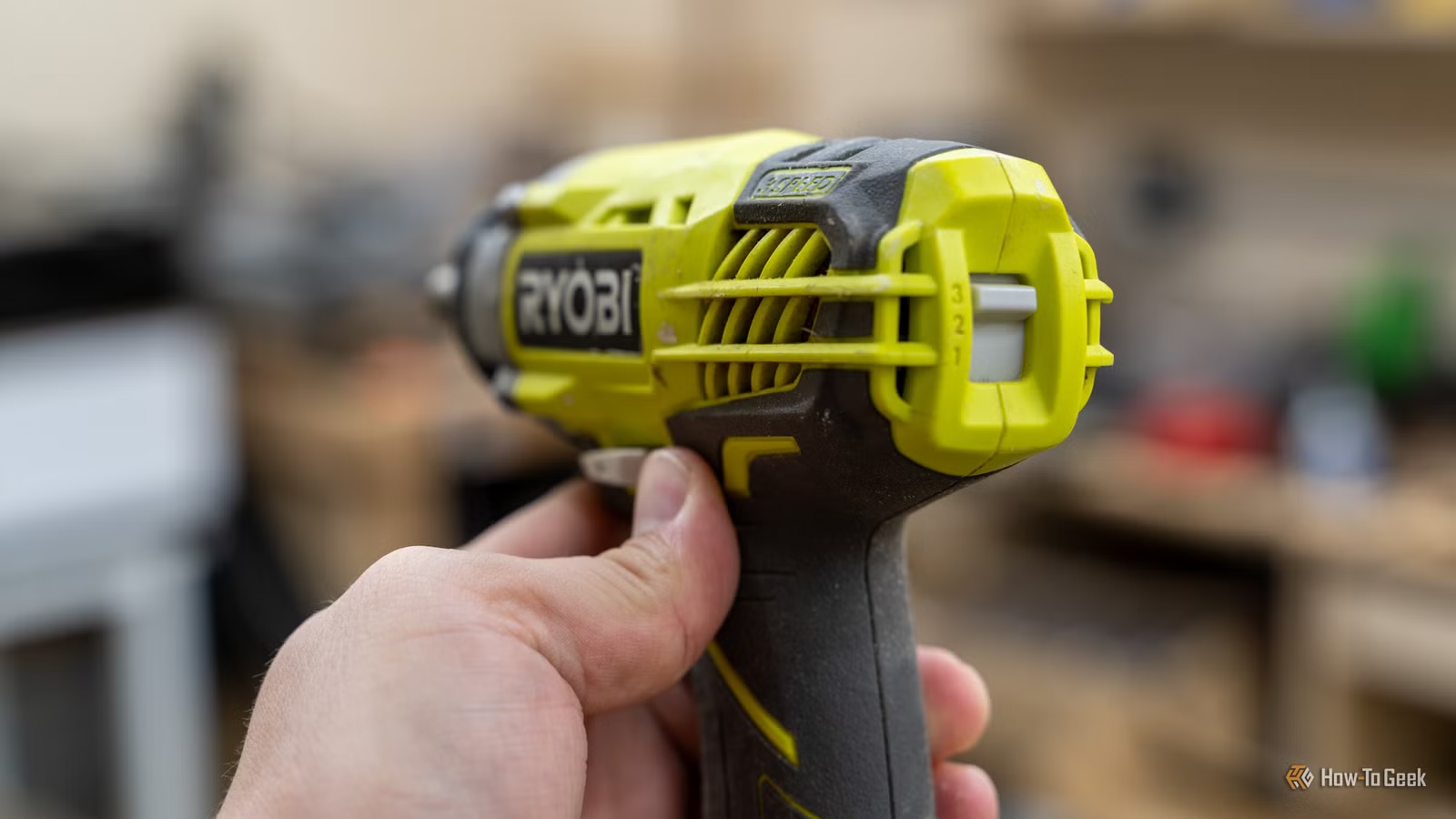
The Ryobi 18V Compact Cut-Off Wheel tool sounds great on paper. It's small, lightweight, and designed for one-handed use. Ryobi advertises that it cuts through thin metal, plastic, tile, drywall, and wires.
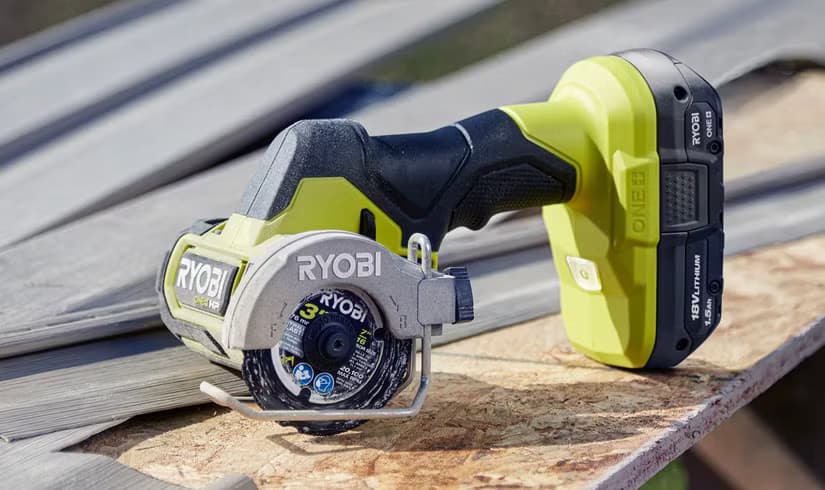
The problem is power. Despite having a brushless motor, the compact design limits what this tool can actually handle. Users report that it struggles with tasks it's supposedly built for. It's not a bad tool for light work, but it's underpowered for anything beyond basic cuts.
The alternative: spend $20 more on the Milwaukee FUEL Cut-Off model. It has significantly better reviews and delivers the power the Ryobi lacks.
2. Ryobi 18V 5-inch Random Orbital Sander
Cordless sanders promise freedom from cords and outlets. The Ryobi 5-inch Random Orbit Sander (PCL406B/P411) delivers on portability but fails on nearly everything else.
The complaints are consistent across Amazon, Home Depot, and Reddit. The sander is small, vibrates excessively, lacks power, and chews through battery packs. One reviewer bought it on sale ahead of a project and quickly regretted the purchase.
The alternative: a corded orbital sander. You lose portability but gain consistent power, less vibration, and no battery anxiety. For most sanding projects, you're working near an outlet anyway.
How to Spot Ryobi Tools Worth Skipping
Finding a universally hated Ryobi tool is rare. The brand has earned its reputation for solid, affordable tools. But certain patterns suggest when to look elsewhere.
- Anything labeled "Compact" may sacrifice power for portability. Know what you're giving up.
- Check reviews on Amazon, Home Depot, and Reddit. Look for repeated complaints about the same issues.
- Compare prices with Milwaukee, DeWalt, and Makita equivalents. A $20-30 difference often buys significantly better performance.
- Consider whether cordless actually helps. For stationary work like sanding, a corded tool often makes more sense.
When Ryobi Makes Sense
Ryobi remains a strong choice for DIYers who need occasional-use tools without professional price tags. The ONE+ battery system works across hundreds of tools, which creates real savings if you're building out a home workshop.
The key is researching specific tools before buying. Ryobi's drills, impact drivers, and many outdoor tools earn consistent praise. The problem tools tend to be specialty items where the compact design or cordless format creates compromises.
Logicity's Take
Ryobi's strategy of making everything cordless sometimes backfires. Sanders and cut-off tools need sustained power that compact battery designs struggle to deliver. Before buying any cordless specialty tool, ask whether going cordless actually helps your workflow or just adds a battery to charge.
The Bottom Line
Ryobi builds good tools at fair prices. But the company's massive catalog includes some duds. The Compact Cut-Off Tool and Random Orbital Sander stand out as products where the cordless convenience doesn't outweigh the performance compromises.
Before adding any Ryobi tool to your cart, spend five minutes reading reviews. Look for patterns in complaints. And remember that spending $20 more on a competitor's version sometimes saves hours of frustration on the job.
Frequently Asked Questions
Is Ryobi a good tool brand?
Yes, Ryobi is reliable for DIY use. The brand offers good value, especially through its ONE+ battery system that powers over 300 tools. However, some specialty tools underperform compared to competitors.
What tools should you not buy from Ryobi?
The Compact Cut-Off Tool and 18V Random Orbital Sander draw consistent complaints about insufficient power and battery drain. Any tool labeled "Compact" may sacrifice performance for portability.
Is Milwaukee better than Ryobi?
Milwaukee generally offers more power and durability but at higher prices. For heavy or frequent use, Milwaukee often justifies the extra cost. For occasional DIY work, Ryobi's core tools perform well.
Why does my Ryobi sander vibrate so much?
The Ryobi 5-inch Random Orbital Sander is known for excessive vibration. This appears to be a design limitation. Many users recommend corded orbital sanders for smoother operation.
Need Help Implementing This?
Building out a workshop or equipping a team? We can help you research which tools deliver the best value for your specific use cases. Reach out to the Logicity team for personalized recommendations.
Source: How-To Geek
Huma Shazia
Senior AI & Tech Writer
Produced with AI assistance and reviewed by the Logicity editorial team. Learn more in our Editorial Policy.