Key Takeaways
- The 2026 Alfa Romeo Tonale starts at $37,495 and delivers 24 MPG combined on regular fuel
- Brands like Lexus, Buick, and Acura prove luxury ownership doesn't require higher fuel costs
- Models ranked by combined fuel economy help buyers prioritize long-term value
Luxury SUVs come with hidden ownership costs. One of the most annoying is the premium fuel requirement. Higher-octane gas makes sense for high-performance engines, but many entry-level luxury crossovers also demand it. That adds up fast at $0.50 to $0.70 more per gallon.
For 2026, a handful of affordable premium SUVs deliver the refinement buyers want without the premium fuel bill. These models prove that upscale comfort, strong features, and everyday practicality don't have to mean higher running costs.
2026 Alfa Romeo Tonale
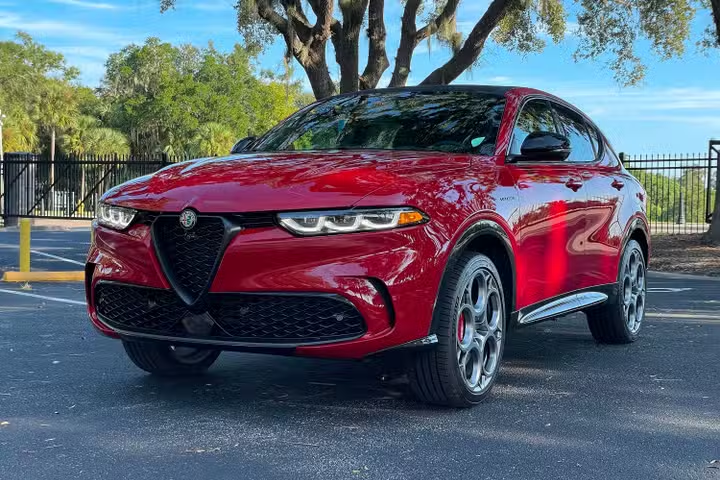
The Tonale is criminally underrated. The Alfa Romeo badge works against it because buyers assume Italian cars are unreliable. That reputation is overstated. The Tonale won't compete with Lexus for longevity, but it's not the maintenance nightmare people expect.
What you get is an impressive level of sportiness for a crossover. The Tonale oozes class and character in a way only an Italian car can. For buyers who want something different from the sea of Japanese and German crossovers, this is a strong pick.
- Combined fuel economy: 24 MPG
- Starting MSRP: $37,495
- Fuel requirement: Regular 87-octane
2027 Kia Telluride
The Telluride has been a runaway success since its debut. Kia positioned it as a near-luxury three-row SUV at mainstream prices, and buyers responded. The 2027 model continues that formula while accepting regular fuel.
The interior quality rivals vehicles costing $15,000 more. Soft-touch materials, a quiet cabin, and generous tech features make the Telluride feel premium without the premium ownership costs.
Toyota Prius Prime
The Prius Prime isn't technically an SUV. But its practicality and hatchback versatility put it in the same consideration set for many buyers. The plug-in hybrid delivers exceptional efficiency on regular gas when the battery depletes.
Toyota has pushed the Prius upmarket with the current generation. The XSE trim includes premium features like a head-up display, heated steering wheel, and JBL audio. It's luxury-adjacent at a fraction of the fuel cost.
2026 Audi Q3
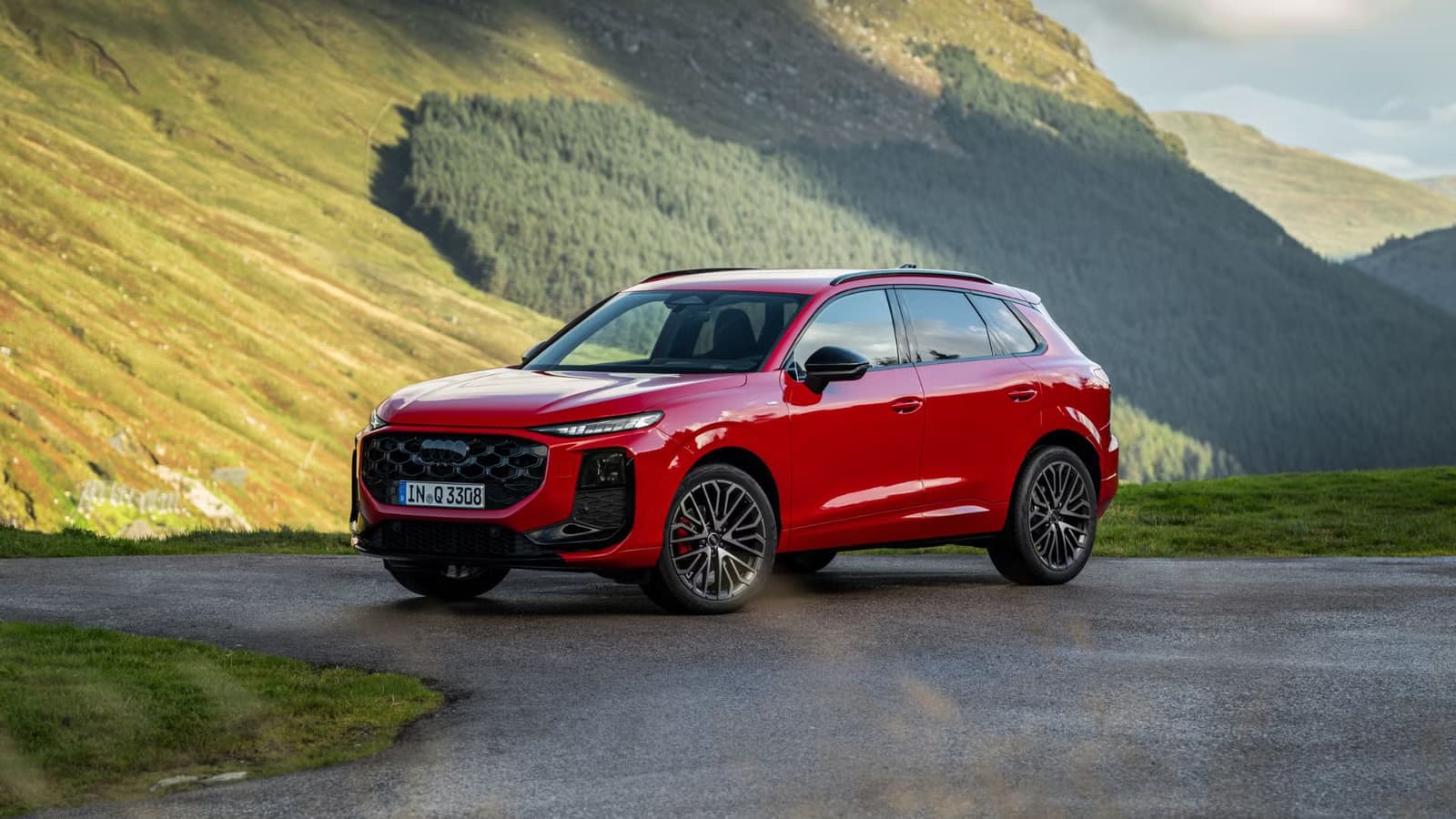
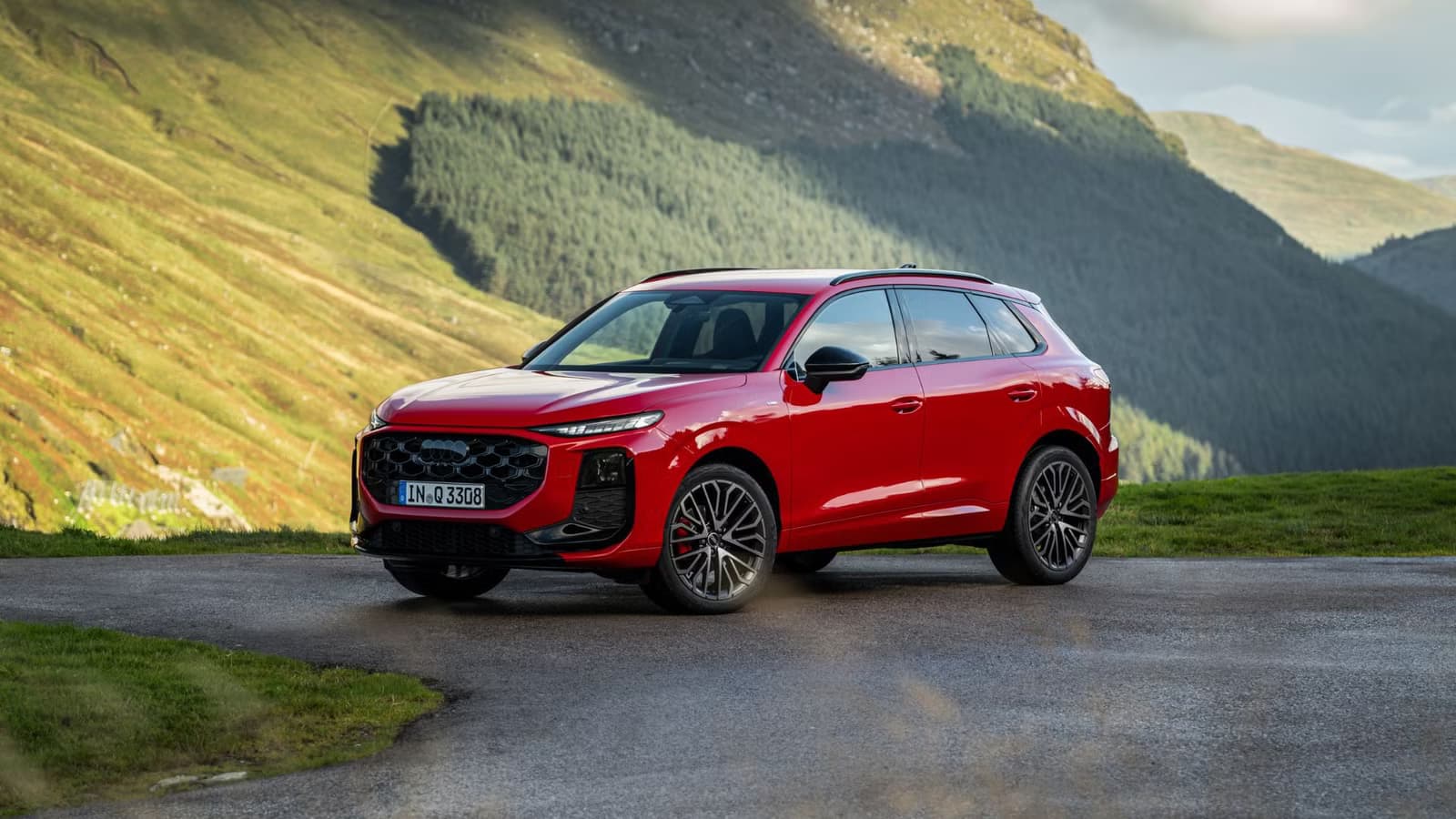
Audi's entry-level crossover surprises buyers who assume German luxury means premium fuel only. The Q3 runs happily on regular 87-octane while delivering the brand's signature interior quality and technology.
The trade-off is size. The Q3 sits at the smaller end of the compact crossover segment. For urban buyers or those who don't need three-row seating, the compact footprint is a feature, not a limitation.
Why Premium Fuel Costs Add Up
The price difference between regular and premium gas varies by region, but it typically runs $0.50 to $0.70 per gallon. For an SUV with a 20-gallon tank that you fill twice a month, that's $240 to $336 extra per year. Over a typical five-year ownership period, you're looking at $1,200 to $1,680 in additional fuel costs.
These four vehicles eliminate that expense while still delivering the features and refinement that define the luxury segment. Brands like Lexus, Buick, and Acura have also engineered models to run on regular fuel, proving that premium ownership doesn't always mean premium running costs.
| Model | Starting MSRP | Combined MPG | Fuel Type |
|---|---|---|---|
| 2026 Alfa Romeo Tonale | $37,495 | 24 MPG | Regular |
| 2027 Kia Telluride | ~$38,000 | TBD | Regular |
| Toyota Prius Prime | ~$33,000 | 52 MPG | Regular |
| 2026 Audi Q3 | ~$39,000 | TBD | Regular |
Logicity's Take
Frequently Asked Questions
Can I use regular gas in an SUV that recommends premium?
Check your owner's manual. 'Recommended' means regular is acceptable with minor performance loss. 'Required' means the engine needs premium to avoid knocking and potential damage.
Does using regular gas void my warranty?
Not if the manufacturer specifies regular fuel is acceptable. These four models are designed to run on 87-octane without affecting warranty coverage.
How much does premium fuel actually cost over time?
At $0.50-$0.70 more per gallon, filling a 20-gallon tank twice monthly adds $240-$336 yearly. Over five years, that's $1,200-$1,680 in extra fuel costs.
Are there other luxury SUVs that use regular gas?
Yes. Several Lexus, Buick, and Acura models accept regular fuel. Always check the specific trim and engine configuration, as requirements can vary within model lineups.
Need Help Implementing This?
Source: How-To Geek
Manaal Khan
Tech & Innovation Writer
Produced with AI assistance and reviewed by the Logicity editorial team. Learn more in our Editorial Policy.