Key Takeaways
- Placing subwoofers directly on floors, especially wood, transmits bass vibrations to neighbors above and below
- Creating distance between your sub and the floor using isolation pads or stands significantly reduces noise transfer
- Software adjustments through your audio system's app can lower bass output without sacrificing overall sound quality
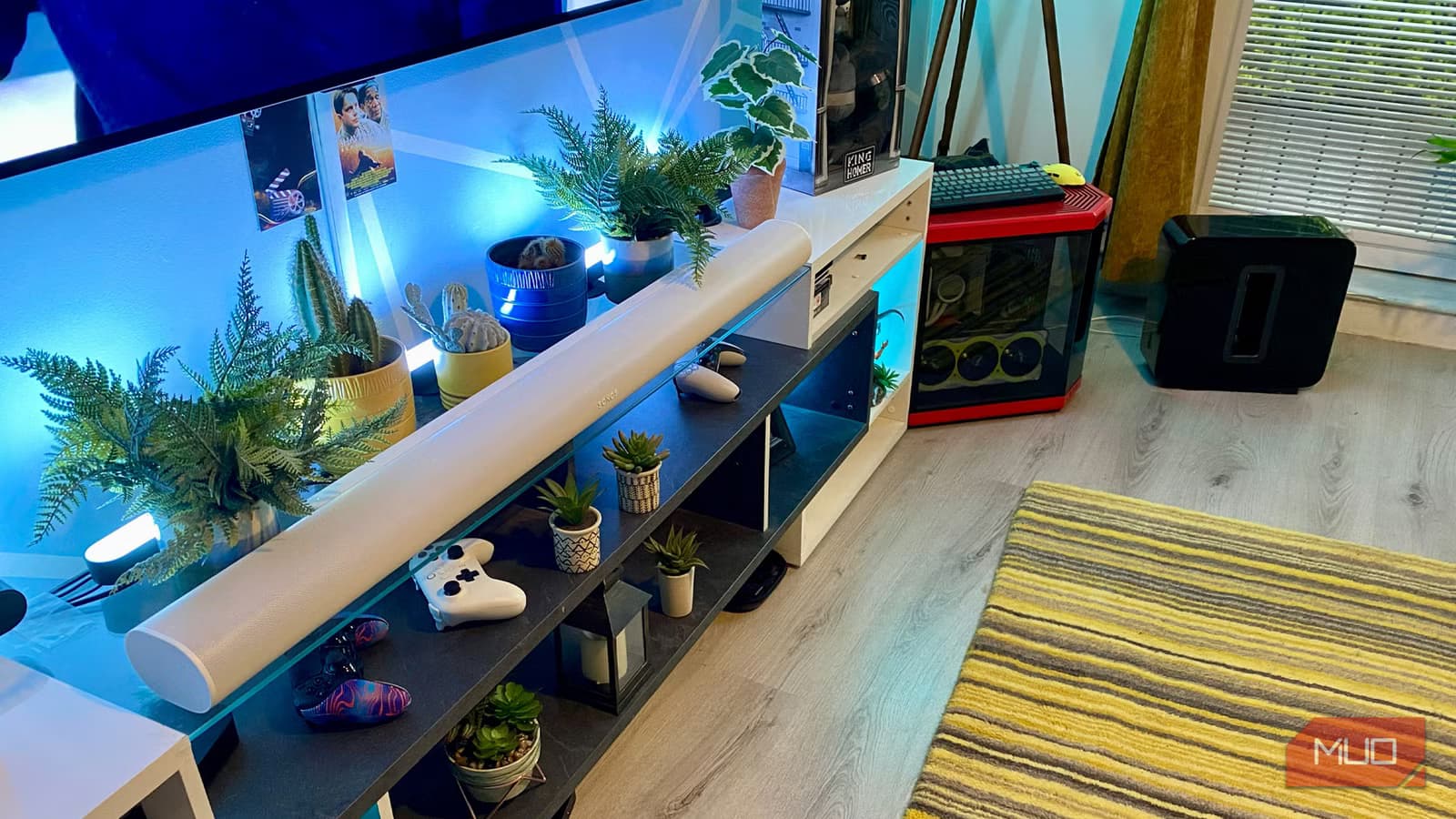
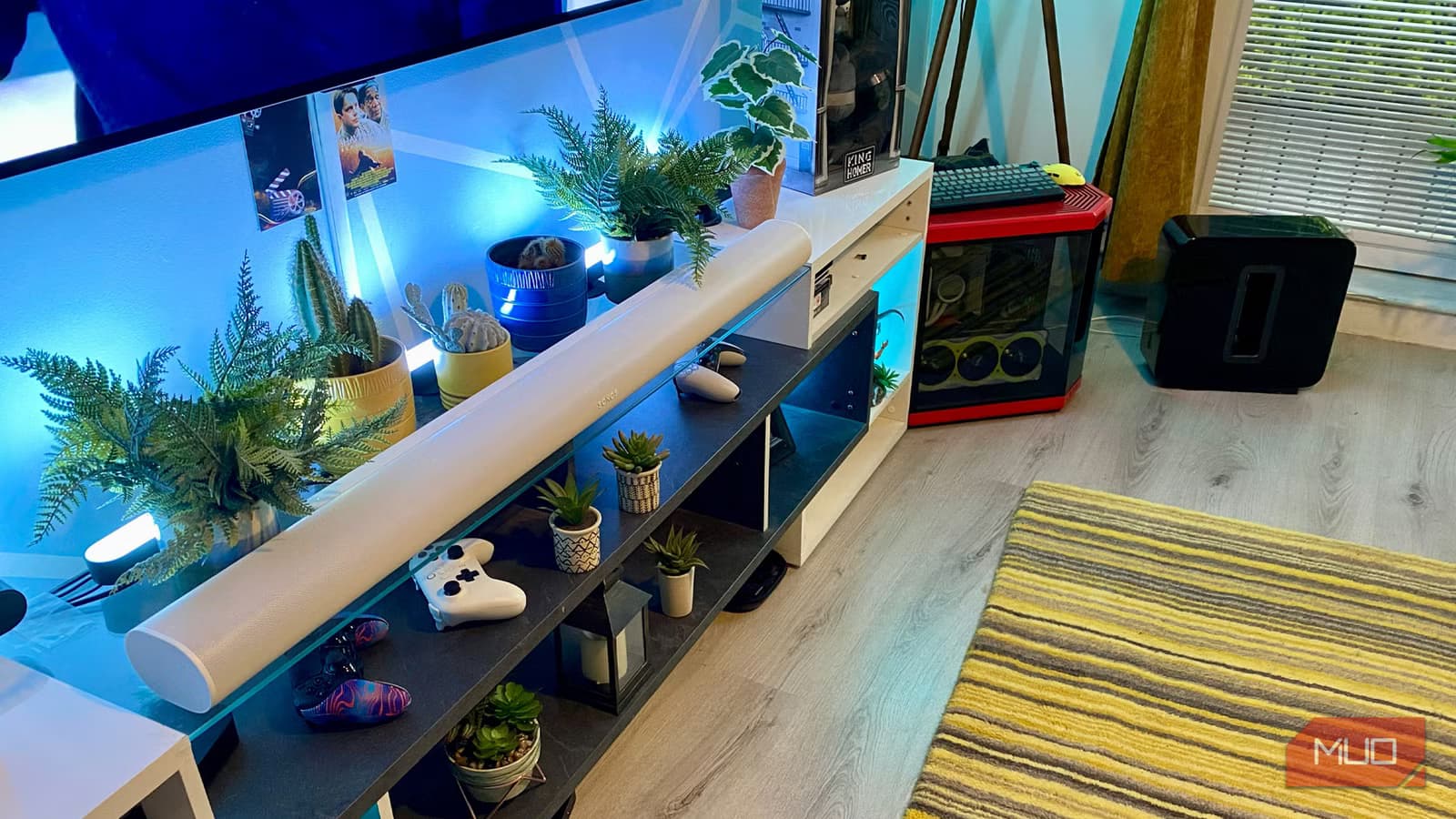
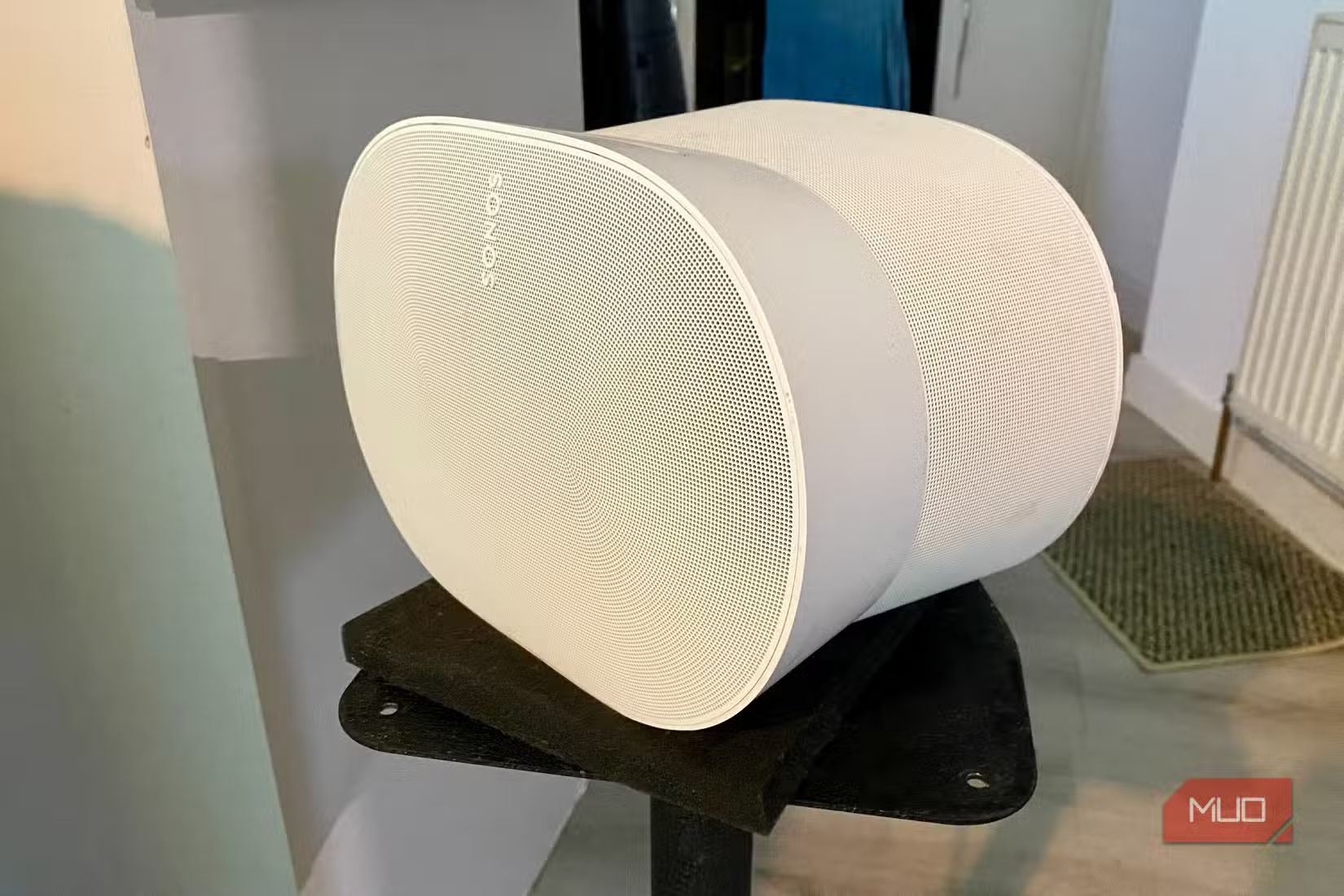
Dave Meikleham thought his Sonos surround sound system was perfect. His neighbors disagreed. The setup, consisting of an Arc Ultra soundbar, two Era 300 smart speakers, and a pair of Gen 4 Subs, was so bass-heavy that residents two floors up could feel every explosion during movie night.
"I guarantee your neighbors are going to feel the reverberations of that subwoofer taking pride of place in your home theater setup," Meikleham writes in MakeUseOf. His wake-up call came when an upstairs neighbor pounded on his window at 11pm one winter night. The complaints were justified.
After months of tweaks, he hasn't received a single complaint. Here's what worked.
Create Distance Between Your Subwoofer and the Floor
The biggest culprit is direct floor contact. When a subwoofer sits on the ground, especially hardwood or laminate, low-frequency vibrations travel through the building's structure. Your upstairs neighbor isn't hearing your movie. They're feeling it through their floor.
The fix is simple: lift the sub. Isolation pads, stands, or even dense foam can break the physical connection between your subwoofer and the floor. This doesn't reduce your audio quality. It just stops the bass from traveling through walls and ceilings.
Carpet helps more than hard flooring, but it's not enough on its own. The goal is decoupling, creating an air gap or absorption layer that prevents direct vibration transfer.
Lower Bass Levels Through Software
Before buying acoustic panels or isolation products, check your audio system's app. Most modern surround sound systems let you adjust bass output independently of overall volume.
Meikleham had his subs "ramped up to near maximum bass levels" through the Sonos app. The resulting low frequencies were, in his words, comparable to "the T. rex stomping into view in Jurassic Park." Reducing bass by 20-30% often eliminates neighbor complaints while keeping the sound immersive for you.
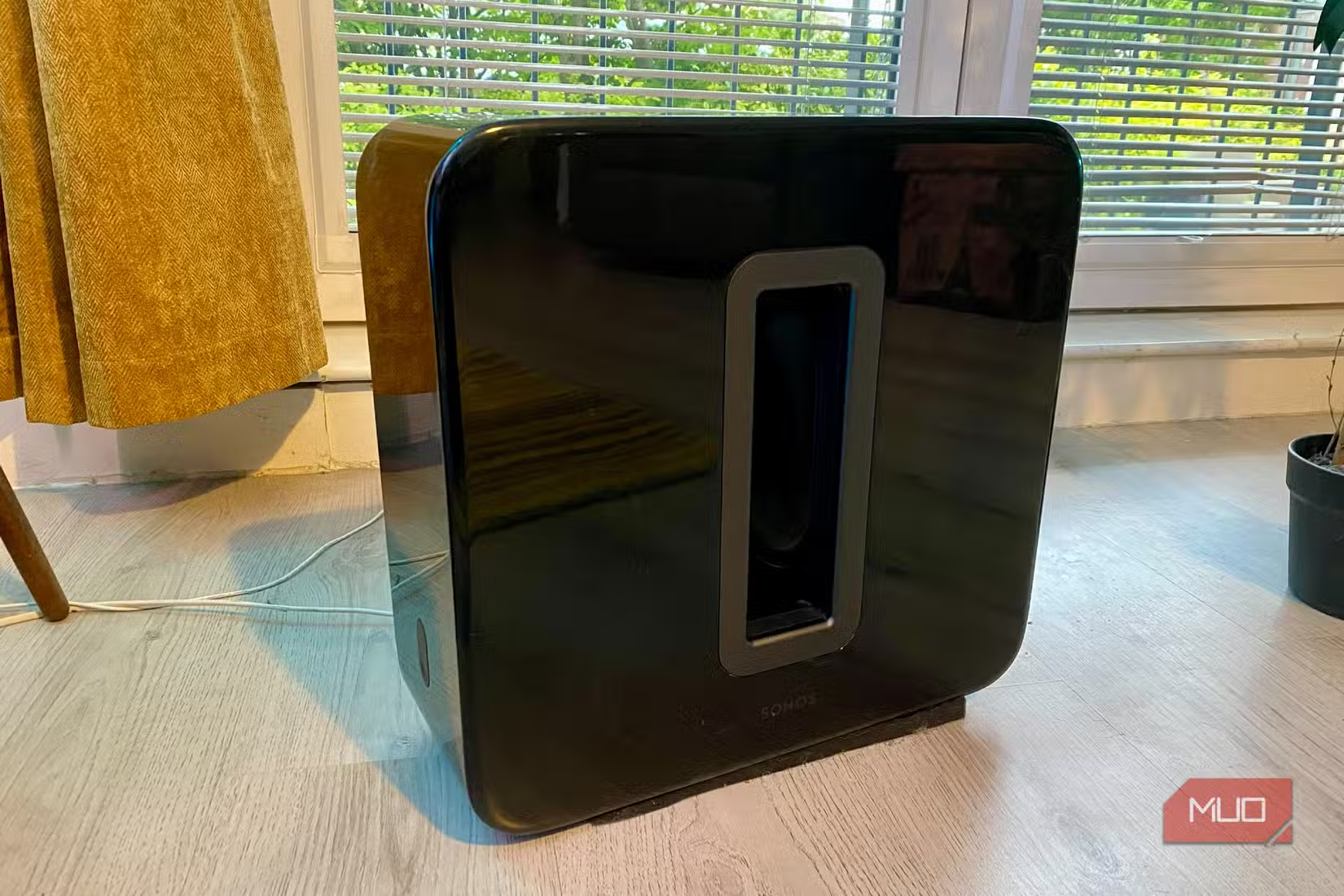
This is the easiest fix and costs nothing. If your system doesn't have an app, check for physical EQ controls on the subwoofer itself.
Why These Methods Work Without Ruining Your Room
Traditional soundproofing means acoustic foam on walls, heavy curtains, and ugly bass traps in corners. These methods work, but they also make your living room look like a recording studio.
The subwoofer-focused approach targets the actual problem: low-frequency vibrations traveling through solid structures. By isolating the source, you don't need to treat every surface in the room.
- Isolation pads fit under subwoofers and are invisible from normal viewing angles
- Software adjustments require no physical changes at all
- Subwoofer stands can look like furniture rather than audio equipment
Logicity's Take
When to Consider More Aggressive Soundproofing
If isolation and software adjustments don't work, you may need room treatment. But start with the cheap fixes first. Most people find that decoupling the subwoofer solves 80% of the problem.
For dedicated home theater rooms, consider adding mass to walls (using mass-loaded vinyl behind drywall) or building a room-within-a-room structure. These are renovation projects, not quick fixes, and typically make sense only if you're building or remodeling.
More home improvement investments that pay off
Frequently Asked Questions
Do isolation pads really reduce subwoofer noise for neighbors?
Yes. Isolation pads prevent bass vibrations from traveling through floors and walls. They're one of the most effective and affordable soundproofing methods for home theaters.
Can I soundproof my home theater without ugly acoustic panels?
Yes. Focusing on subwoofer isolation and software bass adjustments addresses the main noise source without visible room treatment. Most neighbor complaints stem from bass, not mid-range audio.
How much should I lower my subwoofer bass level?
Start by reducing bass 20-30% from your current setting. Listen for a few days and check with neighbors. You can often find a level that sounds immersive to you without bothering others.
Does carpet help reduce subwoofer noise?
Carpet helps more than hard flooring, but it's not enough on its own. Pairing carpet with isolation pads or stands provides better results than either alone.
Need Help Implementing This?
Source: MakeUseOf
Huma Shazia
Senior AI & Tech Writer
Produced with AI assistance and reviewed by the Logicity editorial team. Learn more in our Editorial Policy.