Key Takeaways
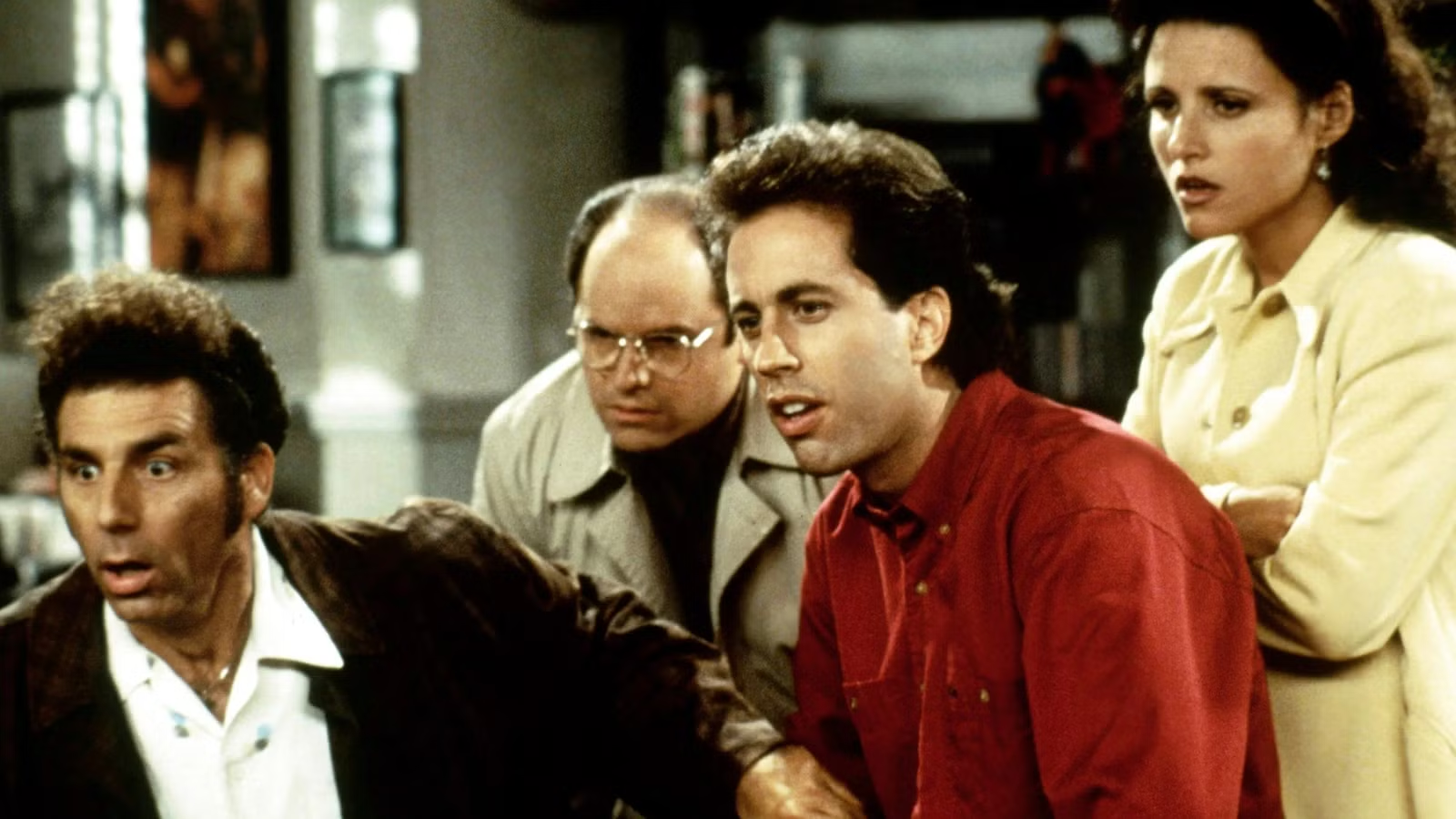
- Netflix paid $500 million for five-year global streaming rights to Seinfeld, beating Hulu, Amazon, Peacock, and HBO Max
- The show generated 19.3 billion viewing minutes on Netflix in 2022 alone
- The streaming license expires in 2026, and the show's future home is uncertain
In 2021, Netflix won a bidding war against Hulu, Amazon, Peacock, HBO Max, and CBS All Access to secure the global streaming rights to Seinfeld. The price tag: more than $500 million for a five-year license covering all 180 episodes. That deal expires in 2026, and the show's future streaming home remains uncertain.
The bet has paid off. Despite being a show that ended in 1998, Seinfeld consistently ranks among Netflix's most-watched titles. The series generated 19.3 billion viewing minutes on Netflix in 2022 alone, placing it among the platform's top 10 performers. According to audience measurement data, the show has 34.9 times the demand of an average TV series in the US, putting it in the top 0.2% of all television content.
Why a 90s Sitcom Still Dominates Streaming
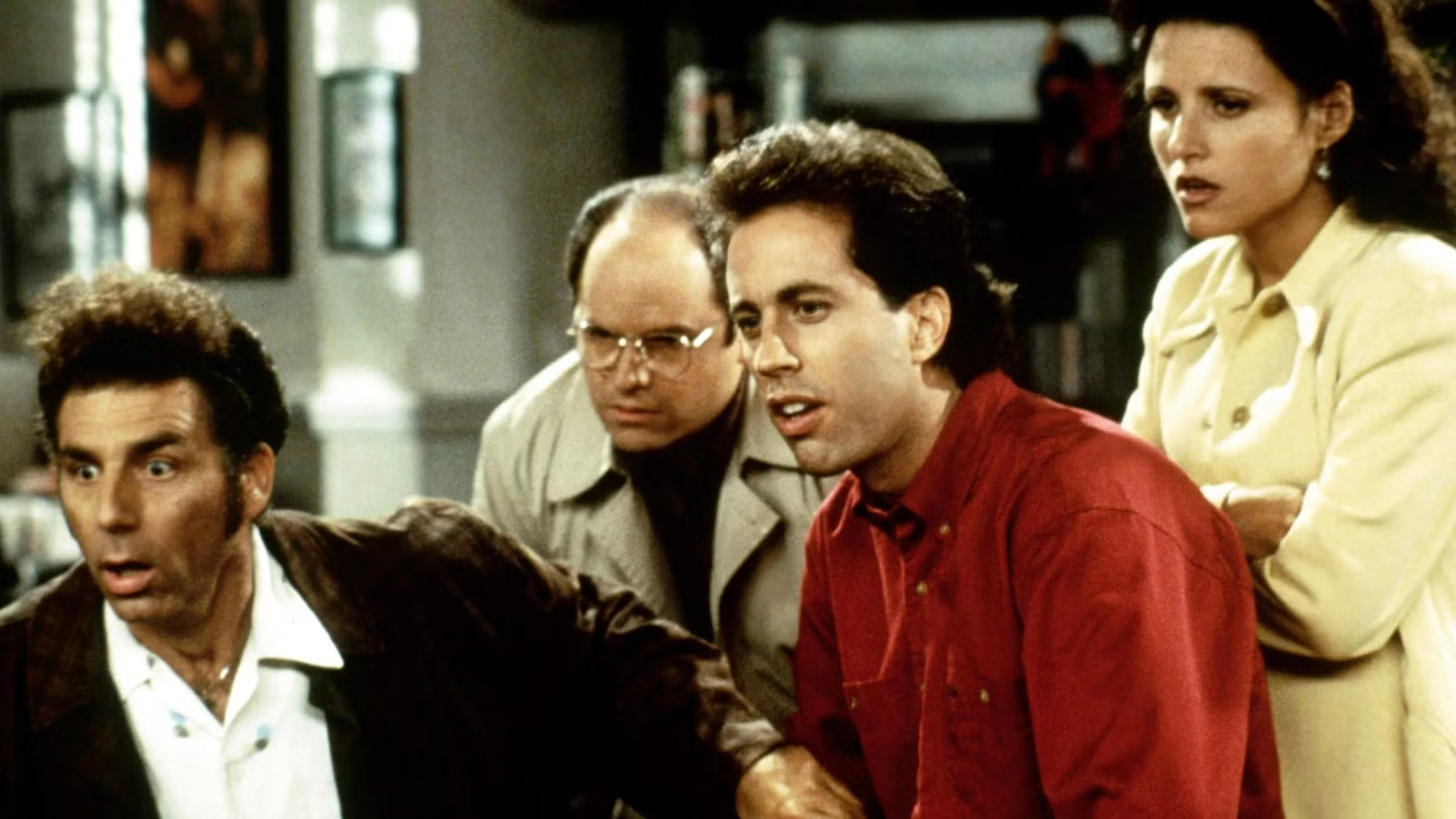
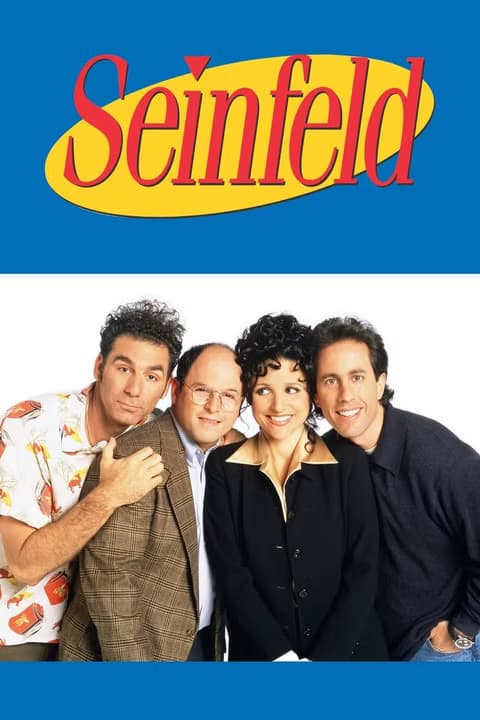
The NBC sitcom ran from 1989 to 1998 and became one of the most popular shows in an era packed with hit sitcoms. Jerry Seinfeld, Jason Alexander, Julia Louis-Dreyfus, and Michael Richards created moments that have become part of the cultural vocabulary. The Soup Nazi. The Puffy Shirt. Festivus. Shrinkage. "Yada yada yada." "Not that there's anything wrong with that."
That cultural permanence gives the show brand recognition that's nearly impossible to replicate today. In the 90s, fewer entertainment options meant more shared viewing experiences. Millions of people watched the same episodes on the same nights. That collective memory now translates into comfort viewing for a generation of subscribers.
“No hugging, no learning.”
— Larry David, Co-Creator, describing the show's fundamental rule
Larry David's famous rule for the show's characters explains part of its rewatchability. Unlike sitcoms where characters grow and change, Jerry, George, Elaine, and Kramer remain static. You can watch any episode in any order. There's no continuity to track, no emotional arcs to remember. It's designed for the way people actually use streaming services: jumping in wherever, watching a few episodes, moving on.
The Economics of Catalog Content
Netflix's $500 million investment highlights a strategic reality in streaming: original content is expensive and risky, while proven hits generate reliable viewership. Data suggests Seinfeld fans open the show an average of 38 times per month, the highest repeat engagement rate of any series on the platform.
Original Netflix comedies like Unbreakable Kimmy Schmidt, I Think You Should Leave, and Grace and Frankie have found audiences but haven't achieved the same cultural saturation. In an era of fragmented attention and endless options, few new shows can replicate what Seinfeld built through years of appointment television.
“I am also very excited to be working with Ted Sarandos at Netflix, a guy and a place that not only have the same enthusiasm for the art of stand-up comedy as I do, but the most amazing technology platform.”
— Jerry Seinfeld, Comedian and Co-Creator
What Happens After 2026
When the deal expires, Sony Pictures Television will likely field offers from multiple streamers. Peacock, as NBC's streaming service, could make a play for brand heritage. Amazon and Apple have deep pockets. Netflix could attempt to renew, though the price may rise given the show's proven performance.
For subscribers who've built Seinfeld into their viewing routines, the advice is simple: watch it while you can. Licensing deals in streaming are temporary by design. The show about nothing has somewhere else to be in 2026.
Logicity's Take
Netflix's Seinfeld deal illustrates a fundamental tension in streaming economics. Original content builds a brand, but catalog content pays the bills. When your $500 million licensed show outperforms most of your originals, you're paying rent on someone else's intellectual property. The question for Netflix isn't whether to renew. It's whether they can afford not to.
Frequently Asked Questions
When is Seinfeld leaving Netflix?
The streaming license expires in 2026. Netflix secured a five-year global deal starting in October 2021, meaning the show will likely leave the platform sometime in late 2026.
How much did Netflix pay for Seinfeld?
Netflix paid over $500 million for the five-year global streaming rights, beating out Hulu, Amazon, Peacock, HBO Max, and CBS All Access in the bidding.
Where will Seinfeld stream after Netflix?
No new streaming home has been announced. Sony Pictures Television owns the rights and will likely field offers from multiple platforms when the Netflix deal expires.
How many episodes of Seinfeld are on Netflix?
All 180 episodes of Seinfeld are currently available on Netflix, spanning the show's run from 1989 to 1998.
Is Seinfeld popular on Netflix?
Yes. The show generated 19.3 billion viewing minutes in 2022 and has the highest repeat engagement rate of any series on the platform, with fans averaging 38 opens per month.
Need Help Implementing This?
If you're navigating content licensing strategy, streaming platform decisions, or media technology investments, we'd love to hear from you. Reach out to our team at Logicity.in for analysis tailored to your organization.
Source: MakeUseOf
Manaal Khan
Tech & Innovation Writer
Produced with AI assistance and reviewed by the Logicity editorial team. Learn more in our Editorial Policy.