Google's Pixel 11 lineup ships August 20, and the first wave of cases is already available for preorder. If you're buying a Pixel 11, Pixel 11 Pro, Pixel 11 Pro XL, or the new Pixel 11 Pro Fold, three options stand out: Google's own Pixelsnap case for magnetic charging, Spigen's $15 clear alternative, and Mous's ultra-slim option for minimalists.
Each case solves a different problem. Here's what you need to know before the phones hit stores.
Google Pixelsnap Case: the magnetic charging pick
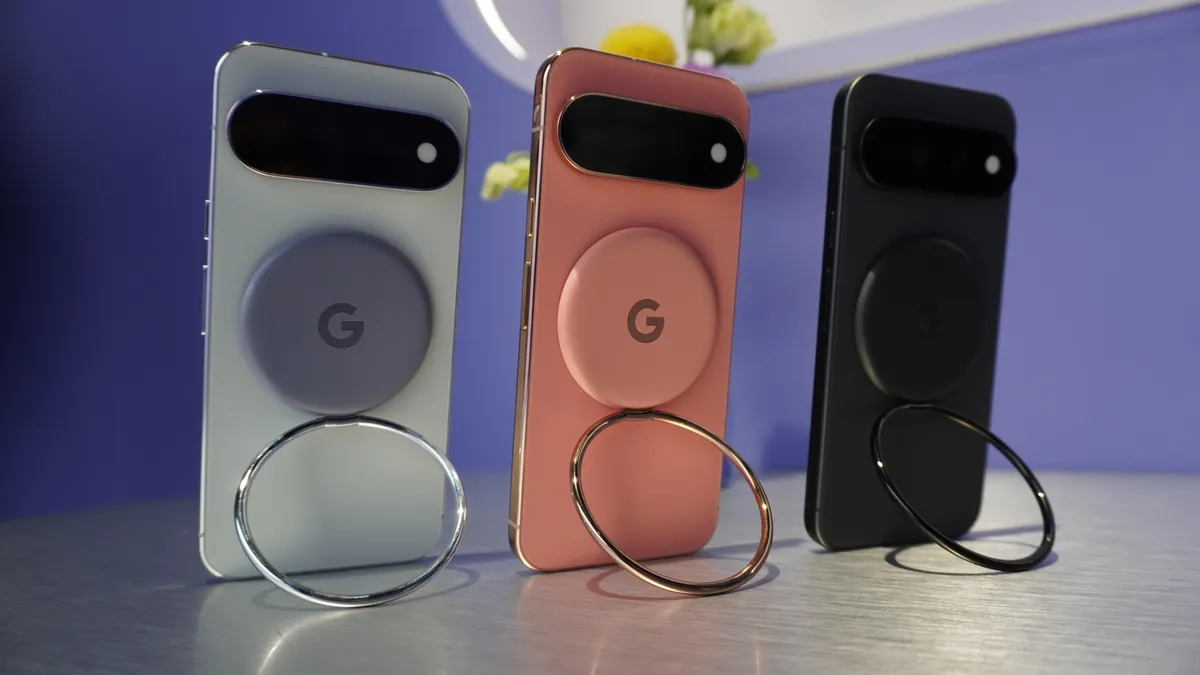
Google's first-party Pixelsnap case does one thing the others can't: it matches your Pixel 11's color exactly. That sounds minor until you've seen a coral phone in a black case.
More importantly, the case supports magnetic charging similar to Apple's MagSafe accessories. If you use a magnetic charger or car mount, you'll want a case that doesn't fight the magnets. The Pixelsnap is built for it.
ZDNET editor Kerry Wan tested the Pixelsnap line when the Pixel 10 launched. His take: "They're fairly sturdy, soft to the touch, and still very susceptible to picking up dust and lint." The silicone material feels good in hand but will show every bit of pocket debris.
Pricing runs $50 for the Pixel 11, 11 Pro, and 11 Pro XL. The Pixel 11 Pro Fold version costs $80. That's steep for a silicone case, but you're paying for the magnetic charging compatibility and exact color matching.
Trade-in deals can offset case costs
Spigen Ultra Hybrid MagFit: the $15 clear case
Spigen has built a reputation on cases that work well and cost less than the alternatives. The Ultra Hybrid MagFit continues that pattern at $15, one-third the price of Google's option.
The case is clear, so you get to show off whatever color you picked. It still supports magnetic charging. Spigen claims military-grade drop protection, which typically means it can handle a drop from four feet onto concrete without cracking your screen.
The design includes raised edges around the screen and camera lens. That means when you set the phone face-down, the glass doesn't touch the surface. It's a small detail that matters when you're placing your phone on coffee shop tables and conference room desks.
Spigen uses what it calls "anti-yellowing resin" for the clear material. Cheap clear cases turn yellow within months. Whether Spigen's resin actually solves that problem over a year or two remains to be seen, but the company has a better track record than most.
The Ultra Hybrid MagFit is available for the Pixel 11, Pixel 11 Pro, and Pixel 11 Pro XL. No Fold version yet.
Mous Super Thin Case: the minimalist option
Some people hate cases. They buy a thin, elegant phone and immediately wrap it in plastic armor. The Mous Super Thin case exists for those people.
The trade-off is obvious: less material means less protection. This case won't save your phone from a concrete drop. What it will do is add scratch protection and a bit of grip without ruining the phone's profile in your pocket.
Mous hasn't announced full pricing or availability for the Pixel 11 lineup yet, but the company's thin cases typically run $30-40. Expect similar pricing here.
Compare preorder pricing before buying accessories
Which Pixel 11 case should you buy?
The decision comes down to what you value. If you use magnetic charging and want a perfect color match, pay the $50 for the Pixelsnap. If you want magnetic charging but don't care about matching colors, the $15 Spigen gives you the same functionality at a third of the price. If you hate bulky cases and accept the risk, wait for the Mous.
One note: the Pixel 11 Pro Fold has fewer options right now. Google's $80 Pixelsnap is the only magnetic case available at launch. Spigen and Mous haven't announced Fold-compatible versions yet.
Logicity's Take
The real question isn't which case to buy. It's whether to buy one at all before you've held the phone. Google announced the Pixel 11 lineup on August 12, but the devices don't ship until August 20. Unless you're certain you want magnetic charging compatibility, consider waiting until you've used the phone for a week. You might find the Pixel 11's grip and durability are fine without a case. And if you do want protection, more options will be available by September.
Understand the Pixel 11's camera features before choosing a case that might interfere
Need Help Implementing This?
Logicity offers strategic technology consulting for companies evaluating device policies and enterprise mobile deployments. Get in touch to discuss your organization's needs.
Source: Latest news
Manaal Khan
Tech & Innovation Writer
Produced with AI assistance and reviewed by the Logicity editorial team. Learn more in our Editorial Policy.