Key Takeaways

- Unexpected Keyboard replicates full-size keyboard functionality on mobile, originally designed for Termux terminal users.
- Shizuku-based apps like Canta and ShizuWall enable root-like system modifications without actually rooting your device.
- These free, ad-free apps have gained massive traction as Android security measures make traditional rooting riskier.
Why Open-Source Android Apps Are Having a Moment
Android's open nature has always attracted developers who build tools outside the Play Store's usual commercial model. But the current wave of open-source apps is different. These aren't hobby projects or stripped-down alternatives to paid apps. They're full-featured utilities that fill gaps Google and Samsung won't touch.
Tech journalist Faisal Rasool at How-To Geek has been cataloging these apps in an ongoing series. His latest installment highlights three more tools he uses daily. They share a common trait: no ads, no subscriptions, no hidden costs. Just software that works.
Unexpected Keyboard: A Full-Size Keyboard in Your Pocket
At first glance, Unexpected Keyboard looks like any other Android keyboard. But each key hides multiple symbols accessible through swipes. Swipe up on Q to type 1. Swipe down to press Escape. Swipe right or left on the space bar to move your cursor between characters.
The arrow keys in the bottom corner respond to directional swipes. There's even a function key that brings up the entire F-row plus extra symbols. It's a full-size keyboard experience compressed into a touchscreen layout.
Why would anyone need a function row on a phone? The answer is Termux. This terminal emulator lets you run Linux commands directly on Android. It has built a large community of users who find standard Android keyboards frustrating for command-line work. Unexpected Keyboard was built specifically for them.
But it works just as well in other apps. Rasool uses it as his main keyboard. The app weighs just one megabyte. It receives regular updates. The most recent release shipped this week. Users can customize layouts, change themes, rearrange keys, and add new ones.
The Shizuku Revolution: Root Power Without Rooting
Traditional Android rooting unlocks deep system access but carries real costs. It can trip security flags, void warranties, and break banking apps. As Android security measures like Play Integrity and Samsung Knox have tightened, rooting has become riskier and less practical.
Enter Shizuku. This framework grants standard apps elevated system permissions through ADB or Wireless Debugging. No root required. No security trips. No warranty concerns. The result is root-like functionality for users who want control over their devices without the traditional trade-offs.
The numbers reflect a shift in how power users approach Android customization. A survey found that 32% of Android power users now cite non-root system modification as their primary reason for choosing Android over iOS.
“In an era of locked-down mobile ecosystems, tools like Shizuku, Canta, and ShizuWall are returning the power of the phone back to the person who bought it.”
— Faisal Rasool, Tech Journalist at How-To Geek
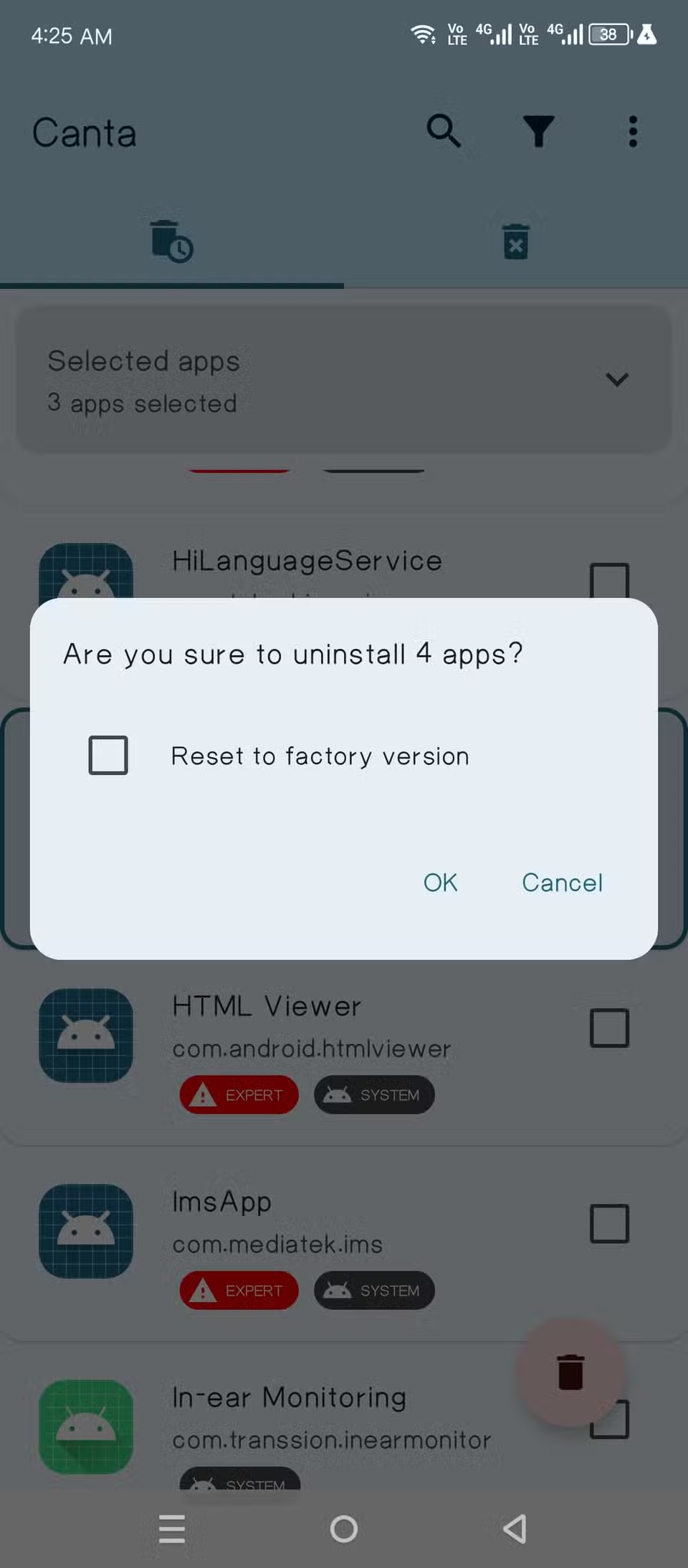
Canta: Finally Remove Samsung Bloatware
Every Samsung, Pixel, or carrier-branded phone ships with apps you can't uninstall. Some run in the background, drain battery, and consume storage. Google's official stance: deal with it.
Canta uses Shizuku to uninstall these system apps without root access. Users on Reddit report significantly improved battery life and responsiveness on mid-range devices after removing manufacturer bloatware. The app has become what many call a mandatory tool for anyone buying a non-Pixel Android phone.
ShizuWall: System-Level Firewall Control
Android's built-in data controls let you restrict background data for specific apps. But they don't give you fine-grained control over which apps can access the internet at all. ShizuWall fills that gap.
Using Shizuku permissions, ShizuWall acts as a system-level firewall. You can block any app from making network connections. Privacy-focused users can prevent analytics and telemetry from phoning home. Parents can restrict internet access for specific apps on kids' devices. All without rooting.
The Business Case for Open-Source Tools
These apps matter beyond personal use. IT teams managing Android device fleets often need to remove bloatware, control network access, or standardize keyboard layouts. Commercial mobile device management solutions charge per-device fees for similar functionality.
Open-source alternatives don't replace enterprise MDM for compliance-heavy environments. But for small businesses, startups, or teams managing a handful of devices, free tools that do the job are worth knowing about.
Another look at underutilized tools hiding in plain sight
Logicity's Take
Frequently Asked Questions
Do I need to root my Android phone to use Shizuku apps?
No. Shizuku works through ADB or Wireless Debugging, granting elevated permissions without traditional root access.
Will using Canta or ShizuWall void my warranty?
These apps don't modify your system partition or trip security flags like Knox. Your warranty should remain intact, though manufacturer policies vary.
Is Unexpected Keyboard useful if I don't use Termux?
Yes. The swipe-to-select symbols and cursor control features work in any app. Many users adopt it as their primary keyboard for faster text editing.
Where can I download these open-source apps?
Most are available on F-Droid, GitHub, or the developer's website. Some also appear on the Play Store.
Are open-source Android apps safe to install?
Generally yes, especially those with active communities and transparent code. Check the project's GitHub for recent activity and user feedback before installing.
Need Help Implementing This?
Source: How-To Geek
Huma Shazia
Senior AI & Tech Writer
Produced with AI assistance and reviewed by the Logicity editorial team. Learn more in our Editorial Policy.