Key Takeaways
- Wireshark captures detailed packet data but requires expertise to interpret
- TCPView shows real-time connections but lacks blocking capabilities
- GlassWire combines visibility with actionable control over network traffic
A tech journalist tested three free network monitoring apps to find out what was consuming bandwidth on a crowded home network. After trying Wireshark, TCPView, and GlassWire, only one tool offered both visibility and the ability to actually block suspicious connections. The verdict: raw data is useless without context, and most free tools give you one but not the other.
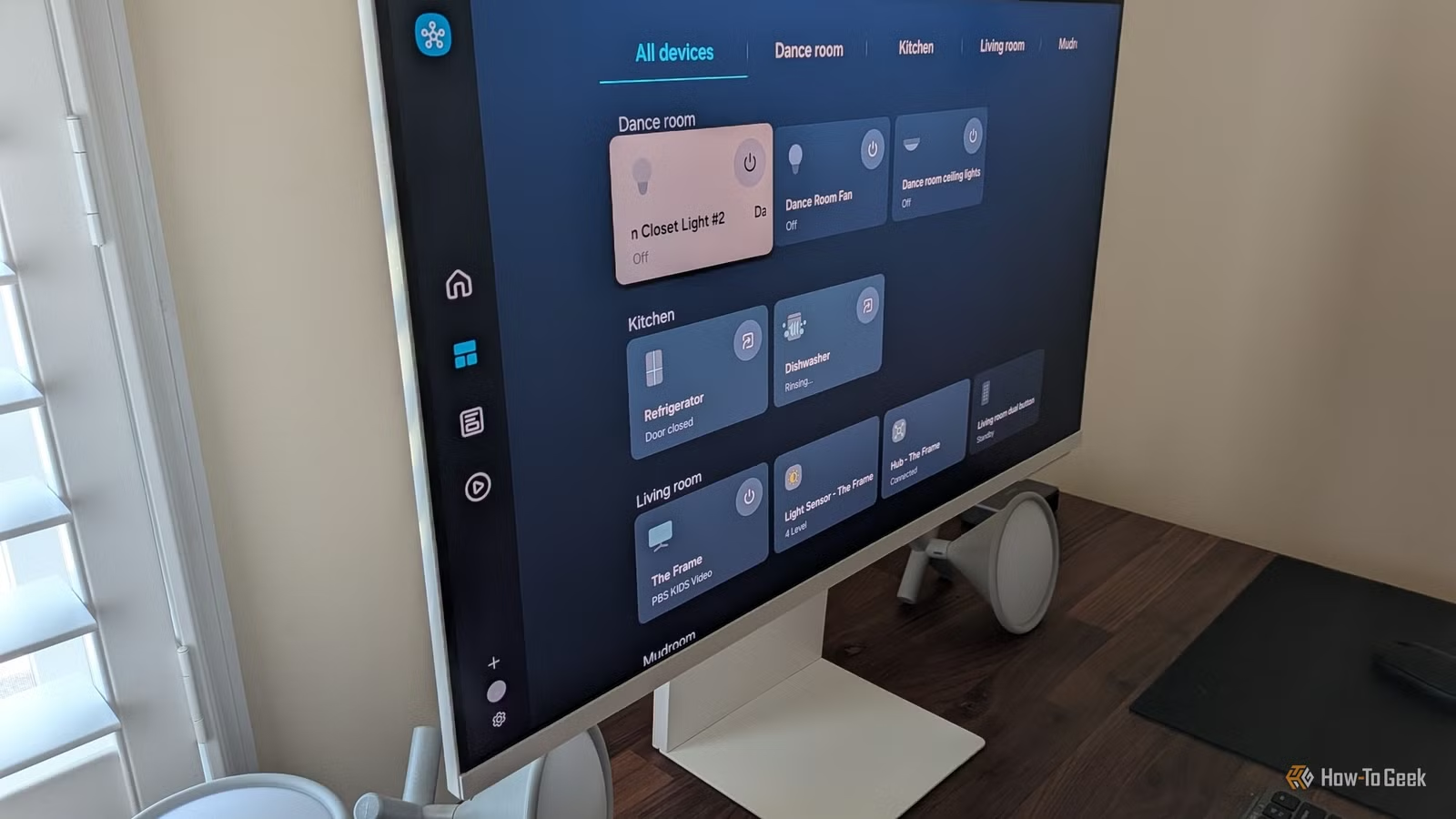
The test came from a real problem. With multiple Roku TVs, an Xbox, Alexa speakers, Fire TV Sticks, iPads, phones, four PCs, a Mac for music production, and connected music gear like a Kemper Player, the author's home network had grown beyond what simple router dashboards could track. The question wasn't whether something was using bandwidth. It was what, why, and whether it could be stopped.
Why Wireshark failed the usability test
Wireshark was the first tool tested, and it did exactly what its reputation promised. It captured packets, protocols, addresses, ports, and timing data in granular detail. For network engineers and security analysts, this depth is the point.
But for someone who just wants to know why their connection is slow at 9 PM, Wireshark presents a wall of data that takes real expertise to interpret. The author found himself "impressed by how much Wireshark can show you, but overwhelmed by how much work it takes to make sense of it."
This is the fundamental tension in network monitoring tools. Powerful packet capture is not the same as an easy answer. If you need to diagnose a specific protocol issue or investigate a security incident, Wireshark remains the gold standard. If you want to see which app is eating your upload bandwidth and block it, you need something else.
TCPView: visibility without action
Microsoft's TCPView, part of the Sysinternals suite, offers a middle ground. It shows real-time TCP and UDP connections with process names, remote addresses, and connection states. The interface is cleaner than Wireshark's, and you can quickly see which applications are making network requests.
The limitation is control. TCPView lets you close a connection, but it can't prevent the application from reconnecting. It also doesn't provide historical data or alerts. You see what's happening now, but you can't act on patterns over time or automatically block repeat offenders.
GlassWire: the one that lets you take control
GlassWire emerged as the winner because it combines monitoring with action. The free version shows which applications are using your connection, where they're connecting, and how much bandwidth they consume over time. The interface groups traffic by application, making it easy to spot something unexpected.
The paid version adds a firewall that lets you block specific applications with one click. This is the gap the other tools leave open: seeing that something is using your connection is only useful if you can do something about it.
GlassWire also provides alerts when new applications access the network, which helps catch unexpected behavior from recently installed software or updates that change an application's network activity.
What most people actually need from network monitoring
The real insight from this test isn't which app won. It's that most people's needs don't match what most network tools provide. Enterprise monitoring solutions track uptime and throughput. Security tools capture packets for forensic analysis. Neither is designed for someone who just wants to know why their video call stutters every time their teenager gets home from school.
The ideal home network monitor needs three things: visibility into what's connecting, context about whether that's normal, and control to change it. Wireshark provides the first. TCPView adds some of the second. GlassWire delivers all three, though full control requires paying for the premium tier.
| Tool | Visibility | Ease of Use | Control | Price |
|---|---|---|---|---|
| Wireshark | Excellent | Difficult | None | Free |
| TCPView | Good | Moderate | Limited | Free |
| GlassWire | Good | Easy | Full (paid) | Free/Premium |
When to use each tool
Wireshark remains the right choice for diagnosing specific network problems, analyzing security incidents, or learning how protocols actually work. If you need to see the exact packets crossing your network interface, nothing else compares.
TCPView fits quick checks when you suspect a specific application is misbehaving. It's lightweight, requires no installation, and shows active connections immediately.
GlassWire makes sense for ongoing monitoring of a home or small office network where you want alerts about new network activity and the ability to block applications that shouldn't be phoning home.
Another story about using old tech tools to uncover hidden digital activity
Logicity's Take
The market gap here is obvious. Router manufacturers could solve this problem at the network level, showing all devices and letting users throttle or block them from a single dashboard. Some mesh systems like Eero and Google Wifi have started adding these features, but they're still primitive compared to what a $20 app provides on a single PC. The real competition isn't between these three tools. It's between endpoint monitoring and network-level monitoring, and neither side has built the definitive solution yet.
Frequently Asked Questions
Is GlassWire completely free?
GlassWire offers a free version with monitoring features, but the firewall functionality that lets you block applications requires a paid subscription.
Can Wireshark see traffic from other devices on my network?
By default, Wireshark only captures traffic on the computer where it's installed. Monitoring other devices requires network configuration changes like port mirroring or running Wireshark on your router.
Does TCPView work on Mac or Linux?
TCPView is Windows-only. Mac users can use the built-in Activity Monitor's Network tab or third-party alternatives like Little Snitch. Linux users have netstat, ss, or graphical options like nethogs.
Will these tools slow down my internet connection?
No. These tools passively monitor existing traffic rather than routing it through additional software. The performance impact is negligible on modern hardware.
Can I use these tools to monitor my entire home network?
These tools monitor individual computers, not networks. For whole-network monitoring, you need router-level solutions like Pi-hole, pfSense, or commercial options from Firewalla or Fingbox.
Need Help Implementing This?
Setting up network monitoring across multiple devices or integrating it with your existing security stack? Logicity can connect you with network security consultants who specialize in home office and small business deployments. Contact our advisory team for recommendations tailored to your setup.
Source: How-To Geek
Manaal Khan
Tech & Innovation Writer
Produced with AI assistance and reviewed by the Logicity editorial team. Learn more in our Editorial Policy.