Key Takeaways
- The 2027 i7 packs a 112.4kWh battery (up from 105.7kWh) with over 350 miles of range
- Charging speeds jump to 250kW with a native NACS port for Tesla Supercharger access
- Three trims available: i750 at $105,750, i760 at $126,250, and M70 with 680hp coming later
The luxury EV sedan market keeps shrinking. Tesla killed the Model S refresh. Mercedes is winding down its EQ line. That leaves buyers with few options: the Lucid Air, Cadillac Celestiq, maybe a Porsche Taycan if you squint at the definition of "sedan."
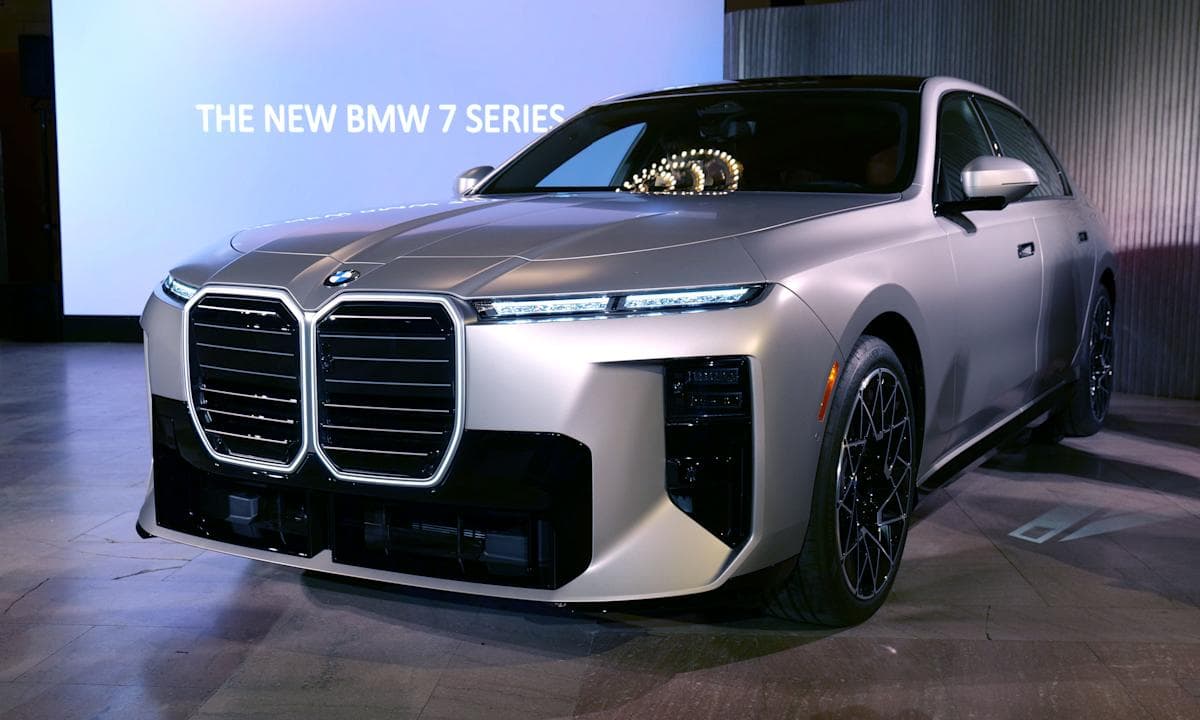
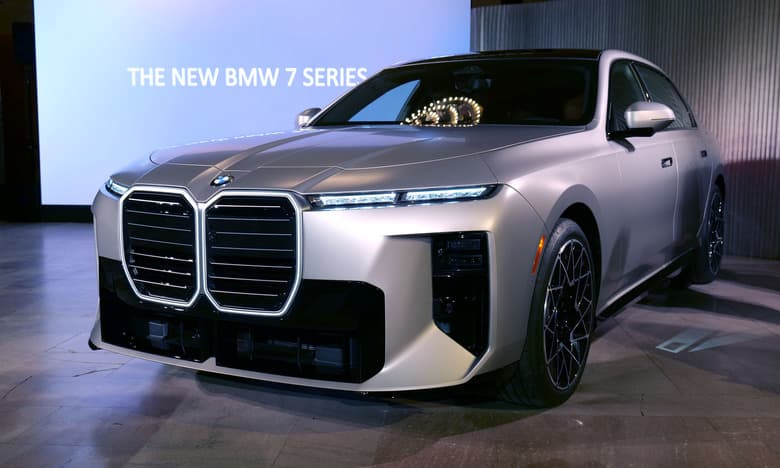
BMW disagrees with the obituary writers. The company just unveiled its 2027 7-series lineup at Grand Central Station in New York, and the electric i7 variant comes with meaningful upgrades that address the two biggest EV complaints: range anxiety and charging speed.
Bigger Battery, Faster Charging
The headline number is the battery pack. BMW stuffed a 112.4kWh unit into the new i7, up from 105.7kWh in the outgoing model. That extra capacity comes from BMW's sixth-generation battery cells, and it translates to more than 350 miles of range on the i760 trim. BMW based that estimate on internal testing using EPA procedures, so expect official numbers to land somewhere close.
Charging speed gets a serious bump too. The 2027 i7 supports 250kW DC fast charging, up from 195kW. That takes the battery from 10% to 80% in about 28 minutes. The car uses a 400-volt architecture rather than the 800-volt systems in some competitors, but BMW clearly optimized what they have.
Perhaps more important for American buyers: the i7 now has a native NACS port. No adapter needed for Tesla Superchargers. Given Tesla's charging network dominance in the US, this removes a real-world friction point for potential owners.
Three Trims, Three Power Levels
BMW will sell the i7 in three flavors. The i750 xDrive starts at $105,750 and delivers 455 horsepower from its dual-motor all-wheel-drive setup. Step up to the i760 xDrive at $126,250, and you get 544 horsepower.
The range-topper is the i7 M70 xDrive, which pushes 680 horsepower through the same AWD system. BMW hasn't announced pricing for the M70, and it won't arrive until sometime in 2027. The i750 and i760 will hit dealers later this year.
Every trim gets the dual-motor AWD drivetrain as standard. No rear-wheel-drive base model here. BMW is positioning this as a proper luxury flagship, not a compliance car.
Design: Electric Look, Gas Bones
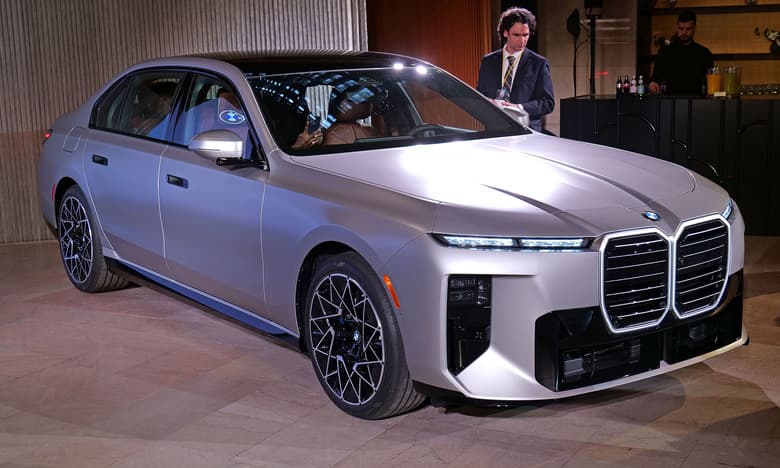
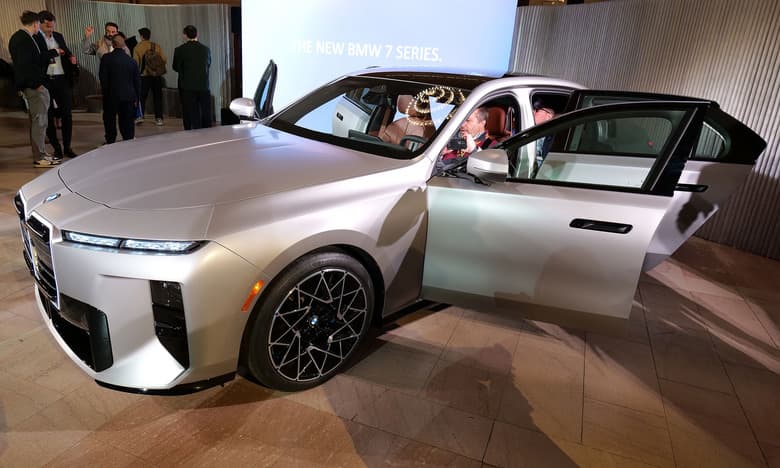
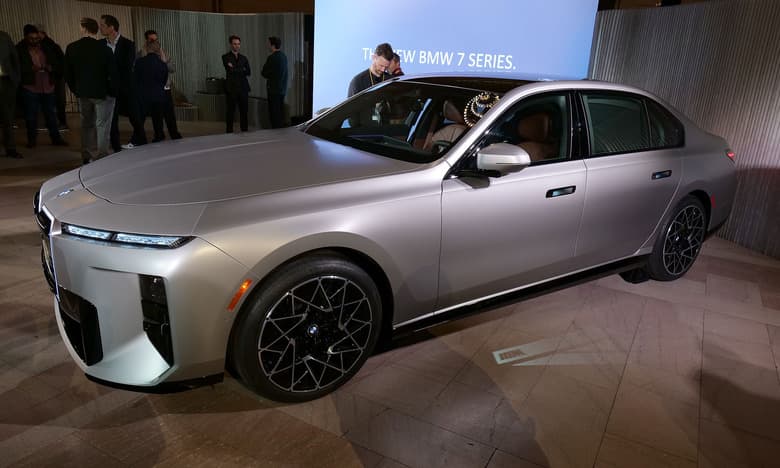
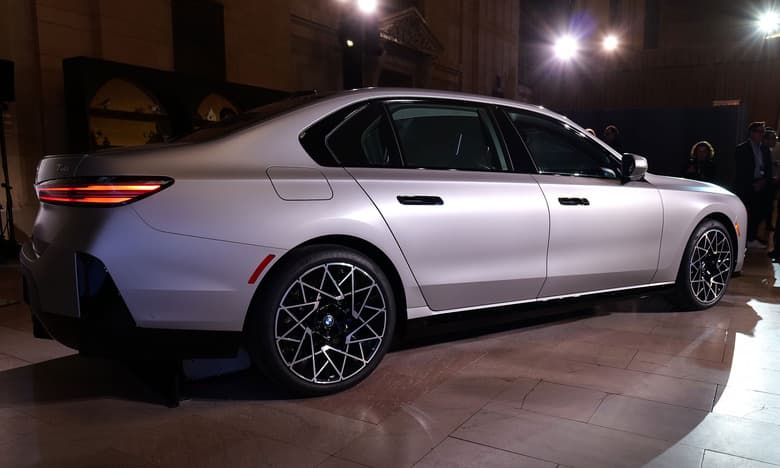
Here's an interesting detail from the reveal. Grand Central Station's building regulations wouldn't allow BMW to bring an actual EV inside, so the company displayed a gas-powered 740 instead. BMW says the cosmetic differences between ICE and EV models are minor, with the main distinctions living in the powertrain.
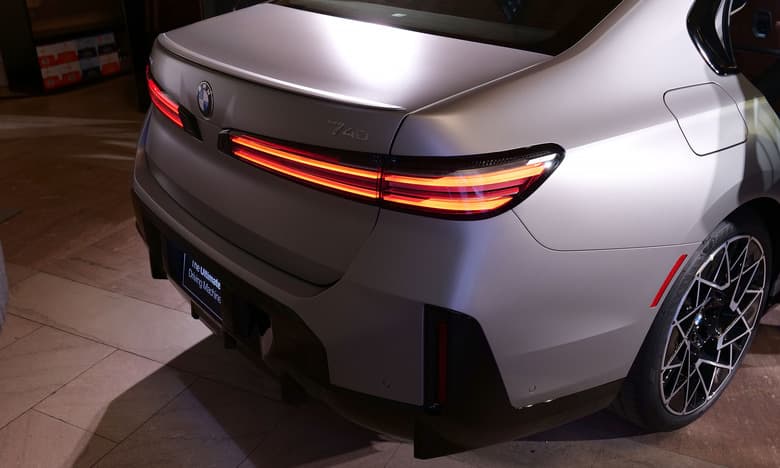
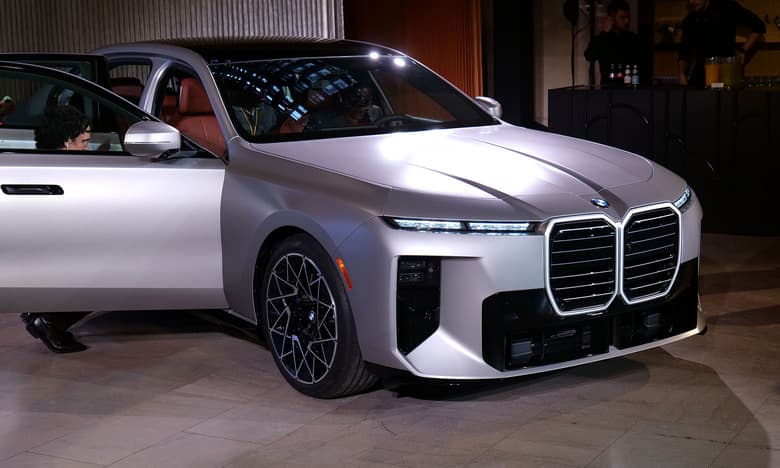
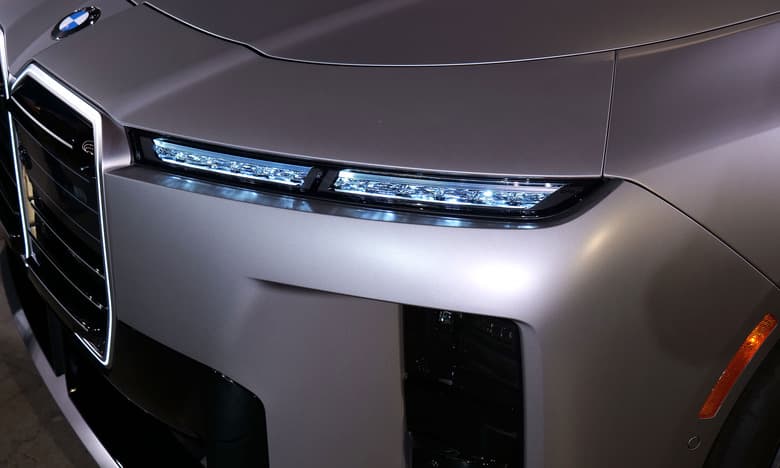
The new 7-series actually looks more like an EV than a traditional gas car. Recessed door handles and a refined grille give it that aerodynamic, tech-forward appearance that buyers associate with electric vehicles. BMW also extended the taillights on the 2027 models to create a more distinctive rear profile.
Interior Tech for the Back Seat
BMW designed this car for people who sit in the back. The 7-series has always been a chauffeur-class vehicle, and the 2027 model leans into that identity. The rear cabin gets screens, controls, and comfort features that turn the back seat into a mobile office or entertainment lounge.
The dashboard continues BMW's recent design language with large, integrated displays. The steering wheel and center console emphasize clean lines over button-heavy interfaces. It's a tech-forward cabin that should appeal to buyers who want their car to feel as modern as their phone.
Market Context
BMW's timing matters. With Tesla stepping back from the luxury sedan space and Mercedes restructuring its EV lineup, the i7 has fewer direct competitors than it did three years ago. The Lucid Air remains the range champion. The Cadillac Celestiq targets ultra-luxury buyers at a much higher price point. The Porsche Taycan is really a sport sedan.
That leaves BMW in an interesting position. The i7 isn't trying to be the fastest, longest-range, or cheapest option. It's trying to be the most complete package for buyers who want an electric luxury sedan with a full dealer network, established brand, and mature ownership experience.
Another premium product making design and pricing choices
What BMW Hasn't Said Yet
A few gaps remain in BMW's announcement. The company is still waiting to officially debut the iX3 in the US market, suggesting more electric models are coming. M70 pricing remains unknown. And the 350-mile range claim uses internal testing rather than official EPA certification, so real-world numbers could shift.
The i750 and i760 will arrive at dealers later this year. If you want the full 680-horsepower M70 experience, plan to wait until 2027.
Logicity's Take
Frequently Asked Questions
How much does the 2027 BMW i7 cost?
The i750 xDrive starts at $105,750, while the i760 xDrive costs $126,250. Pricing for the i7 M70 xDrive hasn't been announced yet.
What is the range of the 2027 BMW i7?
BMW claims the i760 will deliver more than 350 miles on a single charge, based on internal testing using EPA procedures. Official EPA certification numbers aren't available yet.
Does the 2027 BMW i7 have a Tesla charging port?
Yes, the 2027 i7 features a native NACS (North American Charging Standard) port, allowing direct access to Tesla Superchargers without an adapter.
How fast can the 2027 BMW i7 charge?
The i7 supports 250kW DC fast charging, which takes the battery from 10% to 80% in approximately 28 minutes.
When will the 2027 BMW i7 be available?
The i750 and i760 trims will arrive at dealers later this year. The high-performance i7 M70 will come later, most likely in 2027.
Need Help Implementing This?
Manaal Khan
Tech & Innovation Writer
Produced with AI assistance and reviewed by the Logicity editorial team. Learn more in our Editorial Policy.