Key Takeaways
- The 2026 Nissan Rogue achieves 32 MPG combined without hybrid assistance, using a 1.5L VC-Turbo engine
- Nissan has recalled over 730,000 Rogue vehicles due to engine bearing and throttle body defects
- The automaker extended powertrain warranties to 10 years/120,000 miles to address reliability concerns
The 2026 Nissan Rogue delivers 32 MPG combined without a hybrid system, battery pack, or plug. It does this with a 1.5-liter turbocharged three-cylinder engine that physically adjusts its compression ratio on the fly. The trick is impressive. The catch: Nissan has recalled more than 730,000 Rogue vehicles in recent years for catastrophic engine failures tied to this same technology.
For SUV buyers who want simplicity, the Rogue's proposition is compelling. No charging infrastructure to worry about. No expensive battery to replace in eight years. No hybrid complexity. Just gasoline and 464 miles of range per tank. But the reliability questions hanging over Nissan's Variable Compression Turbo platform are hard to ignore.
How does the Rogue hit 32 MPG without a battery?
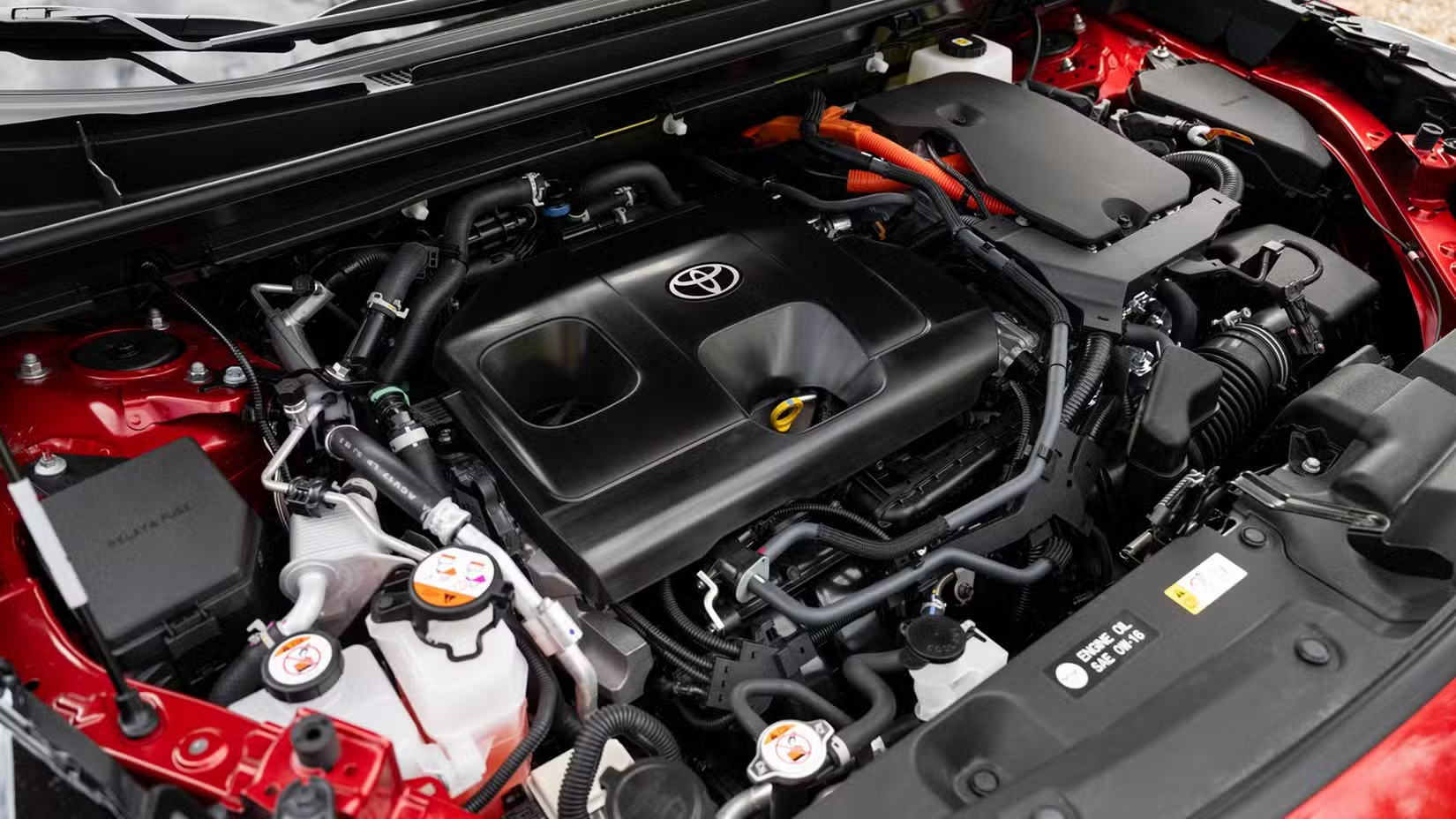
The engine is the star. Nissan's VC-Turbo uses a multi-link mechanism that physically changes the piston stroke, allowing the compression ratio to shift between 8:1 (for power) and 14:1 (for efficiency). When you're cruising on the highway, the engine runs lean and efficient. When you floor it, compression drops and boost increases.
This isn't software trickery. The engine mechanically reconfigures itself hundreds of times per drive. The result: 201 horsepower and 225 pound-feet of torque from a tiny 1.5-liter three-cylinder, paired with EPA ratings of 30 city, 37 highway, and 33 combined MPG in front-wheel-drive configuration.
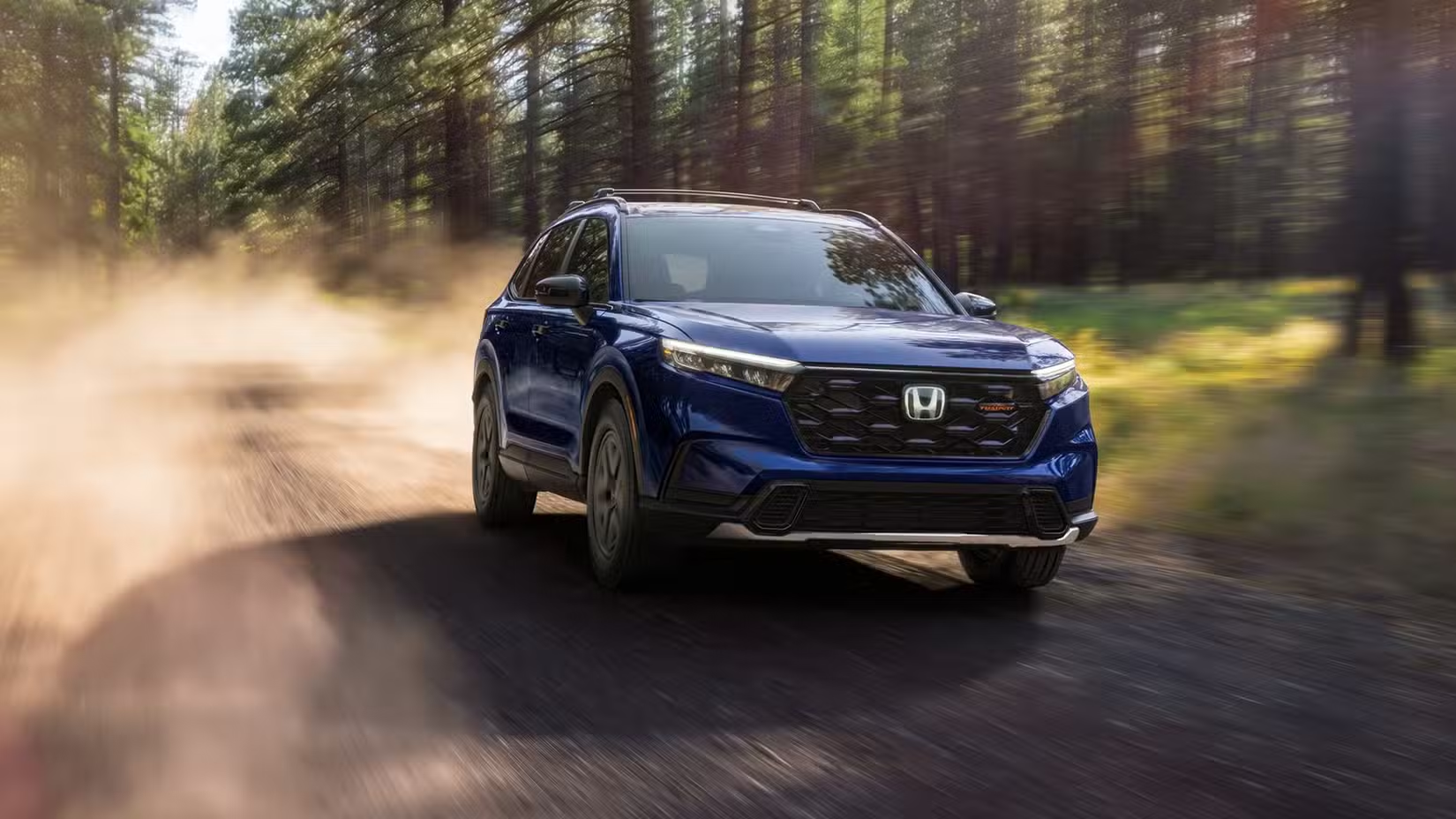
"The Rogue proves you don't always need a bulky, complex hybrid system to achieve top-tier fuel efficiency if your core engine technology is engineered for high-precision thermal management," wrote Adam Gray, automotive journalist at How-To Geek.
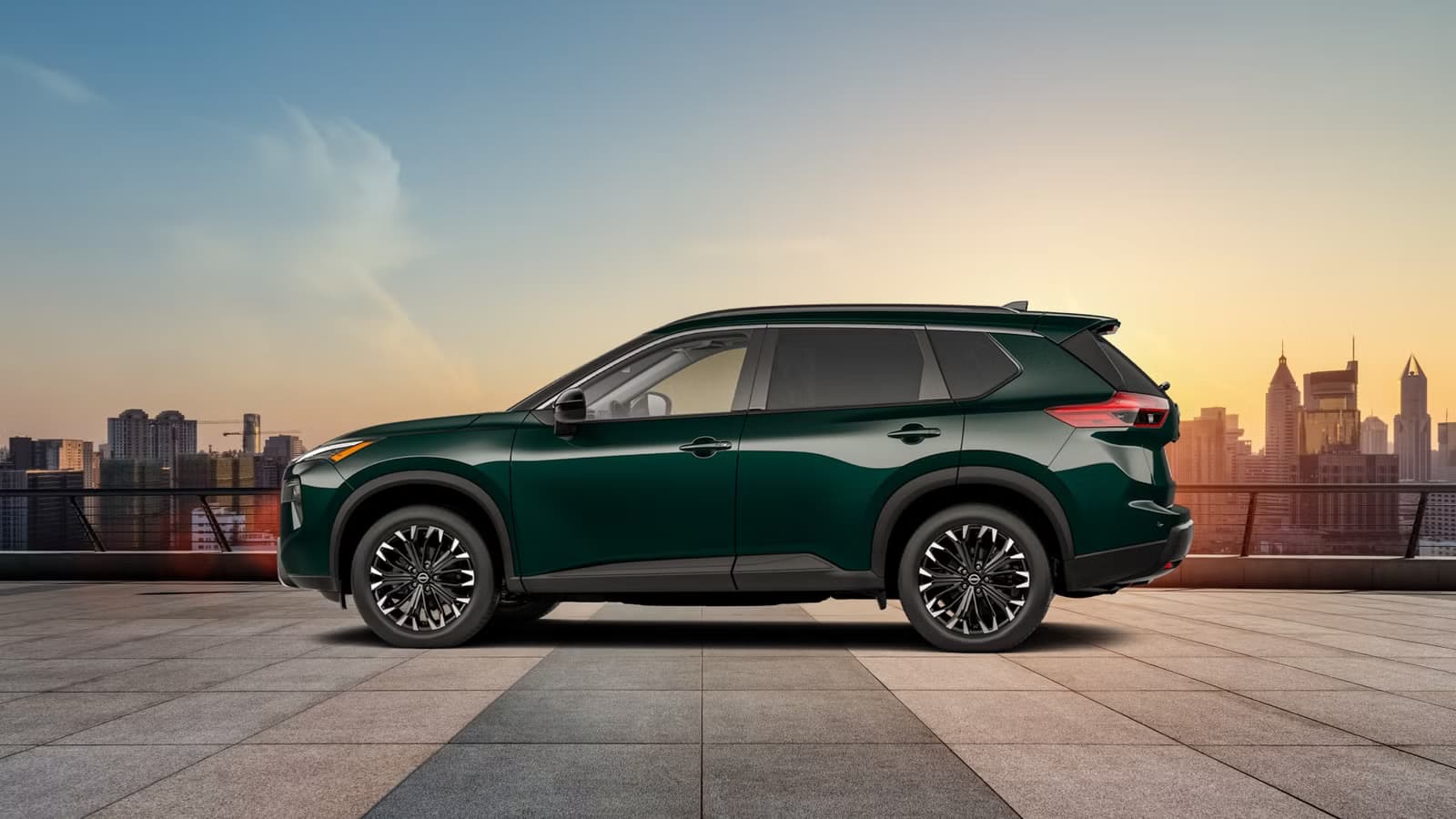
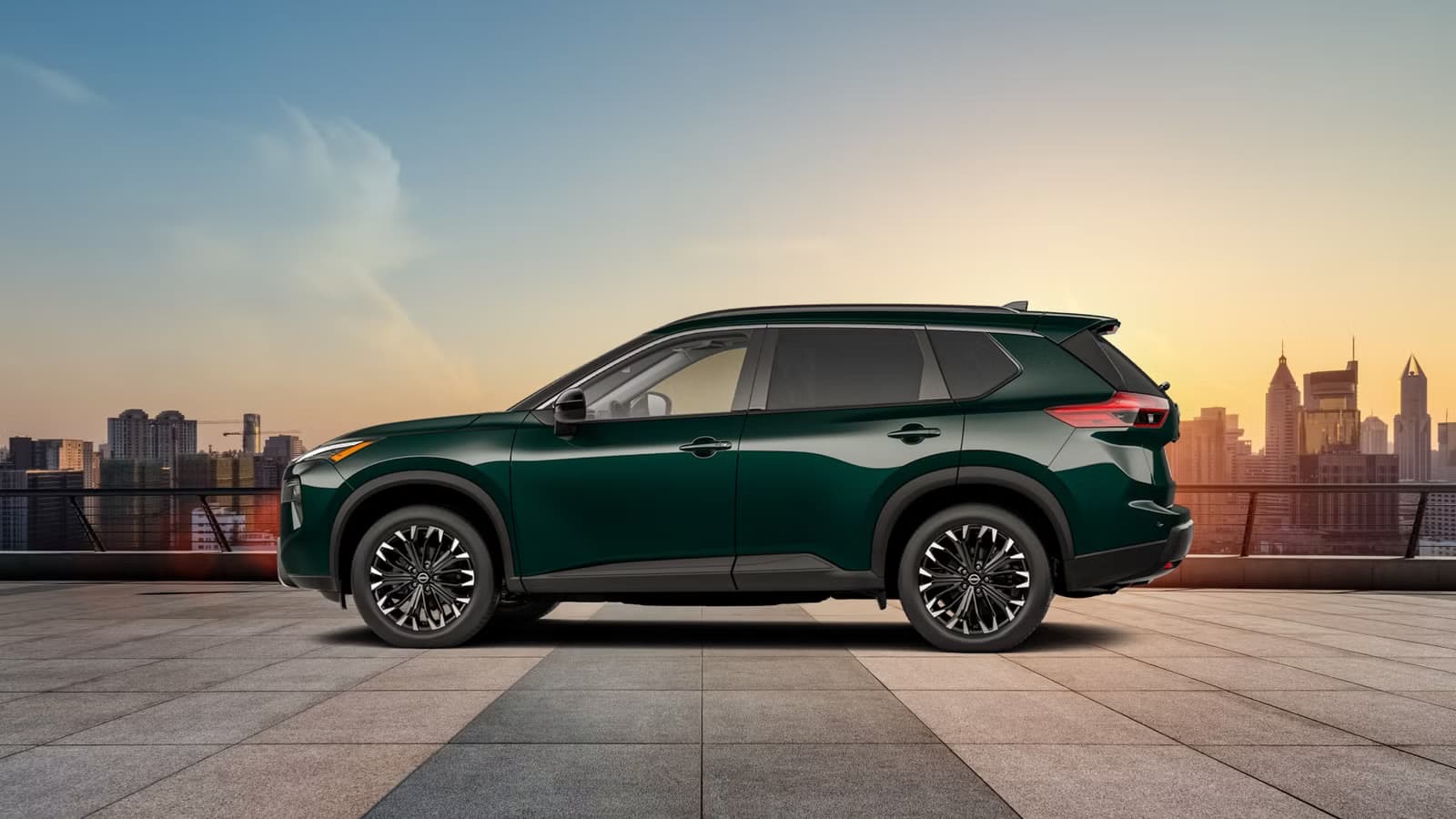
The base 2026 Rogue starts at $28,790. Add the new Dark Armor trim if you want the blacked-out aesthetic, but mechanically the lineup is unchanged from 2025. A CVT handles shifting duties. Front-wheel drive is standard, with all-wheel drive optional.
Why are 730,000 Rogues under recall?
The VC-Turbo's mechanical complexity comes at a cost. Since 2023, Nissan has issued recalls covering engine bearing failures and throttle body defects across multiple Rogue model years. The engine bearings, when they fail, can cause catastrophic internal damage. Owners have reported sudden power loss, loud knocking, and vehicles entering "limp mode" on highways.
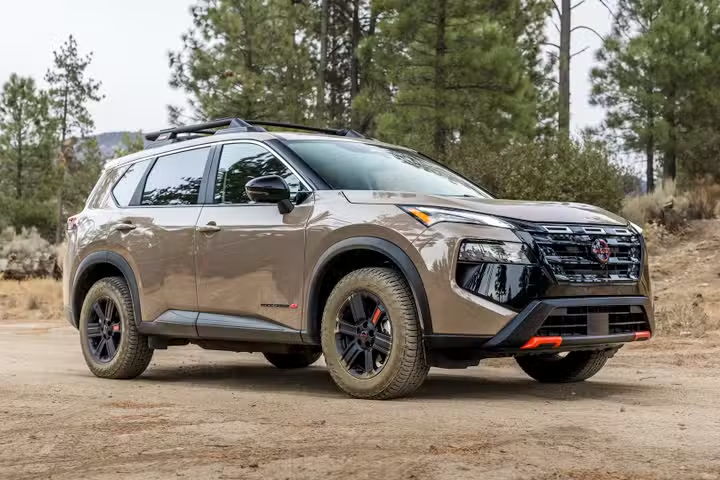
Nissan's response: an extended powertrain warranty covering 10 years or 120,000 miles on affected VC-Turbo engines. "We are committed to addressing the engineering challenges of the VC-Turbo platform and supporting our owners with enhanced long-term warranty coverage," a Nissan spokesperson stated.
Community reaction has been polarized. On Reddit's r/Nissan and r/cars forums, enthusiasts praise the engineering ambition behind variable compression. But owners who've experienced failures are vocal. The consensus: a high-boost three-cylinder engine with this many moving parts represents a long-term gamble.
How does the Rogue compare to hybrid rivals?
The obvious competitors are hybrid versions of the Toyota RAV4 and Honda CR-V. Both deliver better combined MPG figures. The RAV4 Hybrid hits 41 MPG combined. The CR-V Hybrid manages 40. But they cost more upfront and carry battery packs that add weight and eventual replacement costs.
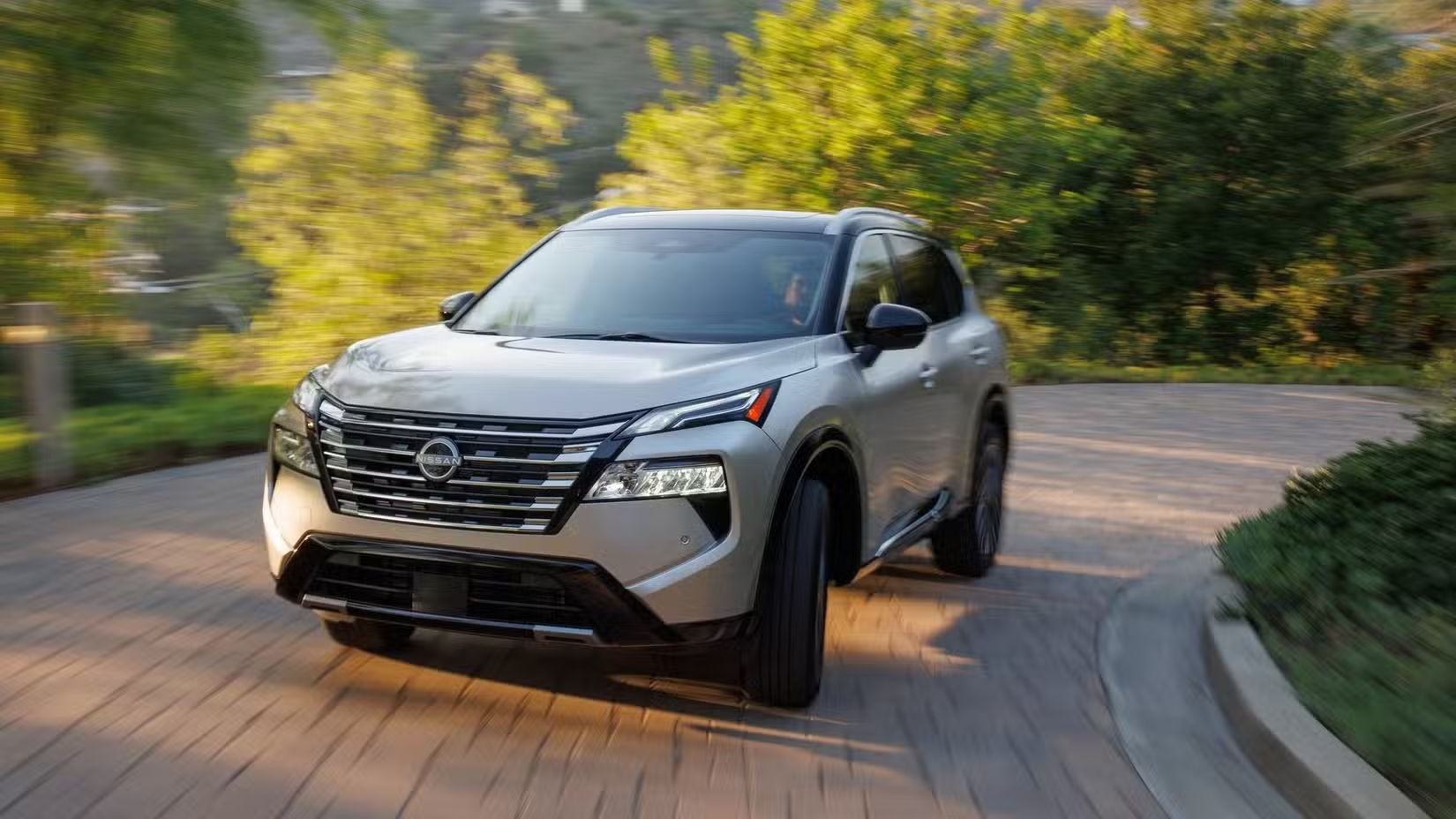
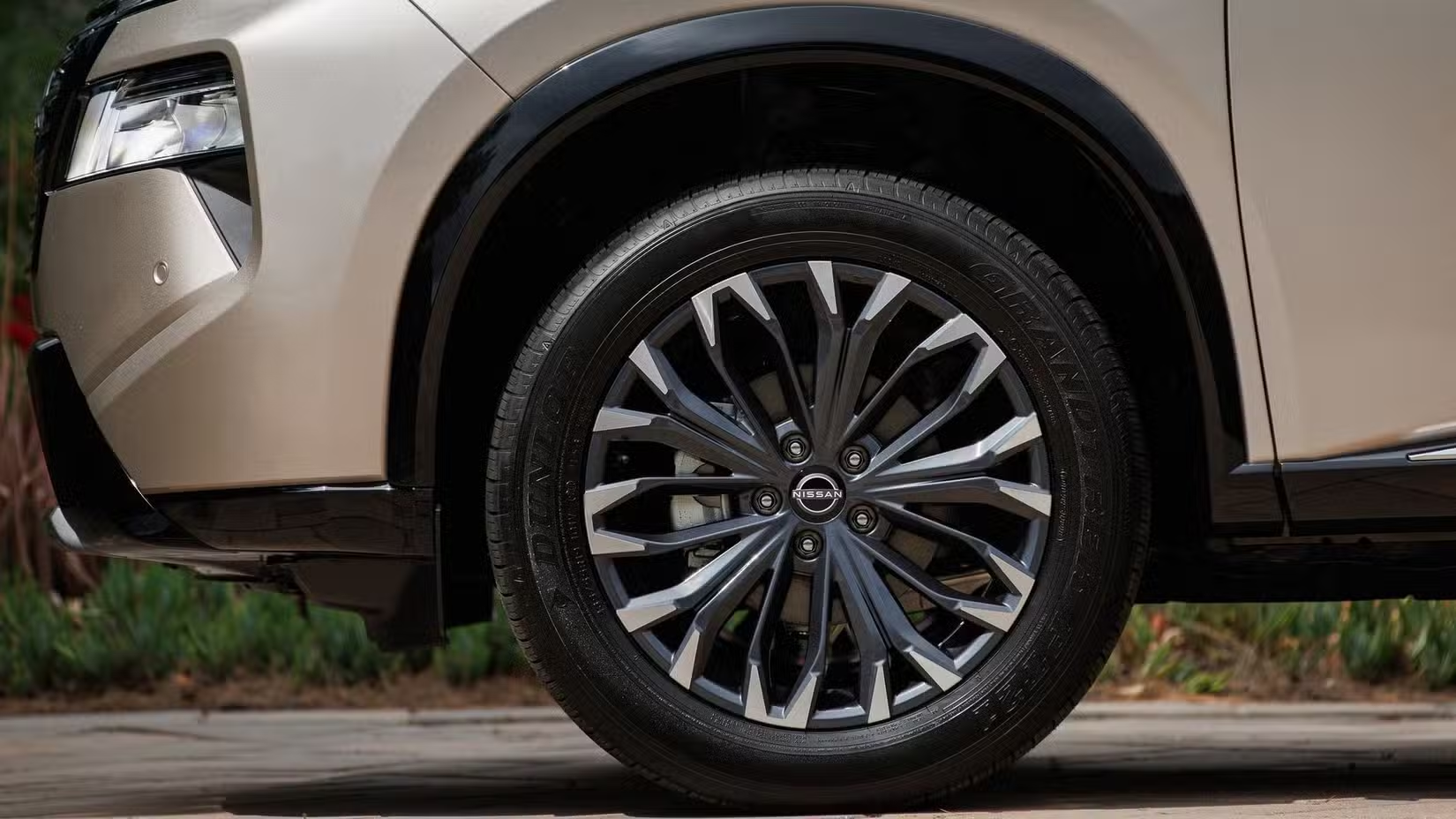
The Rogue's argument isn't that it beats hybrids on pure efficiency. It's that 32 MPG from a simple gas engine, at a lower purchase price, might be enough for buyers who distrust electrification or don't want to deal with hybrid maintenance down the road.
That argument weakens considerably when you factor in the VC-Turbo's reliability track record. A simpler engine that fails isn't simpler at all.
Where is Nissan headed next?
Nissan appears to be hedging its bets. The company is pivoting toward rebadged plug-in hybrid models and its proprietary e-Power system, which uses a gas engine solely to charge batteries that drive electric motors. This approach sidesteps the mechanical complexity of variable compression while offering electrification benefits.

For the 2026 Rogue specifically, though, the VC-Turbo remains the only powertrain option. Buyers who want the fuel economy have to accept the engine.
Another case where simpler technology is making a comeback against complex alternatives
Should you buy one?
The 2026 Rogue is a genuinely clever vehicle. The VC-Turbo engine represents real engineering innovation, not marketing spin. Achieving hybrid-adjacent fuel economy without hybrid hardware is a legitimate accomplishment.
But innovation isn't the same as reliability. With 730,000 vehicles recalled and ongoing owner complaints about engine failures, the Rogue demands a longer warranty evaluation period before it can be recommended without reservation. Nissan's 10-year/120,000-mile extended coverage helps, but it also signals that the company knows it has a problem.
For buyers who prioritize fuel economy above all else, a Toyota RAV4 Hybrid or Honda CR-V Hybrid remains a safer bet despite the higher price. For those who specifically want to avoid electrification, the Rogue is one of the few options that can actually deliver on efficiency claims. Just make sure you understand what you're signing up for.
Logicity's Take
Nissan's VC-Turbo technology is genuinely innovative, a mechanical solution to a problem most automakers solve with batteries. But the recall numbers tell a story the MPG figures don't. We'd wait at least two model years to see if the 2026 engine addresses the bearing and throttle issues that plagued earlier units. The extended warranty is reassurance, but it's also an admission.
Frequently Asked Questions
What engine does the 2026 Nissan Rogue use?
The 2026 Rogue uses a 1.5-liter turbocharged three-cylinder VC-Turbo engine producing 201 horsepower and 225 pound-feet of torque, paired with a CVT transmission.
Why has Nissan recalled so many Rogue vehicles?
Nissan recalled over 730,000 Rogue vehicles due to engine bearing failures and throttle body defects in the VC-Turbo engine, which can cause sudden power loss and catastrophic engine damage.
Is the 2026 Nissan Rogue more fuel efficient than a hybrid SUV?
No. The Rogue's 32 MPG combined is impressive for a gas-only SUV but trails the Toyota RAV4 Hybrid (41 MPG) and Honda CR-V Hybrid (40 MPG). Its advantage is simpler technology at a lower price.
What warranty does Nissan offer on the VC-Turbo engine?
Nissan extended the powertrain warranty to 10 years or 120,000 miles on affected VC-Turbo engines to address reliability concerns from earlier model years.
How much does the 2026 Nissan Rogue cost?
The 2026 Nissan Rogue starts at $28,790 for the base trim with front-wheel drive.
Need Help Implementing This?
If you're evaluating fleet vehicles or need guidance on total cost of ownership calculations for hybrid vs. gas-only SUVs, reach out to our team at Logicity for sourcing recommendations and procurement analysis.
Source: How-To Geek
Huma Shazia
Senior AI & Tech Writer
Produced with AI assistance and reviewed by the Logicity editorial team. Learn more in our Editorial Policy.