Key Takeaways

- WIRED and Architectural Digest's joint 2026 issue reframes 'home' around climate resilience and affordability, not gadget density.
- Designers report growing client demand for analog features like working landlines and tech-free nooks.
- Sustainable materials like compressed earth, bamboo, and fire-resistant timber are replacing high-tech construction in resilient designs.
WIRED and Architectural Digest have released a joint digital issue arguing that the future of home is less about smart speakers and more about surviving rising tides. The collaboration, led by global editorial directors Katie Drummond (WIRED) and Amy Astley (AD), explicitly rejects the gadget-stuffed vision that dominated home design conversations for the past decade.
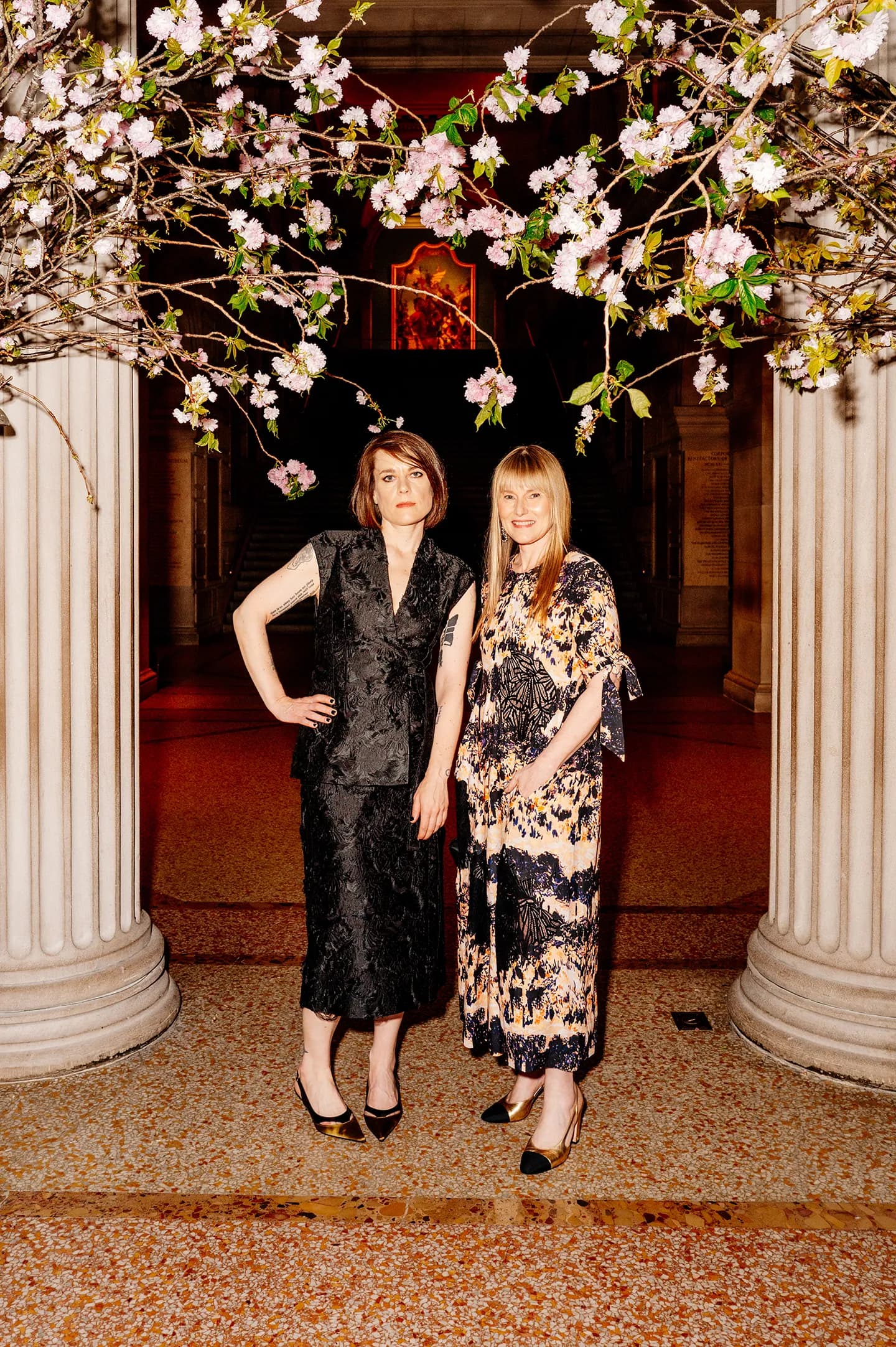
The central thesis is blunt: the smart home promise failed. Drummond puts it plainly in the issue's editors' letter: 'The promise of a smart home, where you walk in and everything auto-adjusts to your preferences, is still a dream.' Instead of chasing that dream, both publications are pivoting coverage toward what readers actually want. Climate safety. Affordability. And increasingly, less technology rather than more.
Why are homeowners choosing analog over smart?
Jill Kargman's essay in the issue makes the case for opting out entirely. Designers told the publications their clients now request working landline phones and dedicated spaces to disconnect. Ten design professionals surveyed for the issue predict homes will become 'calmer, with nooks for homeowners to disconnect.'
This tracks with broader sentiment. Reddit discussions in r/Architecture and r/InteriorDesign have grown increasingly hostile toward the 'perfect, minimalist' tech homes featured in shelter magazines. Users describe them as 'mind-numbingly dull' and 'tone-deaf' given the affordability crisis most buyers face.
Astley frames this shift as a professional evolution: 'Designers increasingly see themselves as the ones who can bring the human touch back to interiors.' The luxury market, she suggests, now defines itself by absence. 'Maybe the ultimate luxury is less technology instead of more.'
Climate resilience replaces smart home hype
The issue profiles Olson Kundig's Shearwater house, a structure suspended on steel columns 23 feet above ground level. Architect Tom Kundig jokes it sits 'above even the mosquitos,' but the design exists because of rising tides, not aesthetics. Resilient design, Astley notes, 'used to sound extreme, and now it's essential.'
Architects globally are returning to pre-industrial materials. Elizabeth Fazzare reports that compressed earth, bamboo, and fire-resistant timber now dominate resilient construction projects. Eighty percent of design professionals surveyed identify natural, untreated wood as a top construction material for 2025.
This isn't anti-technology posturing. It's practical response to insurance markets, material costs, and climate projections. The future, as the issue frames it, 'may be in reimagining what we already know works.'
What role does tech still play in the home?
The publications aren't advocating for Luddism. Instead, they distinguish between visible and invisible technology. The ideal, per the issue, is tech that 'enhances well-being without dominating the aesthetic.' Sensors, speakers, and screens should disappear into walls and furniture, not announce themselves.
The issue's most uncomfortable piece examines aging in place. Steven Blum writes about monitoring his elderly father through an always-on microphone. The essay doesn't resolve the tension between safety and surveillance. How much privacy are families willing to sacrifice for security? Blum doesn't answer. Neither does the issue.
Drummond frames this as the central question for home technology going forward: 'How far are we willing to go to feel secure? How much of our privacy, or our family's privacy, are we willing to potentially compromise?'
Affordability emerges as the core demand
When WIRED surveyed readers globally about what 'home' means to them, one theme dominated: people want homes they can afford. The smart-home-as-status-symbol era appears to be closing. Readers expressed more concern about budgets and climate safety than about voice assistants or automated lighting.
Sixty-two percent of top designers now source antiques and vintage pieces, reflecting circular design trends that prioritize reuse over new manufacturing. This shift serves both aesthetic preferences and economic realities.
The issue also profiles Stewart Brand, author of The Whole Earth Catalog, now 87 and living in an eco-home in Petaluma, California, designed specifically for aging in place. His home represents a synthesis: state-of-the-art sustainable construction, minimal visible technology, built for a long lifespan in both senses.
Where does this leave the smart home industry?
The joint issue doesn't explicitly address industry implications, but the editorial stance is clear. The publications that spent years covering Nest thermostats and Ring doorbells now argue the category overreached. The question isn't whether homes will contain technology. They will. The question is whether that technology will remain visible, demanding, and central to the home's identity.
For the WIRED and AD editorial teams, the answer is no. The future of home is quieter, more resilient, and potentially less connected than the recent past.
A practical example of invisible, affordable home tech that prioritizes function over flash.
Frequently Asked Questions
What is the WIRED and Architectural Digest 'Future of Home' collaboration?
A joint digital issue released in June 2026 exploring how climate change, affordability concerns, and evolving technology are reshaping residential design priorities away from gadget-centric smart homes.
Why are designers recommending analog features over smart home tech?
Client demand has shifted toward calmer spaces with disconnection zones. Designers report requests for working landlines and tech-free nooks as a reaction to over-connected living spaces.
What materials are replacing high-tech construction in climate-resilient homes?
Compressed earth, bamboo, and fire-resistant timber are gaining popularity. Eighty percent of surveyed design professionals identify natural, untreated wood as a top material for 2025.
What do readers say they want most from their homes in 2026?
Affordability and climate safety. WIRED's global reader survey found budget concerns and protection from climate impacts now outweigh interest in smart home features.
Logicity's Take
This editorial pivot matters because WIRED and AD aren't fringe publications. They set agendas. When they declare the smart home vision 'still a dream' after a decade of promotional coverage, it signals the industry failed to deliver on its core promise: seamless automation. The winners in residential tech may now be companies that achieve invisibility, not those that demand attention. Smart lock makers, embedded sensor manufacturers, and climate-adaptive building material suppliers should pay attention. The publications that championed gadget maximalism are walking it back.
Need Help Implementing This?
If you're a PropTech founder or home technology manufacturer rethinking product strategy in light of shifting consumer priorities, Logicity can connect you with industry analysts and editorial coverage. Contact us at hello@logicity.in.
Source: Feed: Artificial Intelligence Latest / Katie Drummond
AI Monitoring: A Specialized Exception to the 'Analog Home' Trend
While the first article focuses on the macro-trend of rejecting 'smart home' gadgets in favor of analog design, this new source introduces a specific, practical case study on AI-driven eldercare monitoring (Sensi.ai). It highlights the nuance of using technology specifically for safety and aging-in-place, rather than home automation, showing a different consumer perspective on the value of in-home technology.
Manaal Khan
Tech & Innovation Writer
Produced with AI assistance and reviewed by the Logicity editorial team. Learn more in our Editorial Policy.