Key Takeaways
- 75+ data center projects worth $130 billion blocked or delayed in the first four months of 2026, matching all of 2025
- 70% of Americans now oppose new data centers in their neighborhoods, up from 50% in late 2025
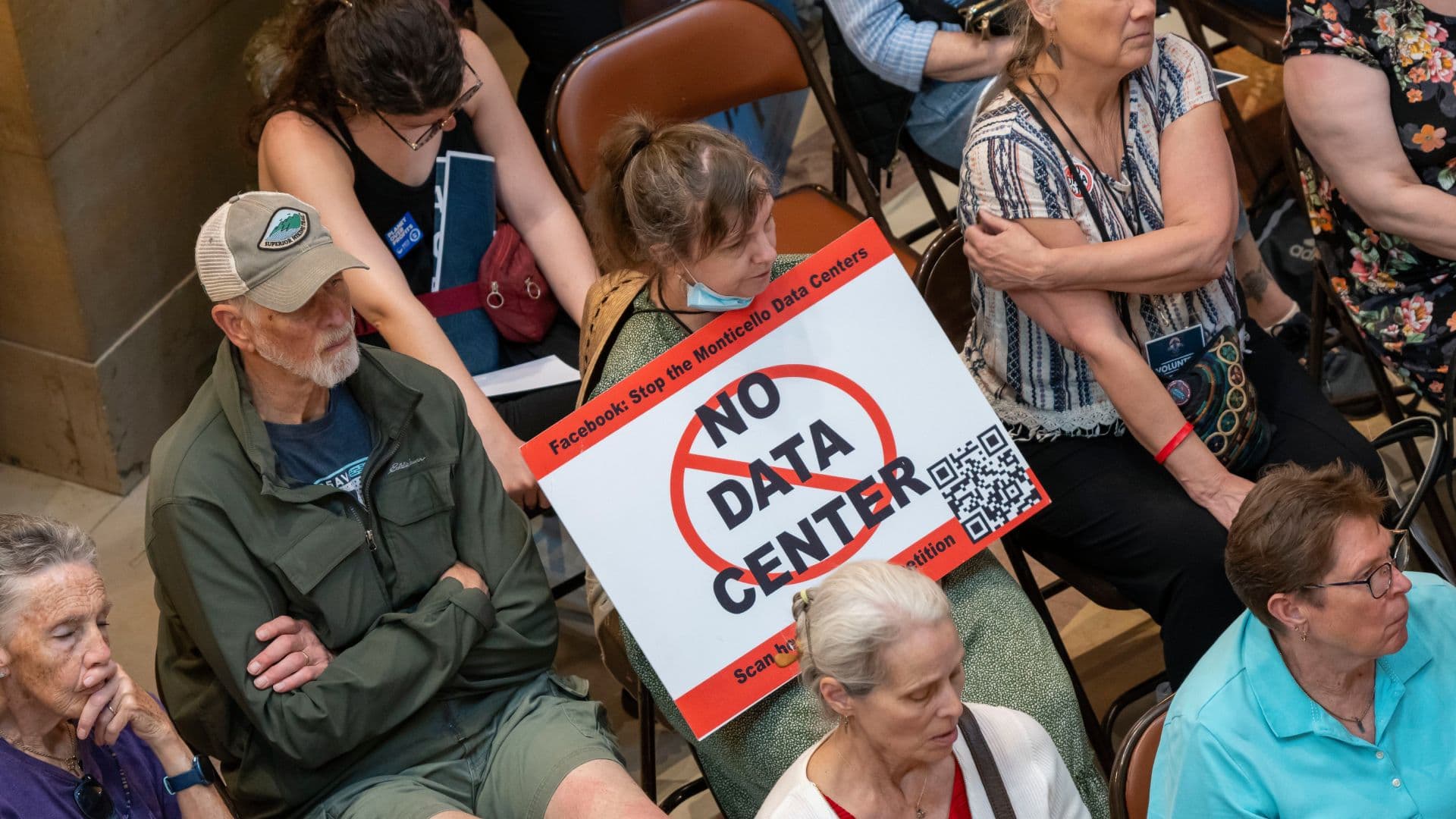
- At least 69 local government units have enacted data center bans as of May 2026, including Seattle
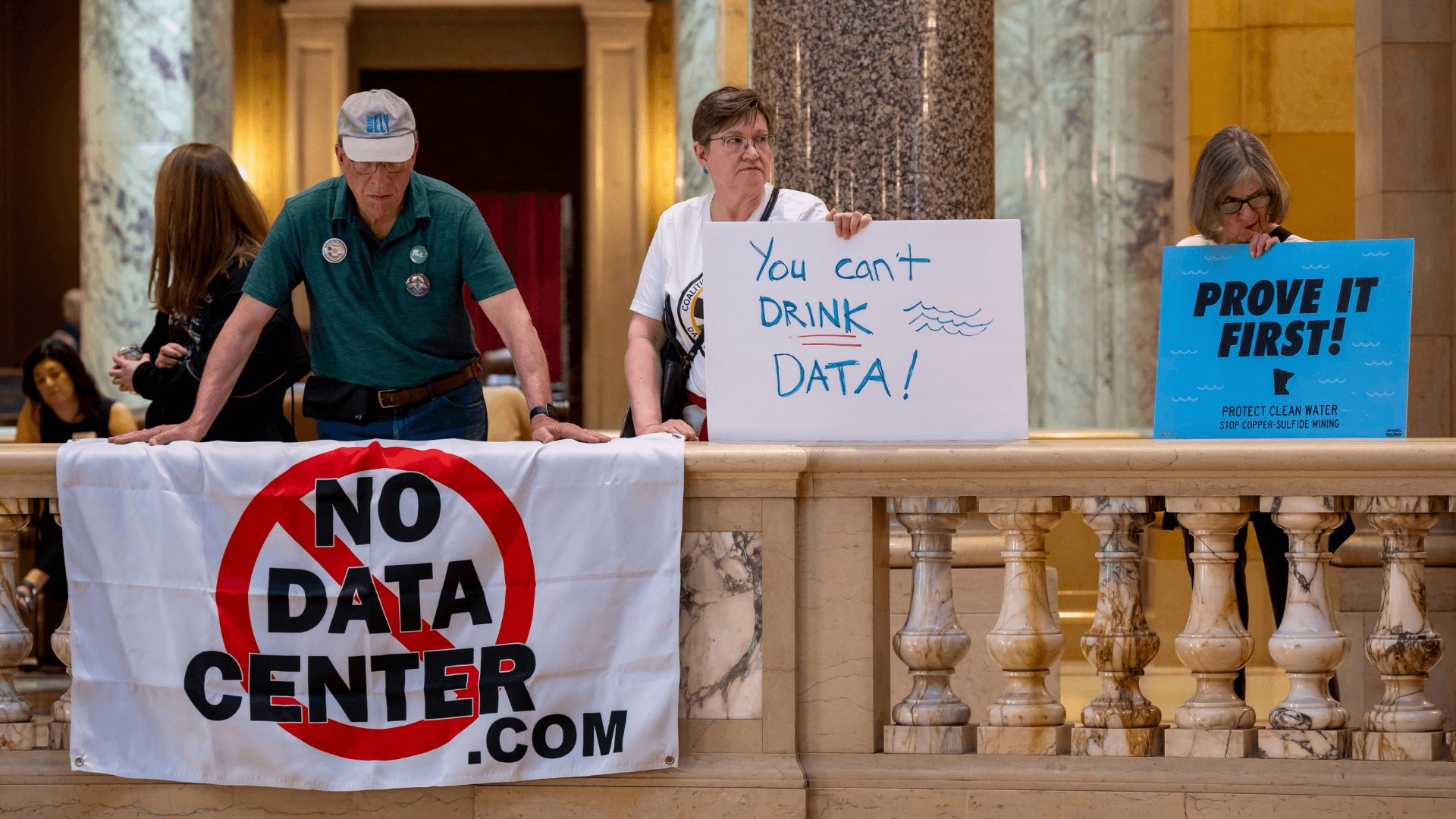
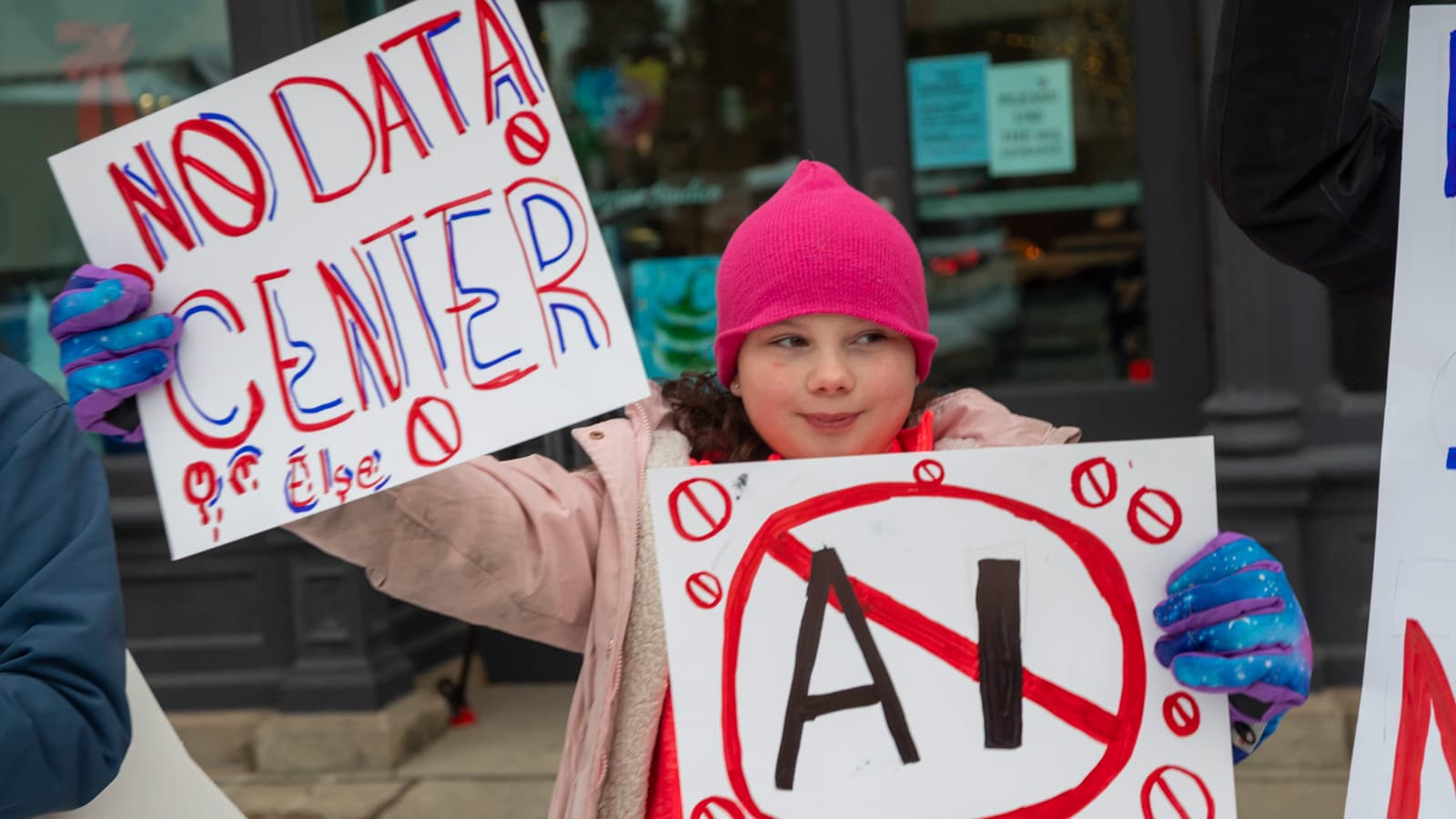
Data center construction has hit a wall. At least 75 projects worth around $130 billion have been blocked or delayed across the United States in the first four months of 2026, according to Data Center Watch, a boutique research firm tracking development in the sector.
That figure equals the total value of projects stalled throughout all of 2025. In other words, opposition that took 12 months to materialize last year has now compressed into 120 days.
Public Opinion Has Shifted Fast
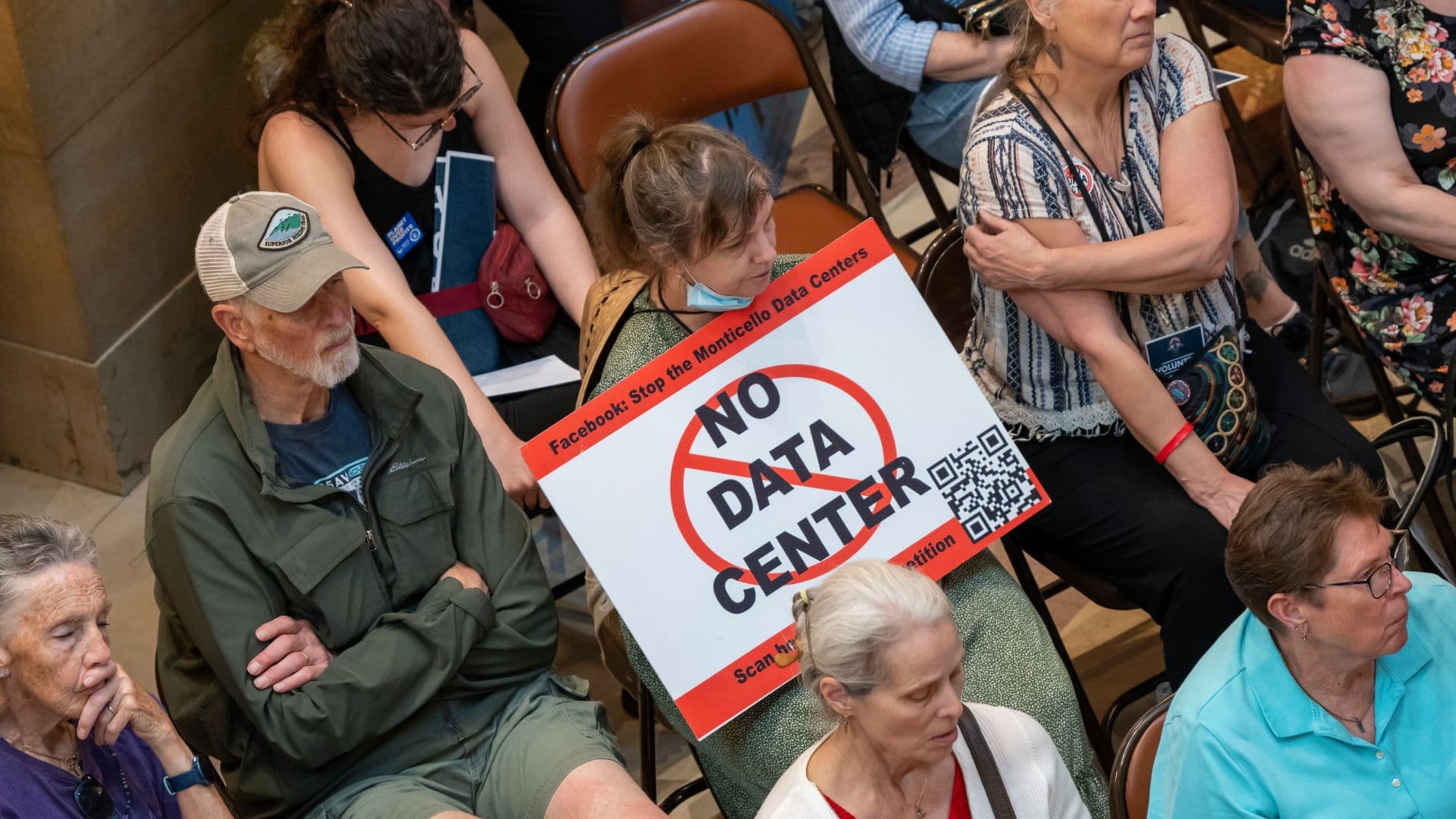
An Ipsos survey in late 2025 found that nearly half of Americans did not want a new data center near their neighborhood. A few months later, that number jumped to 70%. The shift is sharp and consistent across regions.
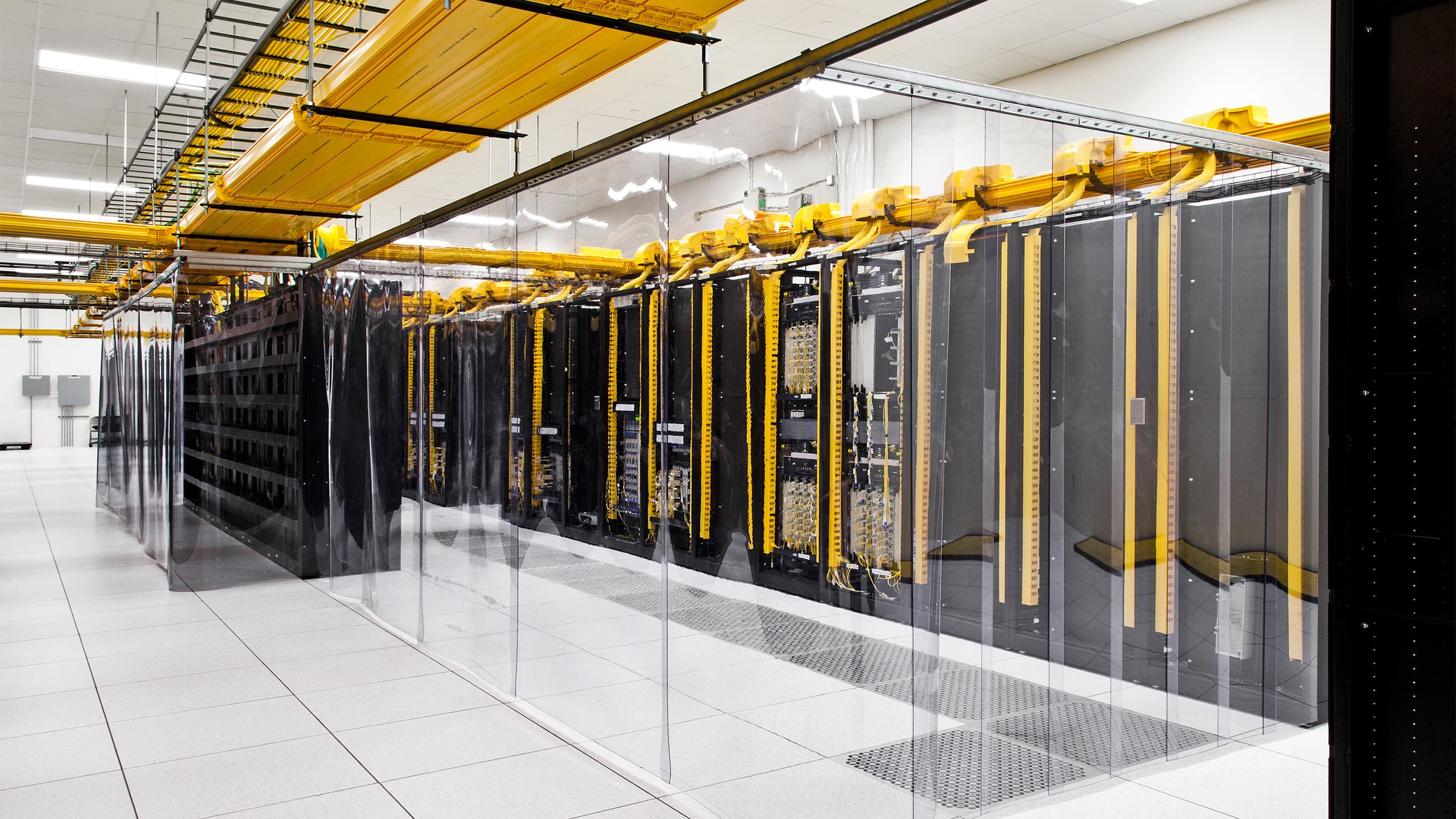
Residents cite electricity price hikes, water consumption, and noise pollution as their main concerns. Data centers require enormous amounts of power to run servers and equally large quantities of water to cool them. When a facility arrives in a community, local utility rates often follow it upward.
69 Local Governments Have Enacted Bans
As of May 2026, at least 69 local government units have passed moratoriums or outright bans on new data center construction. Seattle is the largest city on the list. The one-year pause there affects five proposed projects, a notable setback given that Seattle is home to Microsoft and Amazon.
Maine came close to passing a statewide ban on large new data center projects until October 2027. The bill cleared the legislature but was vetoed by the governor because it would have killed one specific project.
Bipartisan Pushback Despite Federal AI Goals
The opposition is not splitting along party lines. While President Donald Trump has pushed for accelerated AI development, resistance to data centers has come from both Republican and Democratic lawmakers at the local level.
A few politicians have tried to fast-track projects over community objections. But many more have listened to constituents and passed regulations to halt or delay construction until they can study environmental and infrastructure impacts.
The federal government faces a dilemma. It views AI capacity as a competitive advantage against China. AI companies like Anthropic have publicly stated they are struggling to secure enough compute. But local voters are making clear they will not absorb the costs.
Companies are already reassessing AI spending as cloud costs rise
Reports of Foreign Amplification
There have been reports that Chinese users have amplified concerns about data centers while posing as Americans online. The extent of this activity is unclear, but it adds a geopolitical layer to what is otherwise a local infrastructure dispute.
Still, the core complaints, electricity prices and water consumption, are verifiable. Residents do not need foreign prompting to notice their utility bills rising after a large facility opens nearby.
What Happens Next
The pipeline of blocked projects creates a compute bottleneck that will ripple through the AI industry. Training and inference require physical hardware, and that hardware needs a place to run. If communities refuse to host it, companies will need to find alternatives: offshore locations, smaller distributed facilities, or new cooling technologies that reduce water and power demands.
For now, the trend line is clear. Opposition is growing faster than new projects can be approved. Unless something changes, the $130 billion blocked in early 2026 may be just the beginning.
GPU pricing compounds the cost pressure on AI infrastructure

Logicity's Take
Frequently Asked Questions
Why are data center projects being blocked in 2026?
Local communities are pushing back against rising electricity prices, high water consumption for cooling, and noise pollution. At least 69 local governments have enacted bans or moratoriums.
How much data center investment has been blocked in 2026?
Around $130 billion worth of projects have been blocked or delayed in the first four months of 2026, according to Data Center Watch.
Which cities have banned new data center construction?
Seattle is the largest city to pass a one-year pause, affecting five proposed projects. At least 69 local government units nationwide have enacted similar restrictions.
How does this affect AI development in the United States?
The blocked projects create a compute bottleneck. Companies like Anthropic have already reported struggling to access enough capacity, and delays will slow AI training and deployment.
Is opposition to data centers bipartisan?
Yes. While President Trump has pushed for AI development, local opposition has come from both Republican and Democratic lawmakers responding to constituent concerns.
Need Help Implementing This?
Source: Latest from Tom's Hardware
Huma Shazia
Senior AI & Tech Writer
Produced with AI assistance and reviewed by the Logicity editorial team. Learn more in our Editorial Policy.